
ZHSMS Valve Stem Puller Installer Tool Review
Disclosure: As an Amazon Associate, we earn from qualifying purchases. If you click a link on this page and make a purchase, we may receive a small commission at no extra cost to you.
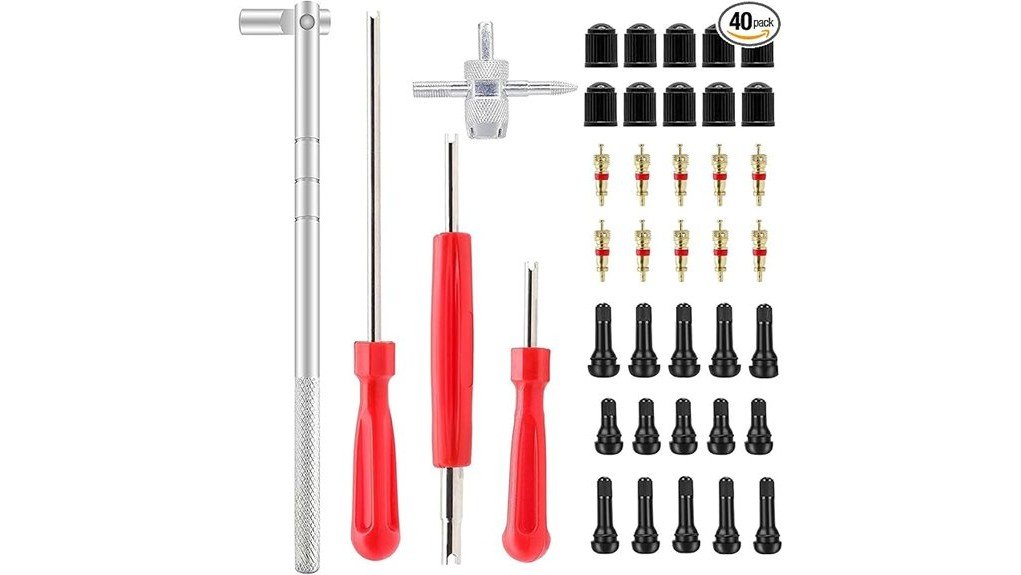
A leaking or damaged snap-in valve stem can stop a tire job over one small part. The ZHSMS Valve Stem Puller Installer Tool combines a leverage-style puller with three common short rubber stem sizes and several core tools. It gives occasional DIY users a compact kit for standard tubeless tire service, but it does not replace tire-changing equipment or a TPMS service tool. This review explains what the 40-piece kit includes, where it fits, and which buyers should choose a heavier-duty alternative.
Quick Verdict
Rating: 8/10, recommended with caveats
Best For: Home garages, powersports owners, and occasional tire maintenance on compatible snap-in stems
Bottom Line: The ZHSMS kit offers a useful mix of TR412, TR413, and TR414 stems plus the tools needed for basic valve service. Its main tradeoff is light-duty construction that suits occasional work better than daily professional use.
| Specification | Detail |
|---|---|
| Brand | ZHSMS |
| Product type | Valve stem puller, installer, and core service kit |
| Linked version | 40-piece kit |
| Valve stems | 5 TR412, 5 TR413, and 5 TR414 short snap-in stems |
| Other consumables | 10 valve cores and 10 valve caps |
| Included tools | 1 puller-installer, 2 single-head core tools, 1 double-head core tool, and 1 four-way valve tool |
| Tool materials | Alloy puller; plastic-handled core tools with plated steel shafts |
| Stem construction | Rubber exterior with a zinc-alloy internal component |
| Listed compatibility | Tubeless tires on passenger cars, motorcycles, ATVs, off-road vehicles, and trucks |
| Best use | Occasional DIY replacement of compatible standard snap-in stems |
| Important limitation | Not a substitute for TPMS sensor stems, tire-changing equipment, or professional service when the tire or wheel is damaged |
Key Takeaways
- The linked ZHSMS kit contains 40 pieces, including 15 short snap-in valve stems in TR412, TR413, and TR414 sizes.
- The leverage-style puller helps seat compatible rubber stems with less hand effort than improvised pliers or prying methods.
- The kit covers core removal, core installation, cap replacement, and standard snap-in stem installation.
- Compatibility depends on the wheel, valve-hole specification, tire pressure requirements, and TPMS design, not only the vehicle type.
- The tool set is better suited to occasional home use than repeated professional shop work.
[Products Worth Considering]

This 4-in-1 tire valve core removal tool helps you deflate, unblock, and remove or install valve cores quickly for easier tire repair. The multifunction design also supports re-taping damaged threads and reaming inside the valve stem for smoother service. Included as a 2-pack, it’s compact for convenient carry and works for cars, bicycles, and motorcycles.

This multi-function tire valve stem removal tool set makes it fast to remove, install, bleed, and clean valve cores for easier tire maintenance. It includes valve core removers, a 4-way spool tool, replacement valve caps, and spare cores to handle replacements and repairs with confidence. Universal compatibility suits cars, trucks, motorcycles, bicycles, and more for roadside convenience.
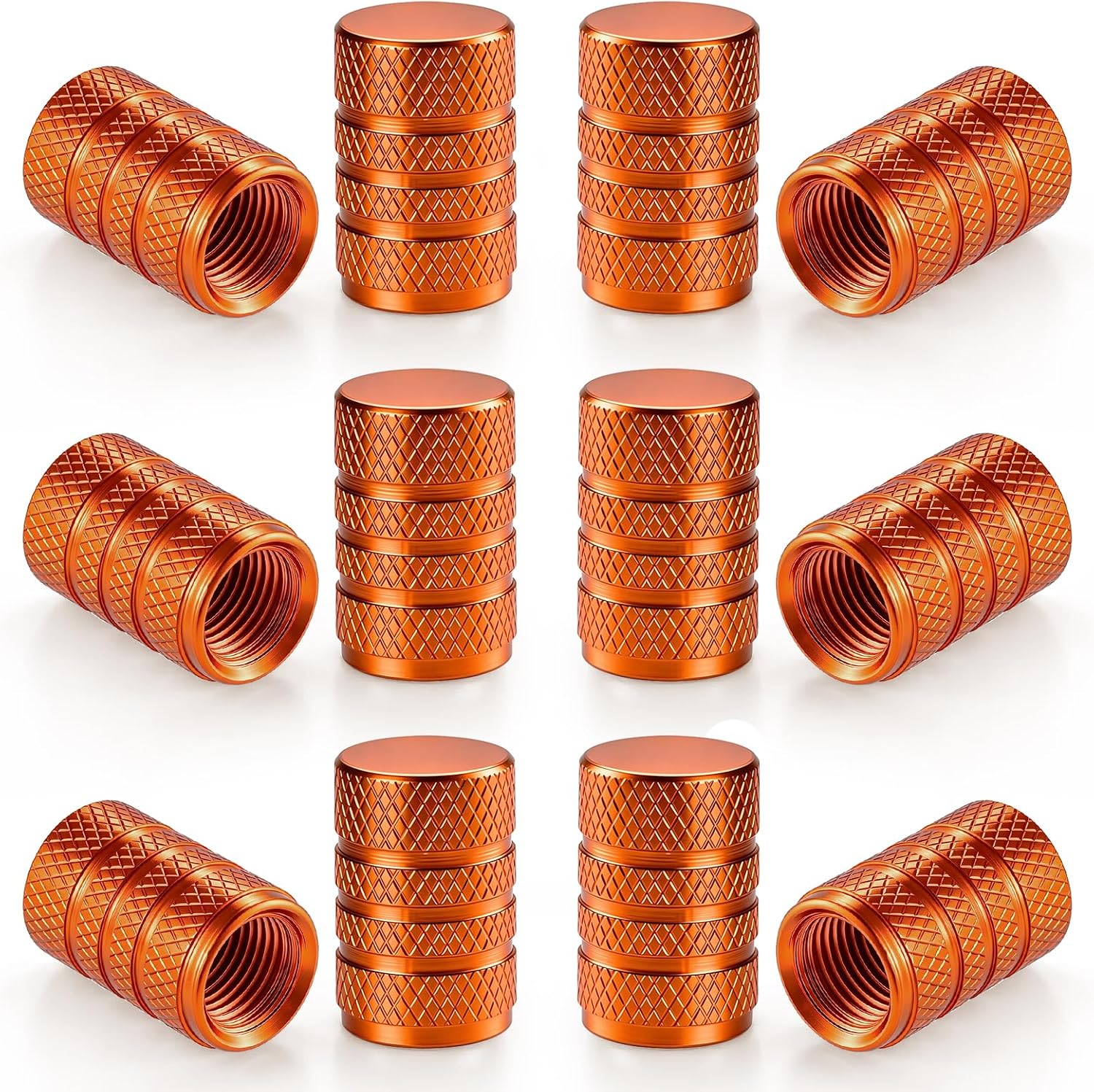
Upgrade your vehicles with these universal aluminum alloy tire valve stem caps designed to help keep dust out and maintain stable tire pressure. Each cap features an internal rubber seal for long-lasting leak protection and features an easy screw-on installation that won’t damage the valve stem threads. Suitable for cars, trucks, motorcycles, and bicycles, they also add a personalized decorative touch to your wheels.
What Is the ZHSMS Valve Stem Puller Installer Tool?
The ZHSMS kit is a compact service set for standard rubber snap-in tire valves. Its main tool threads onto a valve stem and uses leverage to pull the stem through the wheel opening until the rubber base seats correctly.
The package also includes several valve-core tools, replacement cores, caps, and three short stem types. That mix makes it more complete than a stand-alone puller, especially when you maintain several cars, motorcycles, or powersports tires.
This is still a basic hand-tool kit. You may need to remove the wheel, fully deflate the tire, break the bead, and use other tire-service equipment before you can reach and replace the stem safely.
Who Should Buy It?
Best For
- DIY owners who service standard tubeless tires occasionally
- Motorcycle, ATV, and off-road owners who want several short stem sizes on hand
- Home garages that need an inexpensive backup kit for cores, caps, and snap-in stems
Skip If
- You need a replacement stem for a direct TPMS sensor or a metal clamp-in valve
- You perform tire service every day and need commercial-grade tools
- You cannot verify the correct stem specification for your wheel and tire setup
Before You Buy: Do not choose a valve stem by appearance alone. Confirm the stem type, valve-hole specification, wheel design, tire pressure requirements, and TPMS configuration before installation.
What’s in the ZHSMS Valve Stem Tool Kit?
The 40-piece version includes one valve stem puller-installer, five TR412 stems, five TR413 stems, and five TR414 stems. You also get 10 valve cores, 10 caps, two single-head core tools, one double-head core tool, and one four-way valve tool.
The assortment is useful because valve service often involves more than the outer rubber stem. A loose or damaged core can cause a slow leak, while a missing cap leaves the core exposed to dirt and moisture.
The alloy puller is the kit’s main reusable component. The core removers use plastic handles and plated steel shafts, while the included stems combine a rubber exterior with an internal zinc-alloy component.
Fit and Compatibility
ZHSMS lists the kit for tubeless tires on passenger cars, motorcycles, ATVs, off-road vehicles, and trucks. That broad category list describes possible use, not universal fit.
TR412, TR413, and TR414 identify different short snap-in stem designs. Your wheel must accept the exact stem type you install, and the stem must also suit the tire’s operating pressure and the vehicle’s valve system.
Direct TPMS systems often use a sensor attached to a specific rubber or metal valve assembly. The supplied stems are standard replacements, so they should not be treated as universal TPMS sensor stems.
Pro Tip: Remove one old stem and read its markings before ordering replacements. Match the service information for your wheel instead of assuming the shortest or tallest stem will fit.
Materials and Build Quality
The puller uses an alloy body that provides the leverage needed to seat a rubber stem. Its rigid shape should feel more controlled than gripping the stem with ordinary pliers, which can slip or damage the rubber.
The included core tools have plastic handles and steel shafts with corrosion-resistant plating. They are suitable for routine core removal and installation, but the kit is not positioned as a heavy commercial tool set.
For occasional work, the mix is practical. Frequent shop use may justify a heavier puller with a protected fulcrum, a longer handle, replaceable tips, or a dedicated rim guard.
How to Remove and Install Valve Stems
Valve stem replacement is tire service, not a simple exterior repair. Follow the vehicle and tire equipment instructions, use proper lifting support, and wear eye protection.
- Confirm compatibility. Verify the replacement stem type and check whether the wheel uses direct TPMS hardware.
- Remove all air. Take out the valve core and make sure the tire is fully deflated before disturbing the bead.
- Access the inside of the wheel. Break the bead or remove the tire far enough to reach the back of the valve opening. Use suitable tire equipment.
- Remove the old stem. Cut or push the old rubber stem inward as appropriate, then clean and inspect the valve opening.
- Prepare the new stem. Apply a small amount of approved rubber lubricant to the stem. Do not use petroleum products that may harm rubber.
- Pull the stem into place. Feed the stem from inside the wheel, thread the puller onto it, and use steady leverage until the base seats. Avoid twisting or overstretching the rubber.
- Reassemble and test. Install the correct core, remount the tire, inflate to the vehicle specification, and check for leaks around the stem and core.
Stop if the valve opening is corroded, cracked, enlarged, or sharply damaged. A new stem cannot correct a damaged wheel, and professional inspection is the safer choice.
Ease of Use and Leverage
The puller’s main benefit is controlled leverage. Once it is threaded onto the new stem, you can pull against the tool body instead of pinching the rubber with pliers.
This design can reduce repeated attempts and make the final seating step more predictable. It also keeps your pulling force aligned with the stem, which matters when the wheel opening is tight.
The kit does not eliminate preparation. You still need safe wheel removal, complete deflation, bead access, proper lubrication, and a final leak check.
[Products Worth Considering]

Upgrade your Toyota tire setup with these corrosion-resistant, leak-proof valve stem caps designed to help protect the valve core from water, snow, and road grime. The caps feature a snug rubber seal and durable copper alloy construction to resist rust and oxidation while maintaining stable tire pressure. Ideal for replacing worn original caps and keeping your wheels looking clean and stylish.

These universal aluminum tire valve stem caps help protect valve cores from corrosion caused by dirt, water, and snow while helping prevent air leaks to maintain steady tire pressure. They’re easy to install with a simple screw-on fit and are suitable for cars, SUVs, trucks, bicycles, motorcycles, and other vehicles. The stylish black caps add a clean, standout look to your wheels while supporting reliable long-term performance.
Wheel and Valve Protection
Controlled leverage can reduce slipping, but no bare metal tool is completely scratch-proof. Keep the tool stable, protect finished wheel surfaces, and avoid dragging the puller across painted or polished areas.
| Design Detail | Buyer Benefit | Limitation |
|---|---|---|
| Alloy puller | Provides firm leverage for seating a stem | Can mark a wheel if used carelessly |
| Threaded connection | Holds the stem more securely than ordinary pliers | Must be threaded straight to avoid damage |
| Rubber snap-in stems | Provide common replacement options in one kit | Do not fit every wheel or TPMS design |
| Multiple core tools | Supports removal, installation, and basic core service | Small tools can be easy to misplace |
How It Performs in Real Use
For Passenger Car Maintenance
The assortment helps when a compatible rubber stem is cracked, leaking, or being replaced during tire service. Having cores and caps in the same kit also reduces the need to stop for small parts.
For Motorcycle and Small Powersports Wheels
The compact puller is easier to store than a large shop tool. Tight wheel shapes may still require patience, careful tool positioning, and enough bead clearance to reach the inside of the valve opening.
For ATV and Off-Road Use
ATV and off-road owners may value the three short stem types and spare cores. Mud, impact, and low-pressure use can expose valves to damage, but you must still match the replacement stem to the wheel specification.
For Garage and Emergency Storage
The kit stores easily in a toolbox and keeps several consumable parts together. It is more useful in a garage with tire equipment than in a roadside kit, because standard stem replacement usually requires bead access.
Maintenance and Storage
Wipe the tools clean after use and store them dry. Keep the puller threads free of grit, because dirty threads can make attachment harder and may damage a valve stem.
Inspect the plastic handles, steel shafts, and puller body before each job. Replace a tool that is bent, cracked, heavily corroded, or unable to hold the stem securely.
Store the rubber stems away from heat, sunlight, petroleum products, and ozone-producing equipment. Before installation, check each stem for hardening, cracks, deformation, or damaged threads.
Pros and Cons
Pros
- Includes 15 stems across three common short snap-in types
- Provides cores, caps, and four styles of valve service tools
- Leverage-style puller reduces the need for improvised gripping methods
- Compact enough for a home garage or powersports toolbox
- Useful as a low-cost occasional service kit
Cons
- Included stems are not universal and do not replace TPMS sensor valves
- Light-duty tool construction is less suitable for daily shop use
- No detailed installation guide is a practical drawback for first-time users
Is It Worth the Price?
The ZHSMS kit sits in the budget tool category and offers strong value for occasional use. You get a reusable puller, several core tools, and enough consumable parts to handle more than one compatible tire.
It makes the most sense for a home mechanic who already has safe lifting and tire-service equipment. It is not the best fit for a commercial shop, a direct TPMS repair, or a buyer who needs one exact high-pressure stem with documented specifications.
How It Compares to Alternatives
The Riseuvo stem puller kit is a close alternative with a different mix of TR412, TR413, and TR414 stems. A smaller Febrytold kit may suit buyers who only need a few TR412 stems and basic tools.
The Milton 449R is worth comparing if you care more about a dedicated branded puller than a large bundle of consumables. The ZHSMS kit makes the most sense when you want a broad starter assortment at a budget-friendly level.
Frequently Asked Questions
Does the ZHSMS kit work with TPMS sensors?
The included TR412, TR413, and TR414 parts are standard rubber snap-in stems, not universal TPMS sensor replacements. Confirm your sensor and valve design before using any supplied stem near a direct TPMS assembly.
Can you replace a valve stem without removing the tire?
This puller is intended to pull a snap-in stem through the wheel opening, so you normally need access to the inside of the wheel. That often means breaking the bead or removing the tire far enough to work safely.
How do you know which included stem to use?
Match the old stem and the wheel service specification. Do not select a TR412, TR413, or TR414 stem only by height, because fit also depends on the valve opening, wheel design, and pressure application.
Can the puller scratch aluminum or painted wheels?
Any metal tire tool can mark a finished wheel if it slips or rubs the surface. Stabilize the puller, protect the contact area, and stop if the tool cannot sit squarely.
Does the 40-piece count include 40 valve stems?
No. The count covers the entire kit, including 15 valve stems, 10 cores, 10 caps, and five reusable tools.
What lubricant should you use during installation?
Use a small amount of lubricant approved for rubber tire components. Avoid petroleum-based products unless the stem or tire manufacturer specifically allows them.
Is this kit suitable for professional tire shops?
It can serve as a spare or occasional-use kit, but daily technicians may prefer a heavier puller and clearly specified commercial valve stems. The ZHSMS set prioritizes variety and low entry cost over shop-grade construction.
How should you check the repair before driving?
Inflate the tire to the vehicle specification and apply an approved leak-detection solution around the stem base and core. Recheck pressure after installation, and seek professional help if leakage continues.
The Bottom Line
The ZHSMS Valve Stem Puller Installer Tool is a practical choice for occasional DIY users who need a broad set of standard snap-in stems, cores, caps, and core tools. Skip it for direct TPMS sensor repairs, unknown wheel specifications, or daily commercial use, where a dedicated heavy-duty tool and exact service parts make more sense.
Ready to Buy?
Check the latest product details and confirm stem compatibility before you decide.

Related Articles
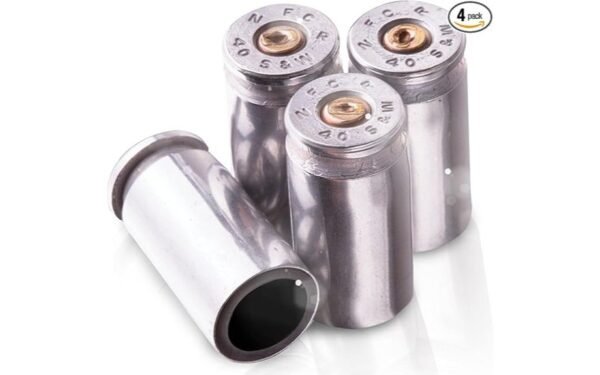
Lucky Shot Tire Valve Caps Review
Hunting for a Lucky Shot Tire Valve Caps review? Discover whether these shell-casing caps really deliver style, protection, and a fit worth trusting.
Read More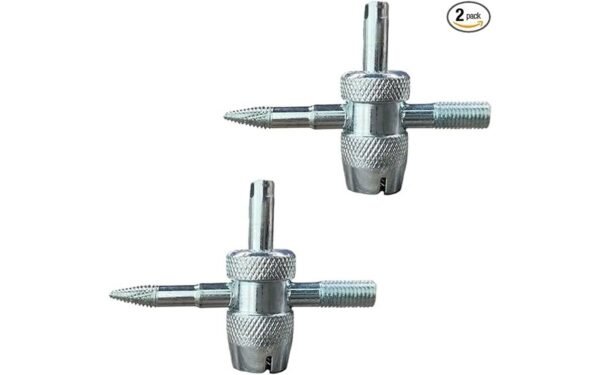
2PCS 4-Way Tire Valve Core Removal Tool Review
No wonder the 2PCS 4-Way Tire Valve Core Removal Tool packs four jobs into one, but one surprising detail makes all the difference.
Read More
SINGARO 12PCS Tire Valve Stem Caps Review
Compact, orange SINGARO tire valve stem caps promise style and sealing performance—but do they actually deliver real everyday value?
Read More