Why Don’t F1 Teams Use the Super Soft Tire Anymore? Real Reasons
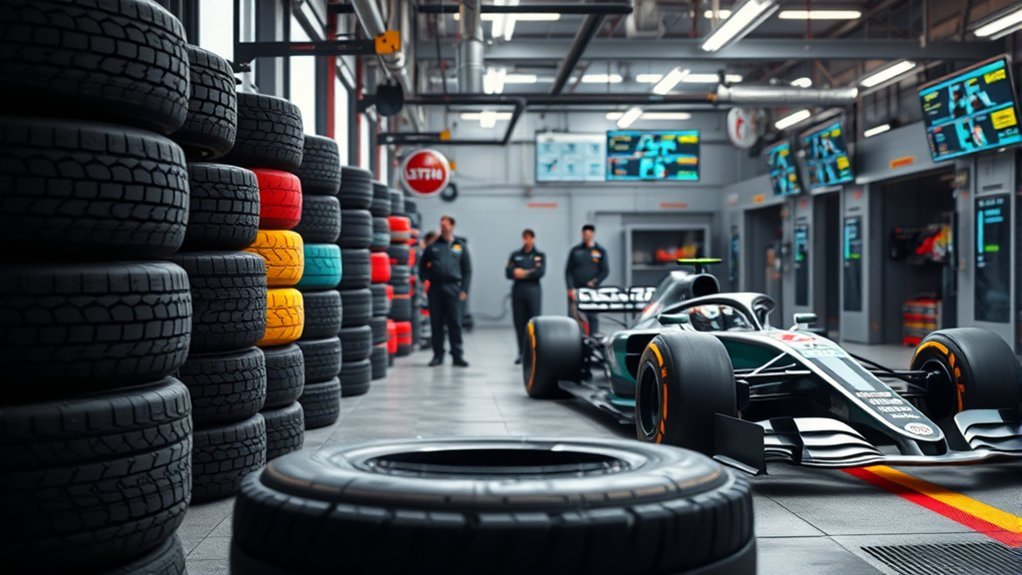
F1 teams no longer use a tire called Super Soft because Formula 1 moved away from the old named-and-colored compound system. The idea behind a soft, high-grip tire still exists, but Pirelli now uses a clearer C1-to-C5 slick range and labels the three tires chosen for each race weekend as Hard, Medium, and Soft.
Quick Answer
F1 does not use the old Super Soft tire name anymore. Pirelli simplified the tire system in 2019, replacing names like Super Soft, Ultra Soft, and Hyper Soft with numbered compounds. In 2026, the slick range runs from C1, the hardest, to C5, the softest.
Key Takeaways
- The Super Soft name disappeared when Pirelli simplified F1 tire naming, not because soft tires vanished from the sport.
- C4 did not officially replace Super Soft one-for-one; C4 and C5 now cover the softer end of the modern slick range.
- For 2026, Pirelli’s F1 slick compounds are C1, C2, C3, C4, and C5, with C5 being the softest.
- At each Grand Prix, Pirelli selects three slick compounds and labels them Hard, Medium, and Soft for that weekend.
- Modern F1 tire strategy is more about stint length, degradation, temperature control, and timing than chasing one-lap grip alone.
Why F1 Teams Stopped Using the Super Soft Tire
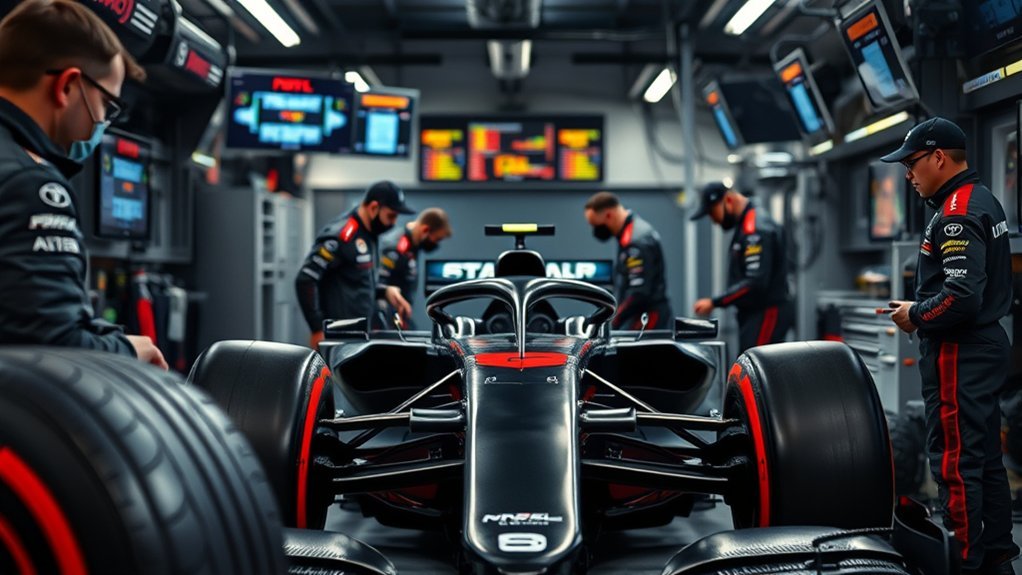
F1 teams stopped using the Super Soft name because Pirelli and Formula 1 simplified how tires are presented to fans. Before 2019, fans had to track several named compounds, including Soft, Super Soft, Ultra Soft, Hyper Soft, Medium, Hard, and others. That system gave detail, but it also made race weekends harder to follow.
In 2019, Pirelli moved to a simpler public system: five dry slick compounds for the season, numbered from C1 to C5, with C1 the hardest and C5 the softest. At each race, only three are selected and shown as Hard, Medium, and Soft.
The performance reason matters too. Very soft tires can deliver strong grip, but they also tend to wear faster, overheat more easily, and lose performance sooner. Modern F1 cars, race formats, and strategy demands reward compounds that give teams a usable operating window rather than a short burst of grip followed by a sharp drop-off.
Note: In modern F1, “Soft” is a weekend label. The red Soft tire at one Grand Prix might be a different actual C-number than the red Soft tire at another Grand Prix.
[Products Worth Considering]

Adam’s Pro Tire Hex Grip applicators are molded foam sponges designed for precise, even tire dressing application. The ergonomic grip helps you spread product without overapplying, reducing sling that can splash onto paint and helping keep your hands clean during wheel and trim detailing. They’re durable, washable, and reusable for repeated detailing sessions.

The Continental Grand Prix 5000 is an allround road bike tire engineered for faster rolling, improved ride comfort, and enhanced puncture protection. It features a Vectran Breaker cut-protection layer, Lazer Grip micro-profile tread for confident cornering control, and Active Comfort Technology to damp vibration for smoother rides. BlackChili compound optimizes grip and speed for everyday performance and long-lasting confidence.

Black Magic Tire Wet delivers a deep wet-look shine that makes tires appear dark, rich, and freshly detailed. Its long-lasting formula helps resist rain, dust, and road grime for weeks of glossy protection, not days. Apply by spraying onto clean, dry tires—no buffing or wiping required—with a low-sling design to reduce splatter on paint and wheels.
Did C4 Replace the Super Soft Tire in F1?
No, not in a strict one-for-one way. It is more accurate to say that the old Super Soft name was retired when Pirelli changed the naming system. The modern C4 compound is one of the softer slick tires, but it is not officially “the Super Soft with a new name.”
For 2026, Pirelli’s current F1 slick range is made up of five compounds from C1 to C5. C4 is the second-softest compound, while C5 is the softest. Depending on the track, C4 might be labeled Medium or Soft for a particular race weekend.
That distinction is important. A fan might see a red Soft tire on TV, but that red tire could be C3, C4, or C5 depending on the compounds Pirelli selected for that circuit. The color tells you the tire’s role for the weekend; the C-number tells you where it sits in the full season range.
How Current F1 Tire Compounds Are Labeled
F1’s current dry-weather slick tires use a C-number scale. Lower numbers are harder and usually more durable. Higher numbers are softer and usually offer more grip over a shorter life.
| Compound | Position in Range | Typical Use |
|---|---|---|
| C1 | Hardest | High-energy tracks, long stints, high heat or heavy tire loads |
| C2 | Hard | Fast, abrasive, or demanding circuits |
| C3 | Middle | Versatile compound that can appear as Hard, Medium, or Soft depending on the race |
| C4 | Second-softest | Lower-severity tracks where faster warm-up and strong grip are useful |
| C5 | Softest | Street circuits, smooth asphalt, low degradation tracks, and maximum mechanical grip |
For each Grand Prix, Pirelli picks three slick compounds from that range. The hardest of the three gets a white sidewall and is called Hard. The middle choice gets a yellow sidewall and is called Medium. The softest of the three gets a red sidewall and is called Soft.
Why C4 and C5 Matter More Now
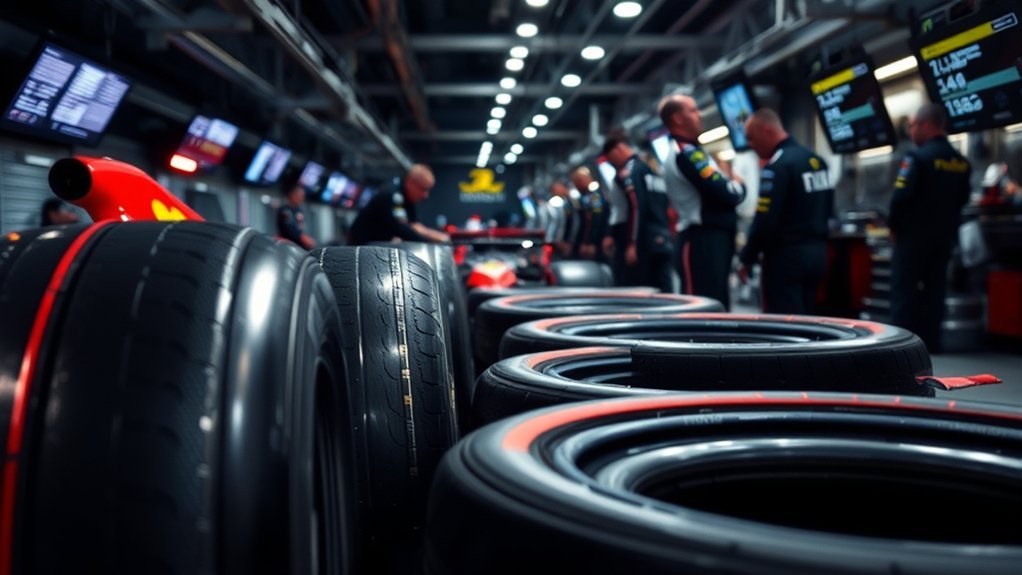
C4 and C5 matter because they fill the role fans used to associate with the softer named compounds. They are the modern high-grip end of the slick range, but they are managed inside a more consistent and easier-to-understand system.
Better Balance Between Grip and Wear
The old Super Soft idea was simple: more grip, faster warm-up, and strong pace over a shorter run. The modern goal is more balanced. Teams still want grip, but they also need predictable wear, stable temperatures, and a tire that does not fall away too suddenly during a stint.
That balance gives strategists more room to decide when to attack, when to extend a stint, and when to pit. A tire that is fast for two laps but then fades badly is less useful than one that can hold a planned pace window.
Track-Specific Performance
Pirelli does not bring the same three compounds to every race. A high-speed, abrasive track may need harder tires. A smooth street circuit may allow softer tires. That is why C4 or C5 can be useful at one venue but too aggressive at another.
Track surface, corner type, braking energy, temperature, and tire loads all change how a compound behaves. This is why tire choice is part of the racing itself, not just a technical detail.
Better Degradation Control
Degradation control is one of the main reasons F1 moved away from a fan-facing system built around dramatic names like Super Soft and Hyper Soft. The current format lets Pirelli tune the tire range while keeping race-weekend labels simple.
For 2026, Pirelli confirmed a C1-to-C5 range with a wider and more consistent performance gap between compounds. The company also introduced smaller tires to suit the new generation of F1 cars, while keeping the 18-inch wheel rim diameter.
What Happened to the C6 Tire?
The C6 tire appeared in the 2025 range as an extra-soft option, but it is not part of the 2026 range. Formula 1 reported that Pirelli chose three compounds per race from C1 to C6 in 2025, but returned to a C1-to-C5 dry range for 2026 because the C6 did not offer enough useful performance difference from the C5.
That matters because it shows the direction of modern F1 tire planning. The sport is not trying to create endless soft options. It is trying to create a clean range with useful gaps between compounds so teams can make different strategies work.
How Pirelli Picks Tires for Each Track
Pirelli selects compounds for each Grand Prix by matching tire behavior to the circuit. The main factors include surface roughness, expected track temperature, cornering loads, braking forces, weather, historical degradation, and how much energy the track puts through the tires.
At a demanding circuit, Pirelli is more likely to choose harder compounds such as C1, C2, and C3. At a smoother or slower circuit, it can choose softer compounds such as C3, C4, and C5. The goal is to give teams strategic options without creating unsafe wear or extreme overheating.
Pro Tip: When you watch a race, do not judge the tire only by its color. Check the actual C-number in Pirelli’s race-weekend allocation to understand how soft or hard that tire really is.
[Products Worth Considering]

The Chemical Guys Gerbil Wheel & Rim Brush is designed to safely clean wheels, rims, exhaust tips, tires, and engine bay components without scratching delicate finishes. Its soft natural bristles help lift brake dust, grime, and buildup while conforming to tight spaces and intricate contours. A comfort grip handle delivers control for extended detailing sessions.

Turtle Wax Hybrid Solutions Hyper Foam Wheel and Tire Cleaner uses an advanced high-foaming formula that clings to wheels and tires to dissolve tough road grime, embedded brake dust, and light iron deposits. It helps restore black tires while prepping surfaces for tire shine or protective coatings. The pH-balanced cleaner is safe for all wheel finishes and includes corrosion-repellent polymers that reduce future contaminant build-up.

Clean wheels and rims with soft feathered bristles that safely remove dirt and road grime while helping restore original luster. The short non-slip handle makes it easy to scrub in tight wheel wells, and the brush is suitable for vehicles and hard-to-reach areas. It can also be soaked and rubbed to help restore bristles to their shape after use.
Why Wet Tires Still Matter in F1
Wet tires still matter because slicks cannot clear standing water. F1 uses two wet-weather tire types: the green intermediate and the blue full wet. Intermediates are used on damp tracks or drying surfaces, while full wets are built for heavier rain and more standing water.
Pirelli describes the intermediate as the most versatile rain tire, with a wide crossover window between slicks and full wets. The full wet is designed for heavy rain and greater aquaplaning resistance, although visibility can still become the limiting factor in extreme conditions.
In changeable weather, the timing of the switch can decide the race. Move from full wets to intermediates too late and you lose lap time. Move to slicks too early and the car may slide badly or overheat the wrong tire. Wet-weather tire strategy is about reading the track as much as reading the forecast.
How Many Tires Do Drivers Get Each Weekend?
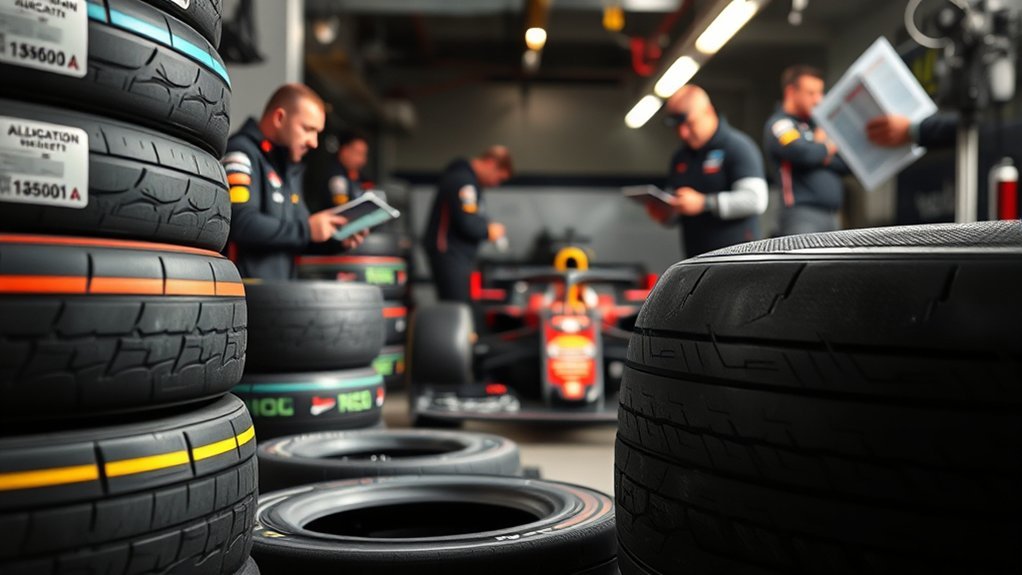
On a standard Grand Prix weekend, each driver gets 13 sets of dry-weather tires, five sets of intermediates, and two sets of full wets. Drivers who reach Q3 receive an extra set of soft tires for the final part of qualifying. In a dry race, drivers must use at least two different slick compounds.
There are exceptions. For Monaco, Formula 1’s current guide notes that each driver gets an additional set of wet tires. Sprint weekends also use a different allocation, with fewer slick sets than a standard Grand Prix weekend.
This allocation shapes strategy before the race even starts. Teams must decide which tires to save, which to use in practice, which to keep for qualifying, and which compounds leave the best race options open.
How F1 Tire Strategy Changed After the Super Soft Era
Since the Super Soft era, F1 tire strategy has become easier to follow from the outside but more precise behind the scenes. Fans see three colors at each race: white Hard, yellow Medium, and red Soft. Teams, however, still analyze the exact C-number, tire temperature, degradation rate, traffic, safety-car probability, and pit-loss time.
Compound Simplification
The biggest visible change is simplification. Instead of asking fans to remember Super Soft, Ultra Soft, Hyper Soft, and several other names, F1 now presents the race-weekend choice as Hard, Medium, and Soft. This makes tire strategy easier to understand on television while still giving engineers the detailed C-number system underneath.
Strategy Reset
The reset changed how teams think about a stint. The fastest tire over one lap is not always the best race tire. A softer tire may help in qualifying or after a late safety car, but a harder or medium option can be better if it avoids an extra pit stop or stays stable in traffic.
That is why the disappearance of the Super Soft name did not make F1 less strategic. It made the strategy less dependent on dramatic names and more dependent on real performance windows.
Wet Tire Influence
Wet weather still breaks the normal dry-compound plan. When rain arrives, the race becomes a moving crossover between full wets, intermediates, and slicks. Teams watch lap times, driver feedback, radar, and track evolution to decide when to switch.
This is one area where tire choice still creates sudden swings. A perfectly timed switch can gain several seconds per lap. A poor call can trap a driver on the wrong tire just as the track changes.
Frequently Asked Questions
Why did F1 get rid of Super Soft tyres?
F1 got rid of the Super Soft name because Pirelli simplified the public tire system. Since 2019, the sport has used C-number compounds across the season and the simpler Hard, Medium, and Soft labels at each race weekend.
What happened to Super Softs?
The old Super Soft name was retired when Pirelli changed the naming format. The soft-end concept still exists through compounds like C4 and C5, but those are part of a newer C1-to-C5 range rather than the old named system.
Did C4 replace the Super Soft tire?
Not exactly. C4 is a softer modern slick compound, but Pirelli did not officially rename Super Soft as C4. The better explanation is that the old names disappeared and the current system uses numbered compounds.
Does F1 have Super Soft tires in 2026?
No. F1 does not use a tire called Super Soft in 2026. Pirelli’s dry slick range is C1 to C5, with C1 the hardest and C5 the softest. At each race, three of those are labeled Hard, Medium, and Soft.
Why is 17 banned in F1?
The number 17 is retired in Formula 1 in memory of Jules Bianchi. He raced with number 17 in 2014, and the FIA retired it after his death in 2015.
Conclusion
F1 did not abandon soft, high-grip tires. It abandoned the old Super Soft name and moved to a cleaner tire system. Today, the soft end of the range is handled by compounds such as C4 and C5, while the race-weekend labels Hard, Medium, and Soft make strategy easier to follow.
The key point is that modern F1 tire strategy is not about one magic compound. It is about matching grip, wear, temperature, track conditions, and pit timing. The Super Soft era gave fans memorable names; the current system gives teams and viewers a clearer structure.
Sources
- Pirelli Formula 1 Tyres — current C1-to-C5 compound range and wet-weather tire descriptions.
- Pirelli 2019 F1 Tyre System Announcement — switch to three race-weekend colors and five numbered compounds.
- Pirelli 2026 F1 Tyre Reveal — 2026 C1-to-C5 range, smaller tire dimensions, and updated tire design.
- Formula 1 Beginner’s Guide to F1 Tyres — tire allocation, compound labels, wet tires, and dry-race compound rule.
- Formula 1: Number 17 Retired in Bianchi’s Honour — official explanation of why number 17 is not used in F1.
[Products Worth Considering]
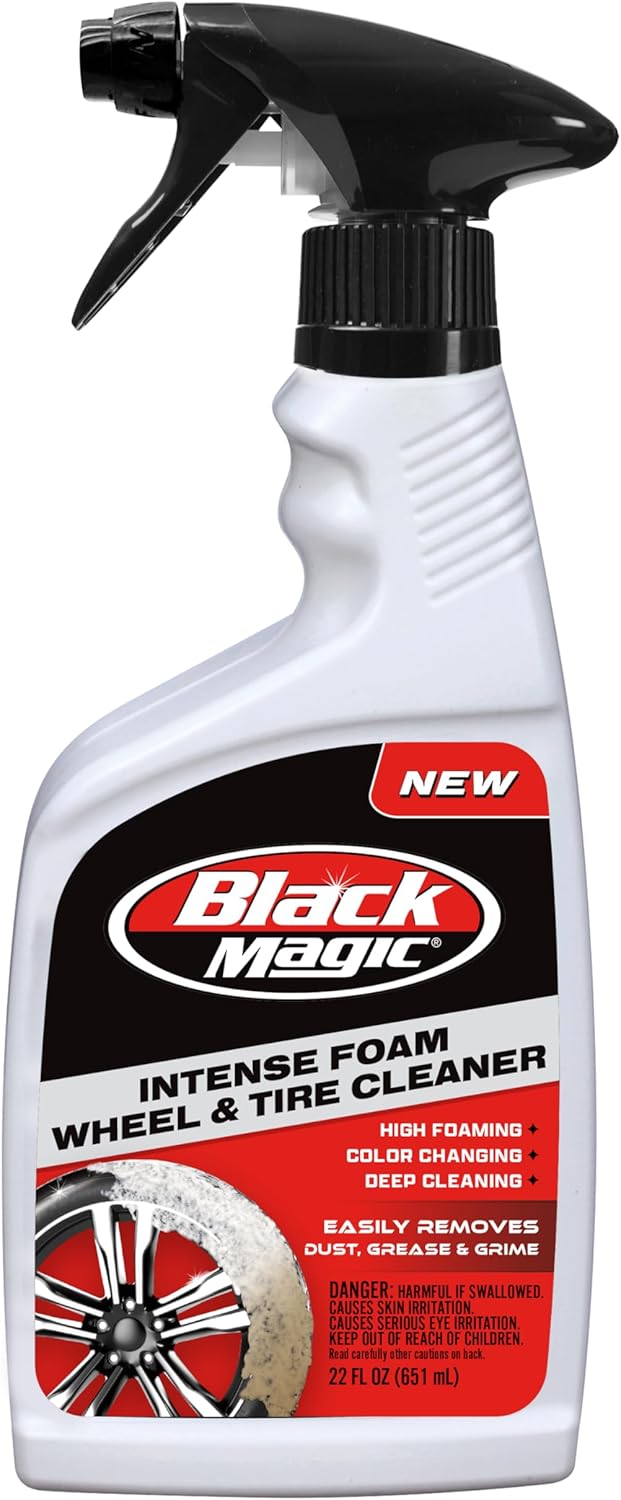
Black Magic Intense Foam Wheel & Tire Cleaner uses a high-foaming action to lift away dirt, grime, and brake dust without scrubbing. The color-changing formula helps show contaminants being dissolved as foam turns from white to brown. Safe for all wheel types and even wheel wells, it leaves a like-new, slick finish with a fresh cherry scent.
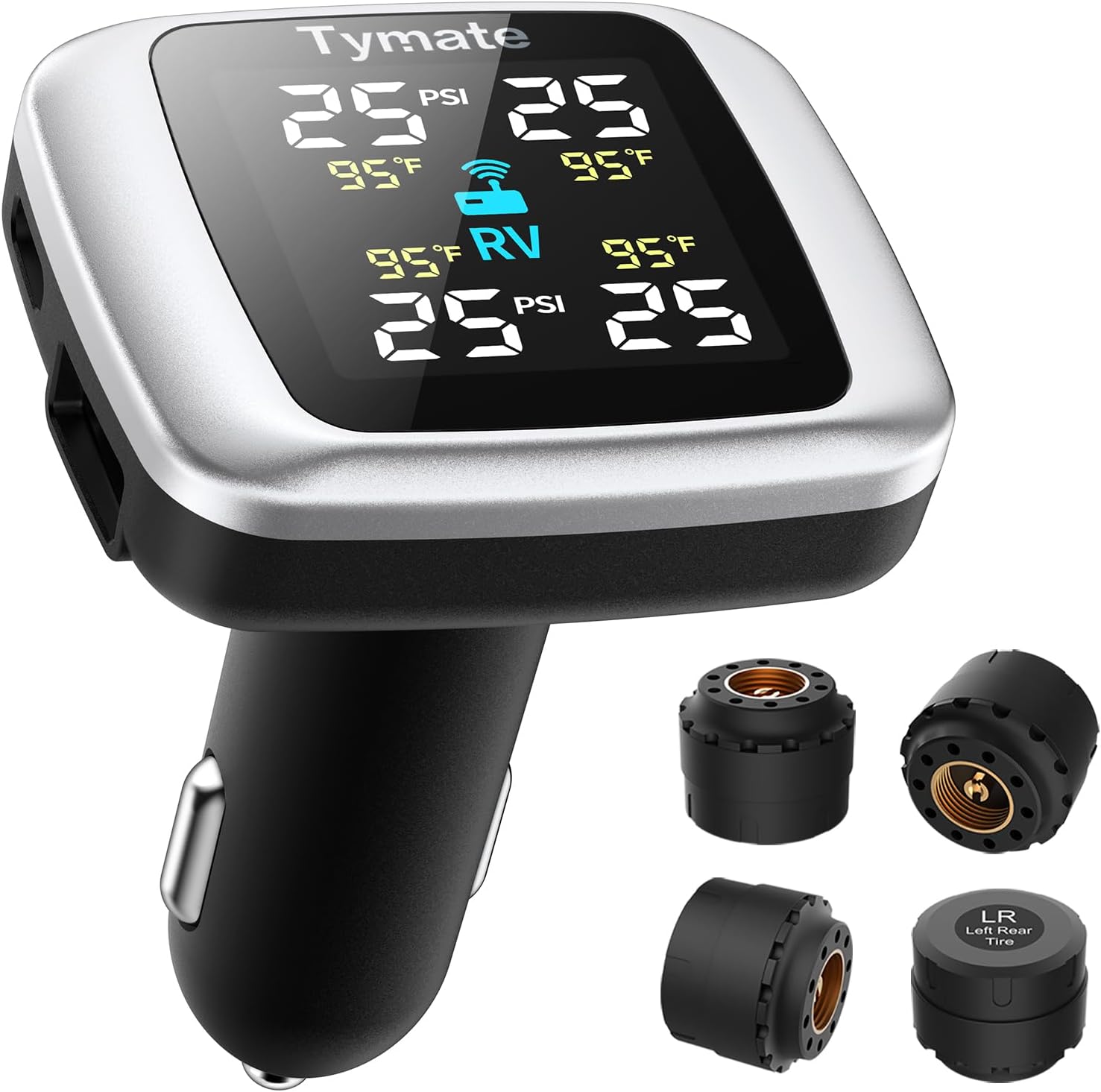
Tymate TM7 is a wireless tire pressure monitoring system that delivers real-time pressure and temperature readings for safer driving. It includes four external sensors, a bright color LCD display with adjustable backlight, and six alarm modes for high/low pressure, fast leakage, high temperature, and sensor signal or battery issues. The system covers a wide 0–144 PSI range and plugs into your vehicle’s cigarette lighter socket for quick DIY setup.

Suds Lab WB Premium Detailing Wheel Brush delivers a scratch-free clean using ultra-soft microfiber bristles that lift brake dust, dirt, and grime without swirling. The ergonomic non-slip handle helps you deep-clean rims, wheels, and tires with reduced hand fatigue while reaching tight contours. It’s reusable and machine washable for long-term detailing, and works across cars, trucks, SUVs, and motorcycles plus multi-purpose cleaning tasks.

Related Articles
10 Ply Vs 14 Ply Tires: Load Range Compared
A 10 ply vs 14 ply tire comparison reveals surprising load range differences, but the best choice depends on more than just ply count.
Read More
4 Ply Vs 6 Ply Tires: Which Do You Actually Need?
Better understand 4 ply vs 6 ply tires before you buy—one choice could change your ride, safety, and load capacity.
Read More
6 Ply Vs 8 Ply Tires: Which Do You Need?
Torn between 6 ply and 8 ply tires? Discover which one fits your driving needs before you buy.
Read More