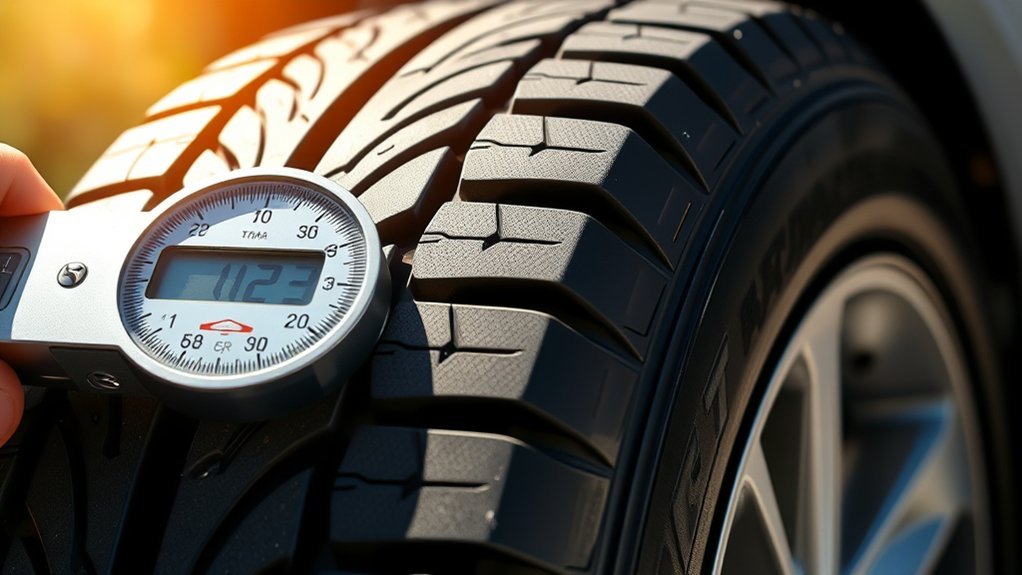
You should replace your Hyundai Sonata tires based on tread depth, age, visible damage, and uneven wear—not mileage alone. The quick rule is simple: start planning replacement around 4/32 inch if you drive in rain, replace immediately at 2/32 inch, and replace aged or damaged tires even if the tread still looks usable.
Quick Answer
Replace Hyundai Sonata tires when tread reaches 2/32 inch, when wear bars are flush, when you see cracks, bulges, exposed cord, or sidewall damage, or when the tires are over six years old. At 4/32 inch, begin shopping or replace sooner if you often drive in rain.
Key Takeaways
- The penny test checks the 2/32-inch minimum, not the 4/32-inch wet-weather planning point.
- Use a quarter or tread-depth gauge if you want to catch wear around 4/32 inch.
- Hyundai Sonata tires should also be replaced for age, cracks, bulges, exposed cords, puncture damage, vibration, or uneven wear.
- Check tread, pressure, and sidewalls at least monthly and before long trips.
At a Glance
| Time Required | About 5 minutes for all four tires |
| Difficulty | Easy DIY check |
| Tools Needed | Penny, quarter, tread-depth gauge, flashlight, tire-pressure gauge |
| Cost | $0 for coin checks; a tread-depth gauge is usually inexpensive; replacement cost varies by size, tire type, and installation |
Why Tread Depth Matters for Your Hyundai Sonata
Tread depth affects how well your Hyundai Sonata can grip, brake, steer, and move water away from the tire. That matters most in rain, standing water, slush, and snow. Hyundai notes that tire tread helps provide traction and displace water, and the National Highway Traffic Safety Administration says tread should be at least 2/32 inch on all tires.
The safer way to think about tread depth is not one single number. Use the guide below:
| Tread Depth | What It Means | What To Do |
| 6/32 inch or more | Usually acceptable for normal driving if wear is even and the tire is not old or damaged | Keep checking monthly |
| 4/32 inch | Wet-road braking and control are reduced compared with new tires | Start shopping; replace sooner if you drive in heavy rain or poor weather |
| 3/32 inch | Very little safety margin in wet conditions | Replace soon; avoid pushing the tires in bad weather |
| 2/32 inch or less | Minimum wear-bar threshold; tire is worn out | Replace immediately |
AAA testing found that tires worn to 4/32 inch had 42% to 44% longer wet stopping distances than new tires, depending on the test vehicle.
Warning: Do not wait for tread depth if a tire has a sidewall bulge, exposed cord, deep cracks, severe vibration, or damage from impact. Have the tire inspected before driving further, or replace it immediately if a professional says it is unsafe.
Check Your Tread Depth With a Penny
The penny test is useful, but it is often misunderstood. It tells you when a tire is near the worn-out 2/32-inch point. It does not reliably tell you whether the tire is at 4/32 inch.
To do the penny test:
- Park your Sonata on level ground and turn the steering wheel so you can see the front tire tread clearly.
- Place a penny into a main tread groove with Lincoln’s head facing down.
- If you can see the top of Lincoln’s head, the tread is at or near 2/32 inch, and the tire needs replacement.
- Repeat the test in the inner, center, and outer grooves on every tire.
For the 4/32-inch range, use a quarter test or, better, a tread-depth gauge. A gauge is more accurate because tire wear is often uneven across the tread.
Pro Tip: Measure each tire in at least three places: inner edge, center, and outer edge. If one side is much lower than the other, your Sonata may need alignment, rotation, balancing, or suspension service.
How to Identify When to Replace Your Sonata Tires
Replace your Hyundai Sonata tires when any of these conditions apply:
- Tread is 2/32 inch or less: Replace immediately. The tire has reached the common minimum tread threshold.
- Tread is around 4/32 inch: Start shopping or replace now if you often drive in rain, on highways, or in poor weather.
- Wear bars are flush: Most tires have built-in treadwear indicators. When those bars are level with the tread, the tire is worn out.
- The tire is over six years old: Check the DOT/TIN date code and compare it with your model-year owner’s manual guidance.
- You see cracks, bulges, cuts, punctures, or exposed cord: Do not rely on tread depth alone. Damage can make a tire unsafe even with good tread.
- Wear is uneven: Bald shoulders, center wear, cupping, feathering, or one tire wearing faster than the others can point to pressure, alignment, rotation, or suspension problems.
- The car vibrates, pulls, or feels unstable: Have the tires, wheels, alignment, and suspension checked.
Also check the tire placard on the driver-side door pillar for your Sonata’s correct cold tire pressure and original tire-size information. Hyundai recommends following the tire placard and checking tires at least once a month. You can also use the official MyHyundai manuals and warranties page to confirm guidance for your exact model year.
Note: Tire pressure affects wear. Underinflated tires can wear on both shoulders, overinflated tires can wear in the center, and poor alignment can wear one edge faster than the rest of the tread.
[Products Worth Considering]

Accurately measure tire tread depth with a calibrated gauge marked from 0 to 1 inch in 1/32 inch increments. The color-coded bar helps you quickly identify tread condition ranges, supporting safe driving for trucks, motorcycles, automobiles, and passenger vehicles.

Measure tire tread depth quickly and accurately with this LUMITECO dial gauge that reads in 1/32" increments up to 14/32". The color-coded green/yellow/red zones make it easy to judge tire wear and know when replacement is needed. A rugged, compact design with a protective pouch helps keep the gauge ready for use on cars, trucks, motorcycles, and more.

Monitor tire tread wear with a smart, color-coded depth gauge that shows clear condition ranges at a glance. The bar is range marked for fast, easy readings, helping you maintain safer traction and performance. Each gauge is portable with a pocket clip, and the set includes 20 units for daily use and sharing.
How Tire Age Affects Safety
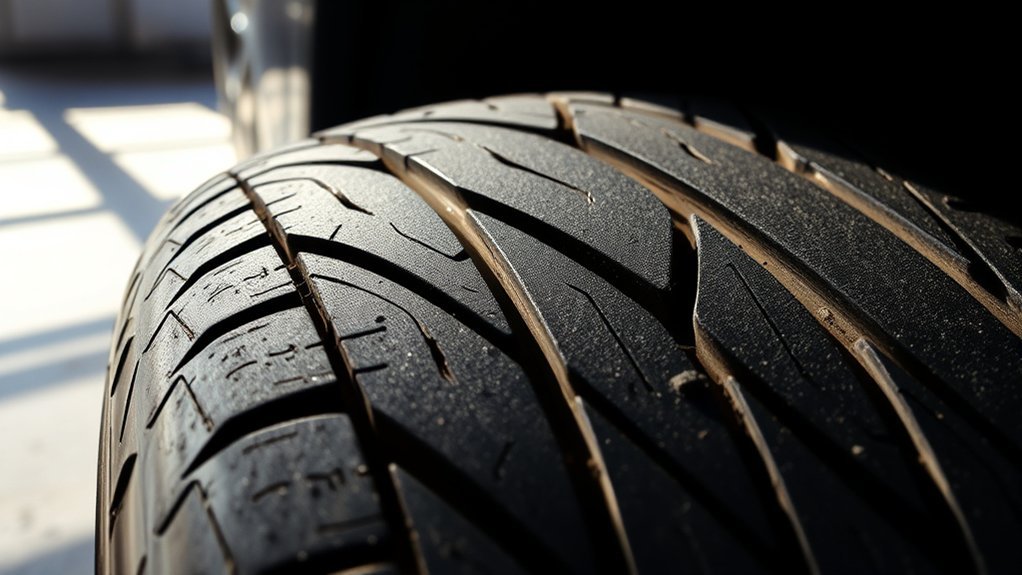
Tires age even when the car is parked. Heat, sunlight, road chemicals, oxygen, and time can harden rubber and weaken the tire structure. That is why an old tire can be unsafe even if the tread depth looks acceptable.
Hyundai owner guidance for the Sonata states that tires degrade over time and recommends replacing tires after six years of normal service, regardless of remaining tread. It also notes that tires over six years old, including the spare, should be replaced based on the manufacturing date.
To check tire age, look for the DOT/TIN code on the sidewall. The last four digits show the week and year the tire was made. For example, a code ending in 2519 means the tire was manufactured in the 25th week of 2019.
Replace or professionally inspect the tire if you notice:
- Cracks in the tread grooves or sidewall
- Bulges, blisters, or bubbles
- Dry, brittle rubber
- Exposed steel or fabric cord
- Repeated air loss
- Damage after hitting a pothole, curb, or road debris
[Products Worth Considering]

The SAFELIFE dial tire tread depth gauge measures tread depth in 1/32 inch increments with clear, easy-to-read 2-inch dial face. Color zones using a traffic light system help you quickly judge whether tread is low, marginal, or ample for safer driving. Built with a durable zinc cast body and a metal detect probe for precise, comfortable use across cars, motorcycles, trucks, and buses.

Measure tyre tread depth precisely with a digital gauge that reads in both MM and inches, helping you monitor safe driving conditions. The large LCD screen is easy to operate, and the compact tool fits for cars, trucks, and motorcycles. It provides high accuracy with a 0-25.4mm range and includes a 1-year warranty for added peace of mind.

Milton S-921 pencil tire pressure gauge helps you maintain optimal tire pressure for passenger cars with accurate readings in PSI and kPa. It features a built-in deflator valve for convenient pressure adjustments, plus a single chuck head and nylon indicator bar for easy use on the go. Built from durable plated brass and designed for reliable performance, it’s a practical road trip and cold-weather maintenance tool.
When to Seek Professional Tire Services
Reach out to a Hyundai dealer, tire shop, or qualified technician when your tread is close to the replacement point, when wear is uneven, or when you see any tire damage. A professional can measure tread depth accurately, inspect the inside of the tire when needed, check wheel balance, look for alignment issues, and confirm whether a puncture is repairable.
Schedule tire service right away if:
- Your Sonata’s tires are at 2/32 inch or the wear bars are flush.
- You measure around 4/32 inch and drive frequently in rain or at highway speeds.
- One tire is wearing faster than the others.
- You see sidewall cracks, cuts, bubbles, or exposed cord.
- The steering wheel shakes, the vehicle pulls, or the ride suddenly changes.
- Your tire-pressure warning light comes on repeatedly.
- Your tires are over six years old or the DOT date is hard to read.
When buying replacement tires, match the size, load index, speed rating, and tire type recommended for your Sonata. The Hyundai tire service page notes that proper tread and tire pressure are important for traction, handling, braking, and safe driving in different weather conditions.
[Products Worth Considering]

AstroAI’s heavy-duty digital tire pressure gauge delivers quick, accurate readings with 0.1 increments and a secure valve-stem seal. It features a green backlit LCD and built-in flashlight for easy use in low light, plus an ergonomic non-slip stainless-steel design. The wide 0–230 PSI range works across common vehicle tires, with unit selection and an auto shut-off to save battery.

Stay on top of tire pressure with a factory-calibrated digital gauge accurate to ±1 PSI and readable in 0.1 increments. It features a bright backlit LCD plus a illuminated nozzle for easy readings in low light, with auto-off power saving for longer battery life. Switch quickly between PSI, Bar, Kgf/cm², and KPA using a single button, and cover most everyday vehicles with a 0–150 PSI range.

TIRESHIELD PRO RV tire covers in a set of four deliver year-round protection against UV rays, cracking, fading, water, and snow. The StormLock-System helps keep the covers securely fastened through high wind, while heavy-duty, double-stitched construction supports long-lasting performance. Designed for universal fit, they’re intended for RV, camper, truck, car, and trailer tires within the 26–28.75 inch diameter range, with easy wipe-clean care and storage in the included bag.
Monthly Hyundai Sonata Tire Checklist
Use this quick checklist once a month and before road trips:
- Check cold tire pressure with a gauge.
- Measure tread depth on all four tires.
- Look for cracks, cuts, nails, bubbles, and exposed cord.
- Compare inner, center, and outer tread wear.
- Check the spare tire if your Sonata has one.
- Confirm the DOT date code if the tires are getting older.
- Rotate tires according to your owner’s manual or service schedule.
- Schedule alignment service if the car pulls or the tread wears unevenly.
Frequently Asked Questions
How long do Hyundai Sonata tires last?
There is no single mileage number for every Hyundai Sonata tire. Tire life depends on the tire model, treadwear rating, driving style, climate, road conditions, pressure, rotation, alignment, and load. Replace based on tread depth, tire age, damage, and uneven wear instead of mileage alone.
Is 4/32 inch tread depth safe?
A tire at 4/32 inch is not usually at the legal worn-out point, but wet-road performance is already reduced. Treat 4/32 inch as the point to start shopping, and replace sooner if you drive in rain, heavy traffic, or highway conditions.
Does the penny test show 4/32 inch tread depth?
No. The penny test is a rough check for about 2/32 inch. If the top of Lincoln’s head is visible, the tire is worn out and should be replaced. Use a quarter or tread-depth gauge to check closer to 4/32 inch.
Should I replace Sonata tires even if the tread still looks good?
Yes, if the tires are old, cracked, bulging, repeatedly losing air, or damaged. Hyundai owner guidance recommends replacing tires after six years of normal service, regardless of remaining tread. Always check the DOT manufacture date and your exact model-year manual.
What is the best way to measure tire tread depth?
A tread-depth gauge is the best DIY tool because it gives a direct measurement in 32nds of an inch. Coin tests are helpful for quick checks, but they are less precise and can miss uneven wear.
Conclusion
Keeping your Hyundai Sonata safe starts with knowing what your tires are telling you. Use the penny test for the 2/32-inch worn-out point, use a quarter or tread-depth gauge to catch the 4/32-inch wet-weather warning zone, and never ignore age, cracks, bulges, exposed cord, or uneven wear. A five-minute monthly tire check can help you replace tires before traction, braking, or handling becomes a problem.
Sources
- NHTSA Summer Driving & Road Trip Tips — backs the 2/32-inch tread minimum, penny test, monthly inspection, uneven wear, and age-check guidance.
- U.S. Tire Manufacturers Association Tire Care Essentials — backs 2/32-inch tread guidance and monthly visual tire checks.
- Michelin Tire Tread Depth Guide — backs penny-test interpretation and tread-depth gauge recommendations.
- AAA All-Season Tire Testing Report — backs the wet stopping-distance impact of tires worn to 4/32 inch.
- Hyundai Tires, Tire Replacement & Tire Service — backs Hyundai tire-service, tread, pressure, and inspection guidance.
- MyHyundai Manuals & Warranties — official lookup for model-year Sonata owner’s manuals and tire guidance.