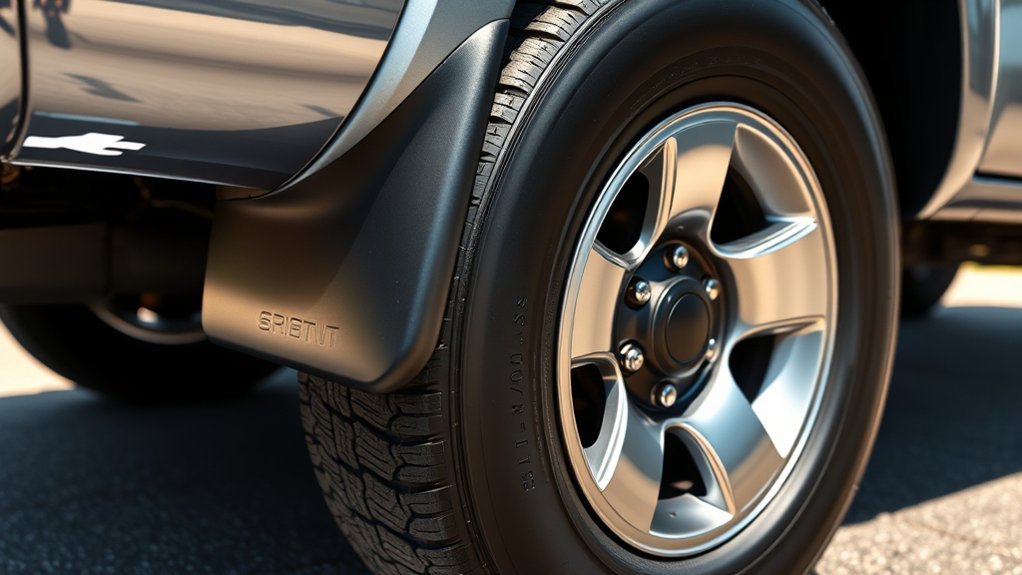
What Is Wheel Backspacing and Why It Matters?
The wrong wheel backspacing can make your Toyota Tacoma rub, wander, or look different than you expected. A small change can move the tire closer to the suspension or push it out toward the fender. This guide explains how backspacing works, how it relates to offset, and what to check before you choose Tacoma wheels.
Quick Answer
Wheel backspacing on your Toyota Tacoma is the distance from the back edge of the wheel to the mounting surface. More backspacing moves the wheel inward toward the suspension. Less backspacing pushes the wheel outward toward the fender, which can add stance but may increase fender rub.
Key Takeaways
- More backspacing pulls the wheel inward and can reduce tire poke.
- Less backspacing pushes the wheel outward and can create a wider stance.
- Wheel width, offset, tire size, lift height, and alignment all affect fitment.
- Test fit wheels before buying when you plan to run larger tires.
- Ask a qualified installer to check clearance if your Tacoma has suspension changes.
What Is Wheel Backspacing and Why It Matters?
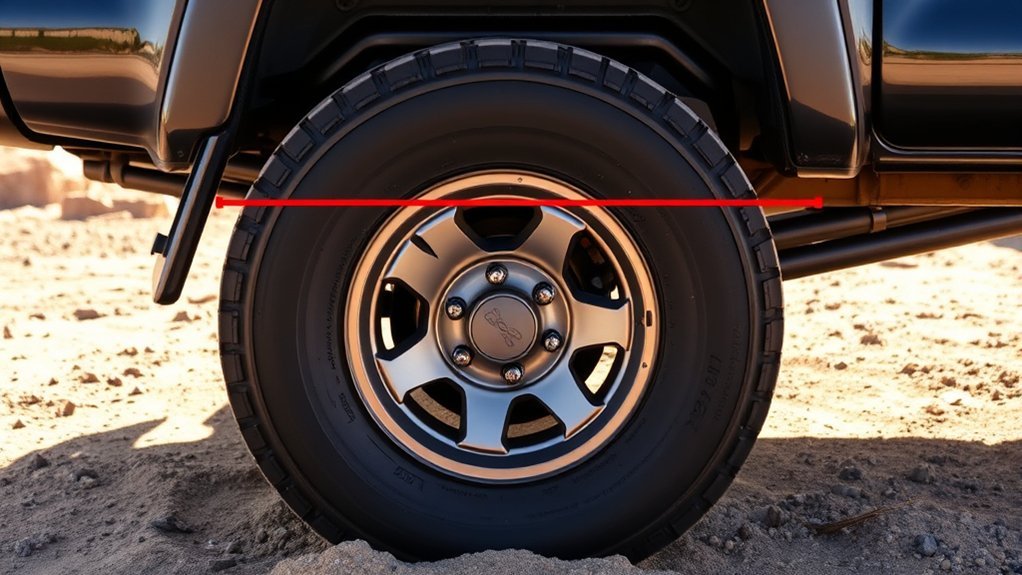
Wheel backspacing is the distance from the inner edge of the wheel to the mounting pad. The mounting pad is the flat surface that bolts against your Tacoma’s hub.
This number affects where the tire sits under the truck. More backspacing pulls the wheel inward. Less backspacing pushes the wheel outward and creates more poke.
Backspacing matters because your wheels need space around the fenders, upper control arms, brake parts, and suspension. The right setup helps your Tacoma look right and drive well.
How Backspacing Affects Tacoma Fitment and Performance
Backspacing changes the way your wheels sit in the wheel wells. It also affects tire clearance during turns, bumps, and suspension travel.
| Backspacing (inches) | Wheel Position | Potential Issues |
|---|---|---|
| 4.5 | More outward | More fender poke and possible fender rub |
| 5.0 | Moderate | Balanced fitment for many setups |
| 5.5 | More inward | Possible upper control arm or inner clearance issues |
Smaller backspacing can give your Tacoma a wider, more aggressive stance. That look can come with more fender contact, especially with wide tires.
Larger backspacing can tuck the tire closer to the suspension. That may reduce outer fender poke, but it can also bring the tire closer to suspension parts.
Warning: Poor wheel clearance can damage tires, fenders, liners, or suspension parts during normal driving.
[Products Worth Considering]

Turtle Wax Hybrid Solutions Hyper Foam Wheel and Tire Cleaner uses an advanced high-foaming formula that clings to wheels and tires to dissolve tough road grime, embedded brake dust, and light iron deposits. It helps restore black tires while prepping surfaces for tire shine or protective coatings. The pH-balanced cleaner is safe for all wheel finishes and includes corrosion-repellent polymers that reduce future contaminant build-up.

These aluminum alloy tire valve stem caps with an O-ring seal help protect valve stems from corrosion while adding a clean, stylish look to your vehicle. The universal fit works across cars, trucks, motorcycles, bicycles, and more, making them an easy upgrade for everyday driving and off-road use. Installation is quick, and the included four-pack keeps all your tires dressed and protected.

Upgrade your Toyota’s wheels with durable aluminum alloy valve stem caps that help protect valve cores from corrosion and direct exposure to road grime, clay, water, and snow. Rubber rings improve sealing to help prevent air leakage and maintain stable tire pressure for safer driving. These caps are easy to install or remove without tools and add a unique, stylish look to your car.
How Backspacing and Offset Work Together?
Backspacing and offset both describe wheel position, but they use different reference points. Backspacing uses the distance from the inner wheel edge to the mounting pad.
Offset measures the mounting pad from the wheel centerline. Positive offset moves the wheel inward. Negative offset moves it outward.
For example, a 17×9 wheel with a +12 mm offset has more backspacing than the same wheel with a -12 mm offset. That means the +12 mm wheel sits farther inward than the -12 mm wheel.
You need both numbers when you compare wheels. Wheel width changes the relationship between offset and backspacing, so offset alone doesn’t tell the full fitment story.
Key Factors for Selecting Tacoma Wheel Backspacing
Selecting the right wheel backspacing for your Toyota Tacoma starts with your full setup. Tire size, wheel width, offset, lift height, and alignment all work together.
Many Tacoma owners shop in the 4.5 to 5.5 inch backspacing range, but that range doesn’t fit every build. A stock truck, lifted truck, and long-travel truck may need different wheel positions.
Before you buy, check these fitment factors:
- Wheel diameter and width
- Tire width and overall tire height
- Suspension lift height and upper control arm design
- Fender liner, mud flap, and body mount clearance
- Alignment settings, especially caster
A 17×8.5 wheel with about zero offset often lands near 4.75 inches of backspacing, depending on wheel design. Always confirm the exact wheel specs from the manufacturer.
Pro tip: Test fit one front wheel and turn lock-to-lock before mounting every tire.
[Products Worth Considering]

These universal tire valve stem caps help protect valve cores from dust, debris, and moisture while helping maintain stable tire pressure. The corrosion-resistant metal construction and sealed design provide reliable protection in road grime, mud, and winter conditions. Twist-on installation makes them quick to fit on cars, SUVs, trucks, and motorcycles.

This 3-piece wheel and tire brush set makes it easy to clean light, medium, and heavy dirt from wheels, rims, tires, and exterior surfaces. It includes both soft and stiff bristle options for gentle scrubbing and tough grime removal, helping lift brake dust and road buildup. The long-handle design supports comfortable cleaning across cars, trucks, SUVs, RVs, motorcycles, and more, with simple care instructions to restore brush shape.

Replace or upgrade your zero-turn lawn mower tires with a universal fit flat-free tire and wheel assembly in a convenient 2-pack. Smooth tread front-caster style helps turning with reduced turf damage, while flat-free design eliminates the maintenance and downtime of air-filled flats. The included adapter kit supports 5/8-inch axles and hub lengths from 3.4 to 5 inches for compatibility across most ZTR mowers.
What Backspacing Works Best for Common Tacoma Setups?
No single backspacing number works for every Tacoma. Your best choice depends on how much tire you want to run and how much trimming you accept.
| Tacoma Setup | Common Goal | What to Check |
|---|---|---|
| Mostly stock | Clean fit with little rubbing | Inner suspension and mud flap clearance |
| Mild lift | Larger tire with balanced stance | Fender liner and upper control arm clearance |
| Aggressive stance | More poke and wider track | Fender trimming and body mount clearance |
| Off-road focused | Clearance during suspension travel | Full compression and steering clearance |
Use these examples as a starting point, not a final answer. A wheel shop or off-road installer can measure your truck and spot clearance issues before you spend money.
[Products Worth Considering]
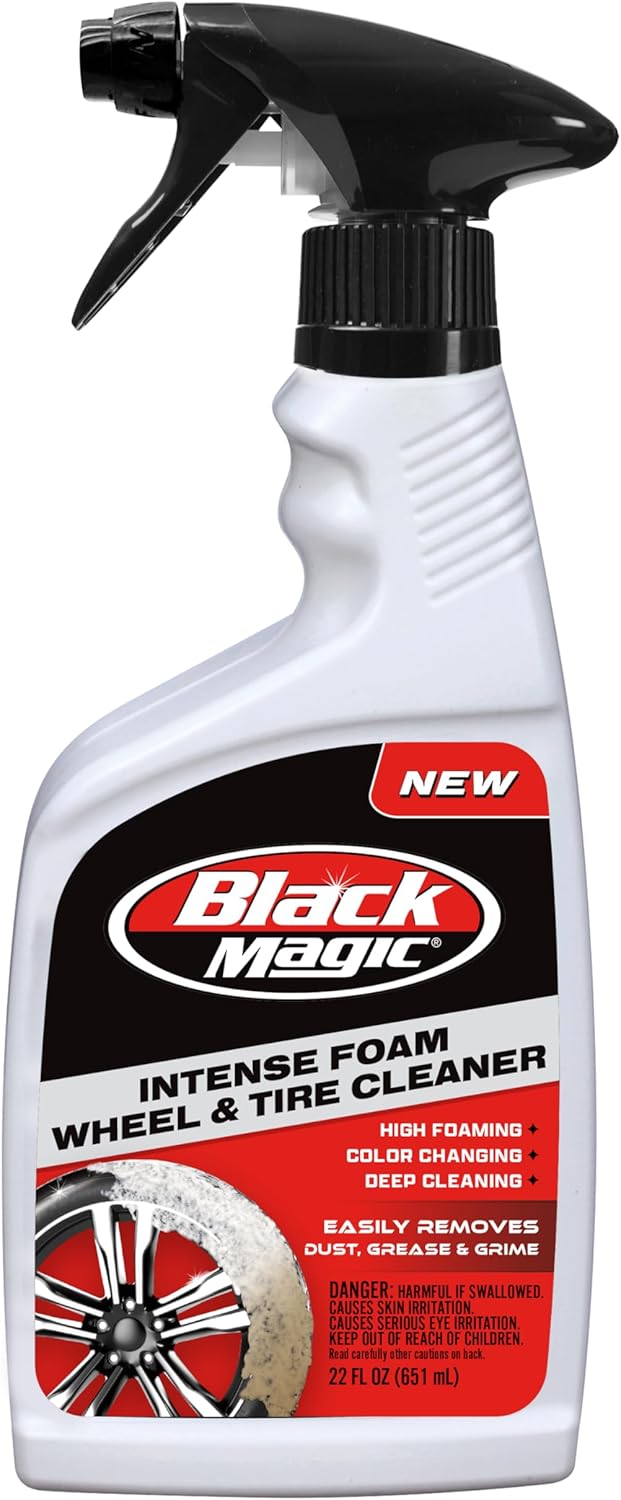
Black Magic Intense Foam Wheel & Tire Cleaner uses a high-foaming action to lift away dirt, grime, and brake dust without scrubbing. The color-changing formula helps show contaminants being dissolved as foam turns from white to brown. Safe for all wheel types and even wheel wells, it leaves a like-new, slick finish with a fresh cherry scent.

The Ziopetru adjustable magnetic wheel alignment tool helps you check and restore camber and caster positioning after removing and reinstalling undercarriage components. With a clear leveling/bubble measurement system and an easy zeroing adjustment knob, it supports precise horizontal angle checking. The strong magnetic base mounts to metal surfaces for convenient use at home on cars, motorcycles, trucks, vans, and SUVs.

Replace worn wheelchair rear tires with a universal 24x1 no-flat polyurethane foam option designed to mount tightly on 24-inch rims without the tire falling off. Installation is made easier with included tools and multiple methods, including using a pry bar or softening the tire in hot water to reduce resistance. The package includes two tires plus tie ropes for convenient fitting and handling.
Avoid These Common Backspacing Mistakes for Tire Clearance
Your Tacoma may rub even when the wheel specs look close on paper. Small changes in tire brand, tread width, and alignment can change the final result.
| Mistake | Clearance Solution |
|---|---|
| Choosing too much backspacing | Check upper control arm and inner clearance |
| Choosing too little backspacing | Check fender, liner, and body mount clearance |
| Ignoring wheel width | Match width, offset, and backspacing together |
| Forgetting suspension changes | Measure clearance after lifts or control arm upgrades |
| Skipping a test fit | Mount one wheel first and check steering clearance |
Don’t rely only on photos of another Tacoma. The same wheel can fit differently when tire size, trim level, suspension parts, or alignment specs change.
Note: Backspacing can help tire clearance, but it won’t replace correct tire sizing or careful measurement.
Frequently Asked Questions
How Do I Measure Backspacing on My Tacoma Wheels?
Place the wheel face down on a protected flat surface. Lay a straight edge across the inner rim lip, then measure from the straight edge to the mounting pad. That distance is your wheel backspacing.
Can Backspacing Affect My Tacoma’s Handling?
Backspacing can affect handling because it changes track width and the tire’s position against the steering and suspension. A large change can affect steering feel, stability, and wear on related parts. Stay close to proven Tacoma fitments unless you know your setup needs more change.
What Are the Typical Backspacing Measurements for a Tacoma?
Many aftermarket Tacoma wheels fall between about 4.5 and 5.5 inches of backspacing. That range can support many mild builds, but it doesn’t guarantee clearance. Always compare the exact wheel, tire, and suspension setup.
How Does Backspacing Influence Tire Selection?
Backspacing affects tire selection because it changes where the tire sits in the wheel well. A wider or taller tire needs more clearance at the fender, liner, body mount, and suspension. The best tire size depends on both the wheel specs and the truck setup.
Will Changing Backspacing Void My Warranty?
Changing wheel backspacing usually doesn’t void your whole warranty by itself. Still, a dealer may deny coverage for a problem if the wheel setup caused or contributed to the failure. Ask your dealer before you make major wheel, tire, or suspension changes.
Conclusion
Wheel backspacing controls how far your Tacoma’s wheels sit inward or outward. Choose it with wheel width, offset, tire size, lift height, and suspension clearance in mind. Before you buy, measure carefully or test fit a wheel on the front axle. The right setup gives your Tacoma a cleaner stance, safer clearance, and more confidence on the road or trail.