
Last updated: July 7, 2026
Quick answer: TL on a tire means tubeless. A TL tire is designed to hold air without a separate inner tube, but only when it sits on a compatible airtight rim with the right valve and bead seat. For cars and light trucks, TL does not mean you should lower the pressure. Use the vehicle’s tire placard or owner’s manual, then treat any puncture, bead leak, or rim mismatch as a safety issue.
What Does “TL” Mean on a Tire? (Short Answer and Why It Matters)
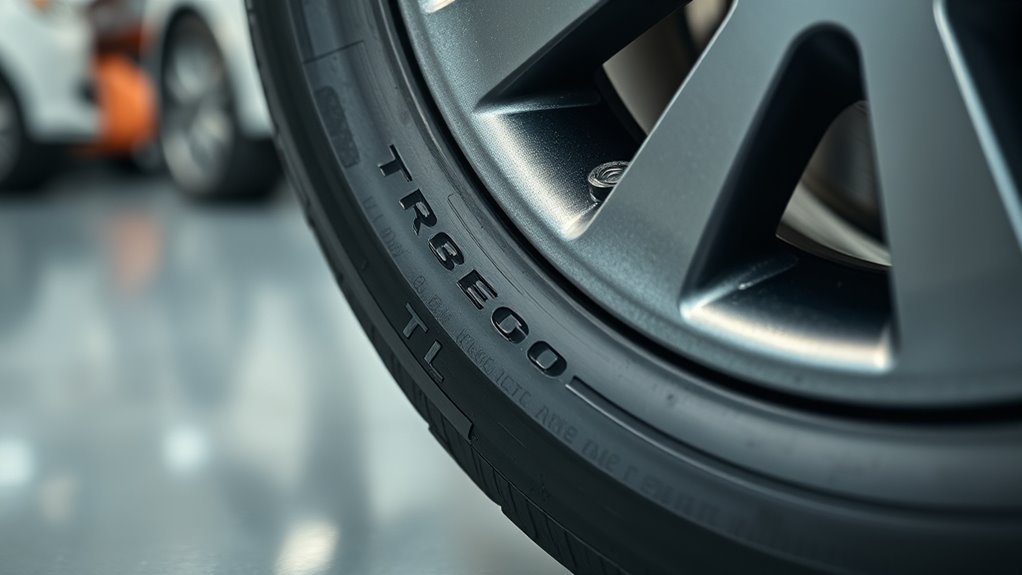
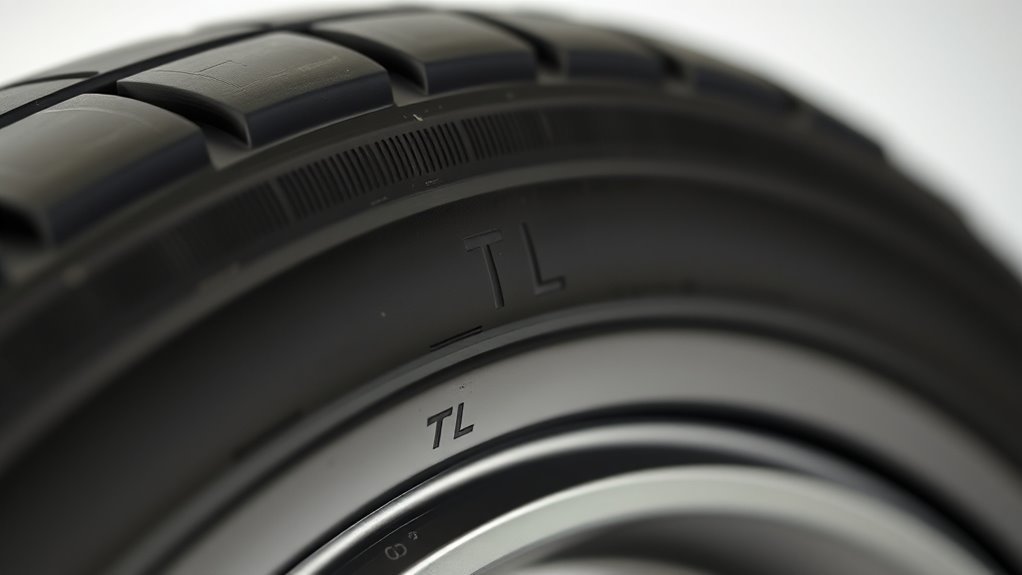
TL means “Tubeless.” The tire is built to seal air between the tire bead and a compatible rim instead of using an inner tube. That difference affects rim choice, puncture behavior, roadside repair options, and how closely you must follow mounting instructions.
The TL mark is useful because it tells you what system the tire was designed for. A TL tire can work correctly only when the rim can hold air at the bead, valve, and rim bed. A tube-type rim, damaged rim, or unapproved conversion can cause leaks, bead seating problems, or sudden pressure loss.
| Marking | Meaning | What It Means for You |
|---|---|---|
| TL | Tubeless | Use on an approved airtight rim without an inner tube. |
| TT | Tube type | Use with the correct inner tube. |
| TL + tube | Conditional setup | Use only if the tire, tube, rim, and vehicle maker allow it. |
Key Takeaways
- TL means tubeless, not run-flat, extra-load, or puncture-proof.
- A TL tire needs a compatible rim, valve, bead seat, and mounting method to seal safely.
- For cars and light trucks, set pressure from the door placard or owner’s manual, not from the TL marking.
- Traditional spoked rims usually need a tube unless the rim is built or approved for tubeless use.
- Small tread punctures may be repairable, but sidewall, shoulder, and internal damage usually require replacement.
How Do Tubeless (TL) Tires Seal Without an Inner Tube?
Tubeless tires create an air chamber between the tire and rim. The tire bead presses against the rim seat, the valve seals at the rim, and the tire’s inner liner helps hold air inside the casing. Most passenger-car TL tires rely on this liner and bead seal rather than liquid sealant.
Sealant is more common in bicycle, off-road motorcycle, and some emergency repair systems. It can slow small leaks, but it is not a replacement for correct mounting, proper pressure, or professional inspection after a puncture.
Proper rim profile is essential. A mismatched bead seat can compromise the seal and create a safety risk. Inspect bead seating, valve condition, and rim damage whenever a TL tire loses pressure repeatedly.
| Component | Function | Benefit |
|---|---|---|
| Inner liner | Airtight membrane | Baseline air retention |
| Bead/rim | Mechanical seal | Stable seating |
| Valve | Seals at the rim | Controlled inflation and pressure checks |
| Sealant | Optional small-puncture aid | Temporary leak control in approved systems |
Tubeless (TL) vs Tube (TT): Performance and Safety
The main difference is where the air is held. A TL tire holds air inside the tire-and-rim assembly. A TT tire uses a separate inner tube to hold air. That one design change affects heat, puncture behavior, mounting, and roadside repair.
When a small tread puncture occurs, a tubeless tire often loses air more gradually because air escapes through the injury rather than through a torn tube. A tube-type tire can still deflate quickly if the tube tears or the valve stem fails. Both designs can become dangerous if you keep driving or riding while pressure is low.
TL does not automatically mean better in every situation. Tube-type setups still make sense for many older motorcycles, some spoked wheels, utility equipment, and rims that were not designed to seal air. Match the tire type to the rim, load, speed rating, and vehicle manufacturer’s guidance.
[Products Worth Considering]

Switch to tubeless with this Muc-Off rim tape designed to create an airtight seal for smooth-running setups. The pressure-sensitive adhesive offers the right stretch for strength and durability, while the semi-transparent material helps you locate the valve hole quickly. It includes four seal patches for a secure finishing seal after wrapping.

Use this tire repair rubber screw kit for fast, self-service flat fixes on the road. Choose the matching short or long nail size and twist it into the puncture without removing the tire from the rim. Compact storage keeps the emergency set organized for cars, motorcycles, electric bikes, and bicycles, helping you seal tubeless leaks quickly and reliably.

This 61-piece tire repair screw kit helps you fix punctures quickly by aligning the screw plugs and twisting clockwise, finishing the repair in seconds. The self-sealing plugs create a reliable seal for many roadside situations without needing a jack, wrench, or glue. It includes two plug sizes and a screwdriver in a portable case, making it a convenient option for cars, motorcycles, trucks, bikes, ATVs, and tractors.
Can You Mount a TL Tire on Spoked or Tube-Type Rims?
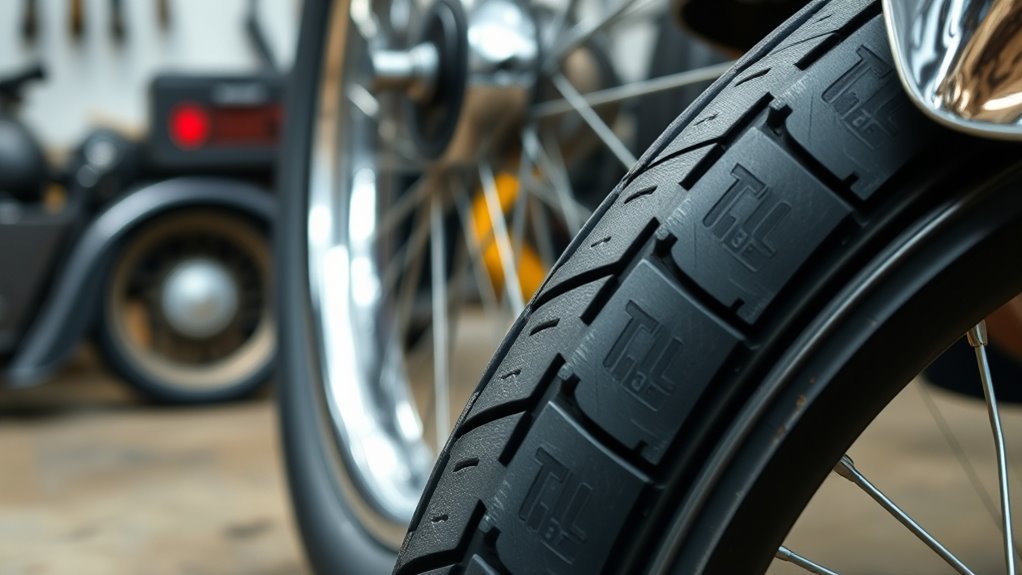
You can often physically fit a TL tire on a spoked rim, but that does not mean it can run tubeless. Traditional spoked rims usually have spoke holes through the rim bed, so air can escape unless the rim was built with an airtight design or approved conversion.
On many motorcycles and dual-sport bikes, a TL tire may be used with a tube when the rim is not tubeless-ready and the tire maker permits that setup. Confirm tube size, speed rating limits, heat concerns, and valve fit before mounting. Do not assume a tube solves every compatibility problem.
Always follow manufacturer guidance for safe, reliable mounting. If the tire sidewall, rim manual, or vehicle manual conflicts with general advice, follow the manufacturer or ask a qualified tire technician.
[Products Worth Considering]

Get back on the road fast with this compact tire plug repair kit for tubeless tires. It includes self-vulcanizing rubber plugs, T-handle rasp and insert tools, and a storage box that fits in your glove compartment for easy access. Also included are a 4-way valve steam tool set with valve cores and caps for added roadside convenience.

Wykodra tire plugs provide quick vulcanizing repairs for tubeless tires, helping you seal punctures and get back on the road. The industrial-strength rubber creates a long-lasting, leak-resistant bond and is designed for emergency fixes without removing the tire. Choose between two standard plug sizes with color-matched options for small to larger damage across many vehicles and off-road uses.

This tire repair kit provides fast emergency puncture repair without removing the tire from the rim, helping you get back on the road quickly. Its screw plug system is designed for punctures in both tread and sidewall and includes a complete patch plug tool set with essential accessories. A portable storage bag makes it easy to carry for cars, trucks, SUVs, motorcycles, and heavy-duty applications.
What Makes a Rim Tubeless-Ready?
A tubeless-ready rim has the right bead seat profile, valve opening, and airtight rim bed. The bead seat must hold the tire bead securely, while the valve and rim bed must prevent air from leaking around spoke holes or seams.
Standard spoked rims with open spoke holes will not hold air without a tube unless they have an approved tubeless design or a certified conversion. A conversion kit typically includes sealing tape, a tubeless valve, and setup instructions. Before converting, confirm your rim manufacturer approves the rim for tubeless use.
- Check whether the rim is marked tubeless, tubeless-ready, TSS, TLR, UST, or another manufacturer-approved designation.
- Inspect the rim for dents, corrosion, damaged tape, or valve leaks before installing a TL tire.
- Never exceed the pressure limit printed by the tire or rim maker, especially on bicycle hookless rims.
How to Read Tire Sidewall Markings That Show TL and Load/Speed
Tire sidewall markings tell you more than the tubeless designation. “TL” confirms a tubeless design. “TT” indicates tube type. The load index, a number such as 91, shows the tire’s rated carrying capacity. The speed symbol, a letter such as V, shows the tire’s approved speed category.
The sidewall also shows tire size, construction type, direction of rotation when applicable, and a DOT Tire Identification Number on many road tires. Cross-reference the size, load index, and speed rating with the vehicle manual before buying. For cars and light trucks, find the correct cold inflation pressure on the Tire and Loading Information Label or in the owner’s manual, not on the tire’s maximum-pressure marking. See the NHTSA TireWise guidance for pressure, tread, and tire-label basics.
TL Punctures: How They Behave and Practical Repair Options
When a TL tire is pierced in the tread, air often escapes more slowly than it would from a torn inner tube. You may notice pressure loss, a TPMS warning, handling changes, or visible damage before the tire is fully flat. Slow air loss still needs fast attention because underinflation can overheat and damage the tire internally.
Many small tread punctures can be repaired after an inside-and-out inspection. Industry repair guidelines generally limit repairs to the tread area, not the shoulder or sidewall, and larger injuries usually require replacement. Discount Tire summarizes the common repair limits as no shoulder or sidewall damage, no punctures larger than 1/4 inch (6 mm), and no internal damage from running flat. See its flat tire repair guidance for the repairable-area checklist.
If a tire is actively leaking, slow down smoothly, pull to a safe location, avoid hard steering or braking, and get the tire inspected. Temporary sealant or a roadside plug can help you reach service in some cases, but it should not replace a professional repair or replacement decision.
Puncture Leak Behavior
Most small tread punctures in a tubeless tire cause gradual pressure loss. The bead seal and inner liner can keep the remaining air contained long enough for you to notice the problem and stop safely. Larger cuts, bead damage, rim damage, or sidewall injuries can still cause rapid air loss.
For prevention, check tires regularly for embedded debris and monitor pressure at least monthly. Deal with slow leaks promptly because low pressure affects handling, tread wear, fuel economy, and heat buildup.
Repair Options Overview
Repair options depend on the puncture’s size, location, and the tire’s internal condition. A safe permanent repair usually means removing the tire from the wheel, inspecting the inside, filling the injury channel, and applying an internal patch or patch-plug combination.
- Use sealant only when the tire or repair kit approves it. Treat it as temporary unless the product states otherwise.
- Use roadside plugs only as a temporary way to reach service when conditions allow.
- Replace tires with sidewall, shoulder, bead, or internal damage. Repairs are not safe in those areas.
Emergency Repair Steps
Pull over to a safe, level spot and switch on the hazard lights. Look for a TPMS warning, hissing, a visible object in the tread, or a fast pressure drop. Avoid driving farther than necessary on a soft or flat tire.
Gather your repair tools: an approved tire plug kit or tubeless sealant, gloves, a pressure gauge, and an inflator. Remove the foreign object only when you are ready to seal or plug the puncture.
For a small tread puncture, follow the kit instructions, then inflate to the recommended pressure and check for leaks. Drive slowly to a tire shop for an inside inspection and permanent repair decision.
If the damage is large or the bead, rim, or sidewall is compromised, do not attempt a roadside repair. Replace the tire, install the spare, or call roadside assistance.
Real-World TL Benefits for Drivers and Fleets (Fuel, Safety, Cost)
Tubeless tires help most modern drivers by removing the separate inner tube from the system. That reduces tube-related failures, simplifies many tread repairs, and can give you more warning after small punctures. For fleets, the biggest payoff is usually less downtime from tube failures and faster service when a repairable tread puncture occurs.
Do not treat TL as a fuel-economy guarantee. Rolling resistance depends on tire design, tread compound, size, load, pressure, and alignment. The most reliable fuel and safety gains come from correct inflation, rotation, alignment, and choosing a tire with the right load and service rating.
- Longer controlled air loss after some small tread punctures can help you reach a safe stop.
- No inner tube means fewer tube pinch, tube-chafe, and valve-tear issues.
- Correct pressure and maintenance matter more than the TL letters alone.
Choosing Between TL and Tube Tires for Your Vehicle Type
The right tire depends on the rim and vehicle first, then terrain and repair needs. Most modern passenger cars and light trucks use tubeless tires on airtight wheels. Older motorcycles, many spoked motorcycle wheels, bicycles, trailers, farm equipment, and utility equipment may still use tube-type setups or mixed TL-with-tube arrangements.
If your rim is tubeless-ready, a TL tire is usually the natural choice. If your rim is not airtight, use the tire and tube setup the manufacturer specifies. Do not convert rims or mix tubes, TL tires, and high-speed applications without written approval from the tire or rim maker.
| Use Case | Better Starting Point | Check Before Mounting |
|---|---|---|
| Modern cars and light trucks | TL | Door placard size, load, speed, pressure |
| Traditional spoked motorcycle rims | TT or TL with tube | Rim airtightness, tube approval, speed limits |
| Tubeless-ready bicycle or motorcycle rims | TL | Rim standard, pressure limit, sealant guidance |
| Older or specialty equipment | Manufacturer specified | Split-rim rules, load rating, service manual |
[Products Worth Considering]

Rhino USA’s 86-piece tire repair kit provides everything you need for quick, emergency flat repairs, including a reamer and plug insertion tool plus 60 reusable tire plugs. The heavy-duty, metal-handled design helps you fix punctures from nails and screws on tubeless tires for cars, trucks, motorcycles, ATVs, UTVs, and more. A high-visibility compact case stores easily for on-the-go use, with illustrated instructions to help you complete repairs with confidence.

Replace worn tires quickly with this universal 4.80/4.00-8 tire and inner tube set designed for wheelbarrows and outdoor utility carts. The ribbed tread helps reduce turf damage while the natural rubber construction supports longer service life. Compatible with 15.5-inch outer diameter, 4-inch width, and 8-inch rim diameter wheels, it uses a straight TR-13 valve stem for easy installation. For best results, inflate with a manual pump and do not exceed 25 PSI.

This ETENWOLF tire plug repair kit helps you quickly fix punctures for reliable rides. It includes two plug sizes to match different damage widths, plus essential tools and lubricant for a smoother repair process. Designed for tubeless tires, it’s a convenient on-the-go solution for cars, motorcycles, ATVs, trucks, jeeps, and tractors.
TL Maintenance Tips to Maximize Tire Lifespan
Keeping tubeless tires properly maintained improves wear, handling, and safety. A few consistent habits prevent most avoidable TL problems.
Check tire pressure monthly and before long trips when tires are cold. For cars and light trucks, use the vehicle placard or owner’s manual. Monitor tread depth with wear indicators or a depth gauge, and replace tires before they fall below the legal or safe limit. Rotate at your vehicle’s recommended intervals to equalize wear. Clean sidewalls after off-road or salty conditions, and store spare tires in a cool, dry place away from sunlight and heat.
- Monthly pressure check, visual tread inspection, and sidewall scan
- Rotation, balance, and alignment according to the vehicle manual
- Valve, rim tape, bead, and sealant checks where your TL system uses them
Frequently Asked Questions
What Does TL Mean on a Tire?
TL means tubeless. A TL tire is designed to hold air without a separate inner tube when mounted on a compatible airtight rim. You still need the correct size, load rating, speed rating, rim type, valve, and inflation pressure.
What Is the TL Code on a Tire?
The TL code is the tubeless designation on a tire sidewall. It tells you the tire was made for a tubeless setup. It does not tell you the tire is run-flat, puncture-proof, or safe on every rim.
Does TL Mean Tubeless?
Yes. TL means tubeless. On a compatible rim, a TL tire seals against the rim without an inner tube. The setup still needs proper mounting, pressure checks, and repair inspection after punctures.
What Is the Difference Between TT and TL Tires?
TT tires are tube-type and require an inner tube. TL tires are tubeless and seal directly against a compatible rim. The differences show up in mounting requirements, puncture behavior, heat management, and repair options.
Can You Use a Tube in a TL Tire?
Sometimes, but only when the tire, tube, rim, and vehicle maker approve it. This setup is common in some motorcycle and off-road applications, but it removes the main tubeless benefit and can add heat or movement concerns.
Does TL Mean Run-Flat?
No. TL only means tubeless. A run-flat tire has separate construction and markings. Do not drive on a flat TL tire unless the tire is specifically rated for run-flat use and you follow the manufacturer’s limits.
Conclusion
When you spot “TL” on a tire sidewall, read it as tubeless. The tire is designed to seal air without an inner tube, but only when the rim, valve, bead seat, and mounting process are compatible.
Use TL as a compatibility clue, not a shortcut. Check the vehicle manual, rim type, load index, speed rating, and cold inflation pressure before mounting or buying. After a puncture, treat roadside fixes as temporary and get the tire inspected before returning it to normal service.

