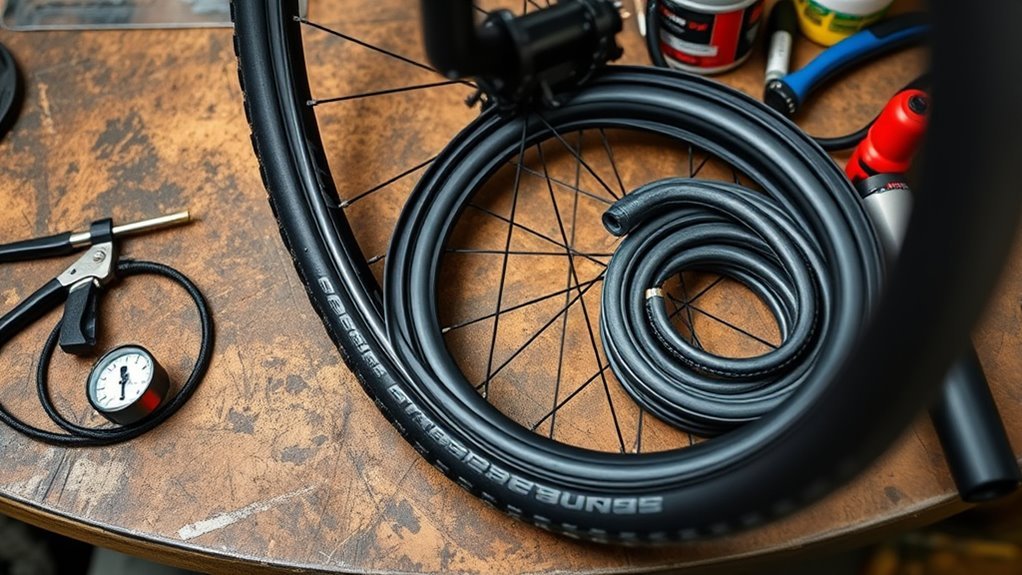
You can sometimes use a different-size inner tube, but you shouldn’t do it casually. Match the tube’s diameter and ISO/ETRTO width range to the tire and rim to avoid folds, overstretching, valve stress, or blowouts. Valve type must fit the rim and pump or you’ll risk leaks and inflation trouble. Install with slight inflation, check for kinks, and ride at correct pressure. Keep going and you’ll learn specific sizing, installation tips, and replacement signs.
Short Answer: Can You Use a Different Inner Tube?
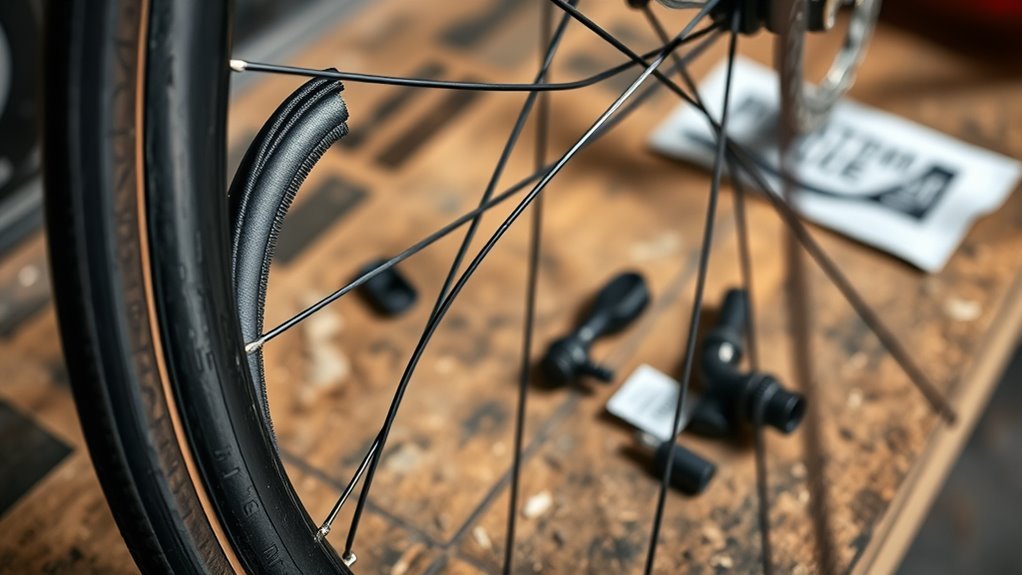
Yes, you can swap tube sizes in a pinch, but don’t treat it as a permanent fix. The diameter must match closely to avoid poor sealing or dangerous stretch. A too-large tube will bunch up and invite pinch flats. A too-small one will overstretch and risk blowouts. Extra tube material can also kink or fold during installation, hurting performance.
If you’re using an alternative tube, take extra care during installation: seat the bead, partially inflate to remove folds, and check for pinches before inflating fully. Ride cautiously after a swap and keep an eye on pressure. Unevenness or sudden pressure loss means the tube doesn’t fit. Aim to get the correct tube size as soon as you can. Temporary swaps work in a pinch, but your safety depends on proper fit.
How Inner Tube Sizing Works (Diameter, Width Range, ISO/ETRTO)
Now that you know a tube swap is only a temporary fix, here’s how tube sizing actually works so you can pick the right replacement.
The ISO/ETRTO sizing system uses two numbers: tire width in millimeters and bead seat diameter in millimeters (for example, 37-622 means a 37 mm wide tire on a 622 mm diameter rim). Get the diameter right first. A 26-inch tube belongs on a 26-inch tire (ISO 559 mm). Width matters too: a tube that’s too narrow risks pinch flats and poor performance, while one that’s too wide makes installation harder and can damage the tube. Stick to the listed width ranges on the tube packaging to keep your ride safe.
- Find your tire’s ISO/ETRTO numbers on the sidewall and pick a matching tube.
- Use tubes whose width range includes your actual tire width.
- Match diameters exactly for long-term use.
Butyl vs. Latex vs. TPU: Tube Materials Compared
The material your inner tube is made from affects weight, puncture resistance, ride feel, and how often you need to top off air.
Butyl rubber is the most common and affordable choice. It holds air well, is easy to patch, and comes in nearly every size. Most riders use butyl for everyday riding and commuting.
Latex rubber tubes are lighter and offer lower rolling resistance, making them popular with racers. The trade-off is that latex loses air faster (you’ll need to inflate before every ride) and is harder to patch. Latex also reacts poorly to some oils and greases, so handle it carefully.
TPU (thermoplastic polyurethane) tubes are a newer option. They’re extremely lightweight (often under 40 g) and pack down small, making them great spares. TPU holds air better than latex but can be pricier. Patching TPU requires a special kit, and not all brands offer one.
Pick the material that matches your priorities: butyl for durability and value, latex for speed, or TPU for weight savings and packability.
[Products Worth Considering]

Ultraverse 700c inner tubes are built for 700x28C to 32C tires and feature a 48mm Presta valve for accurate, secure inflation. The high-elasticity butyl rubber construction helps seal air tightly, resist pressure loss, and absorb road vibrations for a smoother ride. A reinforced valve base and thick walls add durability and puncture resistance for reliable everyday performance on road, gravel, and city routes.

This heavy-duty fat bike inner tube is built for secure fit on 20-inch wheels with 3.5 to 4.0 inch wide tires, including e-bikes and mountain bikes. It uses thick butyl rubber for improved durability, air tightness, and a smoother, more comfortable ride. A standard Schrader valve makes inflation easy and helps keep pressure stable for safer rides, with tire levers included for simpler installation.

This heavy duty 20-inch bike inner tube is designed for a perfect fit across 20x1.75, 1.95, 2.10, and 2.125 tires with a Schrader valve. The tube features 20% thicker construction for improved puncture resistance and longer-lasting performance. Butyl material helps with shock absorption, and included tire levers make installation and removal easier and safer.
Why Valve Type Matters (Schrader, Presta, Woods)
You need to match valve diameter to your rim hole so the stem sits snug and won’t leak or stress the tube. Check pump compatibility too. Schrader, Presta, and Woods valves often require different pump heads or adapters, and using the wrong pump can make inflation slow or impossible.
[Products Worth Considering]

This Hycline 2-pack mountain bike tire set delivers durable, puncture-resistant performance with a high-grip, aggressive tread designed for traction on hard surfaces and confident handling through mud and soil. Includes matching inner tubes and tire levers for easier everyday maintenance and quicker installation after folding storage. Built for a range of riding conditions with reinforced rubber and nylon cord for wear-resistant reliability.

Replace worn tires quickly with this universal 4.80/4.00-8 tire and inner tube set designed for wheelbarrows and outdoor utility carts. The ribbed tread helps reduce turf damage while the natural rubber construction supports longer service life. Compatible with 15.5-inch outer diameter, 4-inch width, and 8-inch rim diameter wheels, it uses a straight TR-13 valve stem for easy installation. For best results, inflate with a manual pump and do not exceed 25 PSI.

This 4-pack kit converts Presta bike valves to standard Schrader valves so you can inflate with any regular pump or air compressor. The solid brass adapters include an O-ring for a tight, leak-proof seal and provide a simple screw-on setup. Compatible with road bikes, mountain bikes, e-bikes, and e-scooters, it’s designed for convenient, everyday carry readiness.
Valve Diameter and Fit
Valve diameters and designs differ, so choosing the right type matters for both fit and inflation. Schrader valves are about 8 mm in diameter and fit standard car-style pump heads, but they won’t pass through narrow Presta-sized rim holes without adapters. Presta valves are roughly 6 mm with a locknut that secures them in slim rims and accepts high-pressure pumps. Woods (Dunlop) valves sit between the two and need their own pump head, though they’re generally compatible with Presta fittings.
Matching your valve to the rim hole avoids installation headaches and leaks. Select tubes that match your rim hole and intended use so you won’t fight the rim when mounting or risk air loss during rides.
- Verify rim hole diameter before buying a tube.
- Use adapters only when necessary and understand trade-offs.
- Replace mismatched valves to guarantee reliable fit.
Pump Compatibility Issues
Having the right valve for your rim is only half the story. Pump compatibility determines whether you’ll actually get air in the tube.
Schrader valves fit standard pumps, including those at gas stations, thanks to their 8 mm diameter. You can top off anywhere. Presta valves, with a 6 mm stem and locknut, need a Presta-specific head or adapter. Trying to force a Schrader pump onto a Presta valve won’t work. Woods (Dunlop) valves behave like a hybrid and generally work with Presta-compatible gear.
Mismatches waste time and risk flats. Carry a compact adapter or a pump that handles multiple valves to keep your maintenance simple.
Stem Hole and Adapter
Rims may look similar, but their stem holes aren’t all the same, so you’ll need the correct valve type for a proper fit. Match Schrader (8 mm hole), Presta (6 mm hole), or Woods to the rim.
Adapters can bridge mismatches, but they invite leaks, instability during inflation, and possible damage if installed poorly. Choose pumps and adapters deliberately. Practice valve maintenance and proper installation to avoid flats and compromised ride quality.
- Check hole size and valve type before fitting. Don’t force a stem.
- Use quality adapters only as a temporary solution. Monitor for leaks.
- Learn proper installation techniques and routine valve maintenance to stay safe on the road.
Pick the Right Inner Tube for Common Tire Sizes
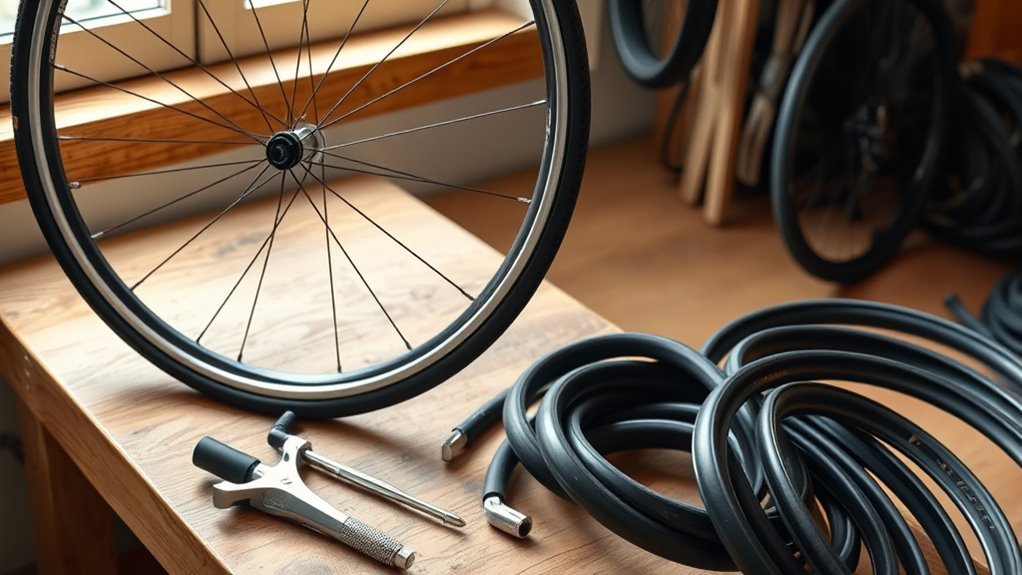
Start by matching the tube diameter to your tire (e.g., 26″ or 700c) so the bead seat aligns correctly. Make sure the tube’s valve type (Presta or Schrader) fits your rim to avoid inflation problems. Then choose a tube whose width range covers your tire width to prevent over-stretching or excess slack.
[Products Worth Considering]
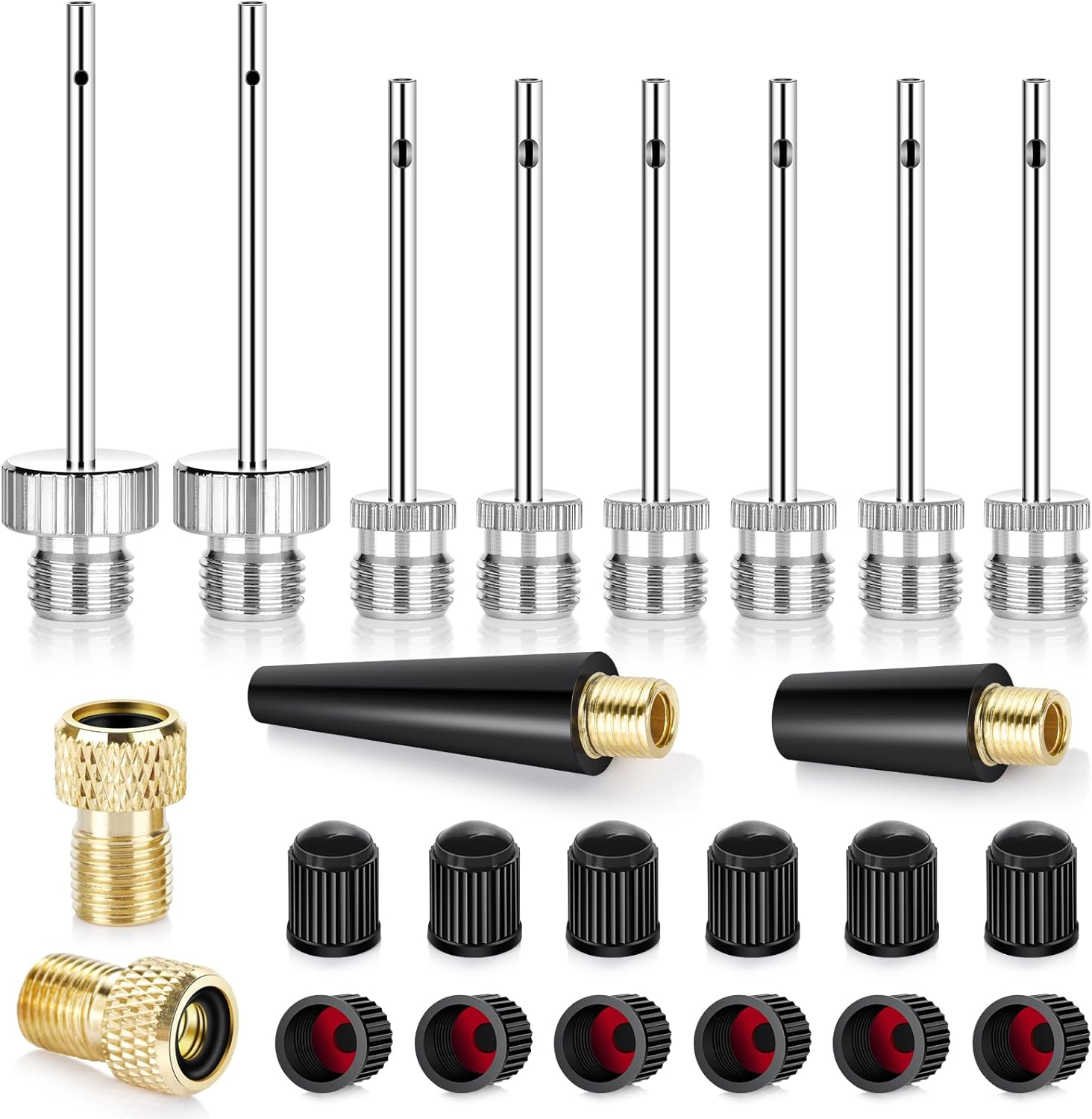
This ball pump needles kit includes brass ball needles for inflating footballs, soccer balls, basketballs, and volleyballs, plus conical nozzles for air mattresses, exercise balls, balloons, and swim rings. It also offers Presta to Schrader valve adapters for easy use with compatible bikes and rideables. The set includes sealed valve caps and a storage case, helping keep your equipment organized and ready to inflate quickly.

Upgrade your road bike with this 2-pack of 700c inner tubes sized for 700 x 28–32c tires and a 60mm Presta valve. Built from durable butyl rubber for strong air retention and reliable performance, it helps you stay ready for rides. The set includes two tire levers to make flat repairs faster and easier.

Convert Presta bicycle valves to accept standard Schrader pump nozzles for fast, hassle-free inflation. This kit includes durable brass adapters with leak-resistant connections, plus sports inflation needles and protective valve caps for convenient use on bikes and ball sports equipment.
Match Diameter First
Match the tube diameter exactly to your tire’s diameter. This keeps the tube seated correctly on the bead and prevents poor handling or flats.
Use the ISO/ETRTO numbers to confirm compatibility. That two-number code is the most reliable way to avoid ambiguity between sizing systems. For common sizes like 26″ or 700c, pick tubes labeled for those diameters. For mixed markings (e.g., 20 x 1.75), choose a tube that covers the range (20 x 1.75–2.125). An improper diameter causes poor seating, pinch flats, and blowouts.
- Check ISO/ETRTO first.
- Match exact bead size.
- Use range-compatible tubes where specified.
Choose Correct Valve
Match the valve type (Schrader, Presta, or Woods) to your rim so you can inflate and seat the tube without adapters or damage. Confirm valve compatibility before purchase: rim holes are specific, and forcing the wrong valve risks stripping the rim or poor sealing.
Check the tube’s diameter and manufacturer’s specs too, since the correct diameter prevents excess stress at the valve base. When inflating, secure the valve stem, inflate slowly while seating the bead, and verify even tire seating before reaching full pressure. Use the tube labeled for your tire’s size range so the valve won’t sit at an angle.
Mind Tube Width
For reliable performance and fewer flats, choose an inner tube whose width range matches your tire’s width rather than guessing by diameter alone. You’ll prevent pinch flats, blowouts, and awkward handling by getting the right match. Both 700c and 26″ wheels need tubes made for their bead diameters and width ranges.
Check tube materials for stretch and durability, as some blends tolerate wider width ranges. Don’t fit a tube that’s too narrow or too wide: narrow tubes can overstress, wide tubes can fold and pinch. Set correct inflation pressure for your tire/tube combo and riding conditions, and verify manufacturer specs before buying.
- Match tube width to tire width range.
- Confirm bead diameter compatibility.
- Check tube materials and inflation pressure.
Installation Checklist to Avoid Excess Length and Buckling
Proper tube fit prevents excess length and buckling. Start by inflating the tube slightly before you install it to give it shape and make fitting easier.
Match tube diameter to the tire closely. Don’t guess, or you’ll introduce slack that forces folds. As you seat the tire bead, distribute any remaining length evenly around the rim, working opposite the valve to balance tension. Pause frequently to check for kinks or pinches. A single fold can become a flat.
After full seating, inflate to riding pressure while watching the bead and tube position. Stop if anything shifts. Get in the habit of regular visual checks for wear or irregularities before each ride. These steps give you control, prevent common failures, and keep your wheelset reliable.
Risks of a Too-Large Inner Tube (Folds, Flats, Uneven Ride)
A tube that’s too large doesn’t sit snugly, so you’ll often see folds and buckling inside the tire. These create pinch points and increase the chance of flats. Folding creates localized stress where the tube can pinch against the rim or tire, triggering sudden loss of pressure. Excess material also shifts under load, producing uneven contact that makes steering and cornering less predictable.
You can avoid these problems by recognizing the symptoms early.
- Check for visible bulges or air pockets after partial inflation. They signal folds and misseating.
- Ride cautiously if you must use a larger tube: keep pressures conservative and avoid aggressive maneuvers.
- Replace with a correctly sized tube when possible to restore predictable handling and reduce pinch-flat risk.
Risks of a Too-Small Inner Tube (Overstretch, Blowouts, Valve Stress)
Forcing a too-small inner tube into a larger tire overstretches and weakens the rubber, raising the chance of punctures or sudden blowouts. The excess tension also pulls on the valve stem, risking damage or detachment during inflation or riding.
Overstretching is a material failure: inner tube rubber thins under strain, cutting puncture resistance and creating weak spots that can split under load. A stretched tube may shift and rub against the tire carcass, generating friction and heat that accelerate wear. Excessive tension concentrates load at the valve, so even a brief bump can cause a shear or leak there, leaving you stranded.
Overstretched tubes also don’t support the tire’s shape evenly, producing bulges or flat spots that degrade handling. Choose the correct tube size and quality materials to preserve safety, performance, and confidence.
Troubleshooting Persistent Fit Problems
If you keep getting fit problems with inner tubes, start by checking that both the tire diameter and width match the tube’s specifications. Mismatches are the usual culprit and cause bunching, overstretching, or poor seating that leads to pinch flats and uneven pressure.
After confirming tube compatibility, inspect the tube for kinks, folds, or excess length before full inflation. Use proper installation techniques: partially inflate the tube to give it shape, tuck it evenly, and seat the bead gradually while watching for pinches.
- Recheck diameter and width ranges on the tube label and tire sidewall to rule out incompatibility.
- Inflate to a low pressure, rotate the wheel, and visually confirm there are no folds or bunches before final inflation.
- If problems persist, try a tube with the correct size range and revisit your installation techniques for a clean fit.
When to Replace the Inner Tube
Check the inner tube for visible damage like cracks, bulges, or punctures, and replace it if you find any. If the tube leaks air quickly, is several years old, or doesn’t match the tire size, swap it out to avoid pinch flats or seating problems. Always fit a new tube when you install a new tire or if the old one has been stretched from mixed-size use.
When to Replace
A compromised tube can fail without warning, so replace it as soon as you notice significant wear: cracks, bulges, repeated punctures, or a history of multiple patches. High-use riders should replace tubes sooner to avoid unexpected flats. Always match tube size to tire diameter, since an ill-fitting tube ruins ride quality and risks blowouts.
- Replace after multiple patches or any bulge/crack.
- Inspect after a flat. Slow leaks mean replacement sooner.
- Swap tubes that feel too long or ride unevenly.
A timely replacement keeps you moving confidently and cuts down on roadside fixes.
Signs of Failure
When your tube shows visible damage like cracks, bulges, kinks, or repeated punctures, replace it immediately to avoid sudden flats or blowouts. Persistent slow leaks, an oddly long tube that creases inside the tire, or a history of multiple patches all signal it’s time for a new one.
Check for air loss over hours or days. Micro-tears will reveal the tube’s true lifespan even if no hole is obvious. During mounting, watch for kinks, folds, or excess length that can create pinch flats or an uneven ride. If flats keep happening despite correct installation, stop repairing and swap the tube.
Quick Dos and Don’ts for Safe Riding
For reliable, safe riding, follow a few simple tube-fit rules: match tube and tire diameter closely, and check inner tube materials for quality. Stiffer, well-made compounds resist tears and aid puncture prevention. Inflate the tube slightly before fitting to avoid kinks, and inspect for wear after installation so you catch problems early.
- Use the correct diameter and stay within the tire’s recommended width to prevent bunching and flats.
- Slightly inflate before mounting to get smooth seating and reduce pinch risks.
- Swap brands if fit issues persist. Different manufacturers vary in tube length and build quality.
Don’t let avoidable flats limit your range. Match sizes, pre-inflate, and monitor condition. That practical discipline preserves safety and keeps you riding with confidence.
Frequently Asked Questions
Can I Use a 1.75 Tube in a 1.5 Tire?
You can, but it’s not ideal. The extra tube material can fold inside the tire, leading to pinch flats and unstable handling. For the best performance, match tube width to your tire width.
What Is the 105% Rule in Cycling?
The 105% rule is an aerodynamic guideline, not an inner tube sizing rule. It states that the external width of a deep-section rim should be at least 105% of the mounted tire width for optimal airflow. Misidentifying this as a tube-sizing rule is a common mix-up. For inner tube sizing, simply match the tube’s stated diameter and width range to your tire’s markings.
Can I Use a 27.5 Inner Tube on a 29 Wheel?
You can in an emergency, but it’s not recommended for regular riding. A 27.5″ tube stretched onto a 29″ wheel becomes thinner, which reduces puncture resistance and can stress the valve. Many mountain bikers carry a 27.5″ tube as a universal emergency spare, and some manufacturers even sell “mullet” tubes designed to fit both sizes. For day-to-day use, stick with a 29″ tube for proper fit and reliability.
Can I Use a 700×25 Tube in a 700×28 Tire?
Yes, and many 700×25 tubes list a width range up to 28 mm or even 32 mm. Check the packaging. The tube will stretch slightly, so seat it carefully, check tire pressure, and swap to the correct size for lasting performance.
Conclusion
Think of the right inner tube as the heart that must match the chest it lives in. Squeeze it into the wrong space and it’ll strain or fail. You can sometimes use a tube with a wider width range or matching diameter, but never one that’s too small or with the wrong valve. Follow sizing charts, check valve type, learn your tube options, avoid excess length, and replace worn tubes. Fit correctly, and your ride will breathe easy.