
What’s in This Article
- Quick Check: Does This Inner Tube Fit Your Tyre?
- Check Diameter and Valve Type Too
- How Much Inner-Tube Stretch Is Safe?
- How Oversize and Undersize Tubes Behave Differently
- How Material and Wall Thickness Affect Stretch and Lifespan
- How Tyre Pressure and Rider Load Change Tube Stress
- Installation Tips to Avoid Overstretching and Pinches
- When to Pick a Smaller, Larger, or Specialty Inner Tube
- Weight vs Reliability: Real Trade-Offs for Riders
- Signs an Inner Tube Is Overstretched and Needs Replacing
- What to Do If Your Tube Size Is Not Exact
- Frequently Asked Questions
- Conclusion
A tube that stretches too far can thin out, pinch under the bead, or fail when pressure rises. The safest choice is a tube whose printed width range includes your tyre size. This guide shows you how to check fit, manage pressure and load, and spot damage before a small mismatch becomes a roadside flat.
Quick Answer
Use the tube size range printed on the box or tube as your main rule. A tube that sits just outside that range may get you home, but routine riding needs a tube that matches your tyre width. A tube that’s too narrow stretches thin and fails more easily; a tube that’s too wide can fold and pinch during installation.
Key Takeaways
- Match the tube’s printed size range to your tyre width before you install it.
- Use an off-size tube only as a short-term fix, not as your normal setup.
- Check tyre diameter and valve type because width alone does not make a tube fit.
- Inflate slowly, align the valve, and inspect for pinches before full pressure.
- Replace any tube with thin spots, bulges, folds, or repeated flats in one area.
Quick Check: Does This Inner Tube Fit Your Tyre?
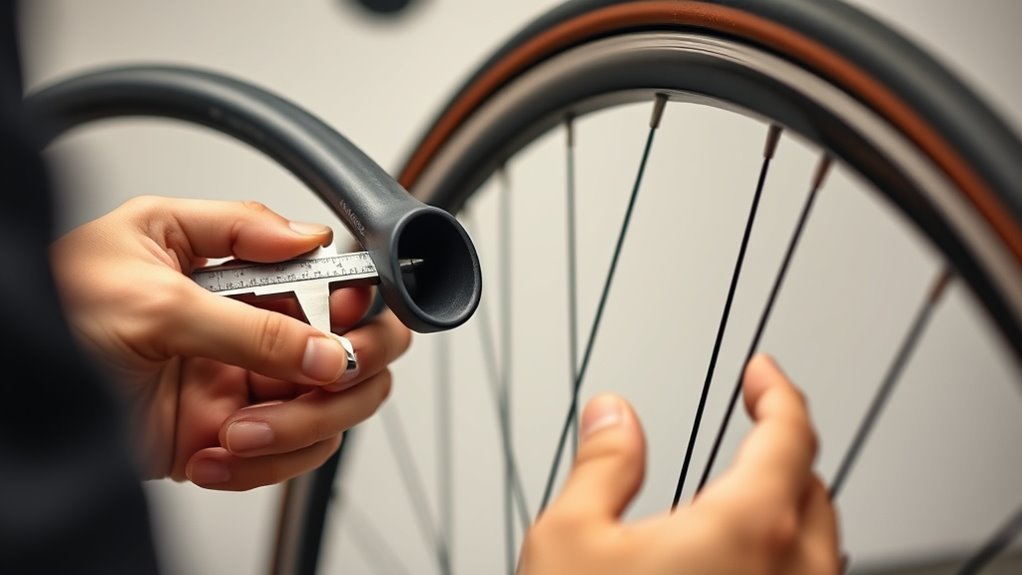
Start with the size markings on your tyre sidewall, then compare them with the tube compatibility range printed on the tube or package. You might see ranges such as 1.5-2.4 inches for mountain tyres or 20-32 mm for road tyres. Choose a tube whose range includes your tyre width, not one that only looks close.
A tube near the middle of its listed range usually installs more easily and stretches less under pressure. A tube at the narrow end may work, but it can run tighter and become easier to pinch. After mounting, inspect both sides of the tyre so no rubber sits under the bead.
Check Diameter and Valve Type Too
Width matters, but diameter must match as well. A 700c tube belongs in a 700c tyre, while a 26 inch, 27.5 inch, or 29 inch tube should match that tyre size. The wrong diameter can bunch, stretch unevenly, or place stress near the valve.
Check the valve before you buy. Presta and Schrader valves need different rim holes, and deep rims may need a longer valve stem. A correct valve keeps the tube straight and reduces tearing at the base.
Note: Tube width, wheel diameter, valve type, and valve length all need to match your setup.
[Products Worth Considering]

FANSPRO’s 2-pack 26-inch bicycle inner tubes are built for reliable performance on road and mountain bikes. They fit tire widths from 2.125 to 2.40 inches and use a 48mm Schrader valve for convenient inflation. The set includes two durable tire levers to help you remove and install tubes quickly after a flat.

This heavy-duty fat bike inner tube is built for secure fit on 20-inch wheels with 3.5 to 4.0 inch wide tires, including e-bikes and mountain bikes. It uses thick butyl rubber for improved durability, air tightness, and a smoother, more comfortable ride. A standard Schrader valve makes inflation easy and helps keep pressure stable for safer rides, with tire levers included for simpler installation.

Ultraverse 700c inner tubes are built for 700x28C to 32C tires and feature a 48mm Presta valve for accurate, secure inflation. The high-elasticity butyl rubber construction helps seal air tightly, resist pressure loss, and absorb road vibrations for a smoother ride. A reinforced valve base and thick walls add durability and puncture resistance for reliable everyday performance on road, gravel, and city routes.
How Much Inner-Tube Stretch Is Safe?
Inner tubes can flex, but you should not treat that stretch as extra size range. Keep routine use inside the tube’s printed width range whenever you can. Stretching a tube beyond that range can thin the rubber and raise the chance of punctures, pressure loss, or blowouts.
Use a tube sized for your tyre’s stated range. For example, a tube marked 1.5-2.4 inches should go in tyres inside that range. If you need more flexibility, choose a tube with a wider listed range instead of forcing a narrow tube to fit.
Inspect new and used tubes before installation. Replace the tube if you see thin areas, uneven seams, visible distortion, or rubber that no longer returns to shape. That simple check protects both ride quality and safety.
Warning: Do not use a tube outside its printed range for routine riding if you can choose a correct size.
How Oversize and Undersize Tubes Behave Differently
Oversized and undersized tubes fail in different ways. An oversized tube can form creases or folds inside the tyre. Those folds rub as you ride and can lead to weak spots or sudden flats.
An undersized tube stretches more than intended. That stretch thins the rubber, increases tension near the valve, and makes pinches more likely during installation. It may also lose air faster under load.
For reliable tube fitting, match the tube’s listed size range to the tyre whenever possible. If you must choose during an emergency, use the closest size and inspect it carefully after installation. Replace it with the right tube when you can.
How Material and Wall Thickness Affect Stretch and Lifespan
Material and wall thickness affect how a tube stretches, holds air, and handles damage. Thicker butyl tubes usually resist cuts and pinch flats better, while thinner tubes save weight but need more care. Latex tubes feel supple, but they lose air faster and need more frequent pressure checks.
Thermoplastic polyurethane (TPU) tubes can save weight and pack small, but they need careful installation and the right valve and rim setup. Always follow the tube maker’s pressure and size limits. The safest tube still fails if you pinch it during mounting or inflate it beyond the tyre’s limit.
[Products Worth Considering]

This 2-pack bicycle inner tube set is designed for kids, road, and MTB bikes with 20-inch tires in the 1.75 to 2.125 width range, using a 32mm AV Schrader valve. Each tube includes two tire levers for easier installation and safer handling while swapping tubes. Butyl rubber delivers reliable air retention, elasticity, and comfort for everyday rides.

This heavy-duty bicycle rim liner provides complete tube protection by shielding the inner tube from rim spoke holes and sharp metal burrs that can cause flats. Made from premium, wear-resistant PVC, it lays flat with optimized 18 mm width and 0.50 mm thickness for edge-to-edge coverage. Installation is quick with flexible stretch placement and a secure, non-slip fit.

Replace worn inner tubes on compatible Razor and kids electric mini dirt bikes with a correct 12.5x2.75 straight valve stem tube. It helps prevent leakage and keeps tires working safely for daily rides and rough terrain use. The package includes two tubes, a valve core wrench, brass valve stem cores, and red valve caps.
Material Stretch Characteristics
Choose tube material based on how you ride. Butyl suits everyday riding because it holds air well and handles normal wear. Latex suits performance riding when you value a supple feel, but you need to check pressure often.
TPU tubes work well for riders who want a light spare or a compact repair kit. They can feel less forgiving during installation, so you should add air slowly and avoid twisting the tube. Wider tyres can tolerate more size variation, but the printed range still matters.
- Choose butyl for simple, dependable daily use.
- Choose latex when ride feel matters more than long air retention.
- Choose TPU when low packed size and low weight matter most.
Wall Thickness Effects
Wall thickness changes the balance between weight and reliability. Thicker walls add durability and help resist pinch flats. Thinner walls lower weight and rolling resistance, but they stretch more and can age faster.
Match thickness to your terrain and load. Rough roads, gravel, commuting, and cargo riding reward tougher tubes. Smooth pavement and racing can justify lighter tubes if you install them with care and check pressure often.
| Type | Benefit | Trade-off |
|---|---|---|
| Thick | Puncture resistance | Weight |
| Thin | Weight saving | More stretch |
| Butyl | Air retention | Less supple feel |
| Latex | Low rolling resistance | Shorter air retention |
How Tyre Pressure and Rider Load Change Tube Stress
Tyre pressure and rider load change how much stress the tube carries. Higher pressure increases tension in the tube, while low pressure lets the tyre bottom out and pinch the tube. Keep pressure within the limits printed on the tyre and rim.
Weight also matters. A heavier rider, extra cargo, or a loaded bike can need more pressure than a light solo ride. Adjust pressure in small steps, then check comfort, grip, and rim strike risk.
Pressure Versus Tube Stretch
As pressure rises, the tube presses harder against the inside of the tyre. That pressure can expose weak spots, folds, or pinches that you missed during installation. Inflate slowly so the tube can settle evenly.
Under-inflation creates a different problem. The tyre can compress against the rim on bumps, trapping the tube and causing a pinch flat. A quick pressure check before each ride prevents many avoidable failures.
- Measure pressure before long rides.
- Stay inside the tyre and rim pressure limits.
- Recheck pressure after installing a new tube.
Rider Weight Distribution
Your position on the bike changes how much load each tyre carries. A forward-leaning position can add stress to the front tyre, while rear cargo can overload the back tyre. Uneven load raises puncture risk on rough ground and in hard turns.
Use pressure as a tuning tool, not a guess. Add or remove a small amount of air based on rider weight, luggage, terrain, and tyre width. Keep notes if you ride the same routes often, so you can repeat the pressure that works.
Inflation And Load Cycles
Every ride loads and unloads the tube many times. Those cycles slowly wear rubber, especially if the tube runs folded, pinched, or stretched too far. Proper sizing reduces that repeated strain.
Carry more load with a tube and tyre setup that can handle it. Wider tyres and correctly sized tubes flex less harshly under pressure. Check pressure before departure, after repairs, and before long descents.
- Control pressure before you ride.
- Limit pinch flats on rough terrain.
- Build a setup that feels predictable.
Installation Tips to Avoid Overstretching and Pinches
Choose a tube inside the tyre’s recommended width range before you start. Add just enough air to give the tube shape and remove wrinkles. This light pre-inflation helps the tube sit evenly in the rim.
Align the valve straight, then seat the bead in small sections. Keep the tube centered and away from the bead as you work. Use tyre levers only when your hands cannot finish the job.
After mounting, spin the wheel by hand and inspect both tyre edges. Look for bulges, dips, trapped rubber, or a crooked valve. Fix those signs before you inflate to full pressure.
Pro tip: Before full inflation, push the tyre sidewall aside and check that the tube does not show under the bead.
| Step | Action | Purpose |
|---|---|---|
| 1 | Slight pre-inflate | Remove wrinkles |
| 2 | Align valve | Reduce stress |
| 3 | Seat bead gradually | Prevent pinches |
| 4 | Limit lever use | Avoid damage |
| 5 | Inspect and test | Confirm safety |
When to Pick a Smaller, Larger, or Specialty Inner Tube
Your best choice usually matches the tyre’s recommended width. A slightly smaller tube can save a little weight, but it also stretches more and can fail sooner. A larger tube may reduce stretch, but it can fold inside a narrow tyre.
Specialty tubes serve specific goals. Featherweight tubes reduce weight, self-sealing tubes help with small punctures, and tougher tubes suit rough roads or commuting. Each option costs more or adds a trade-off, so choose by terrain, load, and repair access.
Match your tube to the tyre for predictable performance. Smaller tubes save weight but raise stretch risk, while larger tubes can fold and add bulk.
- Pick a standard butyl tube for most everyday rides.
- Pick a tougher tube for rough roads, cargo, or commuting.
- Pick a lighter tube only when speed matters and conditions stay controlled.
Maintain correct inflation and inspect the tube after installation. A careful fit gives you more freedom than a forced fit.
[Products Worth Considering]

Upgrade your road bike with this 2-pack of 700c inner tubes sized for 700 x 28–32c tires and a 60mm Presta valve. Built from durable butyl rubber for strong air retention and reliable performance, it helps you stay ready for rides. The set includes two tire levers to make flat repairs faster and easier.

Ride with added confidence using Blackburn inner tubes featuring anti-puncture technology and a 20% thicker tube to help prevent flats. Each set includes two tire levers to make removal and installation easier. Designed for compatible mountain and cruiser bikes with Presta valves.

This Hycline 2-pack mountain bike tire set delivers durable, puncture-resistant performance with a high-grip, aggressive tread designed for traction on hard surfaces and confident handling through mud and soil. Includes matching inner tubes and tire levers for easier everyday maintenance and quicker installation after folding storage. Built for a range of riding conditions with reinforced rubber and nylon cord for wear-resistant reliability.
Weight vs Reliability: Real Trade-Offs for Riders
Saving grams can feel tempting, but tube weight should match how and where you ride. Lighter tubes can improve feel on smooth roads, but thin walls leave less room for installation mistakes. Heavier tubes add mass, but they can handle rougher use with fewer flats.
Choose durability for commuting, touring, gravel, curb strikes, and loaded rides. Choose lighter tubes for fast road rides where you check pressure often and avoid harsh surfaces. Do not stretch an undersized tube just to save weight.
Proper inflation matters more than small weight differences for most riders. A well-sized tube with the right pressure rides better than a lighter tube that sits under too much tension.
Signs an Inner Tube Is Overstretched and Needs Replacing
An overstretched tube often shows damage before it fails. Look for thin, shiny, or translucent areas where the rubber no longer looks even. Bulges, folds, and deep creases also signal weak spots.
Repeated flats in the same area can point to tube stress, rim tape problems, or debris inside the tyre. Remove the tyre and check the casing, rim bed, and valve hole before you install another tube. If the tube looks distorted, replace it rather than patching it again.
- Replace tubes with translucent or paper-thin rubber.
- Replace tubes with bulges, folds, or deep creases.
- Investigate repeated flats before you blame the tube alone.
What to Do If Your Tube Size Is Not Exact
If you cannot find an exact tube, choose the closest printed size range that includes your tyre diameter. Width can allow a small amount of flexibility, but diameter should not be treated as flexible. A correct diameter keeps the valve and tube body in the right position.
For a roadside repair, install the closest safe tube you have and inflate it slowly. Ride with care, avoid hard impacts, and check the tube again when you get home. Replace the emergency tube with the right size before regular riding.
Frequently Asked Questions
Does the Width of the Inner Tube Matter?
Yes, inner tube width matters because the tube needs to expand evenly inside the tyre. A tube that fits the printed size range will stretch less, install more cleanly, and reduce the risk of pinches or blowouts.
What Happens If an Inner Tube Is Too Narrow?
A narrow tube has to stretch more to fill the tyre. That extra stretch can thin the rubber, stress the valve area, and make punctures or pressure loss more likely.
Can I Use a Wider Inner Tube?
You can use a wider tube only if it still fits inside the tyre without folds. A tube that is too wide can bunch up during installation and rub against itself while you ride.
Can I Use a Different Wheel Diameter If the Width Looks Right?
No, the wheel diameter should match the tyre. A tube with the wrong diameter can stretch unevenly, bunch inside the casing, or pull the valve at an unsafe angle.
Should I Replace a Tube After It Has Been Overstretched?
Replace it if you see thin spots, bulges, folds, or repeated flats. If it looks normal and held air only during a short emergency ride, inspect it carefully before using it again.
Safety Disclaimer: This article provides general bicycle maintenance guidance. Tyres, rims, tubes, and riders vary, so follow the maker’s size and pressure limits and ask a qualified bike mechanic when a fit looks doubtful.
Conclusion
The safest inner tube is the one whose printed size range matches your tyre width and wheel diameter. Check the valve type, inflate slowly, and inspect the bead before you ride. Use off-size tubes only as short-term fixes, then replace them with the right size. Careful tube choice keeps your ride smoother, safer, and less likely to end with a flat.


1 thought on “Inner Tube Fit Guide 2026: Width, Diameter & Valves”