What’s in This Article
- Quick Verdict: Butyl vs Latex – Which to Buy
- Butyl vs Latex: Materials and How They Feel
- Speed and Rolling Resistance : Lab Results and Real-World Impact
- Weight & Rotational Mass: Climbing and Acceleration Effects
- Durability & Puncture Resistance: Daily Use vs Racing
- Air Retention and Maintenance: How Often You’ll Pump
- Installation, Repairability, and Rim/Tire Compatibility
- Best Choice by Use Case: Commuting, Training, Racing, Gravel
- Choose Butyl If You Want Reliability
- Choose Latex If You Want Speed
- Cost vs Performance Checklist: What to Prioritize and Why
- Frequently Asked Questions
- Conclusion
Pick the wrong inner tube, and your bike can feel slower, harsher, or more fragile than it should. You’ll choose butyl if you want durability, low upkeep, better puncture resistance, and a lower price. Choose latex for racing or fast rides when you want lower rolling resistance, lighter weight, and a more lively feel, but expect careful setup and daily inflation.
Quick Answer
Butyl tubes suit most riders because they cost less, hold air better, and handle rough daily use well. Latex tubes suit racers because they feel smoother and can reduce rolling resistance, but they lose air faster and need more care. If you commute, train on rough roads, or want fewer flats, choose butyl. If you race and check tire pressure before every ride, latex can make sense.
Key Takeaways
- Choose butyl tubes for everyday riding, lower cost, better air retention, and fewer maintenance checks.
- Choose latex tubes for racing, fast group rides, and a more supple road feel.
- Check latex tube pressure before every ride because latex loses air much faster than butyl.
- Install latex tubes with extra care because pinches and poor seating can damage them.
- Match tube choice to your route, tires, pressure habits, and flat-risk tolerance.
Quick Verdict: Butyl vs Latex – Which to Buy
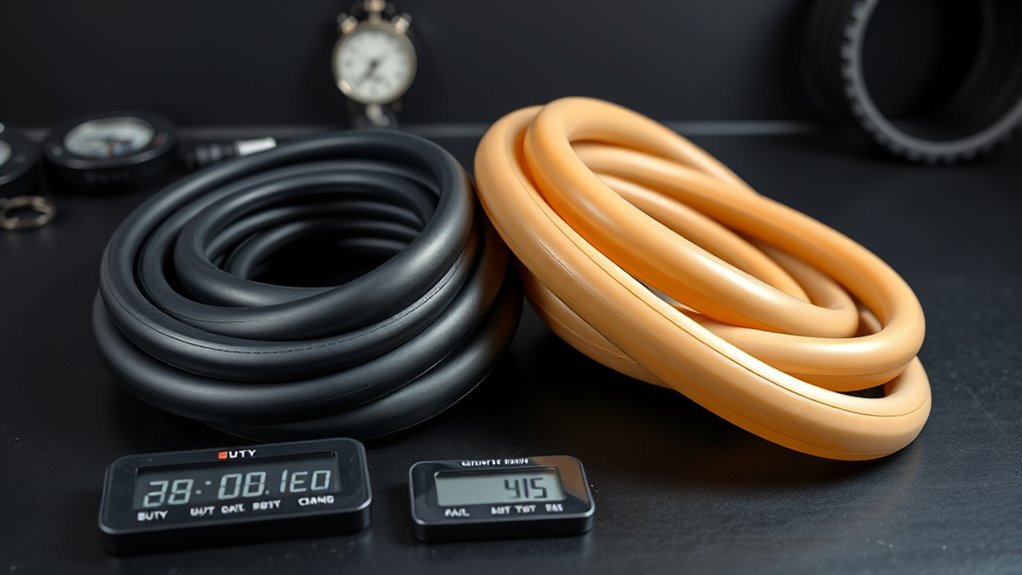
Your best tube depends on what you value most. Choose butyl if you want durability, low upkeep, and cost-efficiency. Butyl tubes tend to weigh more, often about 105–180 g, but they hold air well and handle rough daily use better.
Choose latex if you care most about performance. Latex tubes often weigh about 75–85 g and can reduce rolling resistance, which helps in races and fast group rides. You trade that speed for higher cost, weaker puncture resistance, and more frequent inflation.
| Feature | Butyl Tubes | Latex Tubes |
|---|---|---|
| Best for | Commuting, training, rough roads, and low-maintenance riding | Racing, fast group rides, and riders chasing lower drag |
| Typical weight | About 105–180 g | About 75–85 g |
| Air retention | Better, with slower pressure loss | Weaker, with pre-ride checks needed |
| Ride feel | Firm and predictable | Supple and lively |
| Repair and setup | Simple and forgiving | More delicate and less forgiving |
| Main drawback | More weight and higher rolling drag | More air loss and higher flat risk |
[Products Worth Considering]

Ultraverse 700c inner tubes are built for 700x28C to 32C tires and feature a 48mm Presta valve for accurate, secure inflation. The high-elasticity butyl rubber construction helps seal air tightly, resist pressure loss, and absorb road vibrations for a smoother ride. A reinforced valve base and thick walls add durability and puncture resistance for reliable everyday performance on road, gravel, and city routes.

FANSPRO’s 2-pack 26-inch bicycle inner tubes are built for reliable performance on road and mountain bikes. They fit tire widths from 2.125 to 2.40 inches and use a 48mm Schrader valve for convenient inflation. The set includes two durable tire levers to help you remove and install tubes quickly after a flat.

This 2-pack bicycle inner tube set is designed for kids, road, and MTB bikes with 20-inch tires in the 1.75 to 2.125 width range, using a 32mm AV Schrader valve. Each tube includes two tire levers for easier installation and safer handling while swapping tubes. Butyl rubber delivers reliable air retention, elasticity, and comfort for everyday rides.
Butyl vs Latex: Materials and How They Feel
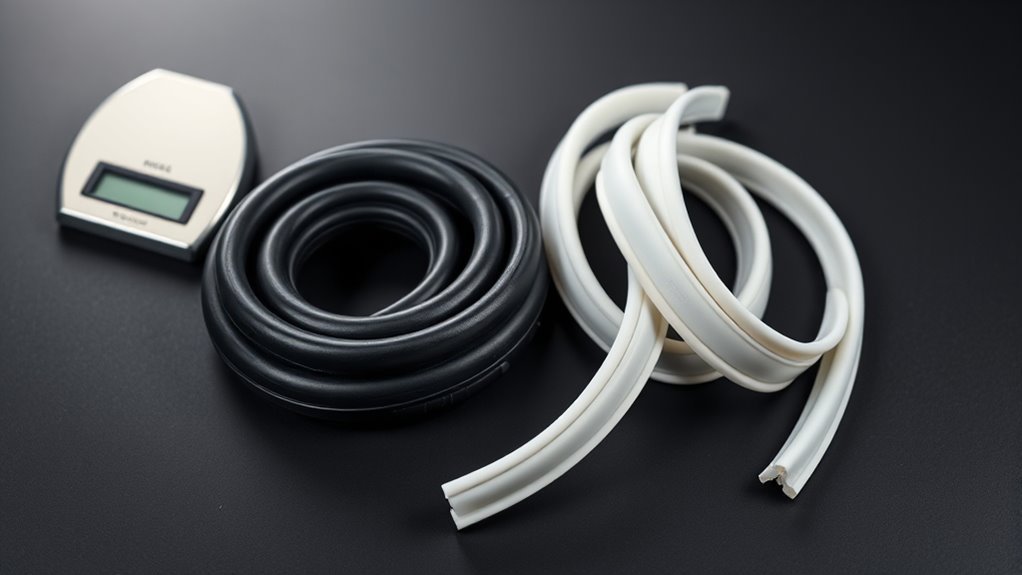
Butyl and latex tubes feel different because they use different rubber materials. Butyl, a synthetic rubber, feels firmer under load. It holds pressure reliably and gives your tire a steady, predictable feel.
Latex comes from natural rubber and feels more supple. It lets the tire flex and return faster, so you may feel sharper feedback from the road. That extra flex can make the bike feel smoother and quicker, especially on clean pavement.
You trade ease for feel. Butyl gives you robustness and lower maintenance, while latex gives you better response if you accept more care.
Speed and Rolling Resistance : Lab Results and Real-World Impact
Lab tests often show latex tubes with lower rolling resistance than standard butyl tubes. The article’s original comparison uses about 11.0 W for latex versus 14.2 W for butyl. Treat those numbers as test-condition results, not a fixed gain for every tire, rim, pressure, and road surface.
You’ll feel the difference most during climbs, sprints, and long fast rides. Higher tire pressure, better tires, and efficient rims can narrow the gap. Rough pavement can also change the real-world result because comfort, grip, and pressure matter together.
Note: Rolling-resistance numbers vary by tire model, rim width, pressure, rider weight, and test method.
Weight & Rotational Mass: Climbing and Acceleration Effects
Tube weight matters because the tube sits near the rim. A heavier butyl tube adds more rotational inertia than a lighter latex or thermoplastic polyurethane (TPU) tube. That can make accelerations feel slightly slower.
Latex tubes often save noticeable weight compared with standard butyl tubes. Low-mass TPU tubes can save even more, though they bring their own cost and repair trade-offs. On steep climbs and short sprints, lighter tubes can make the bike feel more eager.
Weight Versus Rotational Mass
Inner tube mass affects rotational inertia because it spins with the wheel. Butyl tubes often weigh about 105–180 g, while latex tubes often weigh about 75–85 g. TPU tubes vary more, but many options weigh less than standard butyl.
You should weigh tube choice against pressure, tire size, rim fit, road surface, and durability. Latex and TPU can make the bike feel faster, but butyl still wins for simple, tough riding.
Climbing Energy Savings
Climbing rewards lower weight and lower drag. Swapping heavier butyl tubes for lighter latex tubes can reduce the energy you need to spin and lift the wheelset. The gain may feel small on one hill, but it can matter in a race or hard group ride.
- Reduce mass: save weight at the rim to improve wheel response.
- Lower rolling resistance: cut energy loss when your tire flexes against the road.
- Maintain pressure: keep pressure consistent so you don’t lose the gains.
Acceleration And Responsiveness
You can improve bike acceleration by cutting wheel mass and reducing tube flex losses. Latex combines low mass with a supple feel, so it often feels quick when you change pace. TPU can feel light too, but ride feel depends on the exact tube and tire pairing.
Balance those gains against durability and repair needs. If you ride rough roads, butyl may save more time by preventing stops for flats.
Durability & Puncture Resistance: Daily Use vs Racing
Durability and puncture resistance should guide your tube choice for daily riding. Butyl handles common road debris, imperfect installation, and variable routes better than latex. It also costs less to replace if you do get a flat.
Latex gives you speed and comfort, but it needs cleaner conditions and careful handling. It can pinch or tear more easily during setup. Use it when performance matters more than low-risk, low-effort riding.
- Butyl: better puncture resistance, lower cost, and less upkeep for commuting and training.
- Latex: lower weight and drag for racing, but with more flat risk.
- Trade-off: choose reliability for daily routes or speed for controlled events.
Warning: Latex tubes can fail if you pinch them under the tire bead during installation.
Air Retention and Maintenance: How Often You’ll Pump
All tubes lose air, but material changes how often you need to pump. Butyl usually loses air slowly, so many riders can check pressure weekly. Latex loses air much faster, so you should inflate it before each ride.
TPU often holds pressure well and can sit between butyl and latex for maintenance, depending on the model. Your tire volume, valve quality, and rim setup also affect pressure loss. Track pressure for a few rides so you know your real rate of loss.
Good habits help every tube last longer. Check the valve core, inspect the rim tape, and carry a compact pump or inflator. Consistent pressure gives you better comfort, grip, and speed.
Installation, Repairability, and Rim/Tire Compatibility
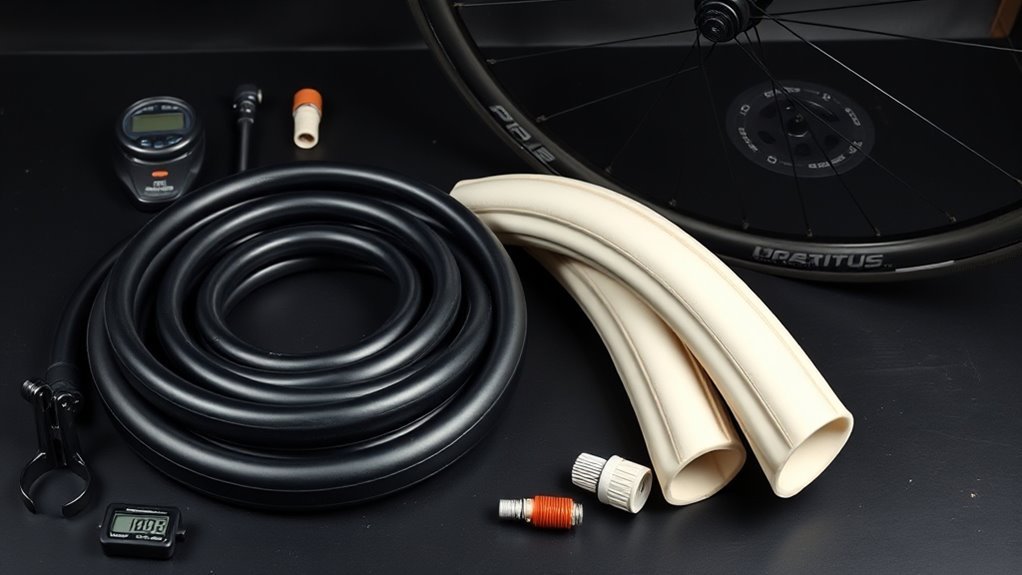
A good pumping routine only helps if you install the tube well. Butyl makes setup easier because it handles stretching, seating, and small mistakes better. Most standard patch kits also work well with butyl tubes.
Latex needs slower, more careful setup. Add a little air before seating the tire, check that the tube does not sit under the bead, then inflate in stages. Some latex repairs need specific patches or glue, so check your repair kit before race day.
- Butyl: easy installation, common repairs, and strong rim-fit tolerance.
- Latex: careful installation, more delicate repairs, and less room for setup errors.
- Both: compatible with many standard rims, as long as you choose the right size and valve.
Pro tip: Dusting a latex tube with talc can help it seat smoothly and reduce sticking inside the tire.
Best Choice by Use Case: Commuting, Training, Racing, Gravel
Choose butyl tubes for commuting if you want durability, low upkeep, and cost-effectiveness. They hold air well, tolerate occasional setup mistakes, and suit mixed road surfaces. That makes them the default choice for most daily riders.
For training, butyl still works well if you value fewer flats and less fuss. Latex makes sense for focused interval sessions or fast rides where road feel and speed matter. You’ll need to check pressure before each session.
For racing, latex offers a clear performance case through lower weight and reduced rolling drag. For gravel, butyl or TPU often makes more sense because rough surfaces increase puncture and pinch risk. Match the tube to the route, not just the speed goal.
[Products Worth Considering]

This chemical vulcanizing cement promotes rubber vulcanization at room temperature, helping create durable tire repairs without heat. The included brush makes application easy, and the quick-drying formula with accelerators helps the repair cure faster for reliable patch or plug sealing. It’s suitable for cars, motorcycles, and bikes, supporting repairs for both inner tubes and outer tires.

This heavy-duty fat bike inner tube is built for secure fit on 20-inch wheels with 3.5 to 4.0 inch wide tires, including e-bikes and mountain bikes. It uses thick butyl rubber for improved durability, air tightness, and a smoother, more comfortable ride. A standard Schrader valve makes inflation easy and helps keep pressure stable for safer rides, with tire levers included for simpler installation.

This heavy-duty bicycle rim liner provides complete tube protection by shielding the inner tube from rim spoke holes and sharp metal burrs that can cause flats. Made from premium, wear-resistant PVC, it lays flat with optimized 18 mm width and 0.50 mm thickness for edge-to-edge coverage. Installation is quick with flexible stretch placement and a secure, non-slip fit.
Choose Butyl If You Want Reliability
Choose butyl if you ride often and don’t want to think about your tubes every day. It suits commuting, winter training, rough shoulders, and routes with debris. It also works well if you repair flats at home or on the roadside.
Butyl also fits tighter budgets. You can replace a damaged tube at a lower cost and still get steady air retention. For most riders, that mix of price, toughness, and ease gives the best value.
Choose Latex If You Want Speed
Choose latex if you race, ride smooth roads, and check pressure before every ride. It can make the tire feel smoother and quicker because it flexes with less energy loss. That makes it useful when small speed gains matter.
Latex does not suit every rider. Skip it if you often ride rough roads, forget pressure checks, or need the easiest roadside repair. You’ll get the most from latex when you pair it with good tires and careful installation.
Cost vs Performance Checklist: What to Prioritize and Why
Cost matters because tubes wear, puncture, and need replacement. Butyl usually costs less and lasts longer in daily use, so it gives many riders better long-term value. Latex costs more and can wear out faster, but it can improve speed and feel.
Balance cost versus performance: butyl for durability and low upkeep, latex for weight and rolling-resistance gains.
- Estimate total cost: include purchase price, replacements, and repair supplies.
- Match the tube to the ride: use latex for racing and butyl for commuting or rough training.
- Plan your routine: check latex before every ride and butyl on a regular schedule.
- Reduce puncture risk: inspect tires, rim tape, and tire pressure often.
[Products Worth Considering]

This Hycline 2-pack mountain bike tire set delivers durable, puncture-resistant performance with a high-grip, aggressive tread designed for traction on hard surfaces and confident handling through mud and soil. Includes matching inner tubes and tire levers for easier everyday maintenance and quicker installation after folding storage. Built for a range of riding conditions with reinforced rubber and nylon cord for wear-resistant reliability.

This heavy duty 20-inch bike inner tube is designed for a perfect fit across 20x1.75, 1.95, 2.10, and 2.125 tires with a Schrader valve. The tube features 20% thicker construction for improved puncture resistance and longer-lasting performance. Butyl material helps with shock absorption, and included tire levers make installation and removal easier and safer.

Upgrade your rides with FANSPRO 700c road bike inner tubes designed for common road tire sizes from 35mm through 43mm. Made with durable butyl rubber for reliable air retention and heat resistance, each pack includes two tire levers to speed up flat repairs. The 48mm Schrader valve fits most road bikes, helping you replace tubes quickly and confidently.
Frequently Asked Questions
How Much Faster Are Latex Inner Tubes?
Latex tubes can save a few watts compared with standard butyl tubes in some rolling-resistance tests. Your real gain depends on your tire, rim, pressure, road surface, and speed.
How Much Faster Are TPU Tubes Than Butyl?
TPU tubes can reduce weight and rolling resistance compared with many standard butyl tubes. The exact speed gain depends on the TPU model, tire setup, and test conditions.
Are Latex Tubes Better Than Butyl?
Latex tubes perform better for speed and road feel, but butyl tubes perform better for durability, cost, and ease. The better choice depends on whether you value race gains or daily reliability.
How Long Do Butyl Inner Tubes Last?
Butyl tubes can last for years if you avoid punctures, store them away from heat and sunlight, and keep tire pressure in range. Replace any tube with cracks, damaged valves, or repeated slow leaks.
Can You Use Latex Tubes in Any Road Tire?
You can use latex tubes in many road clincher tires if the tube size, valve length, rim tape, and tire fit match. Avoid poor rim tape, sharp spoke holes, or tight installations that can pinch the tube.
Conclusion
Choose butyl if you want the simplest, toughest, and most affordable tube for regular riding. Choose latex if you want speed and comfort enough to accept daily pressure checks and careful setup. Before you buy, match the tube to your roads, tires, budget, and maintenance habits. The best tube is the one that helps you ride more often with fewer compromises.