
Wet Traction Explained: How Your Toyota RAV4 Tires Perform in Rain
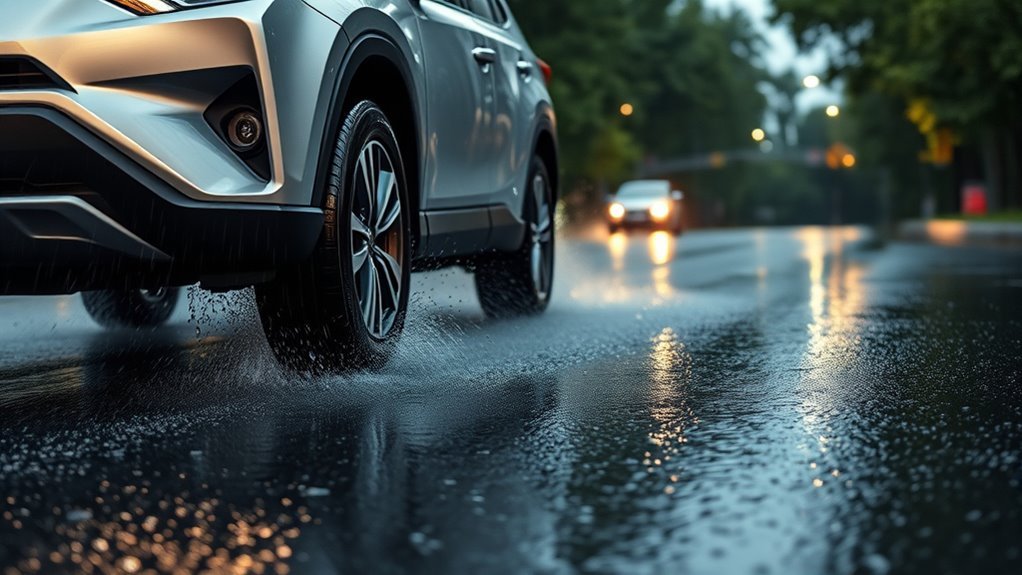
Your RAV4’s wet traction depends on tire tread depth, pattern, compound and inflation; worn or underinflated tires lift on water and lose steering, braking and stability. V‑shaped grooves, deep sipes and silica‑rich compounds channel water and shorten stopping distances, while shallow tread below 4/32″ greatly increases hydroplaning risk. Maintain pressure, measure tread at multiple points, and replace tires promptly. Keep inputs smooth if you start to hydroplane, and continue for practical guidance on tire choices and inspection.
What Is Hydroplaning and Why It Matters for RAV4 Drivers?
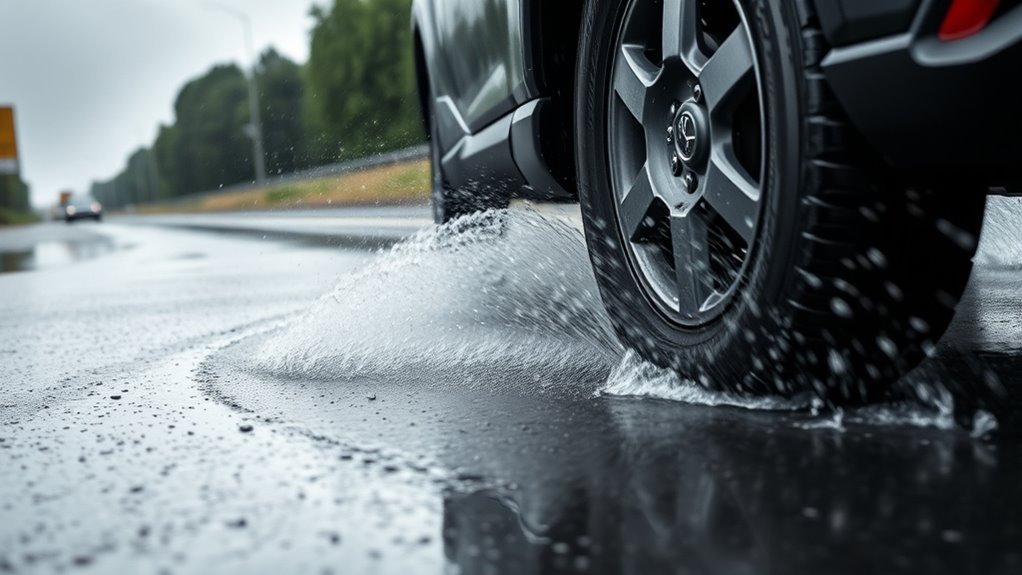
Hydroplaning happens when a thin layer of water lifts your RAV4’s tires off the road surface, cutting traction and impairing steering and braking. You need to understand hydroplaning causes so you can reclaim control: increased speed, low tread depth, and improper tire pressure let water form a film between rubber and pavement. For liberation on wet roads, you’ll prioritize measurable tire maintenance—regularly check tread depth (aim for at least 4/32 inches), inspect for uneven wear, and set pressure to manufacturer specs. Choose tires with effective tread patterns that evacuate water; new, properly patterned tires restore predictable contact patches. When you respect these technical factors, you reduce the frequency and severity of hydroplaning events and retain agency over your RAV4’s behavior. This isn’t theory: it’s deterministic risk reduction—control speed, maintain tires, and select appropriate tread designs to keep steering and braking responsive in rain.
What to Do Immediately If Your RAV4 Begins to Hydroplane
If your RAV4 starts to lose grip on a wet surface, ease off the accelerator and hold the wheel firmly while steering gently—either straight or slightly into the skid—so you can regain directional control without abrupt inputs. Immediately reduce speed by coasting; don’t stomp the brakes. Maintain a steady, controlled grip and apply steering techniques that favor small, deliberate inputs to realign the vehicle with the road. If your RAV4 has anti-lock brakes, you can depress the brake pedal firmly to allow the system to modulate stopping force; without ABS, pump the brakes lightly to prevent wheel lock. Avoid abrupt steering corrections or overcorrection, which amplify instability. Keep calm and focus on smooth inputs: throttle modulation, measured braking, and precise steering techniques together form effective hydroplaning prevention. Regain traction progressively; once tires re-establish contact, resume normal control and adjust speed to prevailing conditions to sustain liberation on wet roads.
How Tire Tread Depth Affects Wet Traction on a RAV4
Because your RAV4’s tires channel water through their grooves, tread depth directly controls wet traction: you rely on groove volume to evacuate water and prevent traction loss. Below 4/32″ hydroplaning risk rises sharply; braking distances increase and steering response degrades. The Michelin Primacy A/S begins at only 8/32″, so it reaches critical depths sooner than many rivals, accelerating tread wear effects. At about 6/32″ you’ll notice pronounced wet traction decline and potential rear-wheel sliding during dynamic maneuvers like onramps. Maintain ≥4/32″ for reliable water dispersal and braking performance. Inspect tread wear regularly—measure at multiple points, record progression, replace tires before critical depths are reached to preserve control and freedom on wet roads.
| Tread Depth (in) | Expected Wet Performance | Risk |
|---|---|---|
| 8/32 | Strong initial grip | Low |
| 6/32 | Declining wet traction | Medium |
| 4/32 or less | Elevated hydroplaning | High |
Which Tread Patterns and Compounds Grip Best in Rain
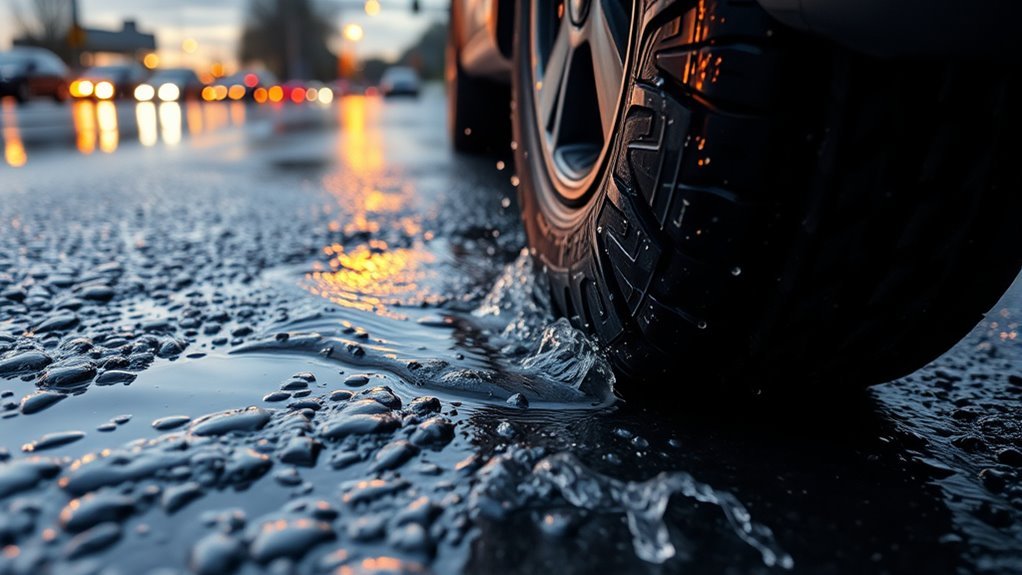
When you assess wet-weather tires for your RAV4, prioritize a V‑shaped groove design that channels water away from the contact patch to reduce hydroplaning. Look for silica‑rich rubber compounds that remain flexible at the road surface and increase molecular adhesion on wet asphalt. Together, these features improve braking and lateral grip in rain when combined with adequate tread depth.
V‑Shaped Groove Design
Look for V‑shaped groove patterns that actively channel water away from the contact patch, since their converging channels and lateral evacuation paths cut hydroplaning risk and preserve wet braking and steering response. You’ll value these groove benefits because deep V‑grooves plus sipes accelerate water evacuation, sustaining contact and predictable feedback. Maintain at least 4/32″ tread depth to guarantee the V channels retain capacity; deeper grooves improve shedding and extend effective wet ranges. In practice, choose tires engineered for wet performance—those with optimized V geometries concentrate flow toward exit points, stabilize lateral grip, and reduce stopping distances on standing water. This design gives you actionable control and mobility when roads betray you, aligning tire performance with your right to move freely and confidently.
Silica‑Rich Rubber Compound
Silica‑enriched tread compounds greatly improve wet grip by lowering the rubber’s glass transformation temperature and increasing adhesion to wet surfaces, so you get better traction and shorter braking distances in rain. You’ll notice silica benefits immediately: higher wet adhesion reduces slip, complements V‑shaped grooves and deep circumferential channels, and lowers hydroplaning risk by maintaining contact pressure. Optimized sipes work with the compound to shear thin water films and evacuate water through deeper grooves; maintain at least 4/32″ tread depth to preserve braking efficiency. High‑silica formulations also enhance rubber durability against thermal and oxidative breakdown, so your liberated driving style doesn’t force premature wear. Choose tires specifying elevated silica content and matched tread geometry for consistent, controlled wet performance.
How Driving Habits and RAV4 Setup Change Hydroplaning Risk
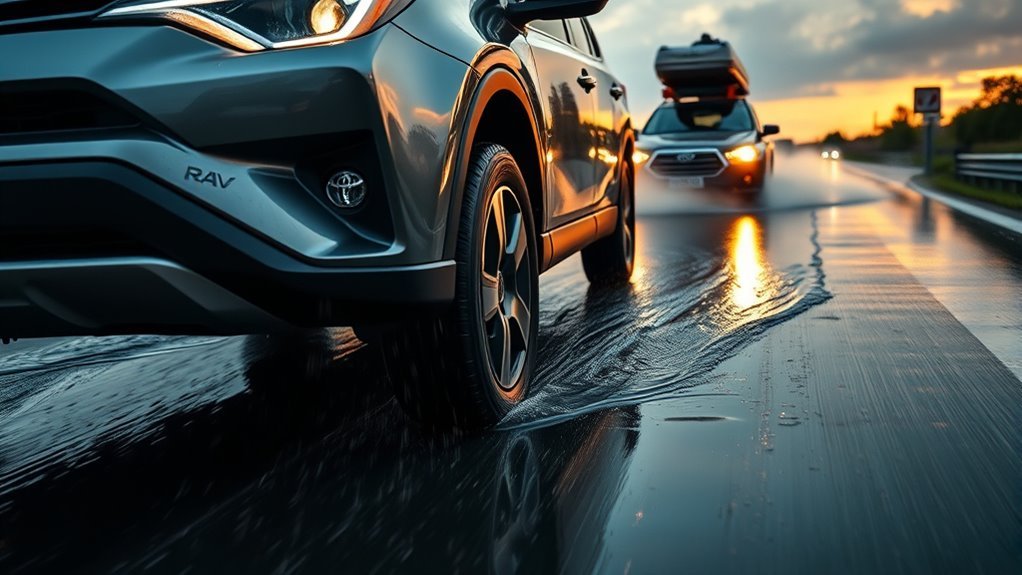
Although road design and weather set the stage, your RAV4’s tire choice, condition, pressure, and driving inputs determine hydroplaning risk. Choose 3PMSF all‑weather tires for consistent wet traction; maintain tread above 4/32″ to preserve groove capacity for water evacuation. Monitor tire pressure to maintain ideal contact patch; underinflation and overinflation both degrade channeling performance.
| Factor | Effect |
|---|---|
| Tire type | 3PMSF all‑weather improves wet grip |
| Tread depth | <4/32" raises hydroplaning chance |
| Inflation & inputs | Correct tire pressure and calm driving reduce risk |
Control driving speed to match surface conditions; slower speeds keep water flow within tread evacuation ability. Avoid abrupt steering, heavy braking, and aggressive cornering that overwhelm grooves and destabilize the contact patch. You’re responsible for proactive maintenance and intentional inputs; they liberate you from reactive hazards. Implement routine checks and adapt speed to standing water to minimize hydroplaning probability and retain command of your RAV4 in rain.
When to Replace RAV4 Tires: Measurable Signs Beyond the Wear Bar
You’ve managed tire selection, pressure, and driving to lower hydroplaning risk, but knowing when to replace tires goes beyond watching the wear bars. Monitor tread depth with a gauge; replace tires at 4/32″ to preserve wet traction, and never let depth fall to 2/32″, which markedly increases hydroplaning risk. Inspect for tread chunking and visible cracks; these defects compromise contact patch integrity and can require replacement before legal wear limits.
Track tire age: rubber compounds degrade over time, so consider replacement at six years even if tread appears adequate. Note changes in handling or reduced wet traction—longer stopping distances, reduced steering response, or a loss of bite in rain indicate functional deterioration. Use objective measures: tread depth readings, photographic documentation of chunking or cracking, and dated purchase or DOT codes to confirm tire age. Replace based on measured degradation, not just wear-bar visibility, to maintain wet-weather safety and preserve your autonomy on the road.
Best Tire Choices for the RAV4: All‑Season, All‑Weather, and Summer Options
When choosing tires for your RAV4, prioritize the compound, tread design, and certification to match your climate: all‑season tires offer balanced year‑round performance but can’t match all‑weather 3PMSF-rated rubber in snow, while summer tires deliver superior dry and wet grip yet become unsafe in cold or icy conditions.
Choose based on tire performance and climate considerations so you stay mobile and free. All‑season suits mild regions; all‑weather with 3PMSF fits mixed winter/wet demands; summer maximizes grip in warm, wet pavement. Maintain at least 4/32″ tread depth to reduce hydroplaning. Prefer V‑shaped tread for water evacuation.
- All‑season: balanced compound, moderate wet grip, limited snow capability.
- All‑weather (3PMSF): proven snow traction, strong wet performance, versatile.
- Summer: highest dry/wet grip, soft compound, poor cold performance.
- Tread depth ≥4/32″: essential for hydroplaning resistance.
- V‑shaped patterns: prioritize water evacuation and directional stability.
Select tyres (UK spelling optional) that liberate your driving confidence under expected conditions.
Inspecting Tires and Working With Shops to Improve Wet Performance
After choosing tires suited to your climate and driving needs, inspect them regularly to keep wet traction reliable. You’ll perform routine tire maintenance: measure tread depth (target ≥4/32″), scan for chunking, cracks, and uneven wear, and verify pressure against Toyota’s specifications. Underinflation or overinflation reduces contact patch and elevates hydroplaning risk; adjust pressures cold. Use inspection tips such as the penny or tread gauge test and document wear patterns to identify alignment or suspension issues that undermine wet performance. If you detect significant deterioration—common in worn Michelin Primacy A/S—consult a professional. Bring recorded measurements to shops like Discount Tire for a thorough inspection, balancing replacement cost with gains in wet braking and hydroplaning resistance. Use TireRack comparisons to select upgrades (for example Michelin CrossClimate2) optimized for rain. You’ll reclaim control by combining disciplined inspection, targeted maintenance, and informed choices with reputable shop support.
Frequently Asked Questions
Do You Turn on Traction Control When It’s Raining?
Yes—you should leave traction control on in rain; traction control benefits include reduced wheel spin and stability. Pair it with rain driving tips like proper tire tread and pressure, and you’ll retain greater control and freedom.
What Drive Mode Is Best for Rain?
Choose AWD for rainy conditions: it boosts tire performance, balances power, and stabilizes handling. Use Eco to smooth acceleration and limit wheel spin; avoid Sport’s aggressive throttle—trust traction control and proper tire maintenance for freedom on wet roads.
At What Speed Do Most Tires Lose All Traction With the Road During a Heavy Rain?
You’ll typically lose all road contact above about 50–60 mph in heavy rain; hydroplaning risk rises sharply past 30 mph, especially with reduced tire tread, so keep speeds low and tires well maintained for freedom.
Conclusion
Wet traction isn’t mystical—it’s measurable grip you depend on when rain turns pavement into mirror. Stay calm if hydroplaning: ease off throttle, steer gently, avoid braking hard. Monitor tread depth, pick patterns and rubber compounds engineered to channel water, and adjust speed, weight distribution, and suspension to lower risk. Replace tires before legal limits; inspect regularly and consult reputable shops. Treat wet traction like a safety system: proactive maintenance keeps control in your hands.

Related Articles

Upsizing Wheels on a Toyota RAV4: Pros, Cons, and Considerations
Boost your Toyota RAV4's performance with larger wheels, but discover the hidden trade-offs that could impact your ride before you decide.
Read More
Can I Change Tire Size on My Toyota RAV4? Rules and Recommendations
Are you considering changing the tire size on your Toyota RAV4? Discover the essential rules and recommendations before making a decision.
Read More
What to Do If the TPMS Light Comes On in Your RAV4
Understand the steps to take when the TPMS light illuminates in your RAV4, as overlooking it could lead to serious tire problems.
Read More