
If you own a 2002–2006 Toyota Camry, start with the tire size shown on your driver-side door placard or in your owner’s manual. Many fifth-generation Camry sedans use 205/65R15, 215/60R16, or 215/55R17 tires, depending on trim, engine, wheel package, and market. Before you buy replacements, match the tire size, load index, speed rating, wheel diameter, and cold tire pressure to your specific car.
Quick Answer
Common 2002–2006 Toyota Camry tire sizes include 205/65R15 for many base and LE models, 215/60R16 for many XLE and SE 4-cylinder packages, and 215/55R17 for many SE V6 or 17-inch wheel packages. Your door placard is still the final authority.
Key Takeaways
- Check the driver-side tire and loading placard before buying tires because it lists the original size and recommended cold pressure.
- Do not use the maximum pressure printed on the tire sidewall as your daily inflation target.
- Match the original load index and speed rating, or choose a replacement tire that meets or exceeds them.
- Rotate tires about every 5,000 to 8,000 miles, unless your owner’s manual or tire warranty gives a different schedule.
- Replace tires when tread reaches 2/32 inch, when damage appears, or when age-related cracking makes them unsafe.
At a Glance
| Time Required | 5 minutes to confirm tire size and pressure; 15 minutes for a full visual tire check. |
| Difficulty | Easy for checking size and pressure; professional help recommended for wheel or tire-size changes. |
| Tools Needed | Tire-pressure gauge, tread-depth gauge or penny, flashlight, and your owner’s manual. |
| Cost | Checking is free. Replacement cost depends on tire size, brand, season type, installation fees, and local labor rates. |
Understanding Tire Sizes: Why They Matter for Your Camry
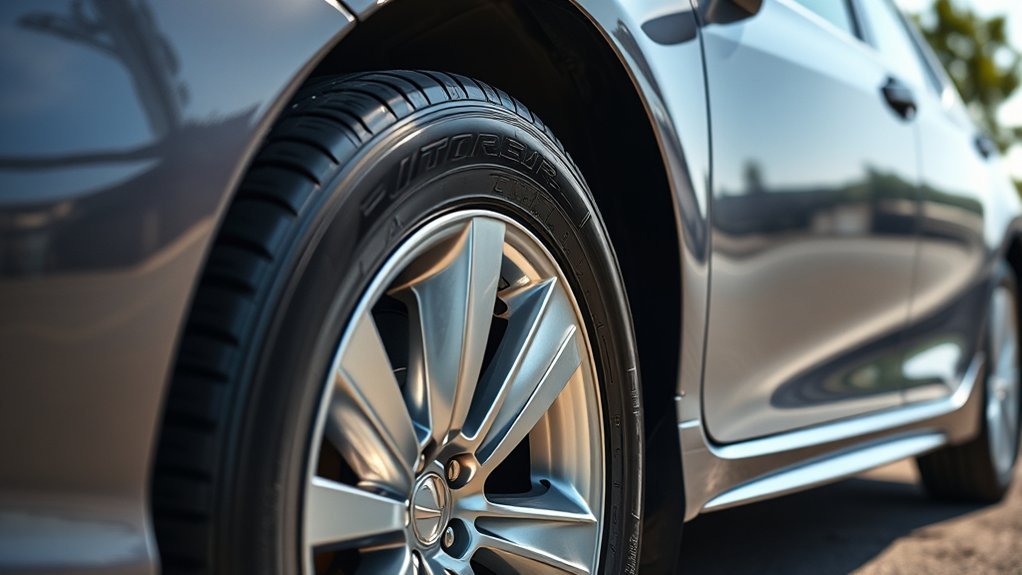
The tire size affects how your Camry steers, brakes, rides, and reports speed. A tire that is too tall can throw off the speedometer and rub against the wheel well. A tire that is too wide can change steering feel, fuel economy, and suspension clearance.
A tire size such as 205/65R15 tells you four important things. The first number is the tire’s section width in millimeters. The second number is the sidewall height as a percentage of the width. The letter R means radial construction. The final number is the wheel diameter in inches.
That means a 205/65R15 tire is about 205 mm wide, has a sidewall height equal to 65% of that width, uses radial construction, and fits a 15-inch wheel. The same logic applies to 215/60R16 and 215/55R17 sizes.
Note: Online fitment charts are helpful, but your Camry’s driver-side door placard and owner’s manual should guide the final tire-size and pressure decision.
Toyota Camry Tire Sizes for 2002–2006 Models
The 2002–2006 Toyota Camry was sold with different wheel and tire packages by trim, engine, and market. The table below covers common U.S.-market fitments, but you should still confirm your exact car before ordering tires.
| Camry Trim / Wheel Package | Common Tire Size | What to Check |
|---|---|---|
| Base, CE, and many LE models | 205/65R15 | Confirm 15-inch wheels and the original placard size. |
| Many XLE and SE 4-cylinder packages | 215/60R16 | Confirm 16-inch wheels, load index, and speed rating. |
| Many SE V6 and 17-inch wheel packages | 215/55R17 | Confirm 17-inch wheels, rating, and clearance before replacing or upsizing. |
You may also see different sizes if a previous owner changed the wheels. That does not automatically mean the setup is correct. Compare the current tire size to the door placard, then ask a qualified tire shop to confirm clearance, load rating, rim width, and overall diameter if anything looks different.
Common Factory Tire Sizes, Ratings, and Pressure Notes
Official Toyota manual data for this generation shows that tire size, service description, wheel size, and cold pressure can vary by model year and grade. For example, one U.S. 2005 Camry owner’s manual lists P205/65R15, P215/60R16, and P215/55R17 options with different service descriptions and normal-driving pressure values. You can confirm your own manual through Toyota’s owner resources.
| Common Size | Common Service Description | Common Wheel Size | Pressure Note |
|---|---|---|---|
| P205/65R15 | 92T or 92H in many Toyota tables | 15-inch wheel | Often listed around 29 psi for normal driving, but check your placard. |
| P215/60R16 | 94V in many Toyota tables | 16-inch wheel | Often listed around 29 psi for normal driving, but check your placard. |
| P215/55R17 | 93V in many Toyota tables | 17-inch wheel | Often listed around 30 psi for normal driving, but check your placard. |
The number before the final letter is the load index. The final letter is the speed rating. For example, 94V is not the same as 92T. A replacement tire should meet or exceed the service description Toyota specified for your car unless a qualified tire professional confirms another safe option.
How to Confirm the Right Size Before You Buy
Before you order tires, check three places. First, open the driver-side door and read the tire and loading placard. Second, check the current tire sidewall. Third, check your owner’s manual through Toyota’s owner resources if you need another reference.
- Read the door placard: It lists the original tire size and recommended cold tire pressure.
- Read the sidewall: Match the tire size, load index, and speed rating to the placard or manual.
- Check wheel diameter: A 15-inch tire cannot fit a 16-inch or 17-inch wheel.
- Check all four tires: Mismatched sizes can affect handling, braking, and stability.
- Ask before changing sizes: A tire shop can check diameter, load capacity, rim width, offset, and clearance.
Warning: Do not choose a tire only because it fits the wheel. The replacement tire must also meet the vehicle’s load needs, speed rating needs, pressure requirements, and clearance limits.
Performance Variations: Tire Sizes by Trim Level
Each original Camry tire size changes the car’s feel slightly. A 205/65R15 tire usually gives the softest ride because it has a taller sidewall. A 215/60R16 tire balances comfort and response. A 215/55R17 tire often feels sharper because the sidewall is shorter, but ride comfort can feel firmer over rough pavement.
The SE trim often feels more responsive because of its suspension tuning and available larger wheel package. The tire does not work alone, though. Alignment, tread design, tire pressure, and tire condition all affect how your Camry handles.
If you want a quieter daily commute, a touring all-season tire in the correct size usually makes sense. If you want sharper steering, a performance all-season tire may fit your needs. If you drive in snow, ice, slush, or frequent freezing temperatures, dedicated winter tires are the safer seasonal choice.
Tire Pressure Specs for the 5th Generation
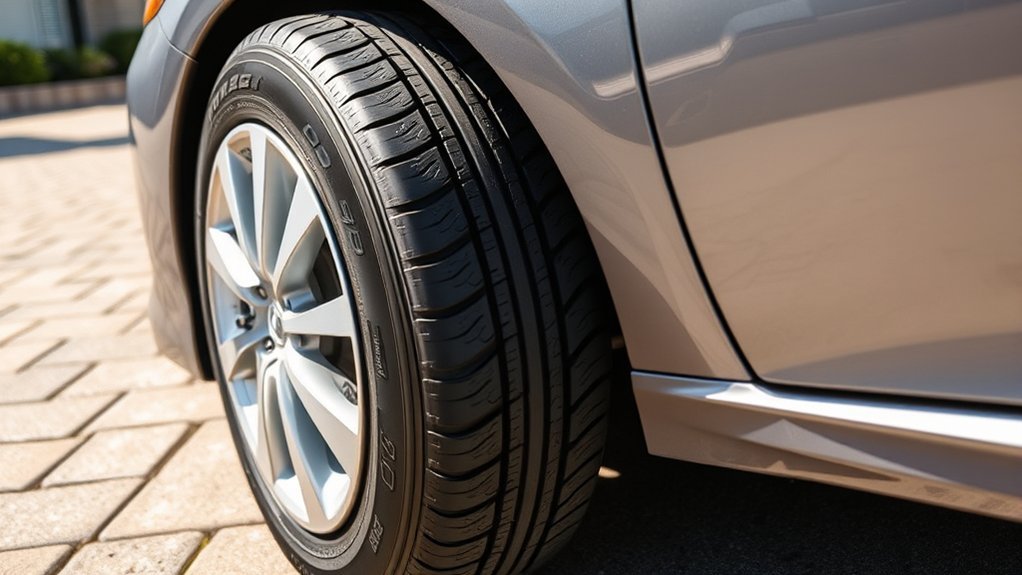
Do not treat one pressure number as universal for every 2002–2006 Camry. Depending on model year, tire size, trim, and use, Toyota manual tables may show values such as 29, 30, or 32 psi. The correct number for your car is printed on the tire and loading placard and explained in the owner’s manual. NHTSA tire-safety guidance also says to use the vehicle label or owner’s manual, not the sidewall maximum.
Recommended Tire Pressure
The recommended pressure is the vehicle’s cold inflation pressure, not the maximum pressure molded into the tire sidewall. The sidewall number shows the tire’s maximum pressure under rated load conditions. It is not your daily Camry pressure target.
Check all four tires and the spare at least once a month. Also check before long trips, after major temperature swings, and anytime the car pulls, wanders, vibrates, or rides rough.
Pressure Adjustments By Load
Do not use a fixed “add 1 psi per 100 pounds” rule. Load, tire construction, speed, and vehicle design vary too much for that shortcut. Instead, stay within the vehicle and tire limits, avoid overloading the car, and follow the owner’s manual for heavy passenger, cargo, or trailer use.
Seasonal Tire Pressure Changes
Cold weather can lower tire pressure, while warm weather can raise it. The U.S. Tire Manufacturers Association says pressure can change about one to two pounds for every 10°F temperature change. If your pressure drops below the placard value, inflate the tires back to the recommended cold pressure. Do not bleed air from hot tires just because the reading looks higher after driving.
Pro Tip: Keep a simple pencil-style or digital tire-pressure gauge in the glove box. Gas-station gauges can be worn, dropped, or inaccurate.
Compact Spare Pressure
If your Camry has a compact spare, treat it differently from the four regular tires. Toyota manuals for this generation list compact spare pressure separately, often at 60 psi. A compact spare is temporary, so check the spare tire sidewall and owner’s manual before using it, and replace the standard tire as soon as possible.
Choosing Replacement Tires for the 2002–2006 Toyota Camry
The best tire for your Camry depends on your exact size, local weather, road quality, and driving style. Major brands such as Michelin, Bridgestone, Goodyear, Continental, Pirelli, Yokohama, General, and Firestone often offer suitable choices in Camry sizes, but availability changes by year.
[Products Worth Considering]

Measure tire tread depth quickly and accurately with this LUMITECO dial gauge that reads in 1/32" increments up to 14/32". The color-coded green/yellow/red zones make it easy to judge tire wear and know when replacement is needed. A rugged, compact design with a protective pouch helps keep the gauge ready for use on cars, trucks, motorcycles, and more.

Monitor tire tread wear with a smart, color-coded depth gauge that shows clear condition ranges at a glance. The bar is range marked for fast, easy readings, helping you maintain safer traction and performance. Each gauge is portable with a pocket clip, and the set includes 20 units for daily use and sharing.

Accurately measure tire tread depth with a calibrated gauge marked from 0 to 1 inch in 1/32 inch increments. The color-coded bar helps you quickly identify tread condition ranges, supporting safe driving for trucks, motorcycles, automobiles, and passenger vehicles.
Popular Tire Types
Instead of shopping by brand alone, start with the tire category that fits your driving:
- Touring all-season tires: Best for quiet commuting, long tread life, and everyday comfort.
- Grand touring all-season tires: A good balance of comfort, wet grip, and highway stability.
- Performance all-season tires: Better steering response, but sometimes a firmer ride and shorter tread life.
- Winter tires: Best for regular snow, ice, slush, or freezing-weather driving.
Load Index, Speed Rating, and Durability
When you compare tires, check more than the size. The load index tells you how much weight each tire can carry. The speed rating tells you the tire’s tested speed category. For safe replacement, choose a tire that meets or exceeds the rating shown on your placard, manual, or original tire specification.
| Priority | What to Look For | Why It Matters |
|---|---|---|
| Comfort | Touring or grand touring tread design | Helps reduce road noise and harshness. |
| Wet grip | Strong wet-braking reviews and deep water channels | Supports safer stopping in rain. |
| Winter traction | Three-peak mountain snowflake winter rating | Improves cold-weather grip compared with normal all-season tires. |
| Long tread life | Treadwear warranty and even-wear reviews | Helps control long-term ownership cost. |
Winter Tires and Tire Chains
Winter tires can make a major difference if you regularly drive in snow, ice, slush, or freezing temperatures. Install winter tires on all four wheels, not only the front, so the car keeps more balanced grip when you steer or brake.
If you use tire chains, choose chains that match your tire size and local road rules. Toyota manuals for this generation give different chain guidance for P205/65R15 versus P215/60R16 and P215/55R17 tires. Wrong chains can damage the body, suspension, or brake components, so check your manual and the chain maker’s instructions before installation.
Warning: Do not mix winter tires with all-season tires on the same Camry for regular winter driving. Uneven grip can make the car harder to control on slippery roads.
[Products Worth Considering]

Keep your tires properly inflated with this analog VONDIOR tire pressure gauge, designed for fast, easy readings without batteries. The swiveling, two-axis hose and large glow dial help you measure at any tire angle with instant visibility. Built with a protective rubber shield, it supports durable, low-maintenance use for cars and trucks.

Steelman white tire marking crayons provide high-contrast, semi-permanent marks for repairing and inspecting tires and equipment. They write on wet or dry, smooth or coarse surfaces including rubber, metal, glass, and wood, making them ideal for puncture location and damage outlining. The lead- and zinc-free crayons resist weather and fading yet wipe away when you no longer need the marks.

Milton S-921 pencil tire pressure gauge helps you maintain optimal tire pressure for passenger cars with accurate readings in PSI and kPa. It features a built-in deflator valve for convenient pressure adjustments, plus a single chuck head and nylon indicator bar for easy use on the go. Built from durable plated brass and designed for reliable performance, it’s a practical road trip and cold-weather maintenance tool.
Easy Tire Maintenance Tips for Your Camry
Good tire care helps your Camry ride better, stop more predictably, and avoid early tire replacement. You do not need special tools for the basics, but you do need a steady routine.
- Check cold tire pressure monthly: Use the placard value, not the sidewall maximum.
- Rotate tires regularly: A 5,000 to 8,000-mile interval works for many drivers, but follow your tire warranty and owner’s manual.
- Measure tread depth: Replace tires at 2/32 inch, and consider replacing sooner if wet traction feels weak.
- Inspect for damage: Look for cracks, bulges, exposed cords, nails, and uneven wear.
- Check tire age: Read the DOT date code and ask a tire professional if older tires show cracking, hardening, or repeated air loss.
- Keep alignment in check: Pulling, vibration, or rapid edge wear often points to alignment or suspension issues.
- Check recalls: Use NHTSA’s recall tool for tire or vehicle safety recalls.
Warning: A tire with a sidewall bulge, exposed cords, deep cracking, or repeated air loss needs professional inspection right away. Do not rely on pressure top-offs to hide a damaged tire.
Changing Tire Sizes on Your Toyota Camry?
You can sometimes change tire size safely, but it requires more than picking a wider tire. The replacement size should stay close to the factory overall diameter, clear the suspension and fenders, and fit the approved rim width. Many tire shops use a rough ±3% diameter range as a starting point, but closer is usually better.
Wider tires may improve steering response or dry grip, but they can also add road noise, reduce fuel economy, and increase rubbing risk. Lower-profile tires can sharpen handling, but they usually ride firmer and offer less cushion against potholes.
If you plan to plus-size from a 15-inch wheel to a 16-inch or 17-inch wheel, confirm the full package first. Check wheel width, offset, bolt pattern, center bore, tire diameter, load rating, speed rating, and clearance before buying.
The safest replacement tire is not just the tire that fits. It is the tire that matches your Camry’s size, load capacity, speed rating, pressure requirement, and driving conditions.
[Products Worth Considering]

The 22800 wheel stud installer makes replacing wheel studs quick and secure, saving time and effort during tire service. It uses a ratchet or impact wrench to pull new studs firmly into place, helping when existing studs are too long. Compatible with most automotive wheels and light-duty truck wheel studs, it’s designed for easy, tool-assisted installation.

The SAFELIFE dial tire tread depth gauge measures tread depth in 1/32 inch increments with clear, easy-to-read 2-inch dial face. Color zones using a traffic light system help you quickly judge whether tread is low, marginal, or ample for safer driving. Built with a durable zinc cast body and a metal detect probe for precise, comfortable use across cars, motorcycles, trucks, and buses.

This VEVOR tire bead breaker uses a slide-hammer impact and wedge tip to separate tire beads from rims quickly and efficiently without damaging hub surfaces. The long handle and sturdy steel construction help reduce user strain while providing reliable, portable tire changing for cars, trucks, and more. Ideal for home mechanics and repair shops handling multiple vehicle tire sizes.
Camry Tire Size and Care Checklist
Use this short checklist before you replace or service tires on a 2002–2006 Toyota Camry:
- Confirm the tire size: Check the door placard first, then compare it with the sidewall size.
- Match the wheel diameter: The last number in the tire size must match your wheel diameter.
- Confirm load and speed ratings: Match or exceed the original service description unless a tire professional confirms another safe setup.
- Confirm pressure: Inflate to the cold pressure shown on the placard.
- Check tread depth: Replace tires at 2/32 inch, or sooner if traction is poor.
- Inspect tire age: Old tires can become unsafe even if tread remains.
- Replace in matched sets when possible: Matching size, model, and tread depth helps stable handling.
Frequently Asked Questions
Can I mix different tire sizes on my Camry?
You should not mix different tire sizes unless Toyota or a qualified tire professional confirms the setup is safe. Mixed sizes can affect braking, handling, speedometer accuracy, and stability. For normal driving, keep all four tires the same size, type, and similar tread depth.
What is the lifespan of tires on a Toyota Camry?
Tire life varies by tire model, driving habits, climate, alignment, rotation schedule, storage, and road conditions. Many tires wear out before age becomes the main concern, but you should replace any tire that reaches 2/32 inch tread depth, shows damage, loses air repeatedly, or has age-related cracking.
How often should I rotate my Camry’s tires?
A rotation interval of about 5,000 to 8,000 miles works for many 2002–2006 Camry owners. Follow your owner’s manual and tire warranty because some tires, driving patterns, and wheel setups require a different schedule.
Are winter tires recommended for the Camry?
Winter tires are a smart choice if you regularly drive in snow, ice, slush, or freezing temperatures. They use cold-weather rubber and tread patterns designed for winter grip. Install winter tires on all four wheels for balanced handling.
How do I choose the right tire brand for my Camry?
Start with your exact size, load index, speed rating, climate, and driving needs. Then compare current tires from reputable brands by wet braking, ride comfort, treadwear warranty, road noise, and owner reviews. The best brand is the one that offers the right tire for your specific use.
Is 48 to 52 psi correct for a 2002–2006 Camry?
No, not as a normal daily recommended cold pressure. A number in that range may appear as a maximum pressure on some tire sidewalls, but your Camry’s recommended pressure comes from the driver-side placard and owner’s manual.
What tire pressure should I use for 205/65R15, 215/60R16, or 215/55R17?
Use the cold pressure on your Camry’s door placard or owner’s manual. Some Toyota manual tables for this generation show 29 psi, 30 psi, or 32 psi depending on tire size, model year, and driving condition. Do not copy another trim’s pressure without checking your own car.
What do 92T, 92H, 94V, and 93V mean?
The number is the load index, and the letter is the speed rating. These markings are part of the tire’s service description. When you replace tires, choose a tire that meets or exceeds the original service description unless a qualified tire professional confirms another safe choice.
Can I use 17-inch SE tires on a Camry that came with 15-inch wheels?
Not without changing the wheels and confirming the full fitment. A 17-inch tire will not fit a 15-inch wheel. You would need compatible 17-inch wheels, the correct tire size, proper offset, proper load and speed ratings, and enough clearance.
Conclusion
Your 2002–2006 Toyota Camry will drive its best when the tires match the car’s original fitment needs. Common sizes include 205/65R15, 215/60R16, and 215/55R17, but your door placard should always guide the final choice.
Check pressure monthly, rotate tires on schedule, inspect tread and sidewalls, and replace damaged or worn tires promptly. If you want to change sizes, confirm the full wheel-and-tire package before buying. The right tire setup protects ride comfort, steering feel, braking, and long-term reliability.
Sources
- Toyota Owners: Manuals and Warranties — supports checking the owner’s manual for vehicle-specific tire size, pressure, and service information.
- Toyota 2005 Camry Owner’s Manual PDF — supports common Camry tire sizes, service descriptions, wheel sizes, and cold pressure examples.
- NHTSA TireWise Tire Safety — supports using the vehicle label or owner’s manual for pressure, checking tires cold, replacing at 2/32 inch, and choosing correct tire size.
- NHTSA Recalls — supports checking vehicle, tire, and equipment recalls before replacement or service.
- U.S. Tire Manufacturers Association Tire Care Essentials — supports monthly pressure checks, temperature-related pressure changes, tread checks, and rotation guidance.
- USTMA Tire Care and Safety Guide PDF — supports tire inspection, damage checks, treadwear indicators, DOT date-code awareness, and tire service-life cautions.