A 4Runner rides on bigger, heavier tires than a car, and many owners upgrade to all-terrain or light-truck tires, so a new set costs more than most drivers expect. Here is what 4Runner tires cost by size and type, and how the redesigned 2025 model changes the numbers.
Quick Answer
Discount Tire says 4Runner tires range from about $120 to $350+ per tire, so a set of four usually runs about $480 to $1,400+ before installation. Most 2010-2024 4Runners use 265/70R17; 2025-2026 models use 245/70R17, 265/70R18 or 265/55R20. Highway tires cost least; LT-rated all-terrain and mud-terrain tires cost most.
Key Takeaways
- Discount Tire lists 4Runner tires at about $120 to $350+ each.
- For 265/70R17, most listings on TireSize.com fall between $150 and $300 per tire.
- LT (Load Range E) all-terrain tires cost more and weigh more than passenger-rated tires.
- The 2025+ 4Runner uses three new factory sizes; check your door placard before buying.
How Much Do 4Runner Tires Cost?
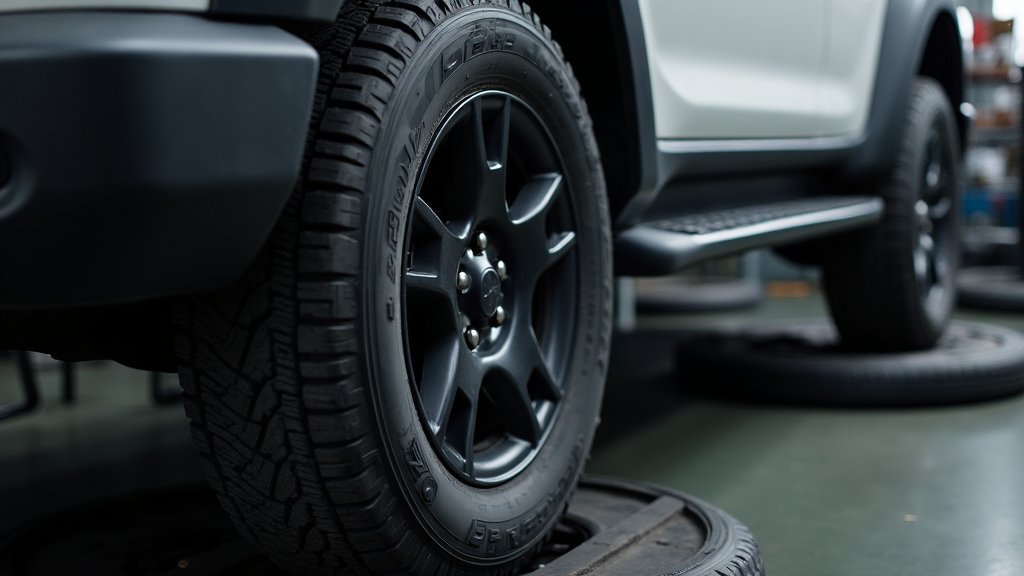
Discount Tire puts Toyota 4Runner tires at roughly $120 to $350 or more per tire, depending on size and type. Price listings for the common 265/70R17 size show the same pattern: on TireSize.com, most of the 265/70R17 tires listed for a 2024 4Runner fall between $150 and $300, with more than 40 options above $300.
| Tire type | Example (listed price) | Typical per tire |
|---|---|---|
| Budget all-terrain | West Lake SL369 265/70R17: $144.99 | About $120-$160 |
| Highway (H/T) | Uniroyal Laredo HT 265/70R18: $203.99 | About $170-$240 |
| Premium all-terrain (LT) | Toyo Open Country A/T III LT265/70R17: $293.89 | About $250-$350+ |
| 20-inch highway | Yokohama Geolandar H/T G056 245/60R20: $1,047.96 for four | About $260+ |
Note: Example prices come from retailer listings checked in November 2026 and will change. They show the spread between tire types rather than a fixed price.
Products Worth Considering

Keep your tires properly inflated with this analog VONDIOR tire pressure gauge, designed for fast, easy readings without batteries. The swiveling, two-axis hose and large glow dial help you measure at any tire angle with instant visibility. Built with a protective rubber shield, it supports durable, low-maintenance use for cars and trucks.

Milton S-921 pencil tire pressure gauge helps you maintain optimal tire pressure for passenger cars with accurate readings in PSI and kPa. It features a built-in deflator valve for convenient pressure adjustments, plus a single chuck head and nylon indicator bar for easy use on the go. Built from durable plated brass and designed for reliable performance, it’s a practical road trip and cold-weather maintenance tool.

Marsflex brand TPMS replacement sensors help restore tire pressure monitoring for compatible Toyota, Lexus, Scion, and Pontiac models. Each sensor is pre-programmed for the vehicle application and includes a long-life battery for up to 8 years of normal use. Designed to replace common OE numbers and requires relearning using a TPMS scan tool after installation.
4Runner Tire Sizes by Generation
| Model years | Trims | Factory size |
|---|---|---|
| 2010-2024 | SR5, Trail, TRD Off-Road, TRD Pro | 265/70R17 |
| 2010-2024 | Limited, TRD Sport | 245/60R20 |
| 2025-2026 | SR5 | 245/70R17 |
| 2025-2026 | TRD Off-Road, TRD Pro, Trailhunter | 265/70R18 |
| 2025-2026 | TRD Sport, Limited, Platinum | 265/55R20 |
The 18- and 20-inch sizes on the new 4Runner have fewer budget options than the long-running 265/70R17, so expect prices toward the middle and upper end of the range. Trailhunter and TRD Pro owners can find more detail in our Trailhunter tire size guide.
Highway, All-Terrain or Mud-Terrain?
Tread type changes the price as much as size does. Highway tires are the cheapest and quietest and last longest. All-terrain tires add off-road grip and cost more, especially in LT construction with Load Range E sidewalls. Mud-terrain tires cost the most and wear fastest on pavement. If you split time between trails and highway, a hybrid-terrain tire is a middle option; see what a hybrid-terrain tire is.
Warning: Heavier LT tires can reduce fuel economy and ride comfort. Make sure any replacement tire meets the load index and speed rating on your 4Runner’s tire placard.
Products Worth Considering

The 22800 wheel stud installer makes replacing wheel studs quick and secure, saving time and effort during tire service. It uses a ratchet or impact wrench to pull new studs firmly into place, helping when existing studs are too long. Compatible with most automotive wheels and light-duty truck wheel studs, it’s designed for easy, tool-assisted installation.

The ETENWOLF T500 digital tire pressure gauge with inflator delivers accurate readings across a wide 0–250 PSI range, calibrated to ANSI B40.7 Grade 2A. An all-in-one tool combines gauge, air chuck, hose, inflating and controlled bleed for checking, inflating, and deflating tires on many vehicle types. It’s built for reliable use in extreme temperatures and features an illuminated backlit display with replaceable AAA batteries for convenient operation.

These aluminum alloy tire valve stem caps with an O-ring seal help protect valve stems from corrosion while adding a clean, stylish look to your vehicle. The universal fit works across cars, trucks, motorcycles, bicycles, and more, making them an easy upgrade for everyday driving and off-road use. Installation is quick, and the included four-pack keeps all your tires dressed and protected.
Extra Costs and Ways to Save
- Mounting, balancing and TPMS service kits add to the shelf price.
- A full-size matching spare means buying five tires, not four, if you want an even five-tire rotation.
- Buy during rebate periods and compare out-the-door quotes.
- Rotate every 5,000 miles and keep pressure at the placard value; see 4Runner tire pressure in cold weather.
Frequently Asked Questions
How much is a set of tires for a 4Runner?
Using Discount Tire’s range of about $120 to $350+ per tire, a set of four costs roughly $480 to $1,400+ before installation.
What size tires are on a 2025 4Runner?
The SR5 uses 245/70R17; TRD Off-Road, TRD Pro and Trailhunter use 265/70R18; TRD Sport, Limited and Platinum use 265/55R20.
Are all-terrain tires worth the extra cost on a 4Runner?
If you drive gravel, snow or trails regularly, yes. For mostly highway driving, a highway tire is cheaper, quieter and usually lasts longer.
Should I replace the spare when I buy new 4Runner tires?
If your full-size spare is the same size and in good condition, including it in a five-tire rotation spreads wear evenly, but it means buying five tires next time.
Sources
- Discount Tire: Toyota 4Runner tires
- TireSize.com: 2024 4Runner SR5 Premium tire prices
- TireSize.com: 2025 Toyota 4Runner tire sizes
- Express Oil: 2025 4Runner TRD Off-Road Premium tires
Products Worth Considering
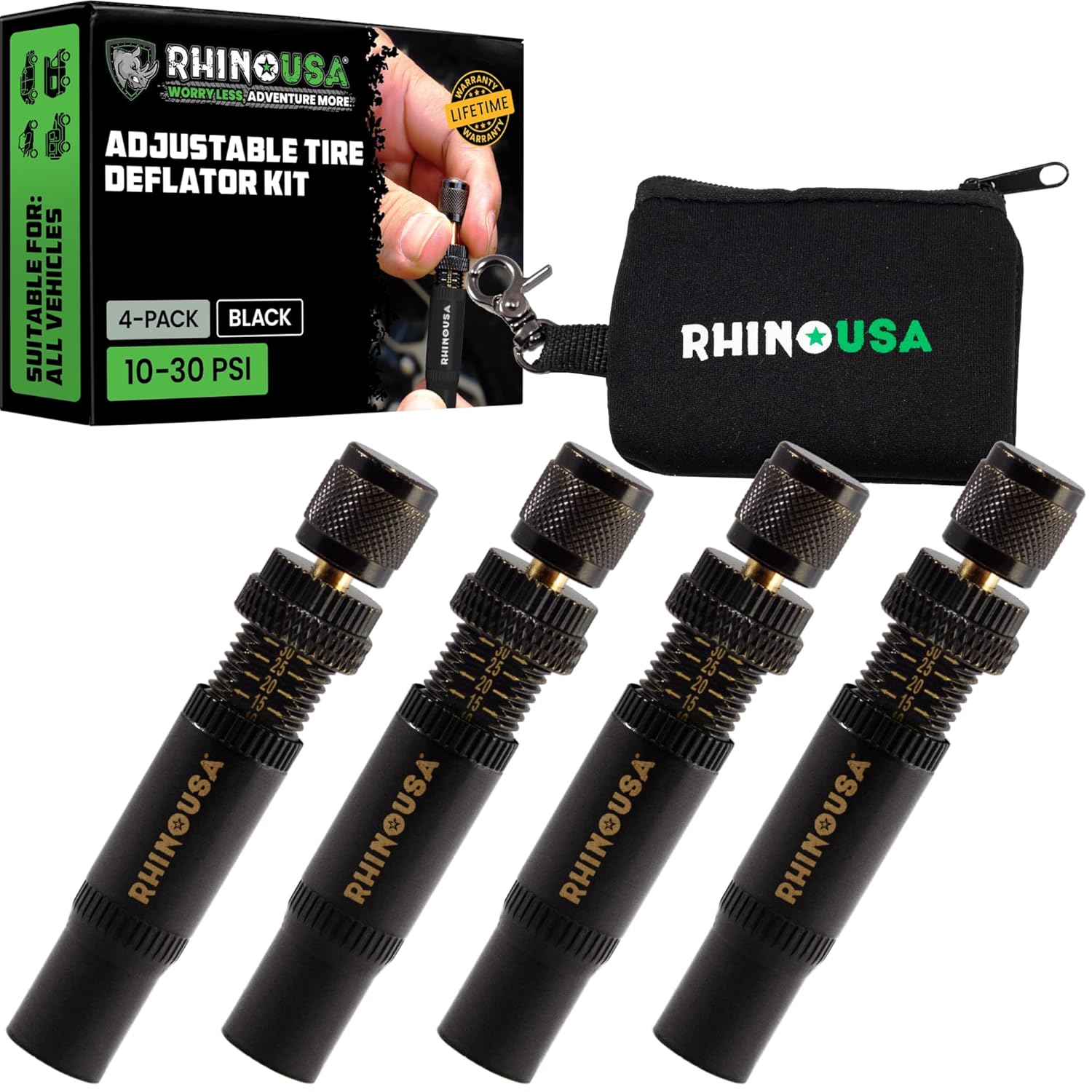
Use the Rhino USA adjustable tire deflators to air down all four tires at once by screwing one deflator onto each valve stem, letting you step away while the tires reach your preset pressure. Each deflator independently adjusts across a 10–30 PSI range with laser-etched indicators for quick setup and verification, making it ideal for beach, sand, and rocky off-road trails.

These universal tire valve stem caps help protect valve cores from dust, debris, and moisture while helping maintain stable tire pressure. The corrosion-resistant metal construction and sealed design provide reliable protection in road grime, mud, and winter conditions. Twist-on installation makes them quick to fit on cars, SUVs, trucks, and motorcycles.

Masoll Gen 2 external TPMS sensors are a DIY replacement set of 4 for select GM vehicles made after 2006, helping you shut off the TPMS warning light quickly. Simply screw the sensors onto the tire valves and sync to your car ECU using the included EL-50448 relearn tool. Dual-frequency 315/433 MHz design provides OEM-level performance with accurate readings and replaceable batteries for about two years.