
The 4Runner is built for rough roads, but snow chains still have rules. Toyota specifies which axle gets chains, and the redesigned 2025 4Runner adds restrictions for some tire sizes. Here is what the manuals say for each generation and how to fit chains without damaging the truck.
Quick Answer
For fifth-generation 4Runners (2010-2024), Toyota says to install tire chains on the rear tires only, as tightly as possible, and re-tighten after 1/4 to 1/2 mile. On the sixth-generation 4Runner (2025+), the manual restricts chains on some tire sizes, including 265/70R18; owners with those tires should check the manual and use winter tires if chains are not allowed.
Key Takeaways
- 4Runner chains go on the rear tires, not the front.
- Toyota specifies chain link size limits; retailers cite a 5 mm maximum for the 2022 4Runner.
- Some 2025+ 4Runner tire sizes are not approved for chains.
- Re-tighten chains after the first 1/4 to 1/2 mile.
Toyota’s Chain Rules for the 4Runner
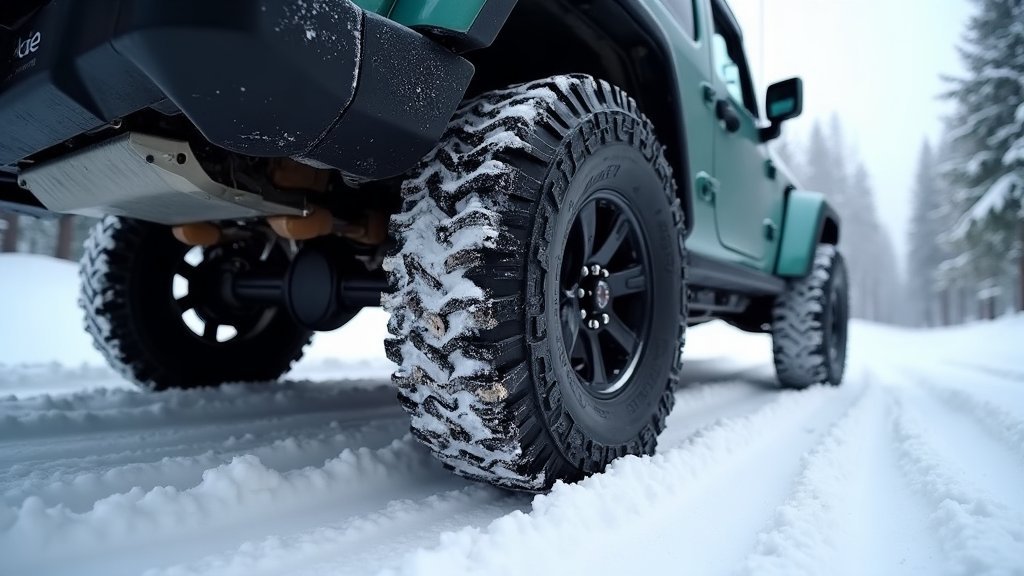
The 4Runner manual for the 2010-on generation says to install tire chains on the rear tires only, not the front, as tightly as possible, and to re-tighten them after driving 1/4 to 1/2 mile. For a 2022 4Runner with 265/70R17 tires, one retailer that checked the manual reports the same rear-only rule and a 5 mm maximum link thickness.
| Generation | Model years | Chain position | Notes |
|---|---|---|---|
| 5th gen | 2010-2024 | Rear tires only | Use chains of the correct size; re-tighten after 1/4-1/2 mile |
| 6th gen | 2025- | Per manual | Chains restricted on some sizes, including 265/70R18 |
Products Worth Considering

Milton S-921 pencil tire pressure gauge helps you maintain optimal tire pressure for passenger cars with accurate readings in PSI and kPa. It features a built-in deflator valve for convenient pressure adjustments, plus a single chuck head and nylon indicator bar for easy use on the go. Built from durable plated brass and designed for reliable performance, it’s a practical road trip and cold-weather maintenance tool.

Replace worn wheelchair rear tires with a universal 24x1 no-flat polyurethane foam option designed to mount tightly on 24-inch rims without the tire falling off. Installation is made easier with included tools and multiple methods, including using a pry bar or softening the tire in hot water to reduce resistance. The package includes two tires plus tie ropes for convenient fitting and handling.

These universal tire valve stem caps help protect valve cores from dust, debris, and moisture while helping maintain stable tire pressure. The corrosion-resistant metal construction and sealed design provide reliable protection in road grime, mud, and winter conditions. Twist-on installation makes them quick to fit on cars, SUVs, trucks, and motorcycles.
What Changed on the 2025 and Newer 4Runner
Owners of sixth-generation 4Runners report that the manual’s chain section applies only to “vehicles without 265/70R18 tires.” A chain retailer answering a 2026 owner with 265/70R18 tires said the chains physically fit, but it could not recommend them because the manual says not to use chains on that size. If your 4Runner has that size, winter tires are the approved route.
Note: Tire size rules can change by trim and model year. Read the chain section of your own owner’s manual before buying chains.
How to Fit Chains on the Rear Tires
- Put the transfer case in the mode Toyota recommends for slippery roads and park on a level spot.
- Lay the chains out and untangle them.
- Drape each chain over a rear tire, inner fastener first.
- Fasten the outer side and use the tensioners.
- Drive slowly for 1/4 to 1/2 mile and re-tighten.
- Stay at low speed and take the chains off once the road clears.
Warning: Do not fit chains to the front tires of a 4Runner. Toyota specifies the rear axle, and front chains can contact steering and suspension parts.
Products Worth Considering

Upgrade your Toyota tire setup with these corrosion-resistant, leak-proof valve stem caps designed to help protect the valve core from water, snow, and road grime. The caps feature a snug rubber seal and durable copper alloy construction to resist rust and oxidation while maintaining stable tire pressure. Ideal for replacing worn original caps and keeping your wheels looking clean and stylish.

Upgrade your Toyota’s wheels with durable aluminum alloy valve stem caps that help protect valve cores from corrosion and direct exposure to road grime, clay, water, and snow. Rubber rings improve sealing to help prevent air leakage and maintain stable tire pressure for safer driving. These caps are easy to install or remove without tools and add a unique, stylish look to your car.

The UYYE TPMS relearn tool helps activate and relearn tire pressure monitor sensors quickly, typically in minutes. It supports TPMS learn mode resetting using a simple three-step process: enter learn mode, position the tool near the valve stem, and press the learn button. Designed for specific GM models, it streamlines sensor programming and reduces trips to dealers or tire shops.
Chains vs Winter Tires
Chains are for short stretches of packed snow and ice or where the law requires them. For a whole winter of snowy roads, a set of winter tires on all four corners gives better braking and steering. Lower tire pressure in cold weather is normal, so check it often; see our guide to 4Runner tire pressure in cold weather.
Frequently Asked Questions
Do 4Runner tire chains go on the front or back?
Toyota says to install 4Runner tire chains on the rear tires only.
Can I put chains on a 2025 4Runner?
It depends on the tire size. The 2025+ manual restricts chains on some sizes, including 265/70R18. Check your manual’s chain section.
How thick can 4Runner chains be?
For the 2022 4Runner, a retailer that checked the manual cites a maximum link thickness of 5 mm. Confirm the limit in your manual.
Sources
- Toyota 4Runner owner’s manual: selecting tire chains
- Tire chains for 2022 4Runner 265/70-17 (etrailer)
- Tire chains on a 2026 4Runner with 265/70-18 (etrailer)
Products Worth Considering
HEB heavy duty inner tubes deliver reliable puncture resistance for fat tire electric bikes and mountain bikes running 20x4 or 26x4 tires. Built for rugged backcountry trails, they help prevent flats from rocks and thorns while providing stability and traction. Choose a single tube or multi-packs for better value and keep your ride running smoothly in all seasons.

The Topeak SmartGauge D2 delivers precise digital tire pressure readings for bikes, motorcycles, and sports equipment up to 250 psi (17 bar). Its rotating SmartHead works with both Presta and Schrader valves, so you can check pressure quickly without adapters. The LCD display makes it easy to read results in psi, bar, or kg/cm² with an included CR2032 battery for immediate use.

The Big Rig Defense Tire Thumper is a truck tire pressure checker that lets you quickly check multiple tires by giving them a firm whack. Listen for a reassuring thump and feel the stick bounce when a tire is fully inflated, helping you get back on the road safely. It features a comfortable, glove-friendly handle and a secure wrist strap for confident use on busy routes.