Choosing between run-flat tires and standard tires for your Toyota Hilux comes down to how you use the truck. Run-flats can help you keep moving for a short distance after pressure loss, but they need the right vehicle setup, tire size, load rating, wheel compatibility, and a working tire pressure monitoring system. Standard tires usually make more sense for most Hilux owners because they are easier to source, more comfortable on rough roads, and better suited to towing, payload, work use, and off-road driving.
Quick Answer
For most Toyota Hilux drivers, standard tires are the better everyday choice. Run-flat tires can add short-distance mobility after a puncture, but only if your Hilux, wheels, TPMS, load rating, tire size, and driving conditions support them. For towing, work use, remote roads, and off-road trails, a strong standard tire plus a usable spare is usually safer and more practical.
Key Takeaways
- Run-flat tires offer temporary mobility after pressure loss, but they still have speed, distance, load, heat, and damage limits.
- Standard tires usually ride better, cost less to replace, and are easier to find in Hilux-friendly highway, all-terrain, and light-truck sizes.
- Always match your Hilux tyre placard, owner’s manual, load index, speed rating, wheel size, pressure setting, and local rules before changing tire type or size.
- If you tow, carry heavy loads, or drive remote trails, do not treat run-flats as a full replacement for a spare wheel.
What Are Run-Flat Tires and How Do They Work?
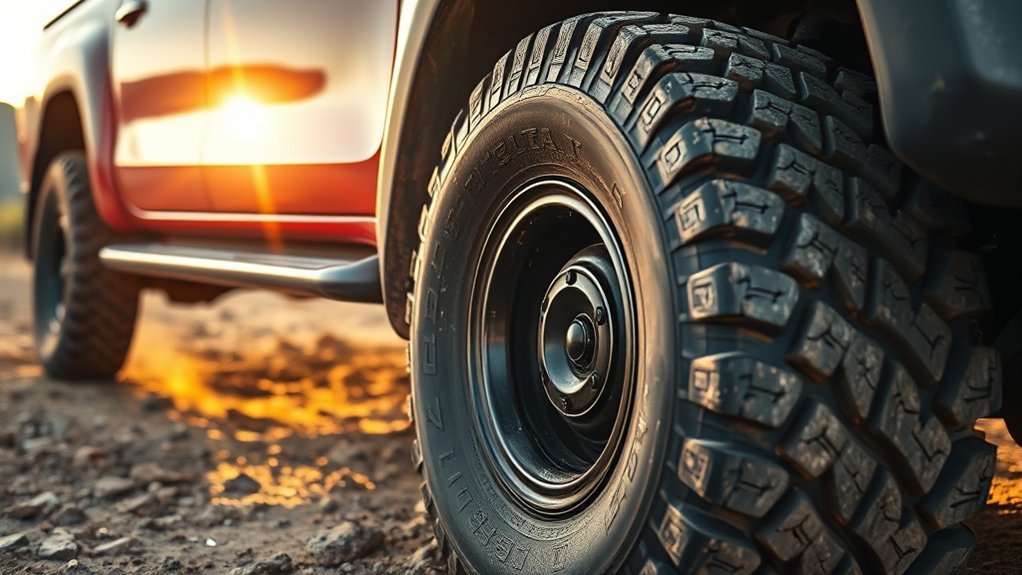
Run-flat tires are built to support the vehicle for a limited distance after a puncture or sudden air-pressure loss. Most self-supporting run-flats use reinforced sidewalls, while some systems use an internal support ring. In both cases, the goal is the same: give you enough temporary mobility to slow down, avoid a dangerous roadside tire change, and reach a safer place.
That does not mean you can keep driving normally. Bridgestone says its run-flat tires can continue for up to 50 miles at speeds up to 50 mph after inflation loss, but you must follow the exact tire maker’s limits. Different run-flat models may have different rules, and heavy loads, heat, rough roads, or sidewall damage can reduce the safe margin.
Warning: Do not use a run-flat tire as permission to keep towing, driving fast, or heading off-road after a puncture. Reduce speed, avoid heavy loads, stay within the tire maker’s distance limit, and have the tire inspected as soon as possible.
Run-flats also need a working tire pressure monitoring system. Because reinforced sidewalls may not look flat right away, you might not notice pressure loss without a TPMS alert. That matters on a Hilux, where payload, road surface, towing weight, and tire heat can all raise the risk after pressure drops.
What Are Standard Tires Compared to Run-Flats?
Standard tires are the conventional choice for most Toyota Hilux models. They do not support the vehicle after full air loss, so you need to stop, use a spare, use a repair kit only when appropriate, or call roadside help when a tire fails. Their main advantage is everyday practicality.
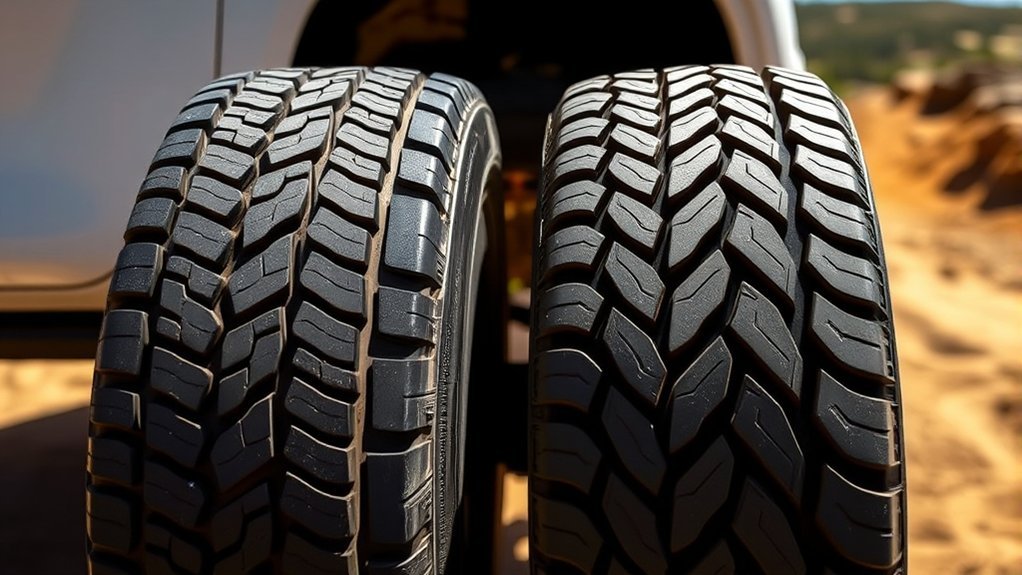
Standard Hilux tires are usually easier to find in load-rated highway, all-terrain, and mud-terrain designs. They also tend to ride better because the sidewalls can flex more naturally over potholes, corrugations, gravel, and broken pavement. That makes them a strong fit for daily driving, work sites, farm tracks, and weekend trails.
They are also simpler to assess for repair when the damage is minor and limited to the tread area. A tire professional still needs to remove the tire from the wheel and inspect it from the inside. If the puncture is in the sidewall or shoulder, if the tire was driven flat, or if internal damage exists, replacement is the safer option.
Key Differences Explained
The biggest difference is what happens after pressure loss. A standard tire needs immediate attention once it loses enough air. A run-flat may keep the vehicle moving for a short distance, but only under the tire maker’s limits and only when fitted to a compatible setup.
| Factor | Run-Flat Tires | Standard Tires |
| After a puncture | May keep you moving temporarily within speed and distance limits. | Requires a stop, spare, repair kit, or roadside help. |
| Ride comfort | Often firmer because of reinforced construction. | Usually smoother, especially on rough roads. |
| Availability | Limited in many truck, all-terrain, and high-load sizes. | Wide choice for Hilux highway, all-terrain, and work use. |
| Repair options | Often replaced after being driven with low or zero pressure. | Minor tread punctures may be repairable after inspection. |
| Best fit | Urban driving where short emergency mobility matters most. | Daily use, towing, loads, remote trips, and off-road driving. |
Advantages and Disadvantages
Run-flats give you one major advantage: you may avoid stopping immediately in a dangerous place. That can help on highways, city roads, or late-night driving. The trade-offs are firmer ride quality, limited availability, higher replacement cost in many sizes, and more complicated repair decisions.
Standard tires give you broader choice and better real-world flexibility. You can choose a highway-terrain tire for comfort, an all-terrain tire for mixed use, or a heavier-duty tire for load and work demands. The downside is simple: when a standard tire loses air, you cannot keep driving on it without risking wheel, tire, and safety damage.
What Are the Key Differences for a Toyota Hilux?
For a Toyota Hilux, the key differences are not just comfort and puncture response. You also need to consider tire load rating, size, wheel compatibility, TPMS, towing, payload, spare-wheel access, and the type of roads you drive.
- Puncture handling: Run-flats offer temporary mobility. Standard tires require a stop, spare, sealant kit, or roadside support.
- Construction: Run-flats use reinforced sidewalls or support systems. Standard tires rely on normal air pressure to carry the vehicle load.
- Ride quality: Standard tires usually feel more compliant on rough surfaces. Run-flats can feel firmer.
- Availability: Standard tires are easier to source in Hilux-friendly load-rated and all-terrain sizes.
- Repairability: Standard tread punctures may be repairable. Run-flats are often replaced after low-pressure driving because internal damage can be hidden.
- Remote-road practicality: A standard tire setup with a matching spare is usually easier to manage far from a tire shop.
- Towing and payload: The tire must meet the required load index and pressure for your actual use, not just the correct rim diameter.
Note: Toyota Hilux specifications vary by market, grade, year, and wheel package. Always check the tyre placard on your vehicle and the owner’s manual before changing tire size, tire type, load rating, or wheel package.
[Products Worth Considering]

This AUTOWN flat tire repair kit is designed for quick, reliable puncture repairs using a plug kit and spiral probe tool to simplify installation. Built for durability and safe handling, it offers strong adhesion and flexibility to help maintain tire air tightness. With a portable storage case and a multi-vehicle approach, it’s suitable for cars, motorcycles, ATVs, tractors, lawn mowers, RVs, jeeps, and trucks.
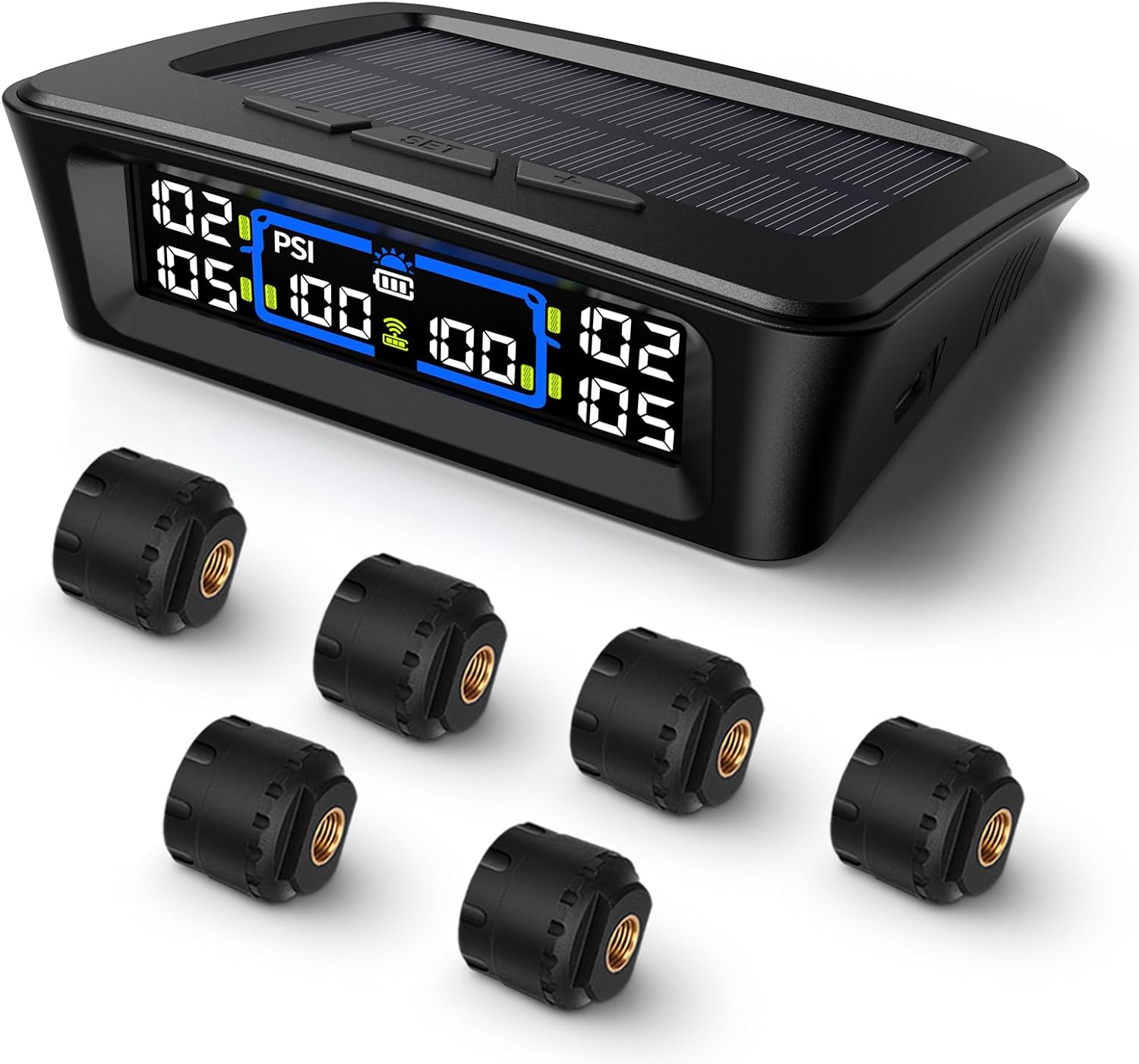
The Tymate TM12 RV TPMS delivers real-time tire pressure and temperature monitoring with a stable 433Hz display for safer long-distance driving. It supports simultaneous monitoring across vehicle and trailer zones, includes six alarm modes for pressure, temperature, leakage, battery, and signal loss, and features easy DIY installation with auto calibration. Power is supplied via USB-C charging or solar recharging, with a wide 0–144 PSI range and up to 50 ft signal coverage for RVs and towable trailers.

TireJect Off-Road Tire Sealant Kit provides 5-in-1 sealing to help fix tread punctures up to 3/8", sidewall punctures up to 3/8", bead leaks, slow leaks, and minor dry rot on low-speed tires. It permanently seals with liquid rubber, recycled tire particles, and Aramid fibers, making it ideal for flats caused by thorns, nails, and screws. The included dispensing cap attaches to the valve stem for a no-mess installation, along with a metal valve core remover tool and valve stem cap. This kit is for off-road use only.
How Do Run-Flats Compare in Performance on the Road?
On smooth pavement, run-flat tires can feel stable and controlled. Their reinforced construction helps the tire keep its shape when pressure drops. That is useful during a puncture, especially when you need time to move away from traffic.
The trade-off is comfort. A Hilux already uses a truck-style chassis, and firmer tire sidewalls can make bumps, potholes, and rough surfaces feel sharper. If you drive mostly in town, you may accept that trade-off. If you spend a lot of time on gravel, corrugations, construction sites, farms, or trails, standard tires usually give you a more forgiving ride.
Run-flats also need careful pressure management. The National Highway Traffic Safety Administration explains that TPMS warnings are not a substitute for regular tire maintenance. You should still check tire pressure when the tires are cold, inspect tread and sidewalls regularly, and check the spare before long trips.
Are Run-Flats Really Worth the Extra Cash?
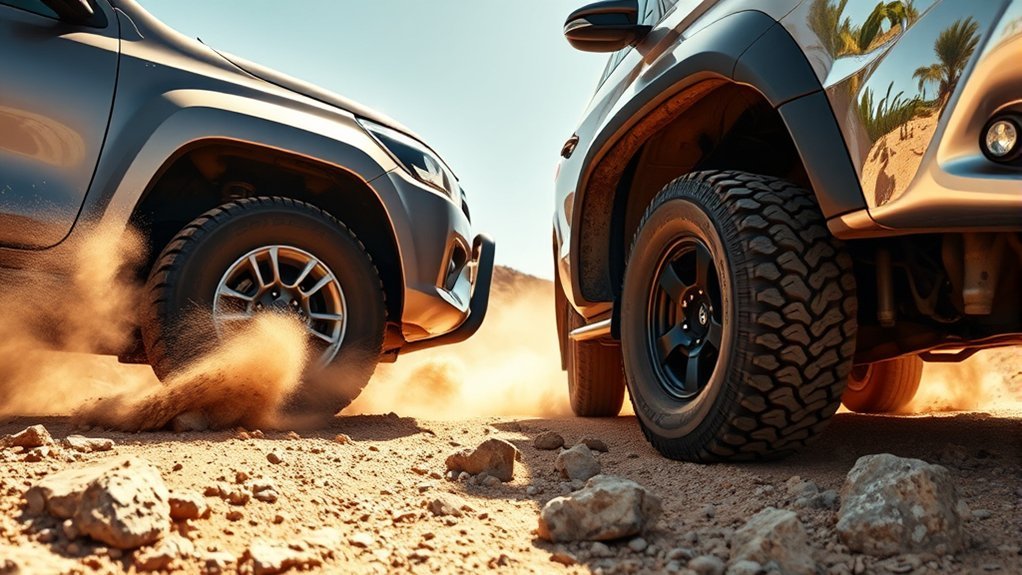
Run-flats are worth considering if you value short-distance emergency mobility more than comfort, price, and tire choice. They make the most sense when you drive mostly on sealed roads, stay close to tire shops, and have a Hilux setup that supports the correct run-flat size, load rating, wheel type, and TPMS requirements.
They make less sense if you use your Hilux as a work truck, tow often, carry heavy payloads, or drive remote roads. In those cases, a standard tire with the correct load index, a full-size spare, and a repair plan is usually the smarter setup.
Do not compare price alone. Compare the full ownership picture: replacement availability, ride comfort, repair options, spare-wheel needs, towing use, load capacity, and how quickly you can get a matching tire in your area.
[Products Worth Considering]
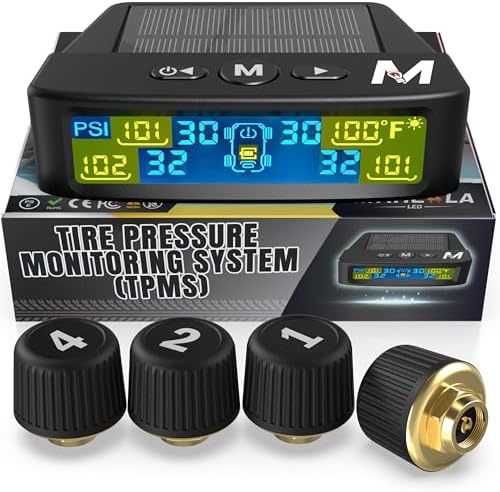
Marcala’s TPMS set of four sensors helps you monitor tire pressure and temperature in real time while driving, with updates every second. The bright color LCD uses auto-dimming for easy viewing, powered by dual solar and USB charging, and offers six alarm modes. Built for trailers, RVs, campers, trucks, and towing setups, the sensors support monitoring 1-4 wheels up to 98 PSI with IP67 waterproof protection.

These aluminum alloy tire valve stem caps with an O-ring seal help protect valve stems from corrosion while adding a clean, stylish look to your vehicle. The universal fit works across cars, trucks, motorcycles, bicycles, and more, making them an easy upgrade for everyday driving and off-road use. Installation is quick, and the included four-pack keeps all your tires dressed and protected.

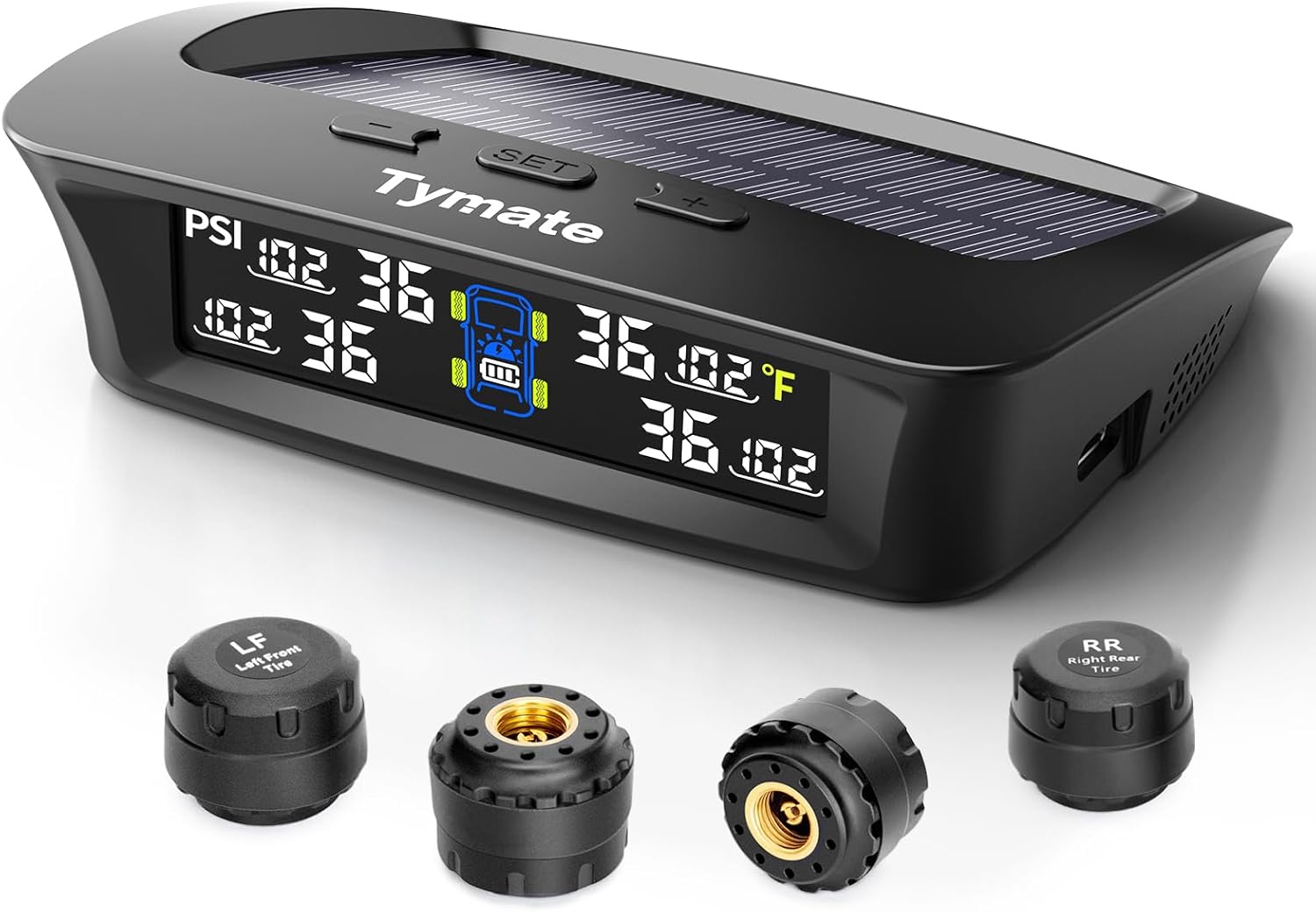
The TYAMATE TM8 solar-powered wireless TPMS delivers real-time tire pressure and temperature monitoring with six alarm modes for safer driving. A vibrant color LCD display shows readings clearly while windshield mounting keeps it hands-free and easy to read. With a wide 0–87 PSI range, strong 433.92 MHz signal transmission, and quick sensor pairing, it’s ideal for RV, sedan, SUV, MPV, and truck use.
Which Tire Type Offers More Safety and Protection?
Run-flats offer protection in one specific situation: pressure loss on a road where stopping immediately would be risky. They can help you stay in control and reach a safer place, as long as you stay within the tire maker’s speed and distance limit.
Standard tires offer protection in a different way. Because they are widely available in Hilux-appropriate sizes and load ratings, they can be easier to match to your actual driving. That matters when you tow, carry tools, drive gravel roads, or need all-terrain traction.
The safest tire is the one that matches your Hilux, your load, your roads, and your maintenance habits. NHTSA advises drivers to buy the same tire size as the original tires or another size recommended by the vehicle manufacturer. For a Hilux, that means your tyre placard and manual come before online fitment guesses.
A run-flat tire can help after pressure loss, but it does not cancel the need for correct tire size, load rating, pressure checks, TPMS, and a safe plan for your spare wheel.
What to Expect in Comfort and Ride Quality From Each Type?
Comfort is one of the biggest reasons Hilux owners choose standard tires. Their sidewalls can absorb more vibration, which helps on rough city roads, gravel tracks, and uneven job sites. If your Hilux is already firm when unloaded, standard tires may keep it more livable.
Run-flats can feel firmer because the sidewall needs extra strength. Newer designs may ride better than older run-flats, but they still prioritize temporary mobility after air loss. That can make them less appealing if comfort is your top concern.
For off-road driving, standard all-terrain or light-truck tires usually make more sense. They give you more tread-pattern choice, sidewall options, and load-rating choices. Run-flats are not automatically stronger for off-road abuse, and driving on a damaged run-flat over rocks, sand, or corrugations can still create serious damage.
Can You Repair a Punctured Tire?
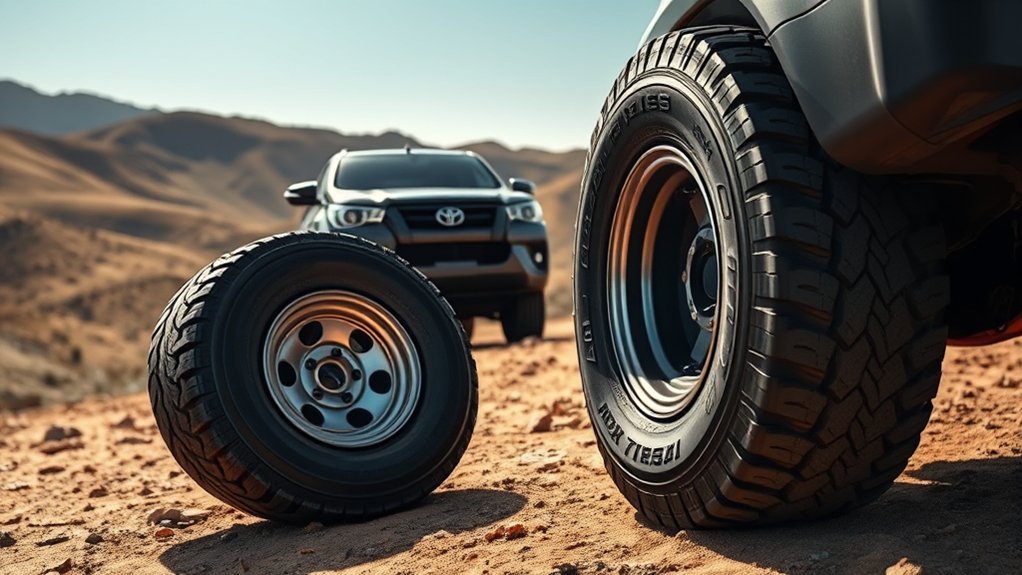
Sometimes, but the answer depends on the tire type, puncture location, damage size, speed driven after pressure loss, load carried after pressure loss, and what a tire professional finds after removing the tire from the wheel.
Repairing Run-Flat Tires
Run-flat tires are harder to judge after a puncture because reinforced sidewalls can hide internal damage. If you drove on the tire with very low or zero pressure, heat and sidewall stress may have weakened the tire even if the outside looks normal.
Many shops recommend replacing a run-flat after it has been driven underinflated. If repair is possible, it should only happen after a qualified technician inspects the tire according to the tire maker’s repair policy. Do not plug a run-flat on the roadside and treat it as a permanent fix.
Repairing Standard Tires
Standard tires are often more straightforward. A small puncture in the tread area may be repairable if the tire was not driven flat and there is no internal damage. The tire still needs a proper internal inspection and repair method.
Sidewall damage, shoulder damage, exposed cords, bulges, severe underinflation damage, or repeated punctures can make a tire unsafe. In those cases, replacement is the safer choice.
What to Do After a Puncture
If you suspect a puncture, treat it as a safety issue right away. Do not wait until the tire looks flat, especially if you are using run-flats.
- Slow down smoothly and avoid sudden steering or braking.
- Turn off cruise control and move toward a safe stopping place.
- Avoid towing, heavy throttle, rough tracks, and high-speed driving after pressure loss.
- Check the TPMS warning, visible damage, and tire pressure when it is safe.
- Use a spare wheel or roadside assistance if the tire is not safe to continue on.
- Have the tire removed from the wheel and inspected internally before any repair decision.
Limitations and Considerations
Never assume a tire is safe because it still holds air. A damaged tire can fail later under speed, heat, towing load, or rough-road use. This is especially important for a Hilux because the vehicle may carry heavy cargo or travel far from tire support.
Pro Tip: Keep a pressure gauge, tread-depth gauge, and your wheel-lock key in the Hilux. Check pressure monthly when cold, and check the spare before long trips.
How to Choose Tires for Your Toyota Hilux: Run-Flats vs. Standards
Start with fitment, not tire type. Your Hilux needs the correct size, load index, speed rating, rim size, and pressure. Toyota Australia’s June 2026 HiLux specification sheet lists 265/65R17 and 265/60R18 tyres across current 4×2 and 4×4 grades, but your market, model year, grade, and wheel package may differ.
Choose run-flat tires if you drive mostly on paved roads, have compatible wheels and TPMS, can find the correct Hilux load-rated size, and value short-distance mobility after a puncture.
Choose standard tires if you want better comfort, more tread choices, easier replacement, better off-road options, and a more practical setup for towing, payload, and remote travel.
| Your Hilux Use | Better Choice | Why |
| Mostly city and highway driving | Run-flat may work | Temporary mobility can help if stopping immediately would be unsafe. |
| Daily driving with rough roads | Standard tire | Usually better comfort and more forgiving sidewall behavior. |
| Towing or heavy payload | Standard light-truck or load-rated tire | More options for load rating, pressure, replacement, and spare matching. |
| Remote-road or off-road travel | Standard all-terrain or light-truck tire | Better size choice, easier replacement, and a more practical spare-wheel plan. |
[Products Worth Considering]

The Dr.Roc spare tire tool kit helps you release, lower, or raise your spare tire with reliable extension tools and a lug nut wrench. It is made from rustproof automotive-grade steel and includes an organized carry case for convenient storage. Designed for compatibility with select GM models from the late 1990s through 2019, it uses upgraded extension components to install and remove spare tires with less hassle.

Yieokei Tesla jack pads are molded rubber lifting pucks designed for 2016-2026 Model 3/Y/S/X, including Juniper, to fit securely in the jack hole. They cushion the underframe and help position the jack precisely at the factory jack points to reduce risk of battery, paint, or chassis damage. The set also includes a tire repair tool kit for emergency roadside fixes and comes with a portable storage case to keep everything organized.

AUTOWN’s 68-piece tire repair kit helps you fix punctures and plug flats quickly and effectively. It includes a T-handle and spiral probe tool for easy insertion, while the steel patch and plug materials are designed for strong adhesion and long-lasting airtight performance. The compact case makes it convenient for roadside repairs across a wide range of vehicles.
Run-Flat Compatibility Checklist
Before fitting run-flats to a Hilux, confirm every compatibility point with your Toyota dealer, tyre shop, or wheel specialist.
- The tire size matches your Hilux tyre placard or an approved alternate size.
- The load index and speed rating meet or exceed your vehicle and use requirements.
- The wheel is approved for the run-flat tire design.
- Your Hilux has a working TPMS or a professionally supported monitoring setup.
- The tire is suitable for your normal payload, towing, road surface, and climate.
- You know the tire maker’s zero-pressure speed and distance limit.
- You can get a matching replacement quickly if one tire fails.
- Your spare wheel, jack, tools, and wheel-lock key are present and usable.
Questions to Ask Before Buying
Before buying, ask the tire shop these questions:
- Does this tire match my Hilux tyre placard or an approved alternate size?
- Does it meet or exceed the required load index and speed rating?
- Will it work with my wheels and TPMS?
- Is it suitable for towing or heavy payload use?
- Does it keep my vehicle within legal, insurance, GVM, GCM, and axle-load requirements?
- Can I get a matching replacement quickly if one fails?
- Do I still need to carry a full-size spare for my driving conditions?
Frequently Asked Questions
What size tyres are best for Toyota Hilux?
The best size is the one listed on your Hilux tyre placard, owner’s manual, or an approved fitment guide for your exact model and market. As an example, Toyota Australia’s June 2026 HiLux specification sheet lists 265/65R17 and 265/60R18 tyres across current grades. Oversized options need clearance, load-rating, speedometer, insurance, and legal checks.
Can I drive home on zero pressure with a run-flat tire?
Only within the tire maker’s stated limits, and only if the tire, wheel, vehicle, TPMS, load, and road conditions allow it. Many run-flat limits are around 50 miles at up to 50 mph, but you should reduce speed, avoid towing or heavy loads, and get the tire inspected right away.
Are run-flat tires good for off-road Hilux driving?
Usually, standard all-terrain or light-truck tires are the better off-road choice. They offer more tread patterns, load ratings, and sidewall options. A run-flat can still be damaged by rocks, heat, low pressure, and rough terrain, so it should not replace proper off-road tire planning.
Can I mix run-flat and standard tires on a Hilux?
You should avoid mixing tire types unless the vehicle manufacturer and tire professional approve it. Mixing run-flat and standard tires can change ride feel, handling, braking, and stability, especially on a loaded pickup.
Do run-flat tires replace the spare wheel?
Not always. Run-flats can reduce the need for an immediate roadside tire change, but they are not a full spare for remote roads, towing, heavy loads, or off-road trips. Many Hilux drivers should still carry a usable spare wheel and the tools needed to fit it.
Does a Hilux need TPMS to use run-flat tires?
Yes, you should only use run-flats with a working tire pressure monitoring system or a professionally supported monitoring setup. Run-flat sidewalls can hide pressure loss, so you need a reliable warning before heat and internal damage make the tire unsafe.
Are run-flats better for towing with a Toyota Hilux?
Usually not. For towing, the better tire is the one that matches the required size, load index, pressure, wheel rating, and towing limits for your exact Hilux. Many owners will be better served by a properly load-rated standard tire and a full-size spare.
Conclusion
For most Toyota Hilux owners, standard tires are the better all-around choice. They offer more comfort, more size and tread options, easier replacement, and better practicality for towing, payload, gravel, and off-road use. Run-flat tires can be useful for short-distance emergency mobility, but only when your Hilux setup supports them and you stay within the tire maker’s limits.
If your Hilux mostly stays on paved roads and you value not stopping immediately after a puncture, run-flats may be worth considering after a professional fitment check. If you use your Hilux as a truck, tow vehicle, work ute, or adventure vehicle, choose a properly load-rated standard tire and keep a reliable spare ready.
Sources
- Bridgestone: What Are Run Flat Tires? — supports run-flat speed, distance, construction, repairability, and TPMS guidance.
- NHTSA TireWise Tire Safety — supports tire pressure, TPMS, tire-size, tread, spare, and maintenance guidance.
- Toyota Australia HiLux Specification Sheet, June 2026 — supports current official HiLux tyre-size examples, TPMS availability notes, towing limits, and model-spec variation.