Disclosure: As an Amazon Associate, we earn from qualifying purchases. If you click a link on this page and make a purchase, we may receive a small commission at no extra cost to you.
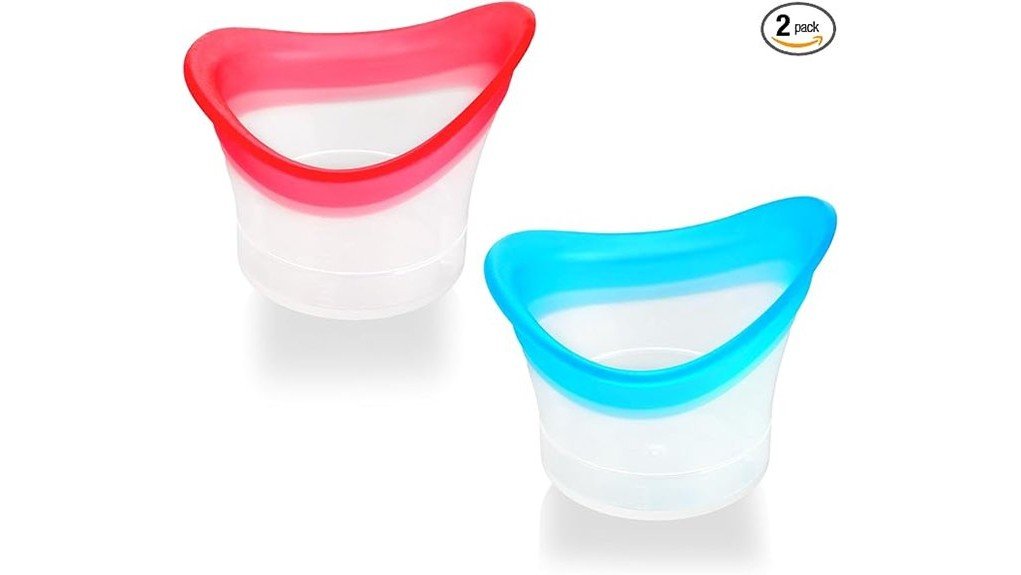
Small particles, dried makeup, and eyelid residue can make your eyes feel sore or gritty. An eye-rinse tool must still be used with care. The Ptwola Eye Wash Cup Kit gives you two reusable cups with soft silicone contact edges and a compact design for occasional rinsing. This review covers the verified specs and the right rinse to use. It also explains when you should not use this cup. Its main strength is its simple, portable build. Its main limit is clear: it only holds liquid. It is not a dry-eye treatment or an emergency eyewash system.
Quick Verdict
Rating: 7.5/10, recommended with safety caveats
Best For: Occasional, non-emergency rinsing when you have a sterile eye-rinse solution labeled for direct eye use
Bottom Line: The soft silicone rim and two-cup format make this a useful personal-care tool. You must supply the right sterile rinse and keep the cups clean. Chemical splashes and serious injuries need a different first-aid method.
| Specification | Detail |
|---|---|
| Brand | Ptwola |
| Model | 662478_1_4hL5tsdR2 |
| ASIN | B0F18PXJVS |
| Product type | Reusable eye wash cups |
| Quantity | 2 cups |
| Listed size | 1 fl oz, pack of 2 |
| Listed dimensions | 1.88 × 1.57 × 1.49 inches (4.8 × 4 × 3.8 cm) |
| Listed weight | 14 grams |
| Materials | Silicone and polypropylene |
| Listed color | Pink |
| Package note | The listing title mentions a storage container, but the package-content line names only two eye cups. Confirm the current package before ordering. |
| Solution included | No rinse liquid is listed among the included items |
Key Takeaways
- You get two reusable cups made with a polypropylene body and a soft silicone rim.
- The Amazon listing identifies the model as 662478_1_4hL5tsdR2 and gives a listed size of 1 fl oz per cup in a two-pack.
- Fill the cup only with fresh, sterile eye wash or saline labeled for direct eye use.
- You should remove contact lenses before rinsing and keep lenses away from tap water or homemade saline.
- This cup is intended for minor, non-emergency rinsing. It is not a substitute for running-water irrigation after a chemical splash or for professional care after an injury.
What Is the Ptwola Eye Wash Cup Kit?
The Ptwola Eye Wash Cup Kit has two small, reusable cups. Each cup holds an eye-safe rinse against the area around your eye. The firm polypropylene body holds its shape. The silicone rim is the part that touches your skin.
The design suits buyers who want a small tool for an occasional rinse. It may help after contact with loose dust, dried makeup, or similar surface debris. It contains no medicine. It cannot diagnose a problem or fix the cause of lasting redness or dry-eye symptoms.
Who Should Buy It?
Best For
- You want a reusable cup for occasional, non-emergency eye rinsing.
- You already use a sterile ophthalmic rinse recommended for your needs.
- You value a small two-cup set that can be stored with personal-care supplies.
Skip If
- You need treatment for chronic dry eye, infection, injury, or unexplained redness.
- You need an emergency eyewash device for chemical exposure or a workplace station.
- You cannot confirm the included storage container or cleaning instructions for the current variant.
[Products Worth Considering]

The Ptwola eye wash cup kit uses a soft silicone edge and gentle rinse action to help soothe tired, dry, or irritated eyes. It’s designed for convenient rinsing with saline solution or eye drops, offering comfort for contact lens wearers and those using eye ointments. A portable design with a storage container helps make quick eye cleansing easier at home or on the go.

TheraTears Dry & Tired preservative-free eye drops provide all-day soothing comfort for dry, tired eyes. The formula contains twice the hydrating ingredient found in the original TheraTears blend, helping relieve discomfort from eye strain and screen fatigue. Convenient single-use vials make it ideal for sensitive eyes and daily eye care.

NOVEHA self-heating steam eye masks deliver gentle, soothing warmth without needing a microwave—just open and wear for convenient hot compress comfort. The air-activated, unscented design helps relax tired eyes from screen time, reading, travel, and nighttime routines. Crafted with skin-friendly, lint-free non-woven cotton fabric, these disposable warm masks provide a calming, spa-like experience wherever you go.
Design and Build Quality
Soft Silicone Contact Edge
The silicone rim is the key comfort feature. It rests against the skin around your eye. It should feel softer than a hard plastic edge. Comfort still depends on your face shape and the pressure you use.
You should place the rim against the eye socket area without pressing on the eyeball. A seal that is too loose can leak, while too much pressure can make the process uncomfortable.
Polypropylene Cup Body
The polypropylene section gives each cup enough structure to hold liquid while you tilt your head. The transparent or translucent design also helps you see whether the cup contains visible residue before use.
Storage and Package Clarity
The product title says a storage container is included. The package list names only two eye cups. This mismatch does not prove the case is missing. Still, check the selected color and package details before checkout.
Before You Buy: This is a reusable cup set, not a bottle of sterile eye wash. Check what is included. Buy a suitable sterile rinse separately if you do not have one.
How to Use the Ptwola Eye Wash Cup Kit
- Read the rinse label first. Use only a fresh, sterile solution labeled for direct eye rinsing.
- Remove contact lenses. Do not rinse while lenses are in your eyes unless your eye-care professional has specifically told you to do so.
- Wash and dry your hands. Check the cup for dust, fibers, cracks, clouding, or residue.
- Fill one clean cup with fresh solution. Do not use leftover liquid, homemade saline, saliva, or a contact-lens disinfecting product that is not intended for direct eye use.
- Position the cup gently. Place the silicone edge around the eye socket. Tilt your head as the product directions show. Open and blink your eye, then move your gaze gently through the rinse.
- Discard the used liquid. Use fresh solution and a clean cup for the other eye to reduce cross-contamination.
- Clean and air-dry the cups. Follow the manufacturer’s care directions and store the set only after every surface is fully dry.
Pro Tip: Assign one cup to each eye. Store them in the same position each time. This can help prevent cross-use when one eye is irritated.
Safety, Sensitive Eyes, and Contact Lenses
Choose the Correct Liquid
The cup only holds liquid. The rinse you add is a major part of safe use. Use sterile eye wash or saline labeled for direct eye use. Not every contact-lens solution is safe as an eye rinse. Never put non-neutralized hydrogen peroxide lens solution in your eye. It can burn and damage the eye.
The FDA says to use sterile saline only when rinsing lenses. It also says to keep lenses away from tap, bottled, distilled, lake, and ocean water. You can review the agency’s contact-lens solution safety guidance before choosing a product.
Know When to Stop
Stop using the cup if you have pain, discharge, more redness, light sensitivity, swelling, or a change in vision. Contact an eye-care professional. Lasting symptoms may come from a problem that a rinse cup cannot fix.
Do Not Use It as Emergency Equipment
A chemical splash needs an immediate, steady flush with plenty of water. You also need prompt medical advice. Do not delay the flush while you find, fill, or clean this cup. CDC and NIOSH guidance calls for an immediate eye flush after chemical contact. Many chemicals require at least 15 minutes of rinsing. See the official NIOSH first-aid procedures.
Get urgent care for a stuck object, a high-speed particle, a hard impact, severe pain, or vision loss. Do not press a cup over an injured eye.
How It Performs in Real Use
For Loose Dust or Surface Debris
With fresh sterile rinse, the cup can bathe the eye and help move loose material from the surface. It is best for minor debris that is floating free. Do not use it to remove anything stuck in the eye.
After Makeup or Ointment Residue
The cup may rinse away small amounts of loose residue. Clean the skin around your eye first. Never fill it with makeup remover, cleanser, or another liquid not labeled for eye use. Ask the prescribing clinician before changing your routine if an ointment keeps causing discomfort.
After Contact-Lens Wear
The cup may be useful after you remove your lenses and want to rinse away loose debris. It does not clean or disinfect contacts. Do not use it to extend lens wear when your eyes are red or sore.
For Travel and Storage
The small size and 14-gram listed weight make the cups easy to pack. Travel use still needs good hygiene. Carry sealed sterile rinse in its original bottle. You also need a clean place to air-dry the cups. Do not transfer eye solution into an unlabeled travel bottle.
Pros and Cons
Pros
- Two cups let you keep one assigned to each eye.
- Soft silicone rims are less rigid against the skin than hard plastic alone.
- Polypropylene bodies are lightweight and easy to handle.
- Compact listed dimensions suit a medicine cabinet or travel kit.
- The clear cup design makes visible residue easier to notice.
Cons
- No sterile eye-rinse liquid is listed among the included contents.
- The storage-container wording is inconsistent with the package-content line.
- Safe use depends on careful cleaning, fresh solution, and correct positioning.
Is It Worth the Price?
The Ptwola kit is a simple, budget-style accessory. It is not a complete eye-care system. It offers the most value when you already use a suitable sterile rinse. It also suits buyers who want a softer rim than a basic hard-plastic cup.
It is worth considering for occasional personal use. It is a weaker value if you expected rinse liquid, verified sterilizing steps, or an emergency device for work. Confirm the current package contents before you buy.
[Products Worth Considering]

Clean wheels and rims with soft feathered bristles that safely remove dirt and road grime while helping restore original luster. The short non-slip handle makes it easy to scrub in tight wheel wells, and the brush is suitable for vehicles and hard-to-reach areas. It can also be soaked and rubbed to help restore bristles to their shape after use.

These lavender steam eye masks provide a warm, self-heated compress to relieve eye fatigue, dryness, and puffiness while helping reduce the look of dark circles. The mask releases fine moist steam for a relaxing 20 to 30 minute eye spa experience that can be used at home, in the office, or while traveling. Soft, elastic ear hooks help it fit comfortably for naps, sleep, or screen-time breaks.
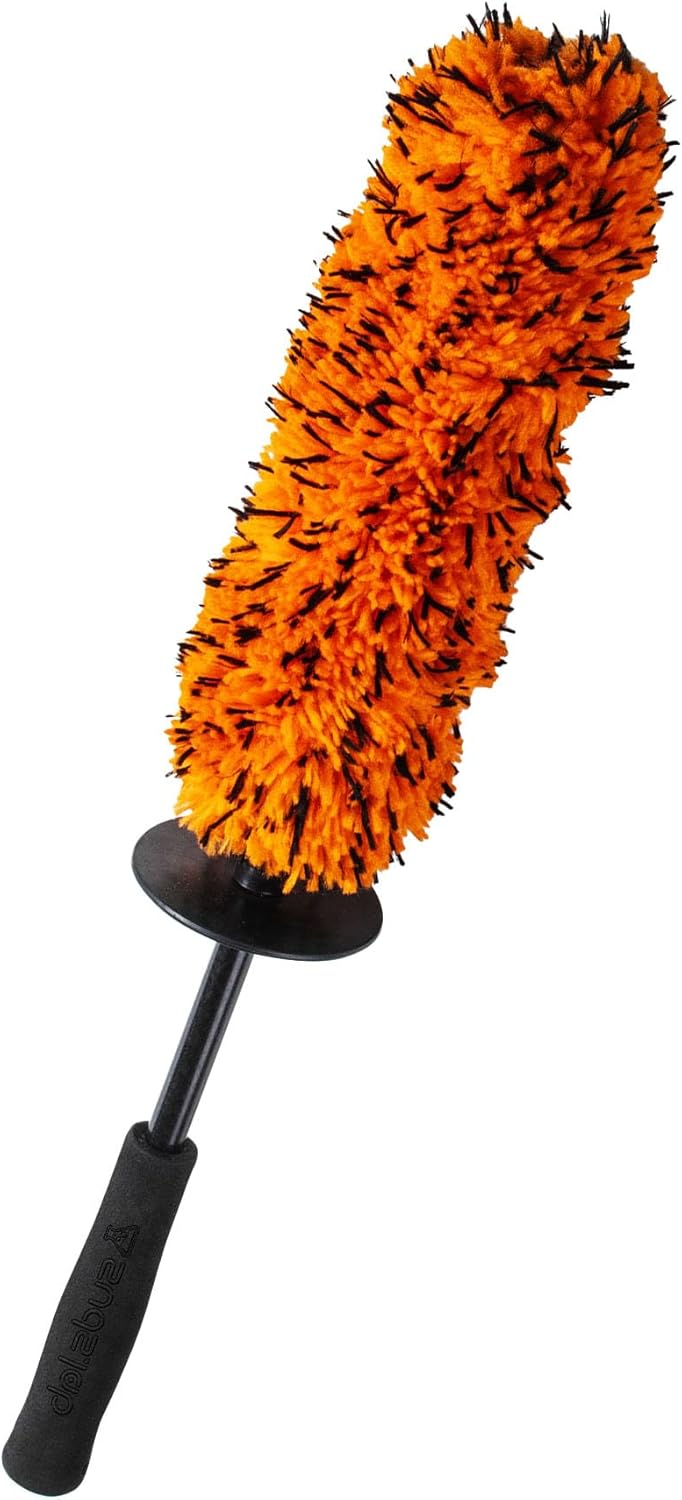
Suds Lab WB Premium Microfiber Cleaning Wheel Brush lifts brake dust, dirt, and grime with ultra-soft microfiber bristles that help prevent scratching and swirling on wheels and paint. It features an ergonomic, non-slip handle for comfortable control and reduced hand fatigue during longer cleaning sessions. Safe for all vehicle types, it also works for multi-purpose detailing like tires, exhaust pipes, door panels, engine bays, and mirrors.
How It Compares to Alternatives
For ongoing dry-eye symptoms, lubricating drops may be more useful than repeated rinsing. Ask an eye-care professional which type to use. For a one-time flush, a sealed single-use eyewash bottle may be easier to keep clean. For chemical hazards, use an approved eyewash station or running water right away. A small reusable cup is not a fair substitute.
The Ptwola set makes sense when you want a small, reusable two-cup design. You must be ready to supply the correct sterile rinse.
[Products Worth Considering]

The Naked Bee Foot Balm for Restoration Heel is an intensive foot treatment designed to penetrate and soften calloused, dry, and cracked feet. Honey, beeswax, and neem oil help deeply moisturize and soothe, while meadowfoam oil supports a protective barrier against moisture loss. Simply roll on to target tired feet and support visibly healthier-looking heels.

This metal-free wheel and tire cleaning brush uses dense, fluffy synthetic wool to safely clean rims, spokes, fenders, and engine areas without worrying about damaging surfaces. Its flexible, comfortable design helps you reach detailed areas while maintaining durability, and the extra absorbent fibers work well with wheel spray cleaners for faster cleanup. Reusable and washable performance helps prevent grime and build-up for cleaner vehicles and easier maintenance at home.

Gently exfoliate and lift away dead skin with jojoba beads while hyaluronic acid and caffeine help moisturize and revive tired-looking skin. This fragrance-free scrub is designed for normal to dry skin types and supports a healthy skin barrier for a refreshed, smoother feel.
Frequently Asked Questions
Is the storage container included with both eye cups?
The Amazon title says the kit comes with a storage container, but the package-content line lists only two eye cups. Check the current variant photos and included-items section before ordering.
What liquid should you put in the Ptwola eye wash cup?
Use only a fresh, sterile ophthalmic eye wash or sterile saline product specifically labeled for direct eye rinsing. Do not use homemade saline, saliva, cosmetic liquids, or non-neutralized hydrogen peroxide contact-lens solution.
Can you use the cup while wearing contact lenses?
Remove your contact lenses before routine rinsing unless your eye-care professional gives different instructions. Water and incorrect solutions can damage lenses or increase infection risk.
Can the silicone cups be sanitized in boiling water?
Do not assume the assembled cups are boil-safe. The listing names silicone and polypropylene. It does not give a safe boiling temperature or a verified sterilizing method. Follow the maker’s care directions.
How often should you replace the eye wash cups?
No verified replacement interval is listed. Replace a cup if the rim becomes cracked, rough, cloudy, warped, or hard to clean. Stop using it if you cannot confirm that it is clean.
Can children use the Ptwola Eye Wash Cup Kit?
The listing does not provide a verified child-age range. Ask a pediatrician or eye-care professional before use, and never let a child use the cup without close adult supervision.
Can this cup treat dry eye?
No. It can hold a rinse that may temporarily remove loose debris, but it does not treat the cause of dry eye. Persistent burning, grittiness, redness, or blurred vision should be discussed with an eye-care professional.
Should you use it after a chemical splash or serious injury?
No. Begin immediate irrigation with large amounts of water, remove contacts if they come out easily, and seek urgent medical or poison-control guidance. Do not press a small cup over an injured eye or delay emergency flushing.
The Bottom Line
The Ptwola Eye Wash Cup Kit is a fair choice for occasional rinsing. You get two light, reusable cups and must use a properly labeled sterile rinse. Skip it if you need treatment for ongoing symptoms. It is also the wrong choice for child-specific use or chemical emergencies. The soft silicone rim is the main advantage. Choosing the right rinse, cleaning the cups, and checking the package are the main tradeoffs.
Ready to Buy?
Check the latest package details and confirm what is included before you decide.