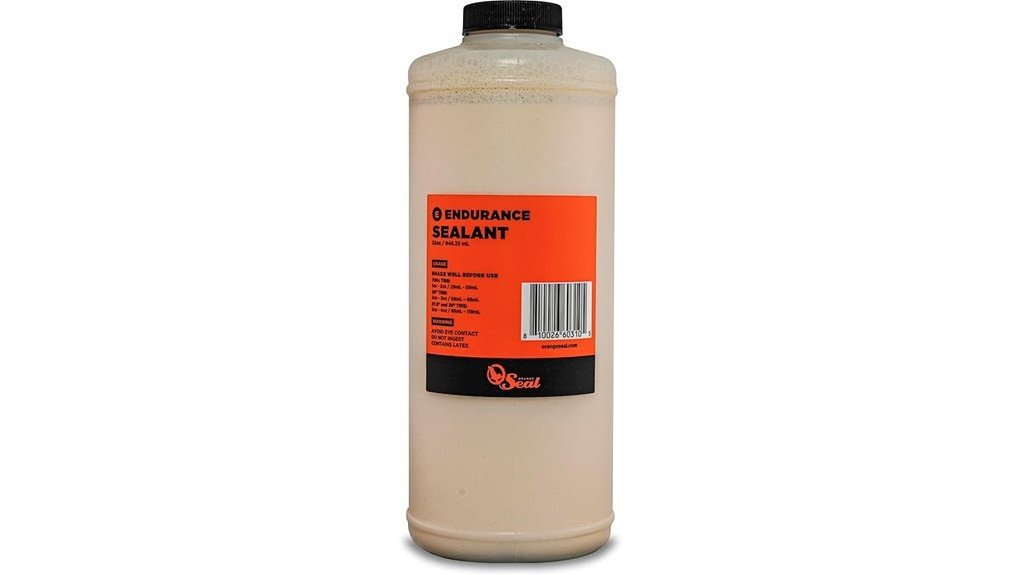
Orange Seal Endurance Tubeless Sealant Review
Tubeless tires can save a ride, but only if the sealant inside them is still wet and matched to the tire. Orange Seal Endurance Tubeless Sealant is made for riders who want longer time between top-offs without switching away from a latex-based formula.
This review focuses on the 32oz Refill version linked in this article, ASIN B015M06S4Y. You will see where it makes sense, where the regular formula may be better, and what to check before using it in road, gravel, cyclocross, mountain bike, or fat bike tires.
Quick Verdict
Rating: 8.6/10, Recommended with caveats
Best For: Riders who maintain tubeless tires often, own several bikes, or want a refill bottle that lasts across multiple setups.
Bottom Line: Orange Seal Endurance is a strong choice if you want longer maintenance intervals and broad bike-tire compatibility. Its main tradeoff is that it is not a full repair solution for major cuts, damaged sidewalls, or neglected dry tires.
Before You Buy: This linked product is the 32oz refill bottle. It does not include an injector, so plan on using a separate injector, a removable valve core, or your usual tubeless setup tools.
Key Specs
| Specification | Detail |
|---|---|
| Brand | Orange Seal |
| Product Name | Endurance Formula Tubeless Bike Tire Sealant |
| Amazon Style | 32oz Refill |
| ASIN | B015M06S4Y |
| Model Listed on Amazon | Orange Seal Endurance 32 |
| Part Number Listed on Amazon | 86974 |
| Product Type | Bicycle tire sealant refill |
| Formula Type | Natural latex-based sealant with sealing particles |
| Bottle Size | 32 fluid ounces |
| Other Refill Sizes | 4oz, 8oz, 16oz, and 32oz bottles are listed by Orange Seal |
| Average Sealant Life | Orange Seal product materials list about 60 to 120 days for Endurance, depending on tire, climate, and use |
| Claimed Puncture Support | Brand materials list puncture sealing up to 1/4 inch under suitable conditions |
| Typical Quantity Per Tire | Road: 1 to 2oz; MTB 26 and 27.5 inch: 3oz; MTB 29 inch: 4oz; fat bike: 6 to 8oz |
| Compatibility | Most bike tire systems, including tubeless tires; always check tire, rim, insert, and valve guidance |
| Included Accessories | No injector included with this refill style |
| Best Use | Ongoing tubeless maintenance for road, gravel, CX, MTB, and fat bike setups |
What Is Orange Seal Endurance Tubeless Sealant?
Orange Seal Endurance is a bicycle tire sealant made to stay usable longer than Orange Seal’s regular formula. It uses a latex-based liquid with small sealing particles that move inside the tire, coat the casing, and help close many common tread punctures while you ride.
The 32oz refill is best viewed as a maintenance bottle. It is practical if you service more than one bike, run larger-volume tires, or top off sealant on a schedule instead of buying smaller bottles every time.
It is not a tire patch, sidewall repair, rim repair, or substitute for ride tools. For rough gravel, mountain bike, and remote rides, you should still carry tire plugs, a tube or boot, a pump or CO2, and the tools needed to remove a valve core.
Who Should Buy It?
Best For
- Road, gravel, CX, and MTB riders already using tubeless-ready tires
- Multi-bike households that need enough sealant for repeated top-offs
- Riders who prefer fewer sealant checks and longer refill intervals
Skip If
- You only need enough sealant for one quick tire setup
- You need an injector included in the package
- You want the most aggressive formula for larger damage instead of longer service life
Sealing Performance
The main job of this sealant is to help close common punctures before they turn into a ride-ending flat. Orange Seal positions the Endurance formula for MTB, road, CX, and gravel bicycle tires, with brand materials listing puncture sealing up to 1/4 inch under suitable conditions.
That does not mean every 1/4-inch hole will seal perfectly in every tire. Pressure, tire casing thickness, puncture shape, temperature, sealant age, and how much sealant remains in the tire all affect the result. Higher-pressure road tires can also spray more sealant before the hole seals.
Longevity and Maintenance Interval
Endurance is the version to consider if you care more about time between top-offs than peak sealing speed. Orange Seal product materials list an average Endurance service range of about 60 to 120 days, but real life can be shorter in hot, dry storage or porous tires.
You should still check the tire on a schedule. A tubeless tire can hold air for a while even when the sealant inside is nearly dry, so pressure alone is not a perfect check. If you ride often, use wide tires, or store the bike in a warm garage, inspect earlier rather than waiting for the full range.
Compatibility and Bike Types
This refill makes sense across common road, gravel, cyclocross, and mountain bike setups. It can also be useful for larger-volume tires because those setups need more fluid per tire than narrow road setups.
For sizing, Orange Seal product materials list 1 to 2oz per road tire, 3oz for 26-inch and 27.5-inch mountain tires, 4oz for 29-inch mountain tires, and 6 to 8oz for fat bike tires. Treat those as starting points, then follow the tire label, rim guidance, insert instructions, and the sealant label for your exact setup.
Bottle Size, Setup, and Value
The 32oz refill is larger than the small injector bottles, so it is better for ongoing maintenance than for a single emergency setup. A road rider may get many top-offs from it, while a fat bike or multi-bike household will go through it faster.
The main limitation is convenience. Because this is a refill bottle, you may need a separate syringe, injector hose, or valve-core method to add sealant cleanly through the valve. Pouring directly into an open tire can work during initial setup, but it is messier during top-offs.
[Products Worth Considering]

Get back on the road fast with this bike frame bag repair kit, featuring a 120 PSI mini pump, a 16 in 1 multi-function tool, and a glueless tire patch kit. The compact triangle bag provides 2L storage for essentials like phone, keys, and tools, while the included rasp and tire levers make quick flat repairs possible. Designed for commuting and trail riding, it supports both Presta and Schrader valves for versatile emergency inflation.
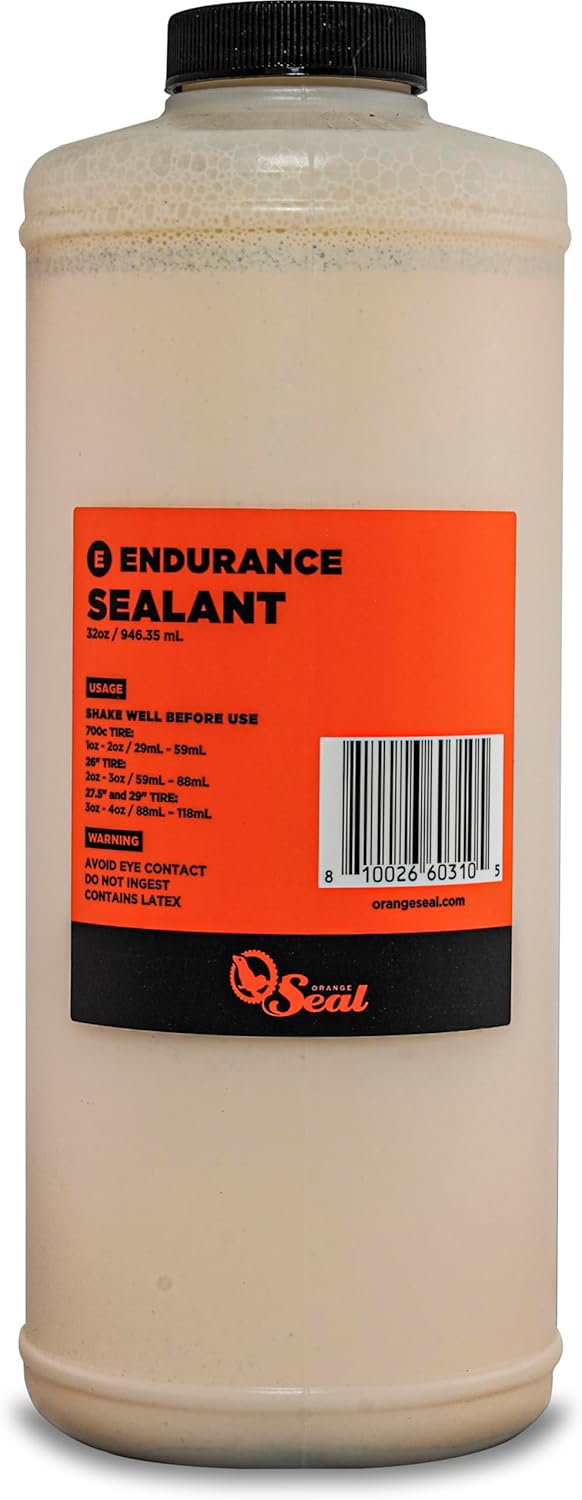
Orange Seal Endurance Formula delivers long-lasting latex protection with a durable sealant that can stay effective for 60–120 days between top-offs. It uses nanite particles to rapidly seal punctures up to 1/4" and slices up to 1/2", helping maintain reliable tubeless performance across MTB, road, CX, and gravel conditions. The biodegradable formula is engineered to work across major tubeless-ready and UST brands and a wide range of rubber compounds.

Orange Seal regular formula tubeless sealant quickly seals punctures and forms a durable bond inside your tire to help reduce flats. Made with natural latex, it adheres effectively to rubber and seals from the inside out, including the critical bead-to-rim interface for a reliable ride. It seals punctures up to 1/4 inch, slices up to 3/4 inch, and performs in temperatures as low as 11°F across MTB, road, cyclocross, gravel, and e-bike applications.
How It Performs in Real Use
For Road and Gravel Riding
For road and gravel riders, the biggest benefit is routine protection against small punctures and casing seepage. The longer service interval is useful if you do not want to refresh sealant as often, but high-pressure road tires still deserve regular checks because a small hole can lose air quickly.
For Mountain Bike Trails
Mountain tires usually need more sealant because they have more air volume and face thorns, rocks, and casing flex. Endurance is a good fit if you value lower maintenance, but it should be paired with plugs or a spare tube for sharp cuts and sidewall damage.
For Multi-Bike Maintenance
The 32oz bottle is most practical when you maintain several tires. It reduces the need to buy small bottles often, and it lets you keep one consistent formula across road, gravel, CX, and MTB bikes if those tires and rims are compatible.
For Long-Term Storage
If a bike sits for weeks, sealant can settle or dry inside the tire. Shake or rotate the wheel before riding, check pressure, and inspect the amount of liquid inside the tire if the bike has been stored through heat, dry air, or a long off-season.
How to Use It Correctly
Shake the bottle well before every use. The sealing particles need to be suspended in the liquid before they go into the tire, or the first pour may not perform as intended.
For a fresh tubeless setup, add the recommended amount for your tire size, seat and inflate the tire, then rotate and shake the wheel so sealant coats the casing. Recheck air pressure after the first day because some tires lose pressure while the bead and casing settle.
For a top-off, remove the valve core if your setup allows it, inject the right amount, reinstall the core, inflate the tire, and wipe away any spilled sealant. If the valve is clogged, clean or replace the core before adding more fluid.
Pro Tip: Mark your top-off date on tape, a phone reminder, or your bike-maintenance log. Endurance can last longer than regular sealant, but heat, porous casings, and frequent riding can shorten the interval.
Compatibility and Safety Notes
Orange Seal describes this product as compatible with most bike tire systems, but the safest answer is always setup-specific. Check your tire, rim, insert, and valve maker’s guidance before mixing products or using sealant in a wheelset with special restrictions.
Like many latex-based sealants, it can leave dried residue inside the tire. That is normal during maintenance, but old buildup should be wiped out before adding fresh sealant if it starts to clump or interfere with the bead area.
Do not rely on sealant for rim damage, a torn bead, a large casing slash, or a sidewall cut that will not hold pressure. Stop riding if the tire is unsafe, and use a proper repair or replacement before the next ride.
Pros and Cons
Pros
- Endurance formula is built for longer intervals between top-offs
- 32oz refill size is practical for repeated maintenance or several bikes
- Works across common road, gravel, CX, MTB, and fat bike use cases
- Brand materials list clear per-tire quantity guidance for common tire sizes
- Latex-based formula with sealing particles helps with routine puncture protection
Cons
- This 32oz refill does not include an injector
- Service life varies with heat, tire porosity, tire volume, and riding conditions
- Not a reliable fix for large cuts, torn sidewalls, damaged rims, or dry neglected tires
Is It Worth the Price?
Orange Seal Endurance is worth considering if you ride often, use tubeless tires on more than one bike, or want a larger refill bottle for scheduled maintenance. It is better for buyers who care about longer service intervals than the lowest upfront cost.
The value is weaker if you rarely ride, only need one tire setup, or do not already own a clean way to inject sealant. In that case, a smaller bottle or an injector kit may be easier and less wasteful.
For regular riders, the 32oz size can be a smart buy for everyday use because it covers repeated top-offs across several tire sizes. Just remember that a larger bottle still needs proper storage, shaking, and periodic tire checks.
[Products Worth Considering]
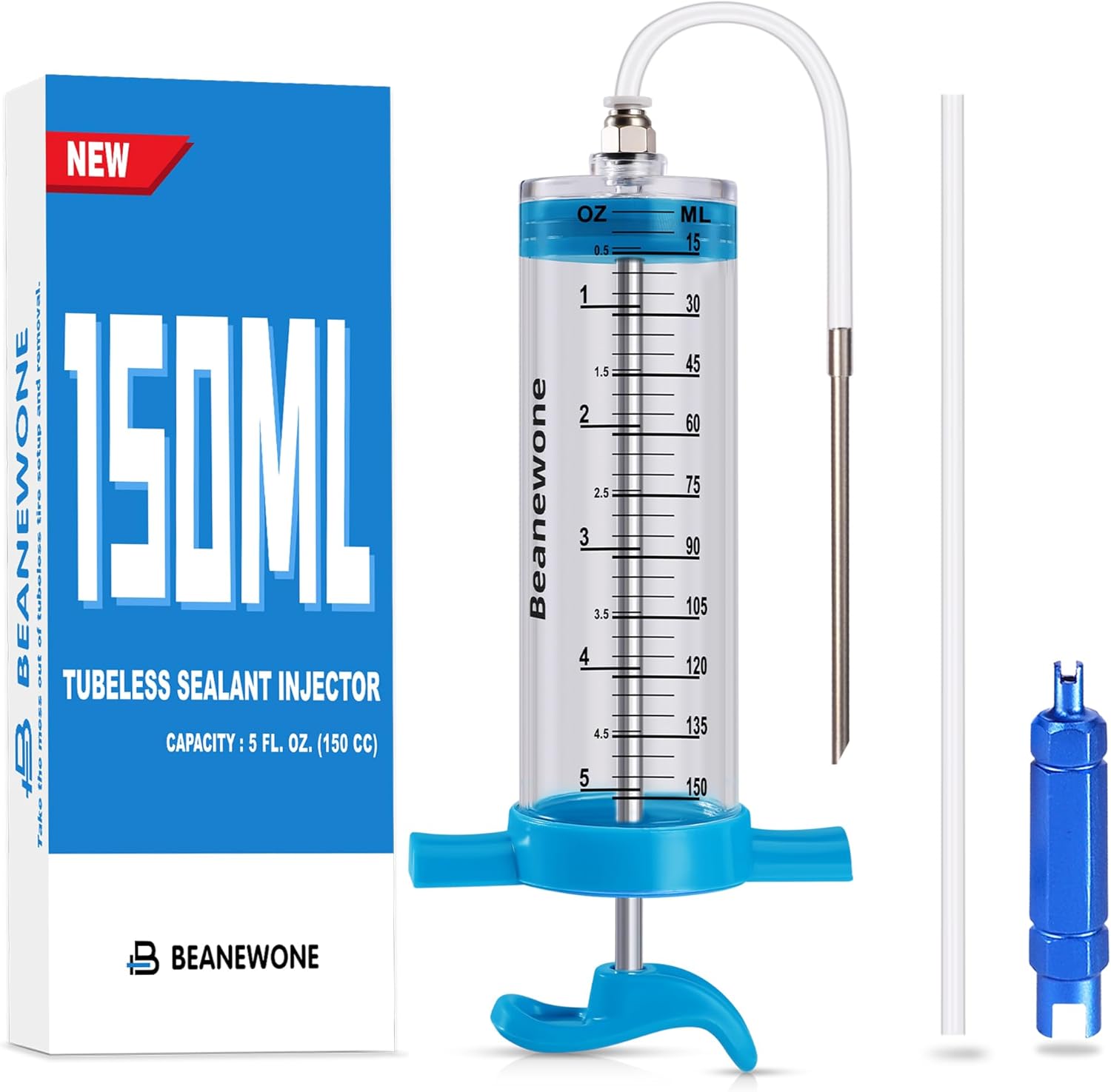
Make tubeless sealant installs faster and cleaner with this 150ml injector and clear measurement body. It connects and disconnects with a simple push-to-connector, then injects sealant directly into Schrader or Presta valve stems after removing the valve core. Includes a valve core remover tool to help you prepare and seal tires with less mess.

Switch to tubeless with this Muc-Off rim tape designed to create an airtight seal for smooth-running setups. The pressure-sensitive adhesive offers the right stretch for strength and durability, while the semi-transparent material helps you locate the valve hole quickly. It includes four seal patches for a secure finishing seal after wrapping.

LiQuiTube Premium Heavy Duty Tire Sealant provides permanent flat tire protection to help maintain proper air pressure while sealing punctures and leaks. It seals bead, rim, and porosity weathering leaks and helps prevent flats in heavy ply industrial tires. Designed for versatile use on trailers and off-road equipment, it can be installed in tubeless tires and also inside tubes.
How It Compares to Alternatives
Compared with Orange Seal Regular Formula, Endurance is the better choice if your priority is longer time between top-offs. Regular Formula may be the better comparison if you care more about faster sealing behavior and plan to refresh sealant more often.
Stan’s NoTubes Original and Muc-Off No Puncture Hassle are common alternatives for tubeless bicycle setups. Stan’s is a widely used baseline option, while Muc-Off is often compared by riders who want a different formula and visible color. Orange Seal Endurance makes the most sense if you specifically want the Orange Seal refill format with longer maintenance intervals.
[Products Worth Considering]

This tire inflator extension hose helps your air chuck quickly connect and disconnect from the tire nozzle with minimal leakage, supporting more accurate tire pressure. It uses a high-pressure resistant inflatable tube and durable brass chuck adapter for long-lasting performance. The quick-connect 90-degree thumb press chuck converts to a locking style and is easy to operate for car, motorcycle, and bicycle inflations.
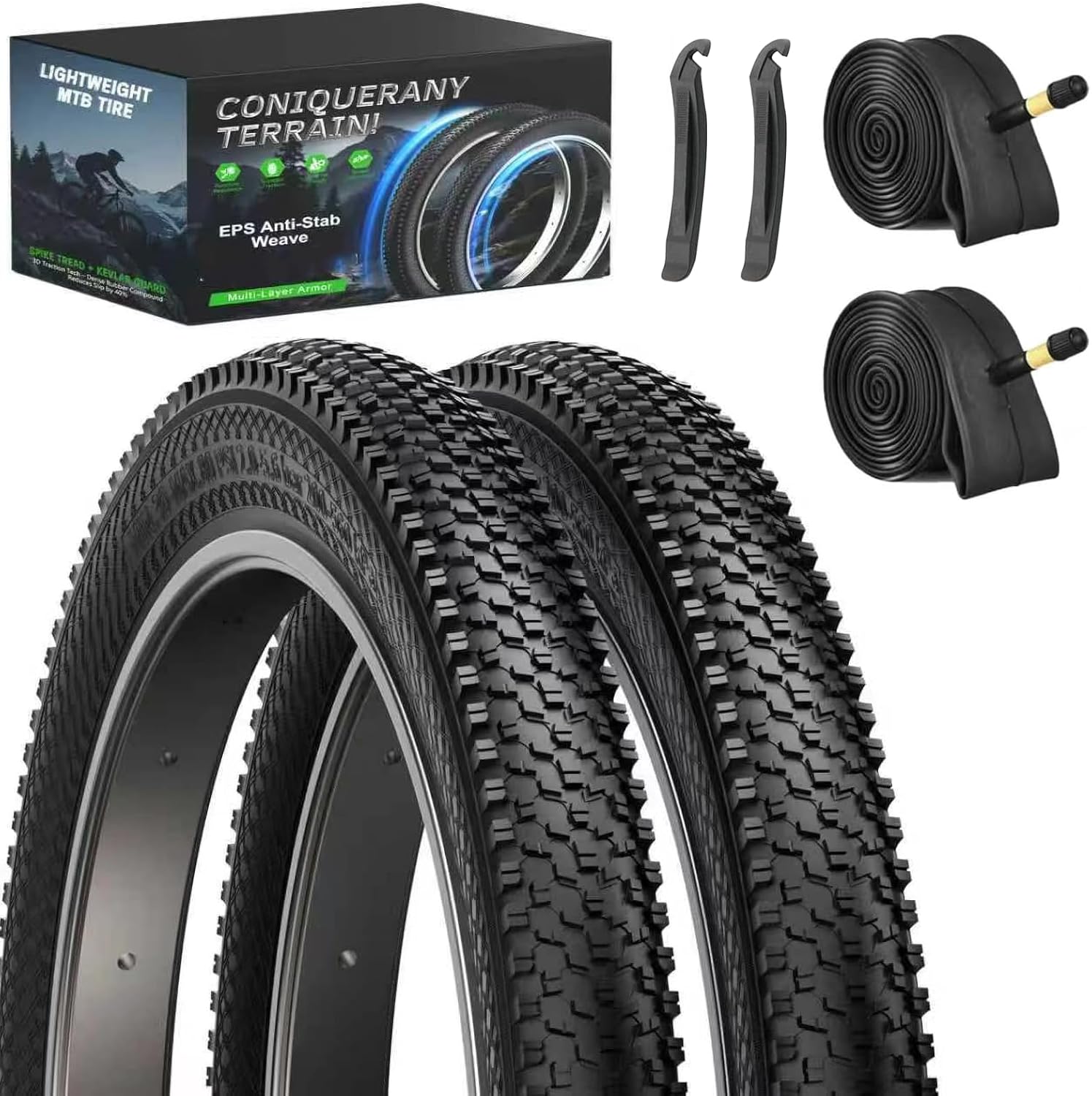
This 2-pack set includes two folding mountain bike tires, two inner tubes, and two tire levers for quick, budget-friendly replacements. The tires feature an anti-stab weave for added protection, plus strong grip and durable construction to help you stay stable across common trail and road conditions. Foldable design makes storage and travel convenient, while the included tubes provide a matched fit for smoother setup.

Upgrade your ride with a 2-pack set of 26x1.95 folding mountain bike tires built for dependable traction on mud, rocks, and trail surfaces. A reinforced puncture-resistant layer helps protect against sharp debris, while included butyl inner tubes provide strong sealing and shock absorption. Ready for fast swaps with included tire levers and universal sizing for most bikes.
Frequently Asked Questions
Does the 32oz Orange Seal Endurance bottle include an injector?
No. This linked version is the 32oz refill style, so it is best for riders who already have an injector, removable valve-core setup, or another clean way to add sealant.
How long does Orange Seal Endurance last between top-offs?
Orange Seal product materials list about 60 to 120 days for Endurance. Heat, dry storage, tire porosity, high ride volume, and larger tires can shorten that range.
How much Orange Seal Endurance should you use per tire?
Orange Seal materials list 1 to 2oz for road tires, 3oz for 26-inch and 27.5-inch mountain tires, 4oz for 29-inch mountain tires, and 6 to 8oz for fat bike tires. Use those as starting points and follow your tire and rim instructions.
Can Orange Seal Endurance fix a sidewall cut?
It may help with small leaks, porous casings, and some punctures, but you should not rely on it for serious sidewall cuts. Carry plugs, a tube or tire boot, and inflation tools on rough or remote rides.
Is Orange Seal Endurance safe for carbon wheels?
The product is made for bike tire systems, but carbon rim owners should still check the rim maker’s sealant guidance. Some wheel brands give specific rules about sealant type, tape condition, and maintenance intervals.
Can you mix Orange Seal Endurance with other sealants?
Avoid mixing different brands unless the manufacturers say the formulas are compatible. If you are switching sealants, the cleaner approach is to remove old dried material, wipe the tire, and refill with one formula.
Does Orange Seal Endurance leave residue inside tires?
Yes. Latex sealants can dry into residue or clumps over time, especially in warm or dry conditions. Wipe out old buildup during maintenance before adding fresh sealant.
Who should skip Orange Seal Endurance?
Skip it if you need a small one-time bottle, an included injector, or a repair product for major tire damage. Also compare the regular formula if you are willing to refresh more often and want to prioritize aggressive sealing behavior.
The Bottom Line
Orange Seal Endurance Tubeless Sealant is a strong choice for riders who want a 32oz latex-based refill with longer maintenance intervals. It is best for regular tubeless users, larger tire setups, and multi-bike households, but it is not the right pick if you need an injector or a fix for major tire damage.