Disclosure: As an Amazon Associate, we earn from qualifying purchases. If you click a link on this page and make a purchase, we may receive a small commission at no extra cost to you.
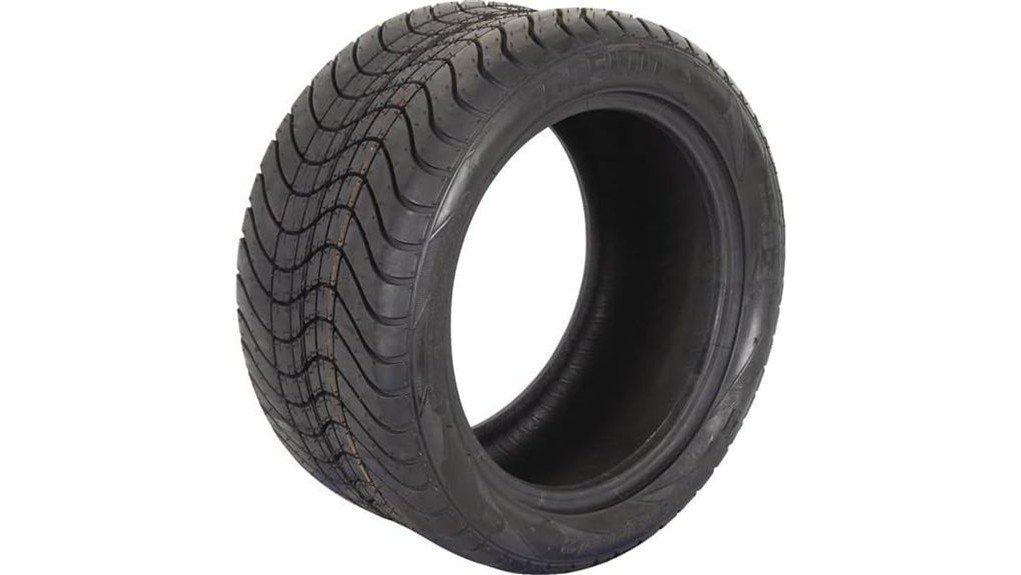
Choosing a low-profile golf cart tire is mostly a fit decision: the rim size, clearance, load rating, and intended surface all need to match your vehicle. The Ocelot P825 is a 215/40-12, 4-ply, tubeless tire made for compatible 12-inch wheels and general-purpose use on pavement, turf, and firm unpaved surfaces. Its non-directional 6 mm tread makes rotation flexible, but it is not a highway tire and should not be treated like one. This review explains the verified specifications, real limitations, installation points, and buyer profile so you can decide whether it suits your cart.
Quick Verdict
Rating: 8.2/10, recommended with caveats
Best For: Golf cart owners who need a low-profile 215/40-12 tire for paved paths, turf, gravel, and light utility use.
Bottom Line: The Ocelot P825 offers a useful mix of street-style handling, non-directional rotation, and light all-terrain ability. Its main limits are size-specific fitment, a firmer low-profile ride, and a clear restriction against highway service.
Key Takeaways
- The verified size is 215/40-12, with a 215 mm section width, 40 aspect ratio, and fitment for a compatible 12-inch rim.
- The tire uses a 4-ply rating, load index 71, 35 PSI maximum pressure, and tubeless construction.
- Its non-directional tread is 6 mm deep and can be mounted in either rolling direction.
- The low-profile sidewall is listed at about 3.4 inches, which can help clearance but usually provides less cushioning than a taller sidewall.
- The P825 is intended for golf carts, small side-by-sides, and similar utility vehicles only when size, load, clearance, and wheel compatibility are confirmed.
- The manufacturer and Amazon listing state that this tire is not for highway service.
Ocelot P825 Key Specifications
| Specification | Detail |
|---|---|
| Brand | Ocelot |
| Model | P825 |
| Manufacturer part number | 748-P825-0000 |
| Product type | General-purpose golf cart and light utility tire |
| Tire size | 215/40-12 |
| Rim diameter | 12 inches |
| Section width | 215 mm |
| Aspect ratio | 40 |
| Listed sidewall height | About 3.4 inches |
| Ply rating | 4-ply, B load range |
| Load index | 71 |
| Maximum pressure | 35 PSI (240 kPa) |
| Tread depth | 6 mm |
| Tread pattern | Non-directional |
| Construction | Tubeless |
| Package quantity | One tire, wheel not included |
| Best use | Paved cart paths, turf, gravel, hard-pack, and light utility use |
| Highway use | Not for highway service |
Before You Buy: The Amazon specification table displays a 24-inch tire diameter, but that figure conflicts with the listed 215/40-12 size and 3.4-inch sidewall. Do not rely on the 24-inch figure for clearance. Measure your current setup or ask the seller to confirm the tire’s actual mounted diameter.
What Is the Ocelot P825?
The Ocelot P825 is a low-profile, tubeless tire for golf carts and compatible light utility vehicles. The reviewed version is size 215/40-12 and carries manufacturer part number 748-P825-0000. It uses a 4-ply casing and a street-style, non-directional tread with 6 mm of depth.
Its main selling point is versatility. You can use it on paved cart paths, firmer turf, gravel, and light unpaved routes without switching to a deeply lugged off-road tire. The tradeoff is that it is not built for highway travel, deep mud, rock crawling, or other severe terrain.
Who Should Buy It?
Best For
- You have compatible 12-inch wheels and need the exact 215/40-12 size.
- You drive mainly on pavement, turf, gravel, or firm dirt.
- You want a low-profile look with flexible non-directional rotation.
Skip If
- You need a tire rated for highway service.
- You regularly drive through deep mud, loose sand, sharp rock, or severe trails.
- Your wheel, load requirement, or available clearance does not match this size.
Fit, Load, and Pressure
The size code matters more than the general phrase “fits golf carts.” A 215/40-12 tire has a nominal 215 mm section width, a sidewall height equal to 40 percent of that width, and a bead designed for a 12-inch rim diameter. Your wheel width, offset, suspension clearance, steering clearance, and body clearance still need to work with the mounted tire.
The P825 carries a load index of 71 and a 4-ply B load range. Its maximum listed pressure is 35 PSI, but maximum pressure is not a universal operating target. Use the vehicle maker’s guidance, the tire sidewall markings, and advice from a qualified installer to choose a safe cold inflation pressure for your cart and load.
Because this is a tubeless tire, your wheel must be suitable for tubeless use and have a compatible valve stem. The listing is for one tire only, so you will need to plan the quantity required for your replacement strategy.
Pro Tip: Write down the full size and service markings from your current tire before ordering. Then compare wheel diameter, width, clearance at full steering lock, and clearance with passengers or cargo aboard.
Tread Design and Build Quality
The P825 uses a non-directional tread pattern. That means the tire can roll in either direction, which gives your installer more flexibility and makes cross-rotation possible when the vehicle and wear pattern allow it. Rotation can help manage uneven wear, but it cannot correct poor alignment, bent wheels, worn suspension parts, or incorrect pressure.
The 6 mm tread is moderate rather than aggressive. It provides more surface engagement than a nearly slick street tire while avoiding the large, widely spaced lugs found on mud-focused tires. This balance suits mixed cart use, but it will not clear thick mud as effectively as a dedicated off-road pattern.
Ocelot states that the tire uses a wear-resistant rubber compound. That can support useful service life, but actual wear will depend on pressure, alignment, load, surface, speed, storage, and driving habits.
How the Ocelot P825 Handles Pavement and Light Off-Road
On paved paths, the low-profile sidewall and street-style tread should give you direct steering and a stable footprint. The same short sidewall leaves less rubber to absorb bumps, so the ride may feel firmer than a taller golf cart tire at a comparable safe pressure.
On gravel and hard-packed dirt, the 6 mm tread provides enough pattern depth for general utility driving. It is better suited to maintained paths and short unpaved stretches than deep ruts, loose soil, or wet clay.
On turf, the tread is less aggressive than a trail or mud tire, which may reduce surface disturbance during careful driving. Any tire can damage soft ground when it spins, turns sharply, carries too much load, or runs during saturated conditions.
How It Performs in Real Use
Paved Cart Paths and Neighborhood Routes
The P825’s low profile and non-directional pattern fit the needs of carts that spend most of their time on smooth, low-speed routes. You can expect predictable steering and less tread squirm than you would get from a deeply lugged tire. Keep in mind that the tire is not for highway service, even if your local rules allow some low-speed vehicles on public streets.
Golf Course and Turf Use
For dry fairways and maintained turf, the general-purpose tread offers a practical compromise between grip and surface care. Use smooth throttle and wide turns to reduce scuffing. Avoid spinning the tires or driving over saturated ground.
Gravel, Hard-Pack, and Light Trails
The 6 mm tread can handle firm gravel and compact dirt where a pure street pattern may feel less secure. The tire is not a substitute for a dedicated mud or rock tire, and the low-profile sidewall gives you less cushioning against sharp impacts.
Light Utility and Cargo Use
The 4-ply rating makes the P825 relevant for light utility carts and some small side-by-sides, but the fit must be confirmed for the exact vehicle. Do not assume that a 12-inch wheel alone guarantees compatibility. Check the vehicle’s required tire size, load limits, clearance, and intended speed range.
Installation and Setup Tips
- Confirm the exact size: Match 215/40-12 to your vehicle, wheel, and current tire specification.
- Inspect the wheel: A bent, cracked, corroded, or leaking rim can prevent a safe tubeless seal.
- Use a compatible valve stem: Replace an aged or damaged stem and confirm the stem fits the wheel’s valve hole.
- Check clearance: Turn the steering fully in both directions and check clearance with the suspension loaded.
- Balance when needed: Proper balancing can reduce vibration, but it does not change the tire’s speed or highway-use limitations.
- Recheck pressure: Verify cold pressure after installation and inspect it regularly, especially after temperature changes.
Tire mounting can involve high stored air pressure and specialized tools. A qualified tire shop is the safer choice if you do not have the correct equipment and training.
Compatibility and Safety
The P825 is listed for golf carts, side-by-sides, and similar utility vehicles with compatible wheels, but “universal fit” should not be read as “fits every model.” Vehicle makers may specify tire dimensions, load capacity, inflation, and speed limits that rule out an otherwise similar tire.
The listing states that the P825 is not for highway service. Balancing the tire, installing it on a street-legal cart, or driving below the posted speed limit does not turn it into a highway tire. Follow local vehicle rules and the tire manufacturer’s service restrictions.
California buyers should also review the Proposition 65 warning shown on the product listing. Before use, inspect each tire for shipping damage, bead damage, cracking, bulges, exposed cords, or abnormal deformation.
Durability and Maintenance
The 4-ply casing, 6 mm tread, and wear-resistant compound give the P825 a sensible foundation for repeated cart use. The non-directional layout also gives you more rotation choices than a directional design.
Long service life still depends on maintenance. Check pressure when the tires are cold, keep loads within the vehicle and tire limits, correct alignment problems, and inspect tread wear across the full width. Uneven shoulder wear, center wear, cupping, or repeated pressure loss should be investigated rather than hidden through rotation alone.
Store the cart away from standing water, petroleum products, ozone-producing equipment, and prolonged direct sun when practical. Replace a tire that shows structural damage, persistent air loss, severe cracking, or unsafe tread wear.
Pros and Cons
Pros
- Verified 215/40-12 fitment for compatible 12-inch rims.
- Non-directional tread allows flexible mounting and rotation.
- 6 mm tread balances paved-road manners with light unpaved grip.
- Tubeless, 4-ply construction suits general cart and light utility use.
- Low-profile sidewall can help with clearance and gives a clean street-style stance.
Cons
- Not for highway service.
- Low-profile construction may ride firmer and offers less impact cushioning.
- Fit is size-specific, and the listing’s 24-inch diameter field should be confirmed before purchase.
Is It Worth the Price?
The Ocelot P825 is a value-oriented option for buyers who need its exact size and a mixed-surface tread. You get a verified 4-ply tubeless build, a 6 mm non-directional pattern, and a recognized manufacturer part number rather than a vague generic fit description.
It offers the most value when your cart moves between pavement, turf, gravel, and maintained dirt. It is not the best fit if you need deep-terrain traction, a tall sidewall for added cushioning, or highway-service capability. Also remember that the listing is for one tire, so compare total replacement cost using the full quantity you need.
How It Compares to Alternatives
The Ocelot Course Pro II in 215/40-12 is worth comparing if you want a more street-focused tread from the same brand. A ROADGUIDER 215/40-12 4-ply tire is another same-size option to compare on tread design, load information, and package quantity.
If you want more sidewall, Ocelot also lists P825 variants such as 215/50-12, but a taller size can change overall diameter, gearing, speedometer behavior, and clearance. The reviewed 215/40-12 P825 makes the most sense when low-profile fitment and mixed paved-to-firm-surface use are your priorities.
Frequently Asked Questions
Does the Ocelot P825 come pre-mounted on a wheel?
No. The verified listing describes one tire with a unit count of one, not a tire-and-wheel assembly. You will need a compatible 12-inch wheel and separate mounting.
Is the Ocelot P825 legal for highway use?
The product listing states that it is not for highway service. Local rules for golf carts and low-speed vehicles still apply, but they do not change the tire manufacturer’s service restriction.
What valve stem does this tire require?
It needs a tubeless valve stem that matches the wheel’s valve-hole size and pressure requirements. Confirm the stem specification with the wheel maker or tire installer rather than choosing one by rim diameter alone.
Will a 215/40-12 P825 fit a stock golf cart without a lift?
Do not assume fit based only on the 12-inch rim diameter. Wheel width, offset, steering clearance, suspension height, body clearance, and the listing’s conflicting diameter information all need to be checked on your exact cart.
Can the P825 be balanced for smoother driving?
Yes, a tire shop can balance the tire and wheel assembly when needed. Proper balance may reduce vibration, but it does not increase the tire’s speed rating or make it suitable for highway service.
Does the tire include a warranty beyond Amazon’s return window?
The verified Amazon page links to warranty information, but it does not show a clear manufacturer warranty term in the visible product details. A return policy is not the same as a tire warranty, so confirm coverage with the seller before ordering.
Can the non-directional tread be mounted either way?
Yes. A non-directional pattern can roll in either direction, which simplifies mounting and gives you more rotation choices. Follow any sidewall markings and your installer’s guidance if the tire carries additional orientation instructions.
Is the P825 suitable for mud or severe off-road terrain?
It is better suited to pavement, turf, gravel, and firm dirt than deep mud or rocky trails. The moderate 6 mm tread and low-profile sidewall favor general-purpose use over severe-terrain traction and impact absorption.
The Bottom Line
The Ocelot P825 is a solid choice when you need a 215/40-12, 4-ply tubeless tire for a compatible golf cart or light utility vehicle used on pavement and firm mixed surfaces. Buy it for the flexible non-directional tread and low-profile fit, but skip it for highway use, severe trails, or any setup where size and clearance have not been confirmed.