

Disclosure: As an Amazon Associate, we earn from qualifying purchases. If you click a link on this page and make a purchase, we may receive a small commission at no extra cost to you.
A small pancake compressor can save space, but many models struggle when you connect framing nailers or several finish tools. The Metabo HPT THE TANK EC914S addresses that problem with a 6-gallon tank, 200 PSI maximum pressure, and 4 CFM at 90 PSI. It gives you more crew-ready airflow than a basic light-duty pancake unit while staying near the weight of many portable jobsite compressors. The tradeoff is noise: its 76 dB sound rating makes it easier to hear than a purpose-built quiet compressor.
Quick Verdict
Rating: 8.7/10, recommended with caveats
Best For: Framing, roofing, siding, and finish crews that need strong airflow in a portable pancake design
Bottom Line: The EC914S combines 200 PSI, 4 CFM at 90 PSI, dual couplers, and a 6-gallon tank in a hand-carry unit. It is a strong choice for nailers, but buyers who need quiet indoor operation or continuous high-CFM airflow should compare other compressors.
Metabo HPT THE TANK EC914S

A 6-gallon, oil-free pancake air compressor built for framing, roofing, siding, finish, and brad nailers. It delivers 200 PSI maximum pressure and 4 CFM at 90 PSI through two installed 1/4-inch brass couplers.
Check Price on Amazon →Key Specifications
| Specification | Detail |
|---|---|
| Brand | Metabo HPT |
| Model | EC914S, THE TANK |
| Product type | Oil-free, corded electric pancake air compressor |
| Tank capacity | 6 gallons |
| Maximum pressure | 200 PSI |
| Air delivery | 5.1 CFM at 40 PSI; 4.0 CFM at 90 PSI |
| Power supply | 120V / 60Hz, 13.5 amps |
| Running horsepower | 1.3 HP |
| Pressure switch | 170 PSI on; 200 PSI off |
| Couplers | Two installed 1/4-inch brass couplers |
| Gauges | Tank-pressure gauge and regulated-pressure gauge |
| Weight | About 42 lb |
| Sound rating | 76 dB using the ISO 3744 test procedure |
| Included items | EC914S compressor, two installed brass couplers, and instruction manual |
| Warranty | 1-year professional tool warranty |
What Is the Metabo HPT THE TANK EC914S?
The EC914S is a high-capacity pancake compressor designed for pneumatic nailers and jobsite portability. Its 6-gallon tank stores air at up to 200 PSI, while the regulator lets you reduce outlet pressure to match the connected tool. The oil-free pump also removes the need for routine oil changes.
Metabo HPT rates it to run two framing, roofing, or siding nailers at the same time. The company also lists support for three 15- or 16-gauge finish nailers or five 18-gauge brad nailers. Those figures make the EC914S more useful for small crews than a basic pancake compressor with lower pressure and airflow.
Before You Buy: Match each air tool’s required CFM and operating PSI to the compressor’s output. The EC914S works well with nailers, but continuous-demand tools such as some sanders, grinders, and spray equipment may need more than 4 CFM at 90 PSI.
Who Should Buy It?
Best For
- Framing, roofing, and siding crews that may connect two nailers
- Finish carpenters who want dual couplers and steady 90 PSI airflow
- Contractors and serious DIY users who need a portable 6-gallon compressor
Skip If
- You need a low-noise compressor for occupied indoor spaces
- Your tool needs continuous airflow above 4 CFM at 90 PSI
- You want a cordless unit or a compressor that is easy to carry long distances
[Products Worth Considering]

This portable cordless air pump inflates car, motorcycle, bike, and ball tires with up to 150 PSI and real-time LCD pressure monitoring. It features a built-in rechargeable battery, four unit modes (PSI/KPA/BAR/KG/CM²), and an auto shut-off to prevent over-inflation. An LED light and USB-C/USB-A ports make it useful for nighttime emergencies and charging devices.
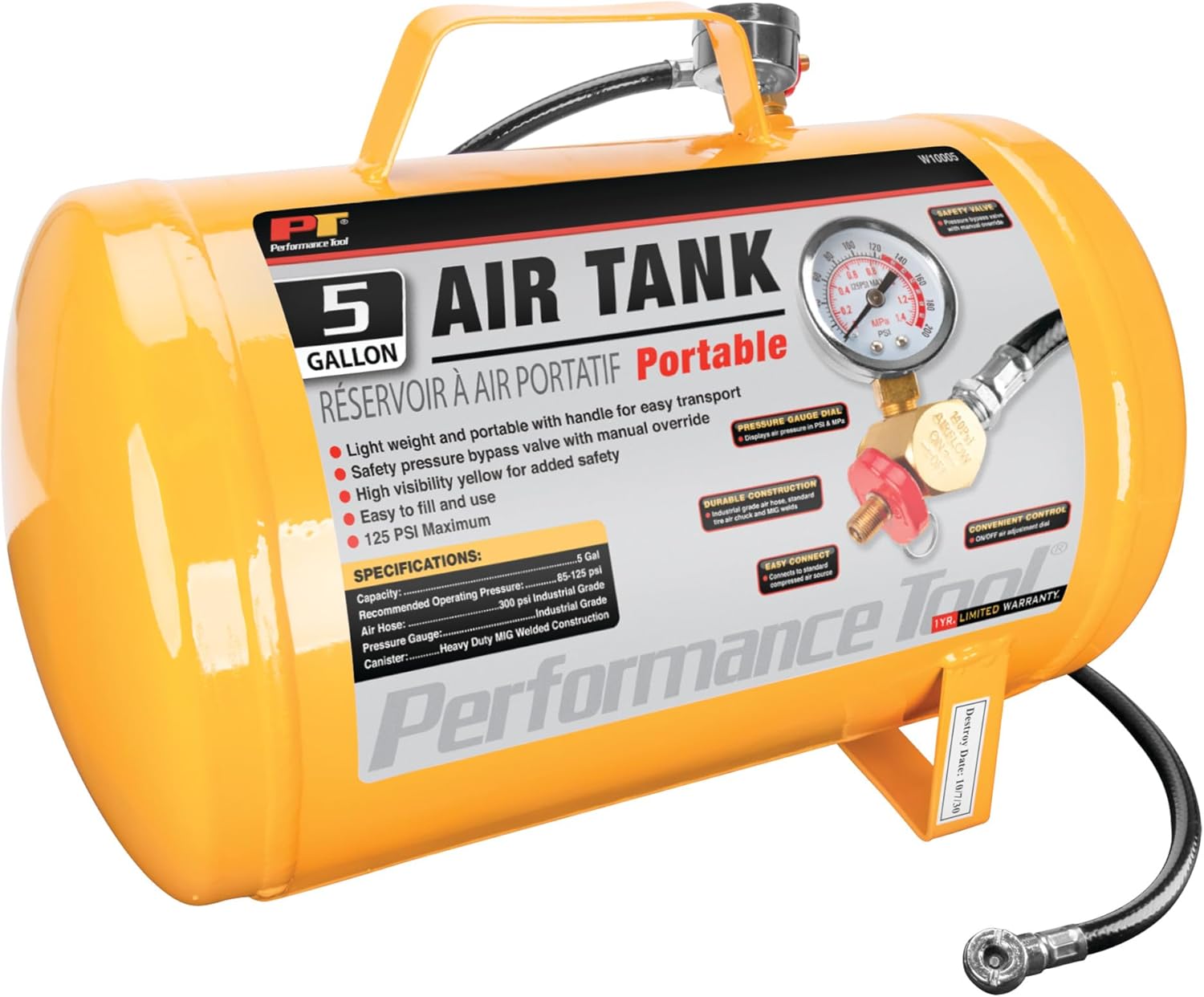
Keep your tires and air tools ready with this 5-gallon horizontal portable air tank. It features a 125 PSI pressure gauge with PSI/MPa readings, an easy-connect setup to a standard compressed air source, and a tire air chuck for quick hookups. A safety pressure bypass valve with manual override adds extra control during use.

This tire inflator with pressure gauge delivers long-lasting performance with a durable rubber-protected gauge and sturdy build. The longer hose and 360 swivel air chuck help you seal the valve securely and keep your hands free while measuring, inflating, or deflating. It’s battery-free for reliable use and provides ±2 PSI accuracy in the mid-range for most typical tires, with universal compatibility for 1/4 NPT compressor outputs.
Design and Build Quality
The pancake tank keeps the footprint compact and places the motor and pump above the tank. An all-metal handle gives you a solid lifting point and protects the top of the unit during transport. At about 42 lb, it is manageable for vehicle-to-jobsite moves, although it can still feel heavy on stairs or across rough ground.
Two installed 1/4-inch brass couplers let you connect two hoses without adding a splitter. Separate tank and regulated-pressure gauges also make it easier to check stored pressure and set the correct outlet pressure for your nailer.
Airflow, Pressure, and Tool Performance
The 200 PSI maximum pressure is the EC914S’s main advantage. Higher stored pressure does not mean you should run tools at 200 PSI. Instead, it gives the 6-gallon tank more usable stored air before the motor needs to recover.
Air delivery reaches 5.1 CFM at 40 PSI and 4.0 CFM at 90 PSI. That 90 PSI figure matters most for nailer buyers because many pneumatic tools list their consumption near that pressure. You still need to check the tool manual, but the output supports intermittent framing, roofing, siding, finish, and brad-nailing work.
Portability and Jobsite Use
The hand-carry design works well when you move the compressor between a truck, garage, and active work area. Its 6-gallon tank provides more stored air than compact one- or two-gallon units, yet the pancake layout is easier to store than many horizontal or twin-stack compressors.
Portability has limits. The EC914S has no wheels, and its weight makes long carries less comfortable than moving a small trim compressor. It makes the most sense when you want stronger nailer performance without stepping up to a much larger wheeled unit.
Noise and Recovery
Metabo HPT lists a 76 dB sound rating using the ISO 3744 test procedure. That is not unusually loud for a standard jobsite compressor, but it is far above the 60 dB range offered by some quiet-series models. In an enclosed room, the motor and pump cycle will be easy to hear.
The 170 PSI cut-in and 200 PSI cut-out settings help keep a useful pressure reserve in the tank. Recovery depends on tool demand, hose setup, and how many nailers you run. For short nailing bursts, the compressor should cycle normally. For sustained high-airflow work, you may spend more time waiting for recovery.
Controls and Maintenance
Setup is straightforward: connect the hose, let the tank fill, and use the regulator to set the pressure required by your tool. The two gauges let you monitor both tank pressure and outlet pressure, which is more useful than relying on one gauge for both tasks.
The oil-free pump reduces routine service, but the tank still needs basic care. Drain collected moisture after use, inspect hoses and fittings for leaks, and follow the instruction manual before performing service. Keeping the couplers clean and storing the compressor in a dry area can also reduce avoidable wear.
What People Say
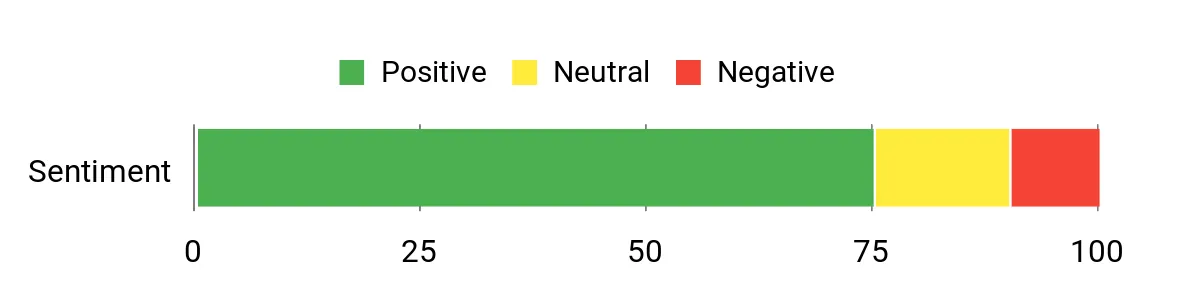
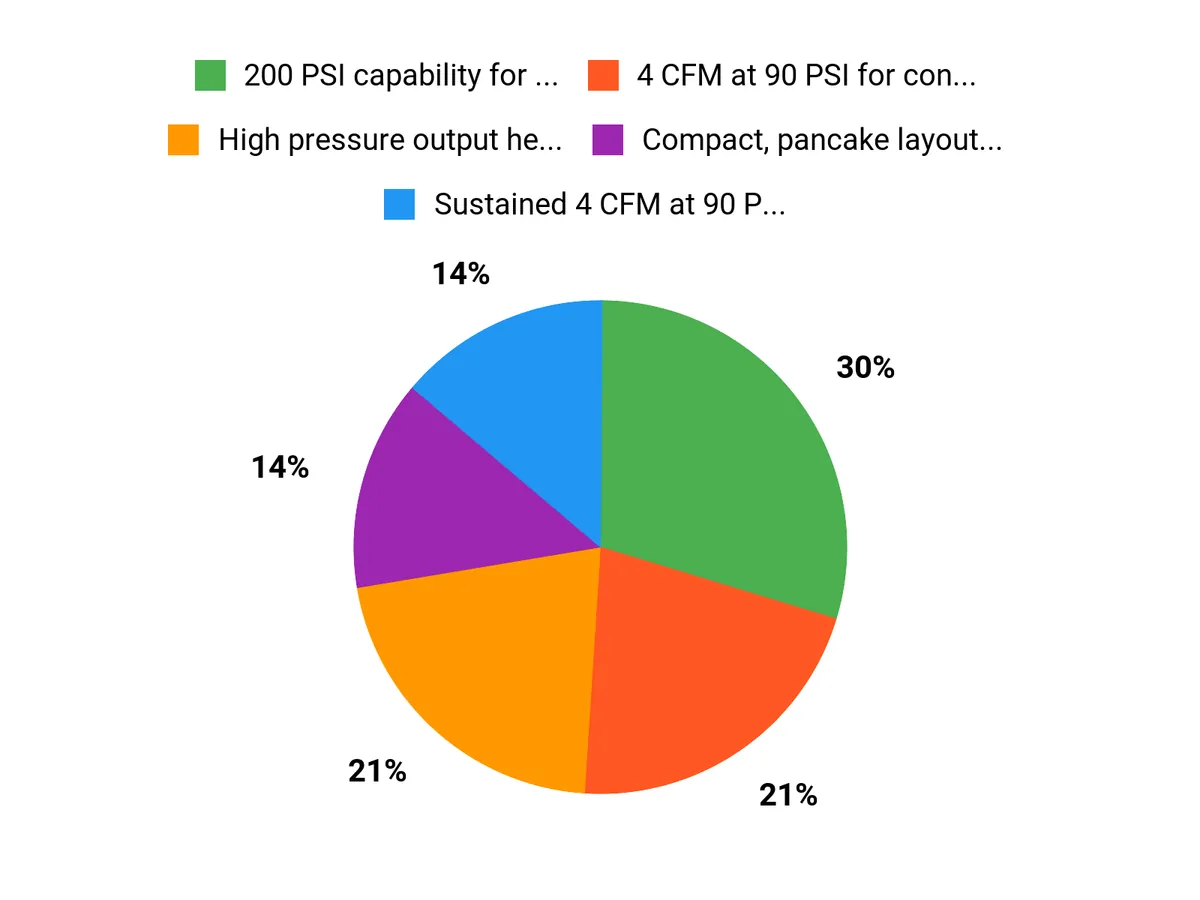
The buyer-feedback summary in the original article is positive overall. Users most often value the combination of pressure, airflow, and a compact pancake shape. The most consistent tradeoff is operating noise, especially when the tank refills indoors.
Overall Sentiment: Positive
Pros and Cons
Pros
- 200 PSI maximum pressure provides a larger stored-air reserve
- 4 CFM at 90 PSI supports demanding nailer work and multiple-tool setups
- Two installed brass couplers let you connect two hoses
- Oil-free pump reduces routine maintenance
- Compact 6-gallon pancake design is easier to transport and store than many larger jobsite units
Cons
- The 76 dB sound rating is not ideal for quiet indoor work
- About 42 lb can feel heavy when carried over distance or up stairs
- 4 CFM at 90 PSI may be insufficient for continuous-demand air tools
How It Performs in Real Use
Framing and Roofing
The pressure reserve and 4 CFM output help the EC914S keep up with intermittent framing and roofing nailer use. Metabo HPT specifically rates the compressor for two framing, roofing, or siding nailers, which makes it suitable for small crews working in bursts.
Finish and Brad Nailing
Finish and brad nailers usually draw less air per shot than large framing tools. The EC914S can support several of these tools, and the regulator lets you lower outlet pressure for cleaner fastener placement. Always start with the tool manufacturer’s recommended pressure rather than using the compressor’s maximum setting.
Mobile Jobsite Work
The all-metal handle and pancake shape make vehicle transport practical. You can store it in a truck or van without the length of a horizontal tank. The 42 lb weight is still noticeable, so it is better for short carries than constant movement across a large site.
High-Demand Continuous Use
The compressor is strongest with tools that consume air in short cycles. A sander, grinder, or sprayer that needs uninterrupted airflow can exceed its 4 CFM at 90 PSI capacity. In that situation, a larger tank or higher-CFM compressor will reduce waiting and motor cycling.
Setup Tips Before First Use
- Read the instruction manual and check the required pressure and CFM for every connected tool.
- Set outlet pressure with the regulator. Do not send full tank pressure directly to a tool that has a lower maximum rating.
- Use hoses and fittings that match the 1/4-inch couplers and inspect every connection for leaks.
- Drain moisture from the tank after use and before long-term storage.
- Place the compressor on a stable surface with enough space around the motor and pump for airflow.
Pro Tip: Set the regulator near the lowest pressure that drives fasteners correctly, then increase it in small steps. Lower outlet pressure can reduce tool wear, hose stress, and overdriven fasteners.
Compatibility and Safety
The EC914S uses a 120V, 13.5-amp power supply, so follow the manual’s circuit and extension-cord requirements. Avoid operating the compressor where the cord, motor, or electrical connections can contact water. Release tank pressure and unplug the unit before inspection or service.
Sound exposure also depends on distance, room size, and operating time. The listed 76 dB level is noticeable, so consider hearing protection during repeated cycling, especially in enclosed work areas. Keep other people away from pressurized hoses and never exceed the pressure rating of the connected tool or accessory.
Key Benefits
- High stored pressure helps reduce downtime during intermittent nailer work
- 4 CFM at 90 PSI supports multiple nailers within the manufacturer’s stated use cases
- Dual brass couplers simplify two-hose setups
- Oil-free operation reduces routine pump maintenance
- A compact pancake layout balances tank capacity with storage convenience
Is It Worth the Price?
The EC914S sits above entry-level pancake compressors because it offers 200 PSI, stronger 90 PSI airflow, and a crew-oriented dual-coupler setup. It provides the most value when your work includes framing, roofing, siding, or several finish nailers and you want to avoid moving to a large wheeled compressor.
It is less compelling when quiet operation matters more than pressure or when you only use a single brad nailer for occasional trim work. In those cases, a smaller quiet-series compressor may cost less to operate and feel easier to use indoors.
[Products Worth Considering]

AstroAI H2 Pro cordless tire inflator delivers up to 150 PSI for fast inflation and reliable roadside performance with dual power options. Use the rechargeable battery for cordless convenience or connect to your vehicle via 12V DC for longer runtime. It features an auto shut-off system with an accurate digital pressure gauge and a bright LED for easy use in low light.

The Powools cordless tire inflator delivers fast inflation up to 150 PSI with a built-in digital display and auto shut-off to prevent over-inflation. Powered by rechargeable batteries, it works without an external power source and includes multiple preset modes plus a custom mode for different inflatables. A set of interchangeable nozzles and a multi-mode LED light (lighting, alarm, SOS) make it useful for cars, motorcycles, bicycles, and sports balls.

Get precise tire readings with the ETENWOLF T300 Plus digital gauge, calibrated to ANSI B40.7 Grade 2A for reliable accuracy. It measures across a wide 3–200 PSI range and includes thermal compensation for dependable performance from extreme cold to heat. The bright LED display, LED illumination, and replaceable AAA batteries make it easy to check pressures quickly, even in low light.
How It Compares to Alternatives
The Makita MAC210Q is the better comparison for low-noise indoor work. It is rated at 60 dB, but its 2-gallon tank, 135 PSI maximum, and 2 CFM at 90 PSI provide much less capacity than the EC914S. Choose the Makita when quiet trim work matters more than crew-ready airflow.
The RIDGID OF60150HB keeps the familiar 6-gallon pancake format and includes dual quick connectors, but it tops out at 150 PSI. The Metabo HPT makes more sense when you want a larger pressure reserve and 4 CFM at 90 PSI for demanding nailer use.
[Products Worth Considering]

AZUNO’s digital tire inflator delivers stable, accurate pressure readings with a bright LCD and a 0.1 resolution display for confident inflation. It supports one-handed operation for inflating and quick deflating, and it’s built with rugged steel and brass components for reliable shop or garage use. With multi-unit pressure display and compatibility across cars, SUVs, motorcycles, and trucks, it’s a convenient accessory for everyday tire maintenance.

This dual power portable tire inflator lets you run from a 12V vehicle cigarette lighter or a 110V/120V wall outlet for flexible roadside and home use. It delivers up to 150 PSI with quick inflation, including a fast fill example from 0 to 36 PSI, and features auto shutoff with pressure memory plus a backlit LCD display with unit switching. Designed for multiple inflations, it includes extra nozzles for cars, motorcycles, bikes, sports equipment, and inflatables, while compact storage and a carry bag make it easy to keep on hand.

The AstroAI L7S is a compact cordless tire inflator designed for fast, hassle-free pressure top-ups with a built-in digital gauge. Choose from smart modes for cars, motorcycles, bicycles, balls, or set a custom target pressure, and rely on auto shut-off for hands-free use. It also includes an LED flashlight with SOS and strobe options plus USB-C/USB ports for device backup power, making it a practical roadside and everyday emergency tool.
Frequently Asked Questions
Can the EC914S run two framing nailers?
Metabo HPT rates the EC914S to run two framing nailers at the same time. Actual cycling depends on the nailers, hose length, pressure setting, and how quickly each user fires.
Is 200 PSI sent directly to the connected tool?
No. The tank can store air at up to 200 PSI, but you use the regulator to set outlet pressure for the tool. Always stay within the pressure range listed in the tool manual.
How loud is the Metabo HPT THE TANK?
The manufacturer lists a 76 dB sound rating using the ISO 3744 test procedure. It is suitable for standard jobsite use, but it is not designed as a low-noise indoor compressor.
Does the EC914S need oil changes?
No. It uses an oil-free pump, so routine pump-oil changes are not required. You still need to drain tank moisture, check fittings, and follow the maintenance steps in the manual.
Can it run sanders, grinders, or paint sprayers?
Only when the tool’s pressure and airflow requirements stay within the compressor’s output. Many continuous-demand tools require more than 4 CFM at 90 PSI, so compare the tool specification before buying.
What comes with the compressor?
The package includes the EC914S compressor, two installed 1/4-inch brass couplers, and an instruction manual. Hoses and pneumatic tools are separate unless a seller clearly lists a bundle.
What warranty does the EC914S include?
Metabo HPT lists a 1-year professional tool warranty for the EC914S. Keep your receipt and follow the manufacturer’s current registration and warranty instructions.
Why Buyers Choose It
You choose the Metabo HPT THE TANK EC914S when a standard pancake compressor does not provide enough pressure reserve or airflow for your nailer setup. Its 200 PSI tank, 4 CFM at 90 PSI, dual couplers, and oil-free pump create a practical balance for small crews and serious DIY work.
The Bottom Line
The Metabo HPT THE TANK EC914S is a strong buy for framing, roofing, siding, and finish work when you need portable power and support for multiple nailers. Its main strengths are 200 PSI, 4 CFM at 90 PSI, a 6-gallon tank, and dual couplers, while its 76 dB noise level and limited continuous airflow are the main reasons to skip it.
Choose it for demanding intermittent pneumatic work. Compare a quieter or higher-CFM model when indoor noise or continuous air demand matters more.

