
ATV Inner Tube Size Guide: 5 Fit Tips
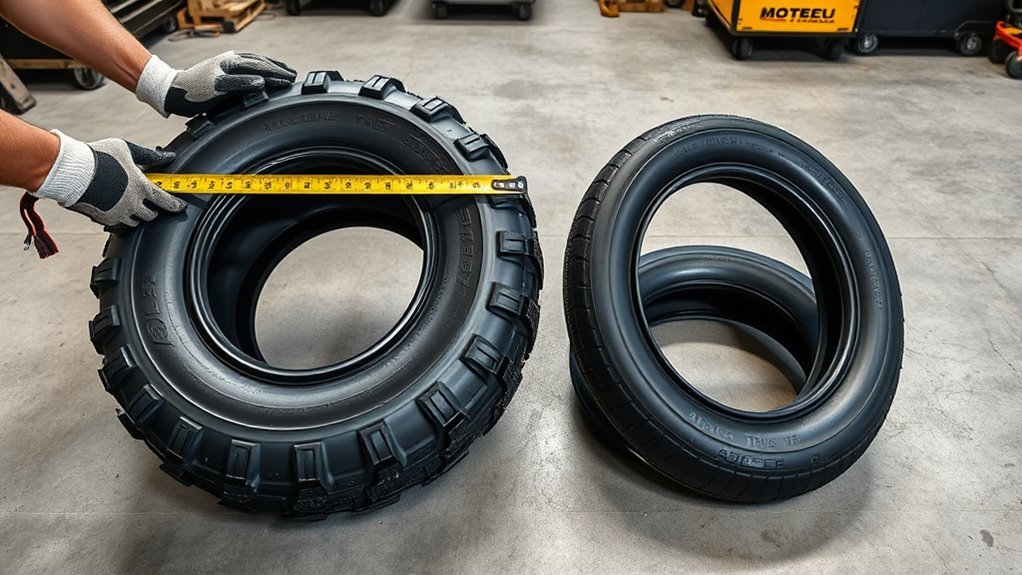
A wrong ATV inner tube can pinch, stretch, leak, or pull the valve stem out of line. You’ll get the best fit by reading the tire sidewall, matching the listed tube range, and checking the rim hole before you mount anything. This guide shows you how to choose the right size, valve stem, and installation method for safer off-road use.
Quick Answer
Choose an ATV inner tube by matching your tire sidewall size to a tube range that includes that exact size. Pick a close-fitting tube rather than one that must stretch. Check the valve stem type, stem length, rim hole, and recommended tire pressure before you ride.
Key Takeaways
- Match the tube range to the exact size printed on your tire sidewall.
- Choose a close fit to reduce stretching, heat, leaks, and pinch flats.
- Confirm the valve stem type, stem length, and rim hole before installation.
- Use rim tape, slow inflation, and a calibrated gauge to protect the tube.
- Inspect tubes, tires, and valves often, especially after rough trail rides.
Quick Guide: Which ATV Inner Tube to Buy
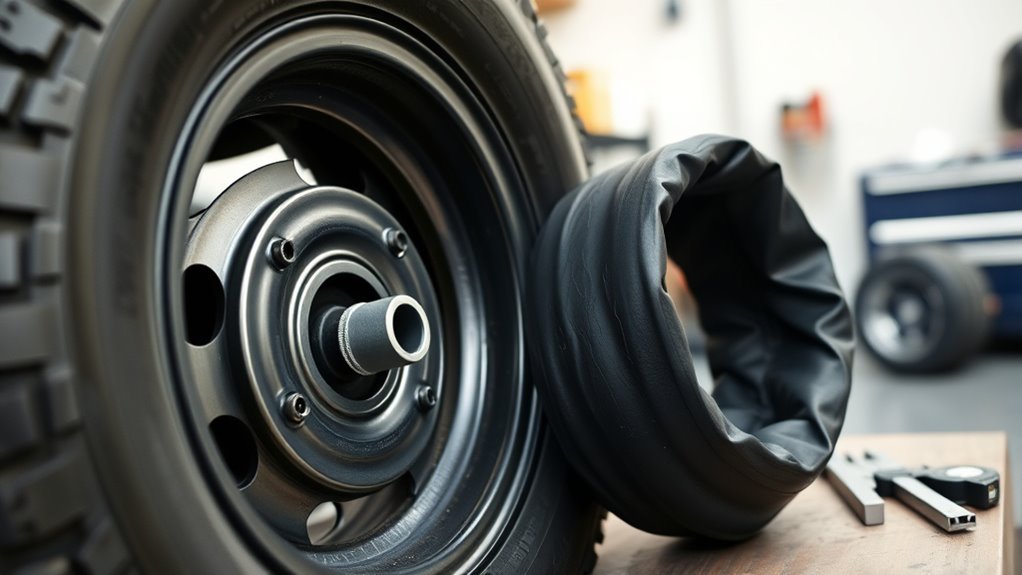
Buy the inner tube that matches your tire size and rim setup. Read the sidewall first, then use the tube maker’s fitment charts to find a listed range that includes your tire size.
For example, some charts may list TU0077 for 18X8.50/9.50R8 through 22X12R8 applications, or TU0112 for larger 24×11-9 to 25×13.5-9 tires. Treat those part numbers as examples only, since each brand can use different sizing and part codes. Always follow the fitment range from the tube maker you plan to buy from.
Check valve stem compatibility before you mount the tube. TR-13 fits many standard ATV rim holes, but your rim may need a different stem type or length. Inspect the tube, tire, and valve for cuts, abrasions, dry cracking, and age before each hard ride.
Choose durable tube material that balances puncture resistance with flexibility. A good fit helps your tire respond better on challenging terrain and reduces trail-side repairs.
Read Your Tire Sidewall to Pick the Exact Tube Size
The tire sidewall gives you the numbers you need for a compatible inner tube. ATV tire sizes usually use a width by height and rim diameter format, such as 25×8-12 or 20×10.00-8. Choose a tube made for that exact size, or for a manufacturer-listed range that includes it.
Read the tire markings, then note the overall tire diameter, tire width, and rim diameter. Size accuracy helps prevent bead stress, pinch flats, and valve misalignment. Also check the tire’s load rating and maximum pressure so you don’t exceed the tire maker’s limits.
- Find the embossed size numbers on the tire sidewall.
- Match those numbers to the tube’s printed size range.
- Align the valve stem with the rim hole before inflation.
- Check the tire’s listed pressure range before use.
- Confirm the bead seats evenly while you inflate.
Read the sidewall carefully before you buy. A few seconds of checking can prevent a poor fit and a short tube life.
Larger vs. Smaller Tubes: Fit, Durability, and Risks
You can sometimes install a slightly larger tube, but the safest choice fits close to your tire size. A close fit reduces folds, stretching, heat, and valve strain. It also supports better durability, braking feel, and handling.
A tube that fits within the approved size range spreads stress across the rubber more evenly. That can reduce blowout risk on rough ground and help the tube hold air longer. It also lowers the chance of rubbing inside the tire.
Smaller tubes create more installation challenges. They can stretch too much, seat unevenly, or pull the valve stem at an angle. Overstretched butyl tubes can lose air faster and fail early, which can hurt control during aggressive riding.
Warning: Don’t force a tube outside the maker’s listed size range, because stretching or folding can cause leaks and sudden failure.
For the best result, choose the closest approved tube size for your tire. That helps you maintain proper tire pressure, avoid common mounting problems, and ride with more confidence.
Valve Stem & Rim Fit: TR-13, Stem Length, and Clearance
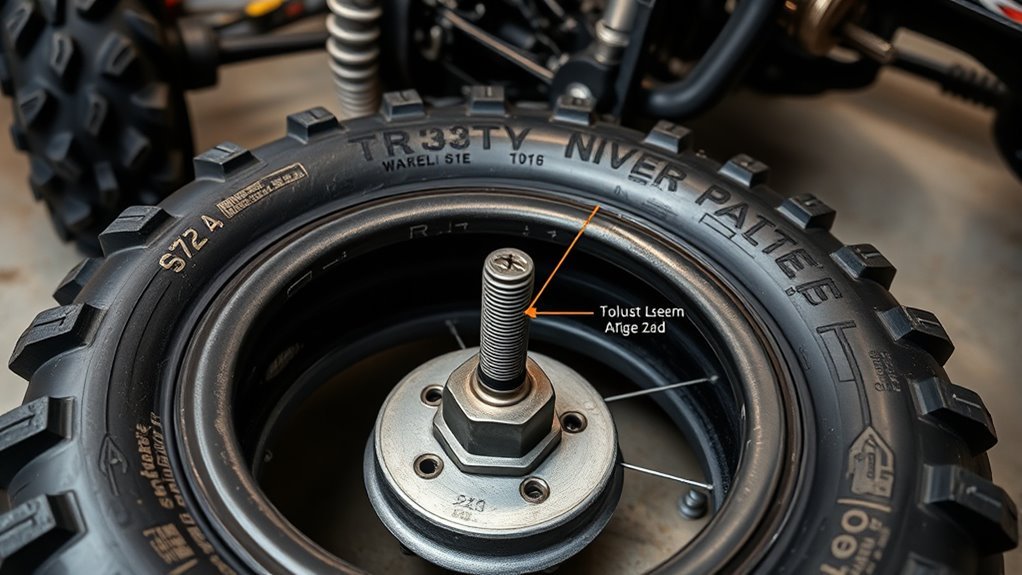
After you match the tube size, check the valve stem and rim fit. Many ATVs use a TR-13 stem, which fits many standard rim holes and gives you a reliable inflation point. Your rim still decides the correct stem type.
Confirm the rim hole diameter, valve angle, and stem length before mounting. The stem should extend past the rim lip so you can reach it with a pump or gauge. It should also sit straight, without bending or rubbing against the rim.
- Seat the TR-13 stem straight in a compatible rim hole.
- Choose enough stem length for easy pump access.
- Keep clearance around the stem during bead seating.
- Match the stem base to the rim hole diameter.
- Inspect the valve for straightness and air leaks.
Installation, Inflation, and Maintenance Tips to Maximize Tube Life
Good installation and care help ATV tubes last longer. Start with precise sizing, correct inflation, and routine inspection. Poor fitment can create stress points and raise the risk of flats.
Use controlled installation steps. Seat the bead evenly, keep tire tools away from the tube, and use rim tape to guard against spoke ends, rough rim edges, and punctures. Add a small amount of air before final seating so the tube holds its shape.
For inflation, use a calibrated gauge and follow the tire or vehicle maker’s pressure guidance. Underinflation can pinch the tube, while overinflation can make the tire harsh and more prone to impact damage. Fill slowly, check for leaks, and confirm the bead seats evenly.
Inspect tubes, tires, and valves at regular intervals. Look for cuts, abrasions, bulges, cracking, and valve damage. Store spare tubes in a cool, dry place so heat and sunlight don’t weaken the rubber.
Pro tip: Dust the tube lightly with tire talc during installation to reduce rubbing inside the tire.
Common ATV Inner Tube Sizing Mistakes
The most common mistake comes from matching only one number on the tire. You need the full tire size, including overall diameter, width, and rim diameter. A tube that matches the rim but not the tire body can still fit poorly.
Another mistake involves ignoring the valve stem. A tube can match the tire size but still fail if the stem doesn’t fit the rim hole. Check both size and stem before you buy.
Don’t use a tube to fix a tire with sharp internal damage. Remove thorns, wire, broken cords, and rough patches before mounting the tube. Any sharp edge inside the tire can cut the new tube during your next ride.
Frequently Asked Questions
What Does 25X10-12 Mean on ATV Tires?
25×10-12 describes the tire size. The tire measures about 25 inches tall, 10 inches wide, and fits a 12-inch rim. Use all three numbers when you choose a matching tube.
What Is the Difference Between TR4 and TR6 Inner Tube?
TR4 and TR6 valve stems differ by stem design and rim fit requirements. Choose the stem that matches your rim hole and pressure needs. A mismatched stem can leak, bend, or fail during use.
Can You Run an ATV Tire With a Tube?
You can run many ATV tires with a tube when the tire and rim allow it. Tubes can help with some older rims or tires that no longer seal well tubeless. Don’t use a tube if the tire has sharp internal damage that could cut it.
Should You Use Sealant in an ATV Inner Tube?
Some tube sealants can help slow small puncture leaks, but they don’t fix cuts, valve damage, or poor fitment. Use only a sealant that the tube maker approves. Sealant can also make later repairs messier.
Conclusion
The right ATV inner tube matches the tire size, valve stem, rim hole, and pressure range. Read the sidewall before you buy, then choose a close-fitting tube within the maker’s listed fitment range. Install it with care, inflate it with a reliable gauge, and inspect it after hard rides. A well-matched tube gives you fewer flats, better control, and more time on the trail.

Related Articles
What Does THE P Stand For on a Tire? Full Meaning Explained
I’ll explain what the “P” on a tire really means and why it could change how you choose your next set.
Read More
How to Use a Tubeless Tire Repair Kit: Complete Field Guide
Learn how to fix tubeless tire punctures fast with the right kit, because one small mistake can leave you stranded on the trail.
Read More
How to Tell a Tire’s Diameter: Easy Guide to Reading Tire Size
Want to decode tire sidewall numbers and find the right diameter, but wonder what those hidden digits really mean?
Read More