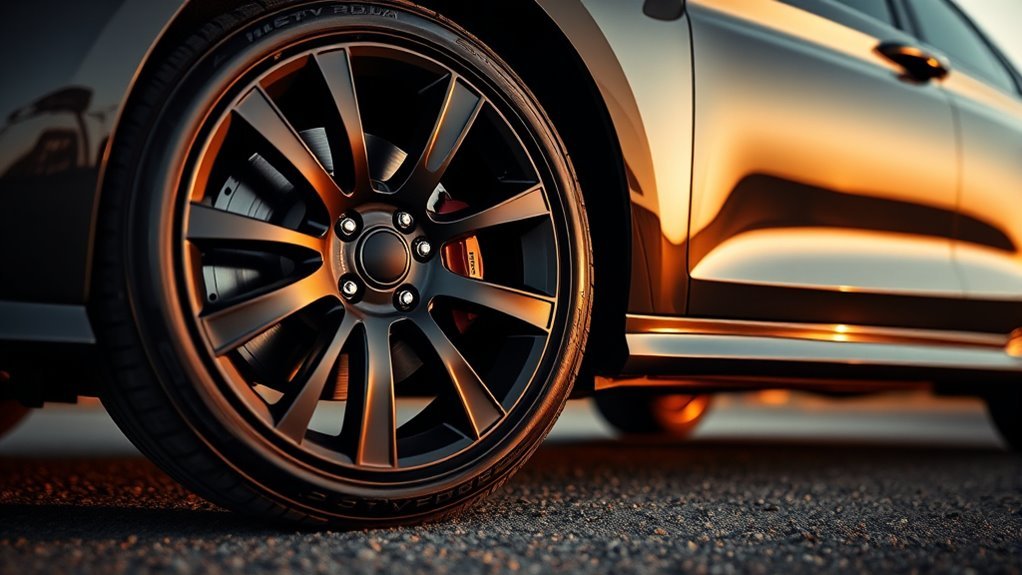
The Hyundai Sonata N Line uses a sportier tire setup than comfort-focused Sonata trims, so the size matters. For most 2025 Sonata N Line shoppers, the key factory-size number to know is 245/40R19. That size gives the car a wide, low-profile footprint for sharper steering and a planted feel, but it also makes tire pressure, load rating, seasonal compound, and wheel fitment more important.
Quick Answer
The 2025 Hyundai Sonata N Line is commonly listed with 245/40R19 tires on 19-inch wheels. When replacing them, match the size, load index, and speed rating shown on your driver-door Tire and Loading Information label. Do not rely on a generic pressure number; use the cold PSI printed on your vehicle’s placard.
Key Takeaways
- 245/40R19 is the size to start with for Sonata N Line tire shopping, but the door placard is the final authority.
- The 245 mm width helps grip; the 40-series sidewall improves steering response but creates a firmer ride.
- A 94W service description means a 670 kg load index and a W speed rating, so do not downgrade load or speed rating without professional guidance.
- For normal maintenance, Hyundai’s schedule lists tire rotation every 8,000 miles or 12 months; check pressure monthly and when tires are cold.
- Use summer, all-season, or winter tires based on climate. Winter tires matter when temperatures are consistently below about 45°F.
At a Glance
| Factory Tire Size | 245/40R19 is the common Sonata N Line fitment; confirm on the driver-door tire label. |
| Typical Service Description | Often listed as 94W; match or exceed the placard and original-equipment rating. |
| Best Daily Tire Type | Grand-touring or ultra-high-performance all-season tire for mixed commuting and spirited driving. |
| Maintenance Priority | Check cold pressure monthly, rotate at the manual interval, and replace when tread, age, or damage requires it. |
What Tire Size Does the Sonata N Line Use?
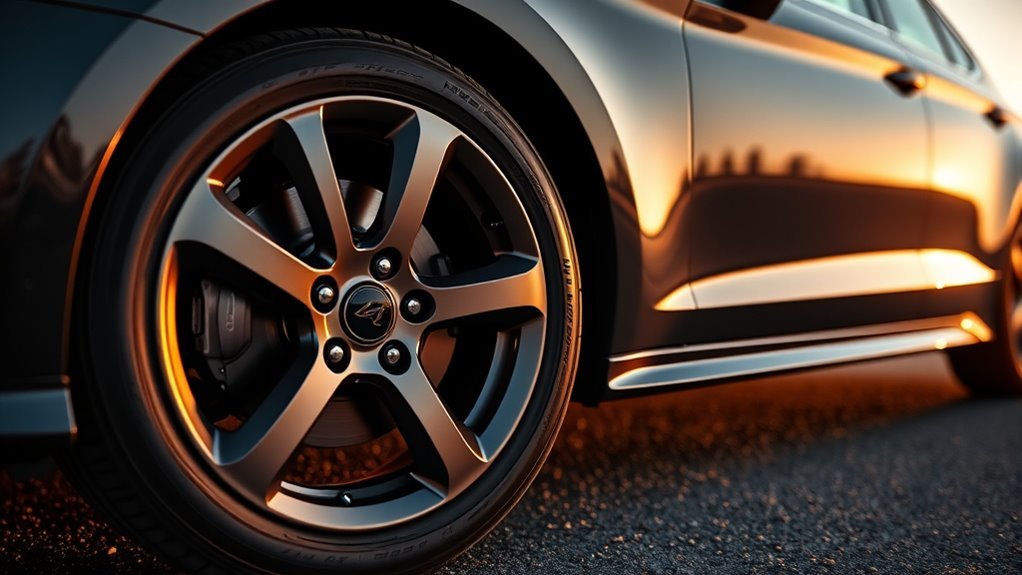
For the 2025 Hyundai Sonata N Line, the tire size most owners will shop for is 245/40R19. Hyundai markets the N Line with 19-inch wheels, and current fitment references commonly list the N Line with a 245/40R19 tire size. Before buying, always check the Tire and Loading Information label on the driver-side doorjamb because that label is the final reference for your car’s correct size, pressure, and load requirements.
Here is what 245/40R19 means in plain English:
| 245 | The tire is about 245 mm wide from sidewall to sidewall. |
| 40 | The sidewall height is 40% of the tire’s width, giving a low-profile feel. |
| R | Radial construction, which is standard for modern passenger-car tires. |
| 19 | The tire fits a 19-inch wheel. |
| 94W, if listed | 94 is the load index, commonly 670 kg per tire; W is a high-speed rating. Match the rating on your placard or original tire. |
Warning: Do not install a lower load index, lower speed rating, or non-confirmed wheel size just because the tire is cheaper. Tire size affects ABS, stability control, speedometer accuracy, load capacity, ride height, and fender clearance.
How 245/40R19 Affects Sonata N Line Handling, Ride, and Braking
The Sonata N Line is a front-wheel-drive sport sedan with a 290-hp turbocharged engine, so tire grip matters. A 245 mm tire is wide for a midsize sedan, giving the car a larger contact patch than narrower comfort-focused tires. That wider footprint can help with steering response, cornering stability, and braking potential when the tire compound, tread depth, temperature, and road surface are all working in your favor.
Cornering Grip Impact
The biggest benefit of 245/40R19 tires is lateral grip. The wider tread gives the Sonata N Line more rubber on the road, while the shorter sidewall reduces the soft, delayed feeling you can get from taller tires. The result is a more direct response when you turn the wheel.
That does not mean every 245/40R19 tire handles the same. A touring all-season tire, an ultra-high-performance all-season tire, a summer tire, and a winter tire can all share the same size but feel completely different. Compound and tread design matter as much as size.
Ride Comfort Tradeoffs
The tradeoff is comfort. A 40-series sidewall has less rubber between the wheel and the road than a taller tire. You may feel more impact from potholes, expansion joints, and broken pavement. Road noise can also increase, especially with aggressive performance tread patterns.
If you drive mostly in the city, choose a tire with strong comfort and noise ratings. If you drive back roads or prefer sharper steering, an ultra-high-performance all-season or summer tire may be worth the firmer ride.
Braking Distance Changes
A wider, performance-oriented tire can improve braking potential, but size alone does not guarantee shorter stops. Braking distance depends on tread depth, compound, road temperature, water depth, brake condition, tire pressure, and driver input. A worn 245/40R19 tire can stop worse than a narrower tire with fresh tread and the right compound.
The tire size sets the fitment. The tire compound, tread depth, pressure, and temperature decide how much grip you actually get.
Which 245/40R19 Tires to Buy: Comfort, All-Season, Summer, or Winter?
The best 245/40R19 tire for a Sonata N Line depends on climate and driving style. Start with the correct size and service rating, then choose the tire category that matches how you actually drive.
[Products Worth Considering]

The TYAMATE TM8 solar-powered wireless TPMS delivers real-time tire pressure and temperature monitoring with six alarm modes for safer driving. A vibrant color LCD display shows readings clearly while windshield mounting keeps it hands-free and easy to read. With a wide 0–87 PSI range, strong 433.92 MHz signal transmission, and quick sensor pairing, it’s ideal for RV, sedan, SUV, MPV, and truck use.

Milton S-921 pencil tire pressure gauge helps you maintain optimal tire pressure for passenger cars with accurate readings in PSI and kPa. It features a built-in deflator valve for convenient pressure adjustments, plus a single chuck head and nylon indicator bar for easy use on the go. Built from durable plated brass and designed for reliable performance, it’s a practical road trip and cold-weather maintenance tool.

The Continental Grand Prix 5000 is an allround road bike tire engineered for faster rolling, improved ride comfort, and enhanced puncture protection. It features a Vectran Breaker cut-protection layer, Lazer Grip micro-profile tread for confident cornering control, and Active Comfort Technology to damp vibration for smoother rides. BlackChili compound optimizes grip and speed for everyday performance and long-lasting confidence.
City-Oriented Comfort Compound
Choose a comfort-focused grand-touring tire if you care most about quiet commuting, long tread life, and smoother ride quality. This is the best match for drivers who use the Sonata N Line as a daily commuter and rarely push the car hard.
Look for reviews that mention low road noise, wet braking, hydroplaning resistance, and even wear. Do not choose a tire only because it has a sporty-looking tread pattern.
Balanced Touring Performance
A high-performance all-season tire is the best middle ground for many Sonata N Line owners. It usually gives better steering response than a comfort tire, better wet traction than a cheap budget tire, and better year-round usefulness than a pure summer tire in mild climates.
This category is ideal if you want the car to feel responsive but still need decent tread life and rain performance.
Track-Focused Grip Compound
Summer performance tires give the sharpest warm-weather steering and dry-road grip, but they are not the best choice for cold weather. Many summer tires lose flexibility as temperatures drop and are not designed for snow or ice.
If you do occasional autocross or aggressive mountain-road driving, a summer tire can make the Sonata N Line feel much sharper. If you drive through winter temperatures, use a different seasonal setup.
Pro Tip: When comparing tires in the same 245/40R19 size, prioritize wet braking, treadwear warranty, road-noise reviews, and load/speed rating before price.
Seasonal Picks: Summer, All-Season, and Winter Tire Recommendations
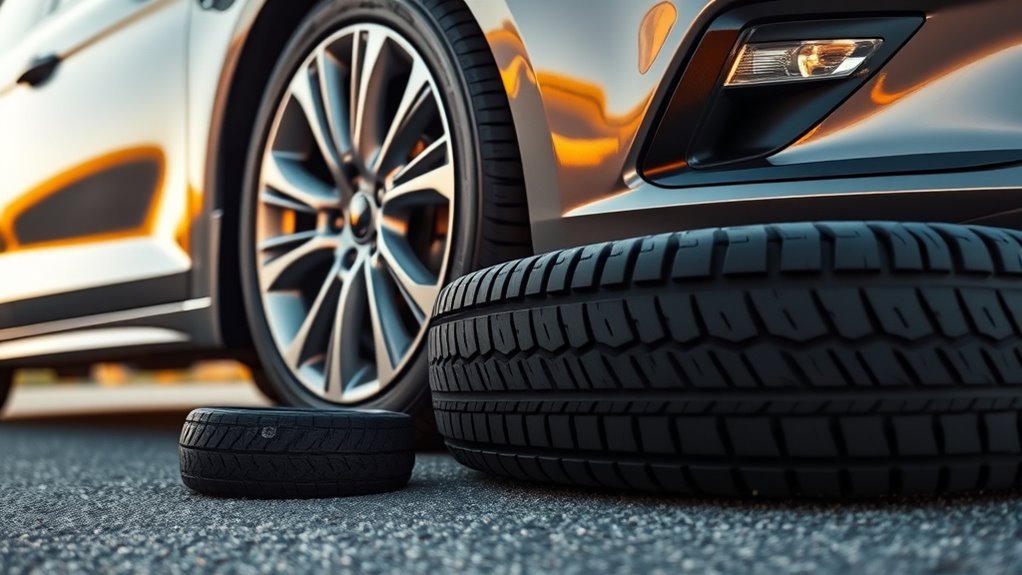
Seasonal tire choice matters because rubber compounds behave differently in different temperatures. Michelin’s tire guidance explains that winter tires stay flexible below about 45°F, while summer tires are designed for warm dry or wet roads and are unsafe on snow and ice.
- Warm climates: A summer tire or ultra-high-performance all-season tire makes sense if you rarely see freezing temperatures.
- Mixed climates: A strong all-season tire is the easiest one-set solution for commuting, rain, and mild winter conditions.
- Cold/snow climates: Use dedicated winter tires once temperatures regularly fall below about 45°F, especially if you see snow, slush, or ice.
- Winter wheel packages: Stay close to the original rolling diameter and verify wheel width, offset, brake clearance, load rating, and TPMS compatibility before downsizing or upsizing.
Note: A 245/35R20 winter setup should not be treated as a universal Sonata N Line recommendation. Use the original 245/40R19 size or a verified winter package from a tire professional.
[Products Worth Considering]

Monitor tire tread wear with a smart, color-coded depth gauge that shows clear condition ranges at a glance. The bar is range marked for fast, easy readings, helping you maintain safer traction and performance. Each gauge is portable with a pocket clip, and the set includes 20 units for daily use and sharing.
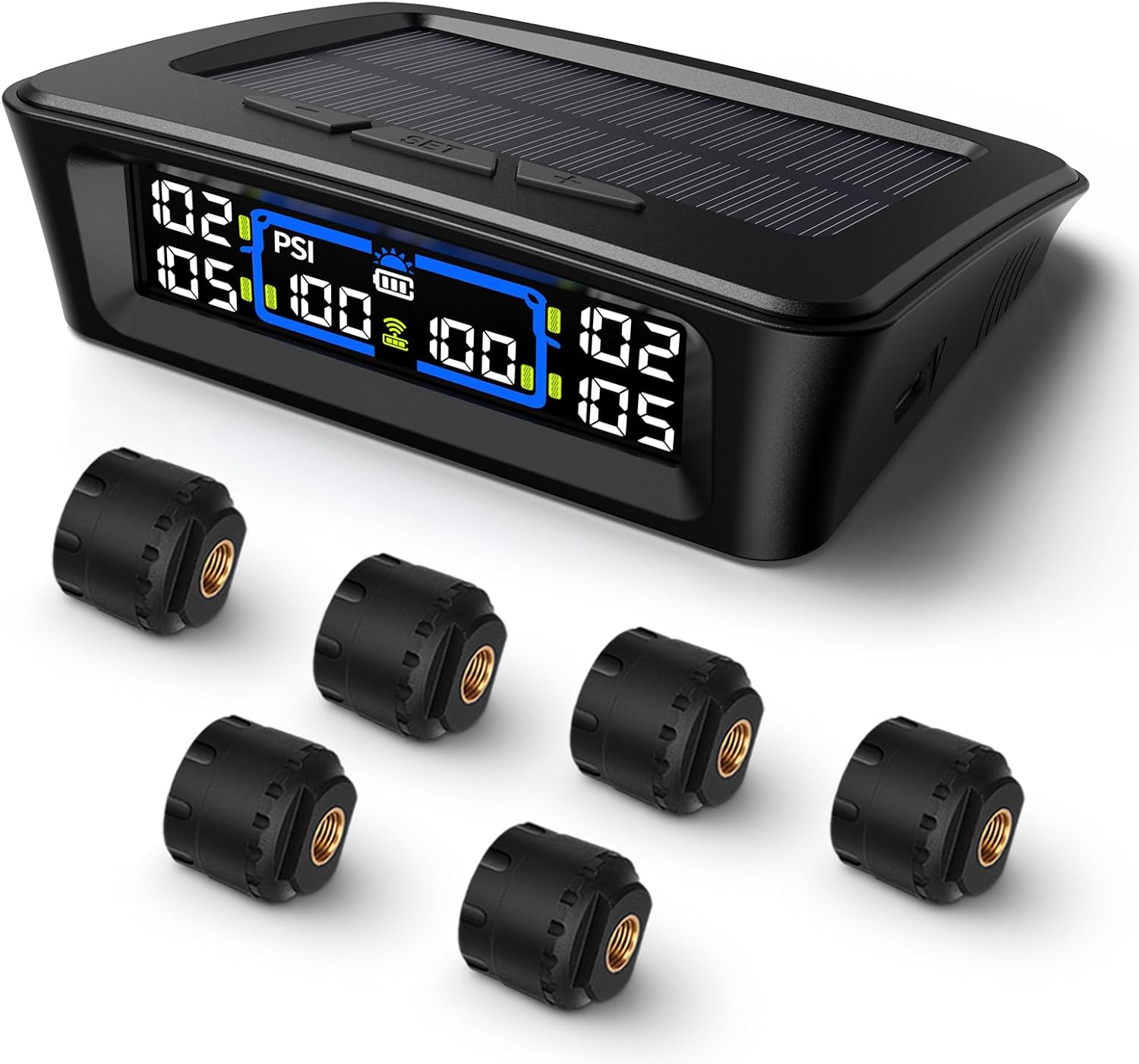
The Tymate TM12 RV TPMS delivers real-time tire pressure and temperature monitoring with a stable 433Hz display for safer long-distance driving. It supports simultaneous monitoring across vehicle and trailer zones, includes six alarm modes for pressure, temperature, leakage, battery, and signal loss, and features easy DIY installation with auto calibration. Power is supplied via USB-C charging or solar recharging, with a wide 0–144 PSI range and up to 50 ft signal coverage for RVs and towable trailers.
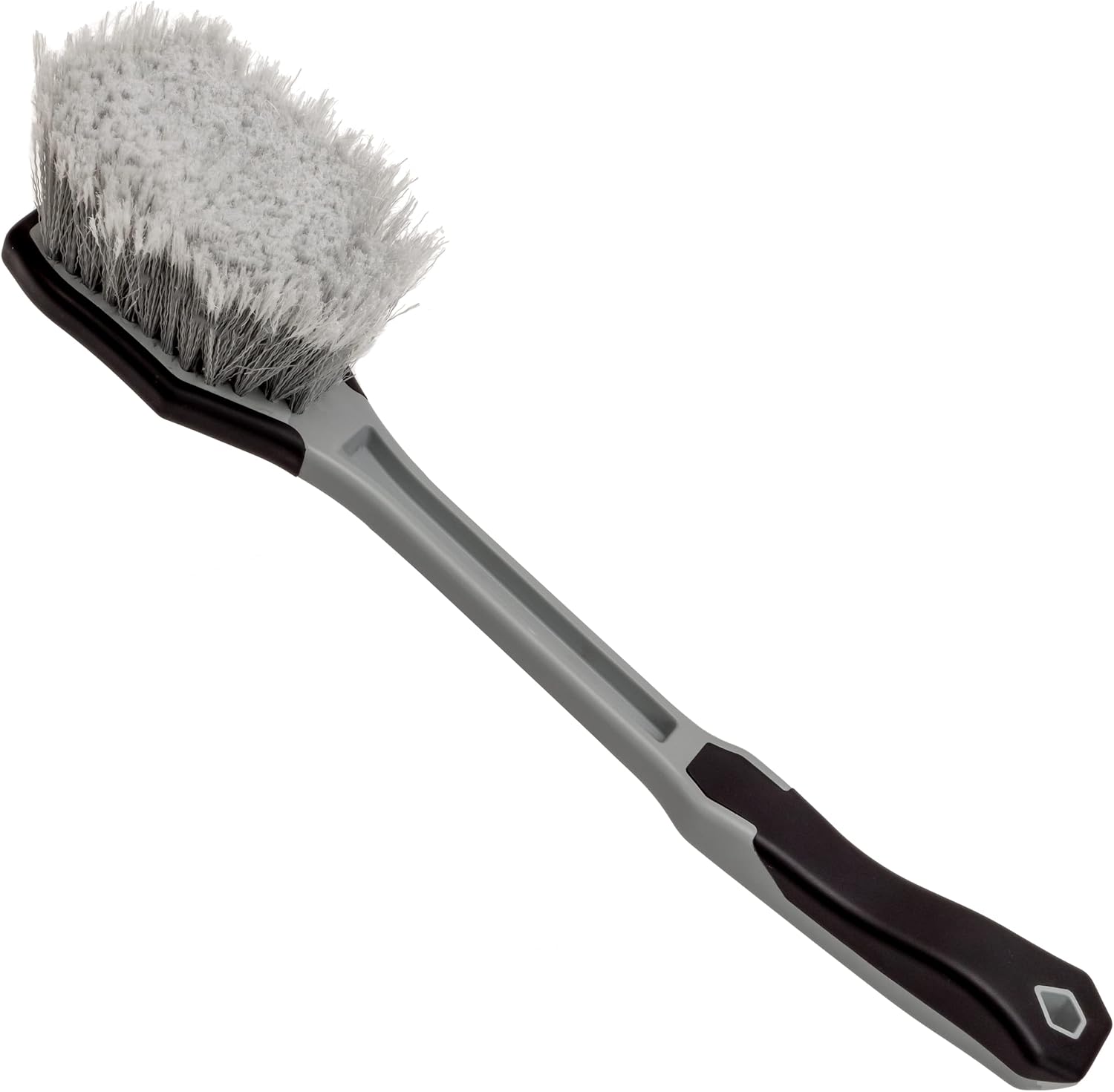
Clean grills, fenders, fender flares, bumpers, and wheel wells with a long-handled brush built for detailed car washing. The soft, triple-flagged bristles and dense scrub coverage help lift dirt gently while making coverage fast and easy. Use it with your favorite car wash soap for tires and exterior surfaces, and it also works for bike, motorcycle, boat, or RV cleaning.
Why 8Jx19, ET55, Load Index, and 94W Matter
Tire size is only part of the fitment. Wheel width, offset, load index, and speed rating also matter.
- 8Jx19 wheel: “8J” means an 8-inch-wide wheel; “19” means 19-inch diameter. A 245-width tire is commonly paired with this width range.
- ET55 offset: ET is wheel offset. A higher or lower offset changes how far the wheel sits inward or outward. Too much change can cause rubbing, poor steering feel, or suspension clearance problems.
- 94 load index: A 94 load index corresponds to about 670 kg per tire. If your placard or tire sidewall shows a different load index, match or exceed that requirement.
- W speed rating: A W-rated tire is designed for sustained speeds up to 168 mph/270 km/h under specified test conditions. This rating also reflects heat and construction capability, not permission to drive over the speed limit.
The safest rule is simple: when replacing tires, match the original size and service description shown on the car. If you change wheel size, offset, or tire diameter, have the setup checked by a qualified tire shop.
Maintenance and Replacement: Pressure, Rotation, Lifespan, and Upgrades
Low-profile 19-inch tires reward good maintenance and punish neglect. Check pressure at least monthly and before long trips, always when the tires are cold. The correct cold PSI is the number on your doorjamb label, not the maximum pressure molded on the tire sidewall.
For normal service, Hyundai’s current maintenance schedule source lists engine oil and filter replacement every 8,000 miles or 12 months and tire rotation at the scheduled interval. Another Hyundai schedule page lists tire rotation every 8,000 miles or 12 months. Severe driving, short trips, extreme temperatures, heavy traffic, dusty roads, or track use can require more frequent service, so follow your exact owner’s manual and service advisor guidance.
Use this replacement checklist:
- Tread depth: Replace at the legal minimum or earlier if wet grip has dropped. NHTSA says tires are unsafe at 2/32 inch of tread.
- Age: Some vehicle and tire makers recommend replacement at six to ten years regardless of tread. Check the DOT date code.
- Damage: Replace tires with bulges, sidewall cuts, exposed cords, cracking, or repeated pressure loss.
- Uneven wear: Feathering, cupping, or one-edge wear means you should check alignment, balance, suspension, and pressure.
- Rating match: Do not go below the original load index or speed rating.
Warning: A tire-pressure monitoring system is not a substitute for manual pressure checks. NHTSA notes that TPMS warnings appear only when pressure is significantly low, so use a gauge monthly.
[Products Worth Considering]

Black Magic Tire Wet delivers a deep wet-look shine that makes tires appear dark, rich, and freshly detailed. Its long-lasting formula helps resist rain, dust, and road grime for weeks of glossy protection, not days. Apply by spraying onto clean, dry tires—no buffing or wiping required—with a low-sling design to reduce splatter on paint and wheels.

The Kurgo Seasonal Tire Tote helps protect your car interior, clothes, and garage from tire grime, brake dust, and residue during seasonal tire changes. Its universal design fits most passenger tires between 22" and 31" in diameter, making storage and transport simpler with less mess. Built for rugged, repeated use, it’s machine washable for easy care and comes with a lifetime warranty.

Measure tire tread depth quickly and accurately with this LUMITECO dial gauge that reads in 1/32" increments up to 14/32". The color-coded green/yellow/red zones make it easy to judge tire wear and know when replacement is needed. A rugged, compact design with a protective pouch helps keep the gauge ready for use on cars, trucks, motorcycles, and more.
Frequently Asked Questions
What size tires are on the Hyundai Sonata N Line?
The 2025 Hyundai Sonata N Line is commonly listed with 245/40R19 tires. Always confirm the exact size, load index, speed rating, and cold pressure on the driver-door Tire and Loading Information label before buying replacements.
Is the Sonata N Line a performance car?
It is best described as a performance-leaning midsize sedan. Hyundai lists the 2025 Sonata N Line with a 290-hp engine, an 8-speed dual-clutch transmission, paddle shifters, and 19-inch wheels, but it is still designed for everyday road use.
What PSI should Sonata N Line tires use?
Use the cold tire pressure printed on your driver-door Tire and Loading Information label. Do not use the maximum PSI on the tire sidewall as your normal setting. Check pressure when the car has been parked for at least three hours.
How often should Sonata N Line tires be rotated?
Hyundai’s normal maintenance schedule source lists tire rotation every 8,000 miles or 12 months. Rotate sooner if you see uneven wear, vibration, or abnormal tire noise.
How often should the Sonata N Line have an oil change?
For normal service, Hyundai’s schedule source lists engine oil and filter replacement every 8,000 miles or 12 months. Severe-use driving can require shorter intervals, so follow your exact owner’s manual and maintenance display.
Can I use 245/35R20 tires on a Sonata N Line?
Only use a 20-inch setup if a tire professional verifies wheel width, offset, brake clearance, tire diameter, load rating, TPMS compatibility, and fender clearance. For most owners, staying with the original 245/40R19 size is simpler and safer.
Conclusion
The Sonata N Line’s 245/40R19 tire size is part of what gives the car its sharper feel. The wide tread helps grip, the low-profile sidewall improves response, and the 19-inch wheel package fits the N Line’s sportier character. The tradeoff is a firmer ride, higher tire cost, and less forgiveness over rough pavement.
For the safest replacement, match the door-label size, load index, speed rating, and pressure. Choose the tire category for your climate, rotate on schedule, check pressure monthly, and replace tires based on tread, age, and damage—not just mileage.
Sources
- Hyundai USA — 2025 Sonata N Line — backs up the N Line’s 290-hp positioning, 8-speed dual-clutch transmission, and 19-inch wheels.
- Hyundai Owner’s Manual — Normal maintenance schedule — backs up normal oil/filter service interval guidance.
- Hyundai Owner’s Manual — Tire rotation schedule — backs up 8,000-mile/12-month tire rotation guidance.
- NHTSA TireWise — backs up tire pressure, placard, tread depth, rotation, TPMS, and tire-aging safety guidance.
- Michelin — Summer, winter, and all-season tires — backs up the 45°F seasonal tire guidance.
- Tire Rack — Tire speed rating guide — backs up W speed rating meaning and ZR/W service-description clarification.