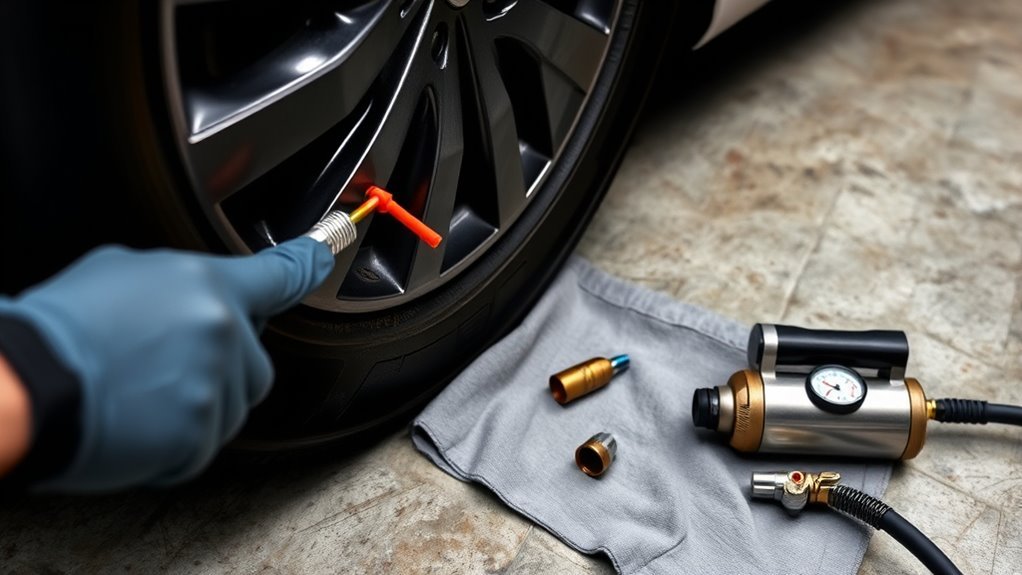
You can replace many rubber valve stems without demounting the tire. The basic process: deflate the tire, stabilize the wheel, and use a quick-change puller or QuikStem kit to pull the old stem out from the outside. Before you start, inspect the rim, check for TPMS, and remove the valve core. If the stem is stuck, a left-hand drill bit can break it free for extraction. Install the new stem with a proper puller or glue-on insert, test for leaks, and read on for detailed tips.
Quick Answer: Replace Valve Stem Without Demounting
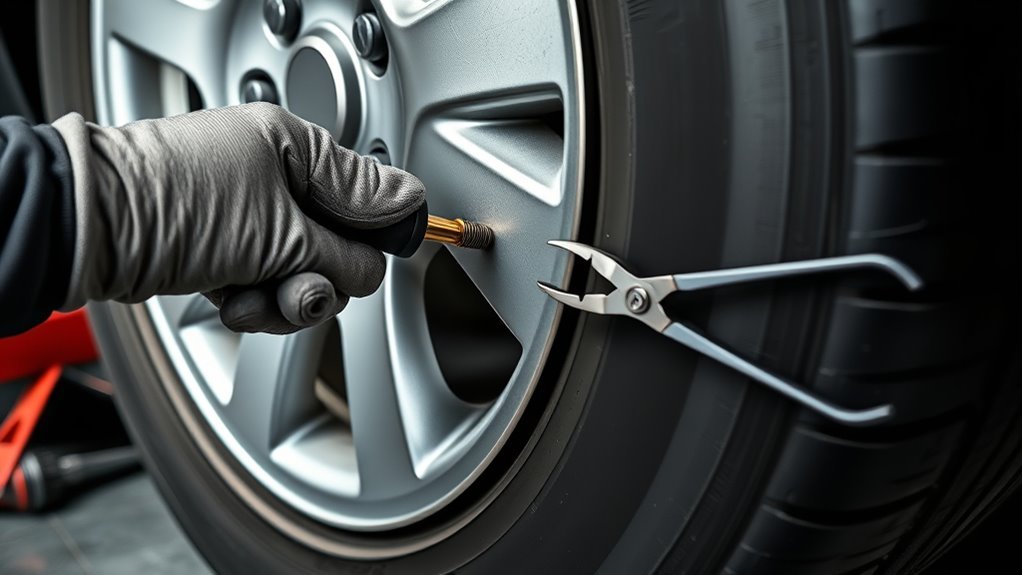
Yes, you can often replace a valve stem without fully removing the tire from the rim. Your success depends on the method and tire type.
Start by identifying your valve type and confirming TPMS compatibility. Some tools won’t work with modern TPMS stems. For fluid-filled or tube-type tires, a QuikStem or glue-on valve stem typically takes about 5 minutes to install. Follow the product instructions, clean the area, apply sealant if needed, and torque fittings to spec.
A Quick Valve Change Tool speeds up installation on many tires, though older tire constructions may resist and still require demounting. For damaged stems, an emergency valve works as a temporary measure, but keep an eye on it for leaks if the inner tube is compromised. If access or seal integrity seems questionable, stop and demount the tire instead.
Can Your Wheel/Tire Be Repaired In Place?
First, inspect the tire and rim for corrosion, a damaged bead, or stripped valve threads that could block a secure seal. Then check valve accessibility. If you can reach the stem with a Quick Valve Change Tool or QuikStem, and the rim threads look solid, an in-place swap is usually feasible.
Finally, weigh the risk and the tools you have on hand. If you lack the right equipment or the rim threads are compromised, pull the tire off and let a pro handle balancing and bead cleaning.
Inspect Tire And Rim
Before replacing the valve stem, take a close look at the tire and rim. You need to know whether the wheel can be repaired in place.
Look for cracks, bulges, or excessive tread wear that weaken the tire. Check the rim around the valve opening for corrosion, dents, or sharp edges that could prevent a proper seal. Examine the valve stem itself for brittleness or visible damage. Also confirm whether the tire has an inner tube, since tubes change the repair approach.
For a thorough tire inspection, run your hand and a bright light around the sidewall and tread. Watch for cuts, dry rot, or bubbles. For rim condition, clean the bead area and valve seat, then look for pitting, bends, or sharp corrosion that would prevent a leak-free repair.
Assess Valve Accessibility
Once you’ve inspected the tire and rim, figure out whether you can swap the valve stem without pulling the tire off.
Check the valve stem accessibility and surrounding condition. Corrosion, a bent stem, or damaged threads may block in-place removal. Verify if a tube is present or the tire is fluid-filled. Both complicate access and may require dismounting.
For older models (a John Deere 2130, for example), expect fragile threads and tight clearances. Make sure your work environment gives safe, stable access to the valve before moving forward. Keep in mind that specialized Quick Valve Change Tools work well for rubber stems but may not suit TPMS-equipped wheels. Use these checks to decide whether an in-place repair is practical and safe.
Evaluate Risk And Tools
If the valve stem and surrounding rim look solid, you can sometimes replace the stem in place. But take a moment to evaluate risks and required tools before starting.
Start with a risk assessment: inspect the stem, rim opening, and tire for corrosion, cracked rubber, or an internal tube. Signs of internal damage or heavy corrosion mean you should get professional service.
For tool selection, go with purpose-built options like the Quick Valve Change Tool or QuikStem to avoid full dismounting. If remnants of the old stem remain, a left-hand drill bit can extract them, but don’t force it into fragile valve threads. Tubes complicate reuse of the old stem and may require full disassembly. Only proceed if your inspection and chosen tools make in-place repair safe.
Tools & Parts for an In-Place Valve Stem Swap
A couple of specialty tools make this job practical. You’ll want a Quick Valve Change Tool (for rubber stems), a left-hand drill bit for extracting broken stems, and a valve-stem puller/installer that matches your stem size. Add a QuikStem or similar replacement stem if you need a fast fix for fluid-filled tires.
Use the Quick Valve Change Tool when valve stem compatibility is confirmed. It works best on rubber stems and rarely on TPMS-equipped rims. Carry a left-hand drill bit to back out seized or broken stems, but drill gently to avoid thread damage. Match the puller/installer to the new stem’s diameter and length.
For tubed tires, pack a glue-on valve stem and sealant. Keep spare stems, caps, and a valve core tool handy.
[Products Worth Considering]

This Dr.Roc tire valve stem puller tools set helps install or remove snap-in tubeless valve stems safely and efficiently. It includes ozone-resistant EPDM snap-in valve stems, a valve stem installer, and a valve core remover for quick core removal or installation during tire service. Designed for reliable tubeless tire repair on motorcycles, ATVs, lawn equipment, cars, and trucks.
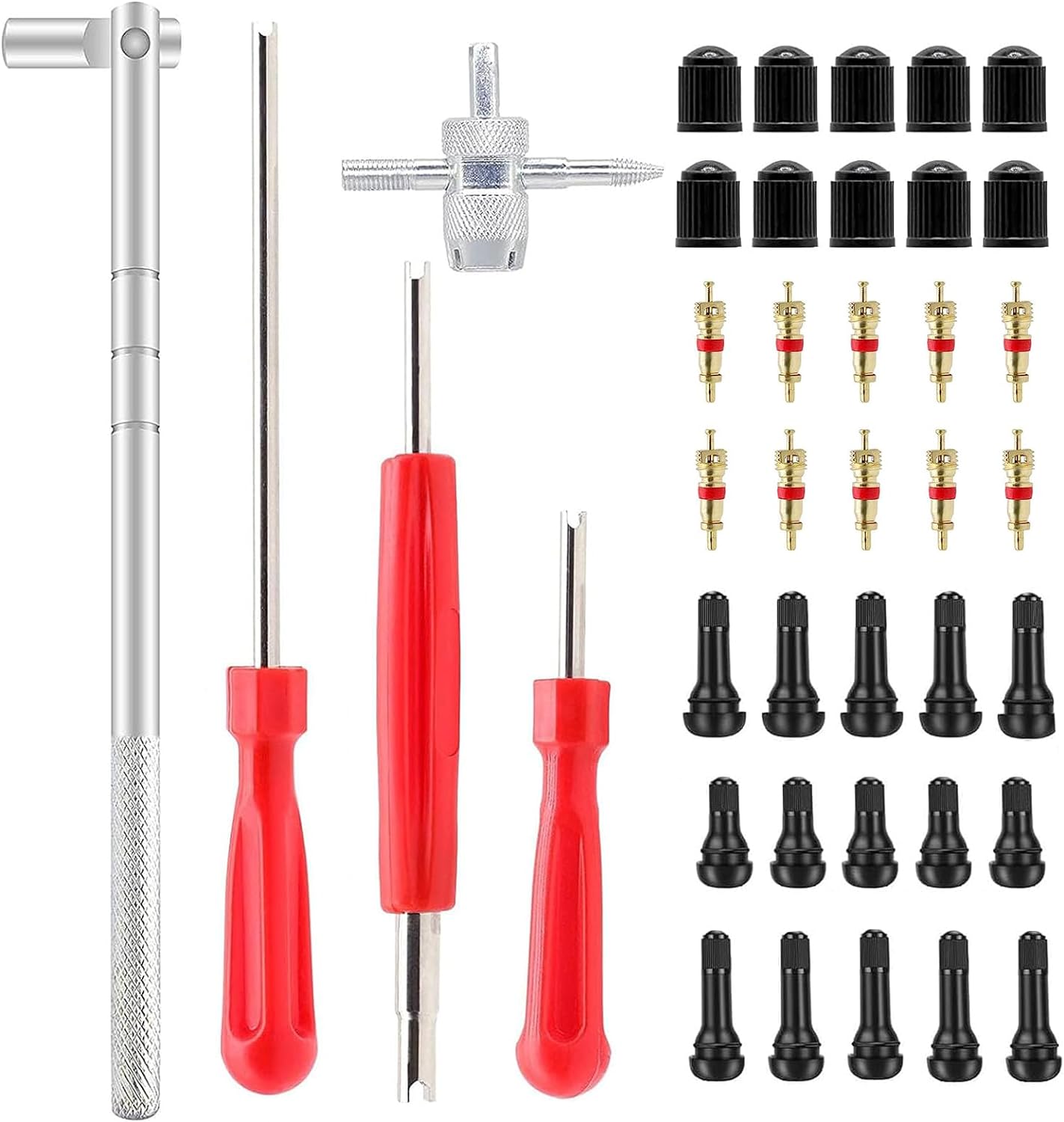
This ZHSMS valve stem puller and installer tool set makes it easy to remove and install tire valve stems without damaging wheels or valves. It uses a leverage design to save effort and includes valve stem tools plus removable valve core functionality for quick tire repairs. Compatible with tubeless tires for passenger cars, motorcycles, ATVs, off-road vehicles, and trucks.

This 100-piece set of snap-in tubeless tire valve stems is designed for standard 0.453 in (11.5 mm) rim holes and helps maintain reliable, steady tire pressure. Made with ozone-resistant rubber and brass cores, the valves are built for durability and long-term use. Easy to install by hand, they support safe driving and are suitable for cars, light trucks, trailers, and more.
Safety Prep: Deflate, Stabilize, Protect the Wheel
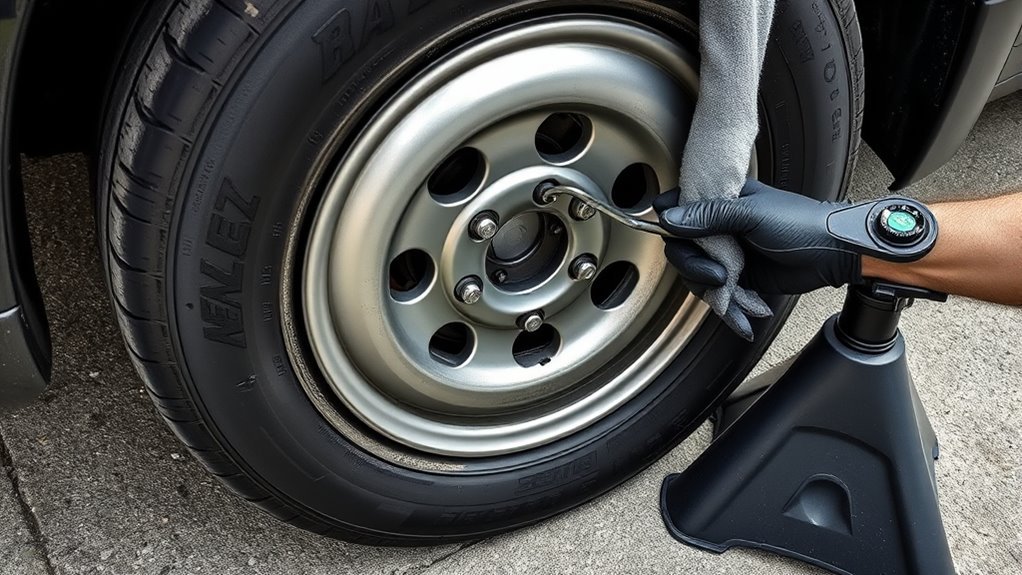
Start by fully deflating the tire to relieve pressure on the valve stem. Park the vehicle on a flat, solid surface and set wheel chocks to prevent movement. Cover the wheel with a cloth or protective pad to avoid rim damage. Put on safety goggles and gloves, and inspect the area around the valve stem for corrosion or other damage before you proceed.
After deflation, confirm there’s no residual pressure by pressing the valve core briefly with a cap or tool. Position chocks both forward and rearward of the opposite wheels. Use a cloth or dedicated pad to shield the rim while you work. Keep your safety gear on at all times.
These steps reduce risk, protect the wheel, and follow basic tire maintenance protocols for a smooth in-place replacement.
Removing a Broken Valve Stem From the Rim
Remove the broken valve stem carefully to avoid damaging the rim or remaining threads. First, confirm the tire is fully deflated and the wheel is stabilized. Then use a left-hand drill bit to bore out the inner core of the damaged stem. This often loosens it for extraction without harming the valve hole.
Inspect the exposed threads for fragility as you work, and have a Quick Valve Change Tool ready if the drill method doesn’t free the stem. Drill slowly, back out any seized material, and extract with pliers or the Quick Valve Change Tool. Check for valve damage and internal tube leaks. If threads are too fragile, consider a glue-on valve stem as an alternative.
| Step | Tool | Note |
|---|---|---|
| 1 | Left-hand drill | Drill core gently |
| 2 | Pliers/Tool | Extract loosened stem |
| 3 | Inspect | Assess threads, leaks |
If It’s Stuck: Drill-Out and Extraction Methods
If the drill method from the previous step doesn’t free the stem, you’ll need a more controlled drill-out and extraction approach to protect the valve hole.
First, inspect the rim for corrosion. Compromised metal raises extraction risks and may change your plan. Use a left-hand drill bit to bore out the inner core. This often grabs and backs the core out as you drill, reducing thread damage.
Apply steady, low RPM pressure. Avoid aggressive feeds that shred aged threads. If you have a Quick Valve Change Tool, try it carefully. Expect to use significant force and watch for bending. If drilling or tools fail, consider non-invasive alternatives like glue-on or emergency valves rather than forcing a damaged rim.
Installing a New Rubber Valve Stem Without Removing Tire
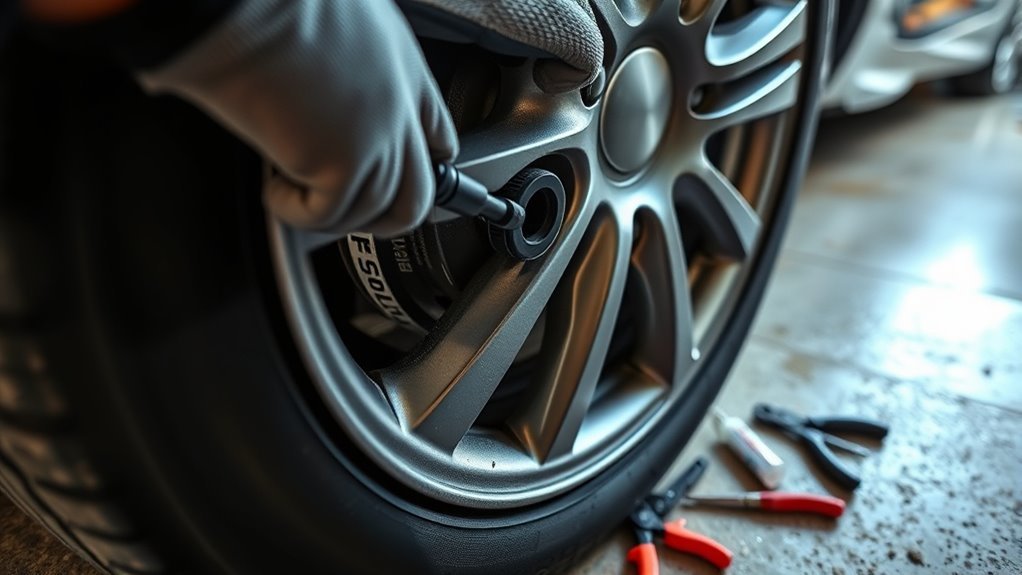
When working on a tubeless tire and you don’t want to pull it off the rim, you can install a new rubber valve stem from the outside. Specialty tools like a Quick Valve Change Tool or QuikStem let you seat and seal a replacement in minutes. But careful prep matters: inspect the rim for corrosion, confirm TPMS compatibility, and make sure the valve hole and surrounding bead area are clean and dry before you start.
Follow these steps: remove the core, inspect the hole, and choose a stem rated for valve compatibility with your wheel and sensor. Seat the stem with the tool, tighten per the tool’s instructions, and pressure-test.
| Step | Check |
|---|---|
| 1 | Rim clean/dry |
| 2 | TPMS & compatibility |
| 3 | Pressure test |
Understanding Valve Stem Types
Not all valve stems are the same, and knowing the type on your wheel helps you pick the right replacement and tool.
Rubber snap-in stems (TR413, TR414) are the most common on passenger vehicles. They press into the rim hole and seal with a rubber grommet. These are the easiest to replace without demounting.
Metal clamp-in stems use a hex nut to secure the stem to the rim. They’re more common on alloy wheels and TPMS-equipped vehicles. Replacing these in place is trickier and often requires tire removal.
TPMS sensor stems house a battery-powered tire pressure sensor. If your vehicle has TPMS (most cars sold after 2007 in the U.S., per the NHTSA TPMS mandate), check compatibility before attempting any in-place swap. Damaging the sensor during removal can trigger dashboard warnings and cost more than a shop visit.
[Products Worth Considering]
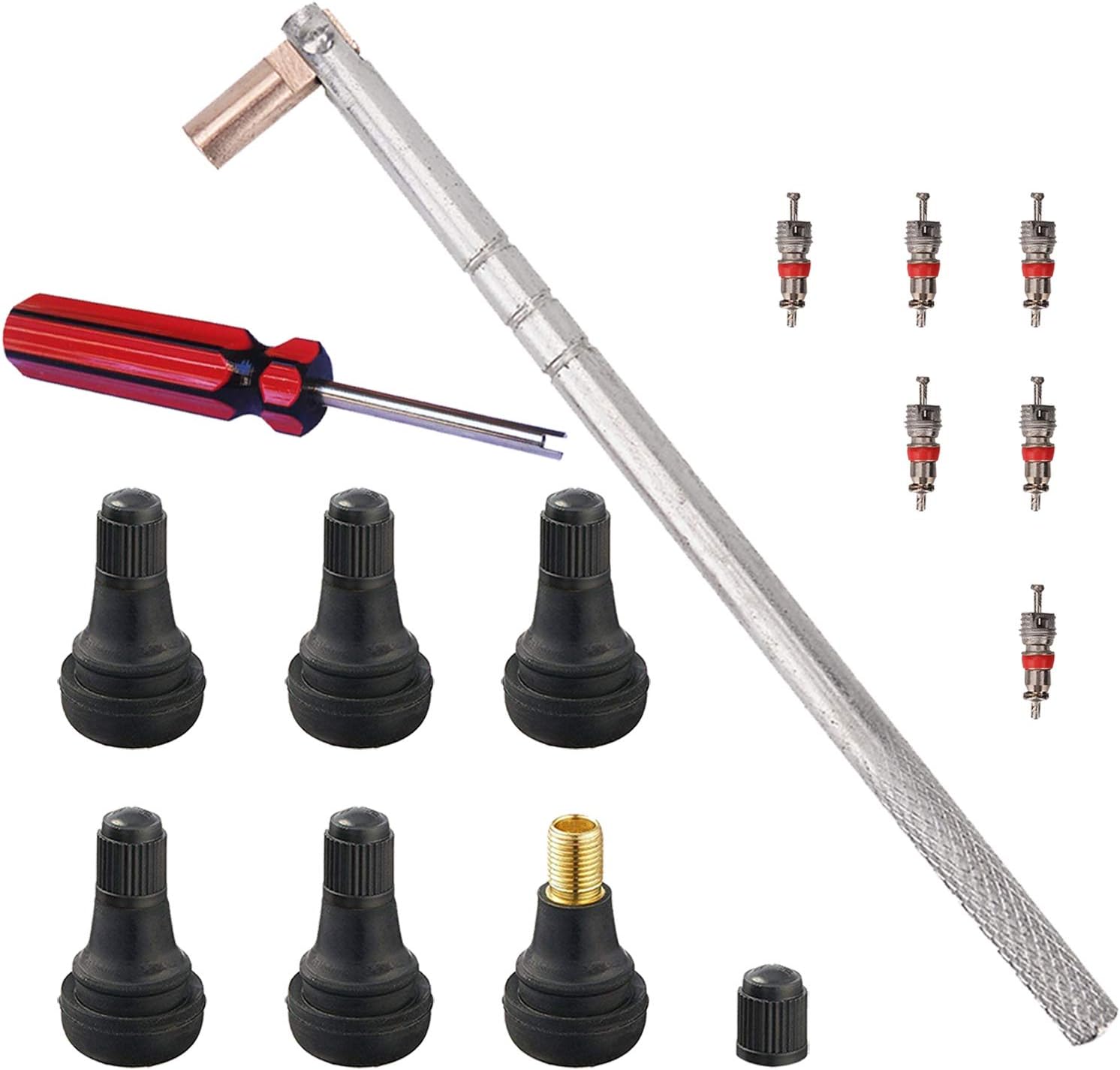
This FEBRYTOLD tire valve stem tool set makes it easy to remove and install standard 0.453 inch snap-in valve stems for tubeless tires. It includes valve stem cores and a single-head valve core remover/installer tool to help you complete repairs quickly. Designed to help avoid scratching wheels and damaging valve stems during service.

This multi-function tire valve stem removal tool set makes it fast to remove, install, bleed, and clean valve cores for easier tire maintenance. It includes valve core removers, a 4-way spool tool, replacement valve caps, and spare cores to handle replacements and repairs with confidence. Universal compatibility suits cars, trucks, motorcycles, bicycles, and more for roadside convenience.

This 3-piece wheel and tire brush set makes it easy to clean light, medium, and heavy dirt from wheels, rims, tires, and exterior surfaces. It includes both soft and stiff bristle options for gentle scrubbing and tough grime removal, helping lift brake dust and road buildup. The long-handle design supports comfortable cleaning across cars, trucks, SUVs, RVs, motorcycles, and more, with simple care instructions to restore brush shape.
Alternatives: QuikStem, Emergency Inserts, Glue-On Tube Valves
You’ve got three practical alternatives to replacing a factory valve stem.
QuikStem/Quick Valve Change systems handle rapid outside-the-tire swaps. Use QuikStem when you need a fast install, roughly 5 minutes, on fluid-filled rear tires. The Quick Valve Change Tool can also work but often requires significant force.
Emergency valve inserts serve as temporary field fixes. Assess their effectiveness as a short-term solution when the original stem is compromised or hard to reach.
Glue-on tube valves seal leaks on existing tubes that you can access, without full tire removal.
In every case, evaluate tire age, rubber condition, and rim corrosion. Installation challenges may rule out these alternatives.
[Products Worth Considering]

Replace worn wheelbarrow, mower, or hand truck inner tubes with the TICONN 4.80/4.00-8 tube designed for 8-inch rims. Built from 100% natural rubber, it helps improve durability, impact absorption, and air retention while supporting self-sealing leak protection. The TR-13 straight valve stem makes it a straightforward fit for common yard equipment wheels.

This 4-in-1 tire valve core removal tool helps you deflate, unblock, and remove or install valve cores quickly for easier tire repair. The multifunction design also supports re-taping damaged threads and reaming inside the valve stem for smoother service. Included as a 2-pack, it’s compact for convenient carry and works for cars, bicycles, and motorcycles.
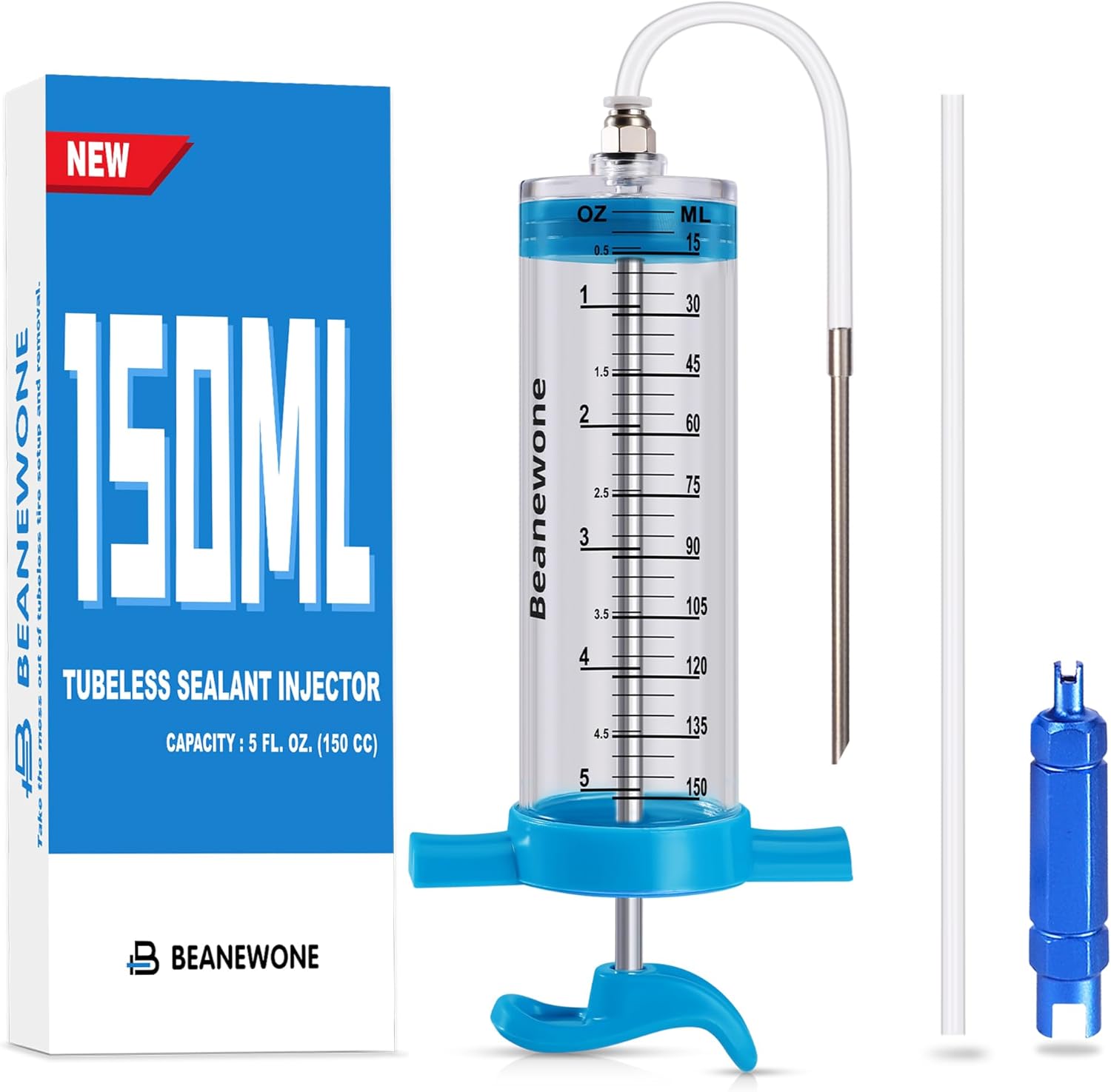
Make tubeless sealant installs faster and cleaner with this 150ml injector and clear measurement body. It connects and disconnects with a simple push-to-connector, then injects sealant directly into Schrader or Presta valve stems after removing the valve core. Includes a valve core remover tool to help you prepare and seal tires with less mess.
Troubleshooting, Leaks to Watch For, and When to Go Pro
Start by checking the valve threads and surrounding rim for corrosion or damage. Damaged threads can prevent a secure seal or proper installation without tire removal.
Next, inflate the tire to recommended pressure and apply soapy water around the valve stem, bead area, and any tube repairs to spot leaks. If bubbles form at the stem, try tightening or replacing with a QuikStem per product instructions. If bubbles persist at a tube patch, the tube may be failing.
Watch TPMS sensor contact points. Any distortion there can cause intermittent leaks and needs careful handling.
Troubleshooting tips: isolate the stem, retest after each adjustment, and note any persistent bubbles. Head to a pro when threads are ruined, TPMS is involved, or you need balancing and internal inspection.
Frequently Asked Questions
How to Replace Valve Stems on Tires at Home?
You can replace valve stems at home with basic valve tools. Deflate the tire, remove the core, use a QuikStem or glue-on for tubes, thread the new stem with a quick-change tool, then inflate and check for leaks. Follow each tire maintenance step carefully.
Can You Fix a Broken Valve Stem on a Car Tire?
Yes, you can often fix a broken valve stem by replacing it or swapping the Schrader core. Assess the tube and wheel condition, use proper tools or visit a professional, and follow standard tire maintenance steps for a safe, leak-free seal.
Conclusion
You can swap a valve stem in place for a quick fix, but you need the right tools, steady hands, and patience. Deflate the tire, pull and clean the old stem, drill or extract if it’s stuck, then seat a new rubber stem or use a QuikStem insert. Test for leaks, re-inflate, and re-check torque. If extraction fails, leaks persist, or the bead is damaged, stop and seek professional help. Don’t risk a roadside failure.