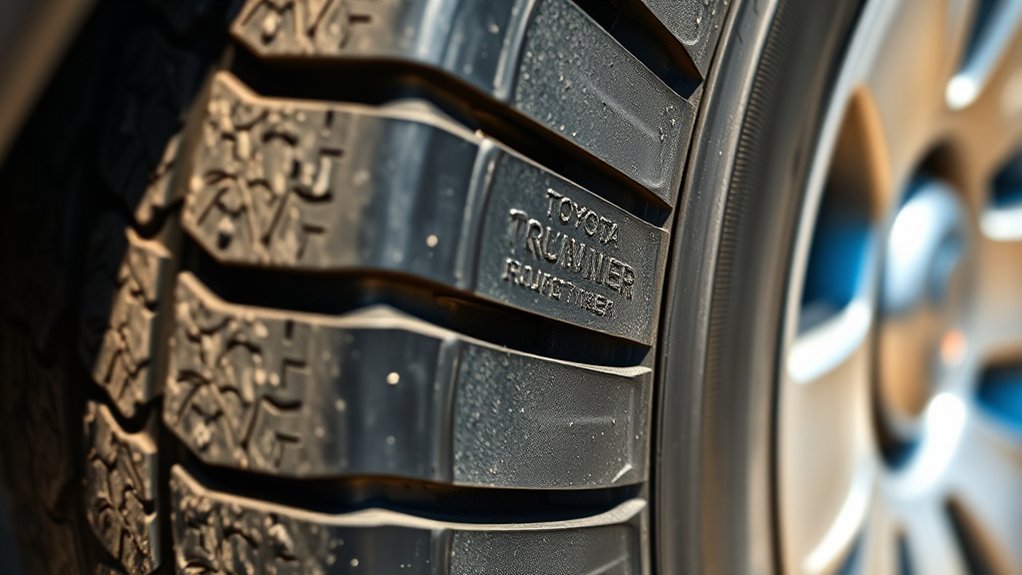
Your Toyota 4Runner tire size is easy to read once you know what each number means. The most important rule is simple: use the driver-side Tire and Loading Information Label or your Toyota owner’s manual as the final authority, then use the tire sidewall to confirm what is currently installed. A code such as P265/70R17 113S tells you the tire type, width, sidewall height, wheel diameter, load rating, and speed rating.
Quick Answer
To read your Toyota 4Runner tire size, check the driver’s door jamb label first. In a size like P265/70R17, “265” is tire width in millimeters, “70” is sidewall height as a percentage of width, “R” means radial construction, and “17” is the wheel diameter in inches.
Key Takeaways
- The door jamb Tire and Loading Information Label is the safest first place to confirm the correct 4Runner tire size and cold tire pressure.
- A tire sidewall can tell you what is currently installed, but it may not match the factory-recommended size if a previous owner changed tires.
- Do not ignore the numbers after the tire size, such as 113S; they identify load capacity and speed rating.
- Upsizing to 275, 285, or “33-inch” tires can improve clearance and stance, but it can also cause rubbing, speedometer error, heavier steering, and lower fuel economy.
At a Glance
| Time Required | 3–5 minutes |
| Difficulty | Easy |
| Tools Needed | Your 4Runner, the driver’s door jamb label, and a flashlight if the label is hard to read |
| Cost | Free |
Where to Find Your Tire Size Information
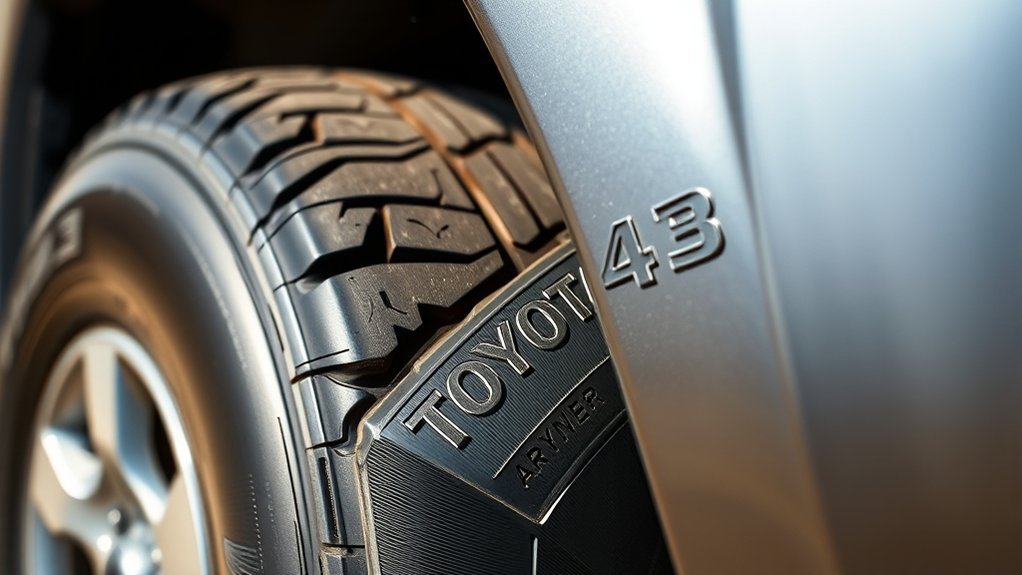
Start with the driver’s side door jamb. Look for the Tire and Loading Information Label, which lists the original tire size, recommended cold tire pressure, seating/cargo information, and sometimes spare-tire information. The National Highway Traffic Safety Administration also recommends using the door label or owner’s manual when choosing the correct replacement tire size.
Next, check your Toyota owner’s manual or Toyota’s official manuals page for your exact model year. This is especially important because 4Runner tire sizes vary by year, trim, wheel package, and generation.
You can also read the tire size on the sidewall of your current tires. This tells you what is installed right now, but it should not overrule the door placard. If a previous owner installed oversized tires, aftermarket wheels, or a different load rating, the sidewall may not match Toyota’s recommended specification.
Warning: Do not use the “MAX PRESS” number on the tire sidewall as your daily inflation pressure. Use the cold tire pressure listed by Toyota on the door jamb label or in the owner’s manual.
Breaking Down Tire Size Formats for Your 4Runner
A common Toyota 4Runner tire-size example is P265/70R17 113S. Your exact code may be different, but the reading method is the same.
| Code Part | Meaning | What It Tells You |
| P | Passenger tire | A no-prefix metric or LT tire may have different load rules, so match Toyota’s specification. |
| 265 | Section width | The tire is about 265 mm wide from sidewall to sidewall. |
| 70 | Aspect ratio | The sidewall height is 70% of the tire width. |
| R | Radial construction | The tire uses radial ply construction, the normal construction for modern passenger and light-truck tires. |
| 17 | Wheel diameter | The tire fits a 17-inch wheel. |
| 113S | Service description | The number is the load index; the letter is the speed rating. |
Bridgestone explains that tire-size numbers follow the same basic pattern across P-metric, Euro-metric, LT-metric, temporary spare, and special-trailer formats, but the prefix and service description still matter for correct fitment.
How Tire Width Affects Your 4Runner
The first main number in the tire size is the width in millimeters. In P265/70R17, the tire is 265 mm wide. In 275/70R17, it is 275 mm wide. In 285/70R17, it is 285 mm wide.
A wider tire can add footprint and sidewall presence, and it may help in some off-road conditions when paired with the right tread and pressure. However, wider is not automatically better. A wider tire may add weight, reduce fuel economy, create more road noise, rub on mud flaps or suspension parts, and make steering feel heavier.
Note: Tire width is only one part of traction. Tread design, rubber compound, tire pressure, wheel offset, vehicle weight, and terrain can matter just as much.
Why Aspect Ratio Matters for Performance
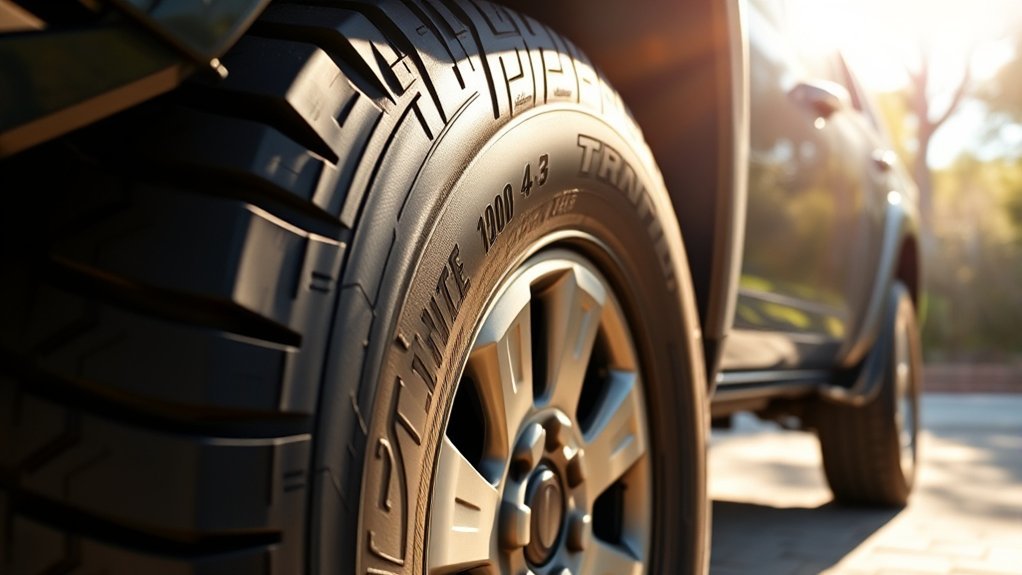
The aspect ratio is the sidewall height as a percentage of tire width. In 265/70R17, the sidewall height is 70% of 265 mm. That gives the tire a tall sidewall, which is useful for ride comfort, wheel protection, and off-road flex.
Lower aspect-ratio tires, such as some 20-inch wheel packages, usually have shorter sidewalls. They can feel sharper on pavement, but they offer less sidewall cushion on rough roads. Higher aspect-ratio tires usually ride softer and are often preferred for trail use, but a taller tire can affect clearance, gearing feel, and speedometer accuracy.
What’s the Difference Between Radial and Bias Ply Tires?
The letter R means the tire uses radial construction. Radial tires have ply cords arranged across the tire from bead to bead. This is the standard construction used on most modern passenger vehicles and light trucks.
You may see older or specialty tires marked with D, B, or a dash, which indicates diagonal or bias-ply construction. Bias-ply tires are uncommon for normal Toyota 4Runner road use. For daily driving, towing, and most trail builds, you should stay with the construction type, load rating, and speed rating recommended for your vehicle.
Ensuring Proper Rim Diameter for Fitment
The last number in the main tire size is the wheel diameter in inches. A 265/70R17 tire fits a 17-inch wheel. A 265/70R18 tire fits an 18-inch wheel. A 265/55R20 tire fits a 20-inch wheel.
This number must match your wheel diameter exactly. A 17-inch tire cannot be installed on an 18-inch wheel, and an 18-inch tire cannot be installed on a 17-inch wheel. Rim width also matters, so confirm that your chosen tire is approved for your wheel width before buying.
Pro Tip: If you are shopping for tires online, search by your full size and service description, not just “4Runner tires.” For example, search 265/70R17 113S if that is what your door placard requires.
[Products Worth Considering]
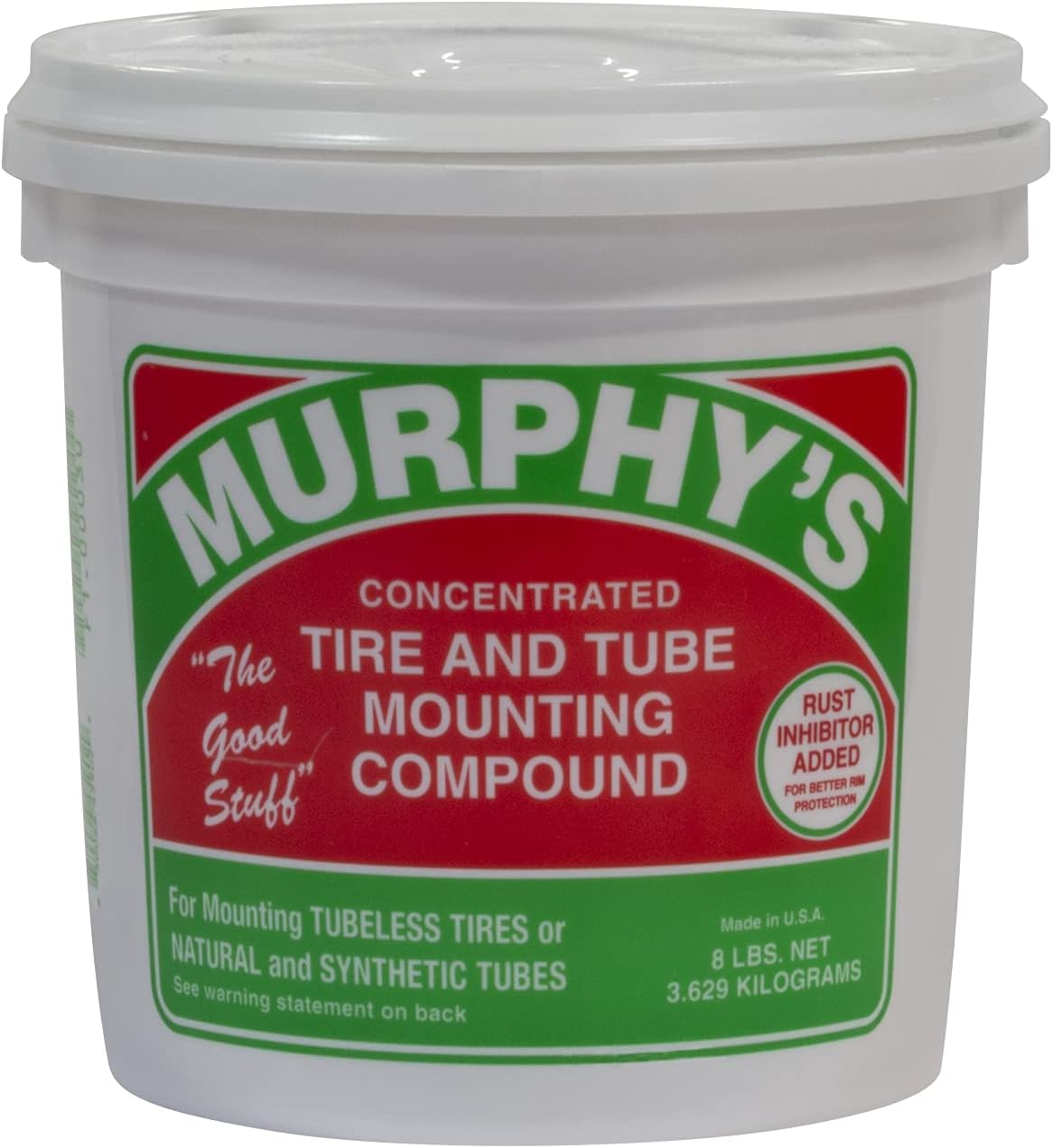
A concentrated tire and tube mounting compound designed to help simplify mounting rubber tires and tubes on passenger, semi truck, construction, and OTR applications. Its ultra-thick formula packs beads effectively and includes rust inhibitors to help protect against corrosion during use.

These aluminum alloy tire valve stem caps with an O-ring seal help protect valve stems from corrosion while adding a clean, stylish look to your vehicle. The universal fit works across cars, trucks, motorcycles, bicycles, and more, making them an easy upgrade for everyday driving and off-road use. Installation is quick, and the included four-pack keeps all your tires dressed and protected.

Keep your tires properly inflated with this analog VONDIOR tire pressure gauge, designed for fast, easy readings without batteries. The swiveling, two-axis hose and large glow dial help you measure at any tire angle with instant visibility. Built with a protective rubber shield, it supports durable, low-maintenance use for cars and trucks.
Understanding Tire Load Index and Its Weight Capacity
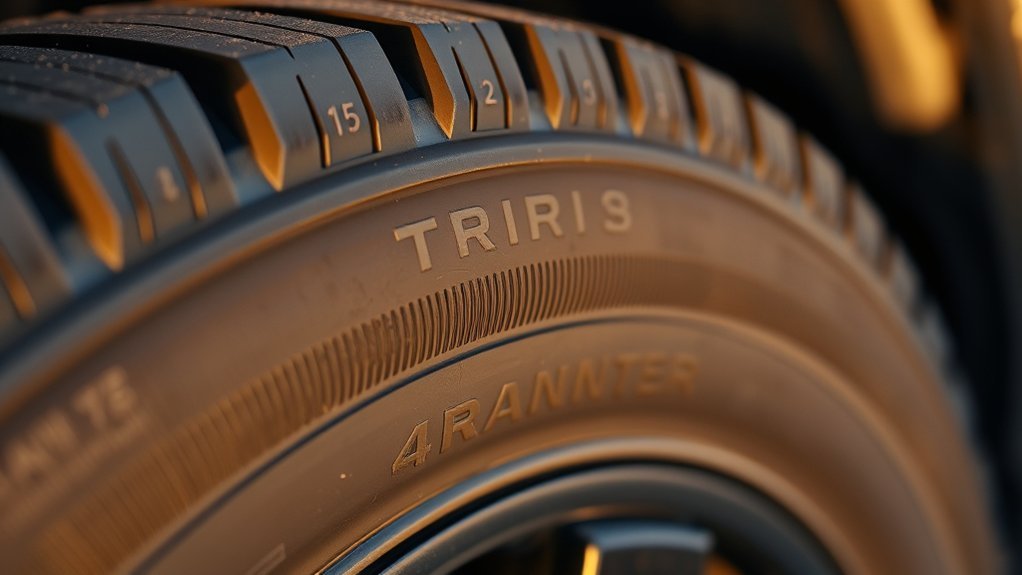
The load index is the number after the wheel diameter. In P265/70R17 113S, the load index is 113. It identifies the maximum load the tire can carry when properly inflated according to standardized load-index tables.
The speed rating is the letter after the load index. In 113S, the speed rating is S. According to Michelin, load and speed ratings are operating limits, and replacement tires should meet or exceed the ratings specified by the vehicle manufacturer.
Do not install a tire with a lower load index than Toyota specifies. A higher load index does not increase your 4Runner’s legal payload or gross vehicle weight rating; the vehicle is still limited by Toyota’s axle, suspension, brake, and chassis ratings.
[Products Worth Considering]

This ALL-TOP auto-stop tire deflator valve kit lets you air down off-road tires quickly without watching pressure, automatically stopping when your preset PSI is reached. Each valve is individually calibrated for reliable performance with an acceptable +/- 2 PSI tolerance. The adjustable deflator range covers 10 to 30 PSI and includes four valves plus valve caps and a zipper pouch for easy setup on trucks, SUVs, RVs, UTVs, and powersports.

The 22800 wheel stud installer makes replacing wheel studs quick and secure, saving time and effort during tire service. It uses a ratchet or impact wrench to pull new studs firmly into place, helping when existing studs are too long. Compatible with most automotive wheels and light-duty truck wheel studs, it’s designed for easy, tool-assisted installation.

Monitor tire tread wear with a smart, color-coded depth gauge that shows clear condition ranges at a glance. The bar is range marked for fast, easy readings, helping you maintain safer traction and performance. Each gauge is portable with a pocket clip, and the set includes 20 units for daily use and sharing.
How to Read Tire Age and Tread Condition
Tire size is not the only marking that matters. Look for the DOT Tire Identification Number on the sidewall. The last four digits show the week and year the tire was made. For example, 2324 means the tire was made in the 23rd week of 2024.
Also inspect tread depth and sidewall condition. The NHTSA TireWise guide says tires are not safe when the tread is worn to 2/32 inch. Replace tires sooner if you see cracks, bulges, exposed cords, repeated pressure loss, uneven wear, or vibration.
How to Calculate Tire Diameter for Perfect Fitment
Calculating tire diameter helps you compare factory tires with upgrades. The formula is:
Overall diameter = wheel diameter + 2 × [(tire width × aspect ratio) ÷ 25.4]
Essential Calculation Steps
- Convert the aspect ratio into a decimal. For 70, use 0.70.
- Multiply tire width by the aspect ratio to get sidewall height in millimeters.
- Divide by 25.4 to convert millimeters to inches.
- Double the sidewall height and add the wheel diameter.
Understanding Aspect Ratio
For a 265/70R17, the sidewall height is 265 × 0.70 = 185.5 mm. Divide that by 25.4 and you get about 7.3 inches. Add two sidewalls plus the 17-inch wheel, and the overall diameter is about 31.6 inches.
Converting Measurements Accurately
| Tire Size | Approx. Diameter | Common Use |
| 265/70R17 | 31.6 in. | Common 17-inch 4Runner example |
| 275/70R17 | 32.2 in. | Mild height and width increase |
| 285/70R17 | 32.7 in. | Often marketed near the “33-inch” category |
Actual tire diameter can vary slightly by brand, tread depth, load range, and inflation pressure, so use manufacturer specs before buying.
Common Tire Size Upgrades for Your 4Runner
Many 4Runner owners look at sizes such as 275/70R17, 285/70R17, or newer 18-inch sizes depending on the model year and wheel package. These upgrades can add ground clearance and a more aggressive stance, but they are not one-size-fits-all.
Before upsizing, check:
- Model year and trim
- Factory wheel diameter and wheel width
- Wheel offset and backspacing
- Suspension height and alignment
- Front mud flap, fender liner, body mount, and upper control arm clearance
- Spare tire fitment under the body
- Load index and speed rating
- Speedometer and odometer change
Toyota’s official 2024 4Runner brochure shows trim-level tire and wheel differences, including TRD Pro all-terrain tire equipment and full-size spare availability, while Toyota’s 2025 materials confirm the 4Runner moved into a new sixth-generation platform. That means the safest answer is always year-and-trim specific.
Warning: Larger tires can rub even if they “fit” while parked. Test clearance at full steering lock, while reversing, and under suspension compression before assuming an upgrade is safe.
[Products Worth Considering]

Upgrade your 2024-2026 Tesla Model 3 Highland with REEVAA all-weather mud flaps designed for seamless fit along the original body lines. The set of four delivers strong splash protection against mud, gravel, and road debris while using OEM-grade durable materials. Installation is non-destructive with original hole positions and snap-in clips, and the aerodynamic design helps minimize impact on efficiency.
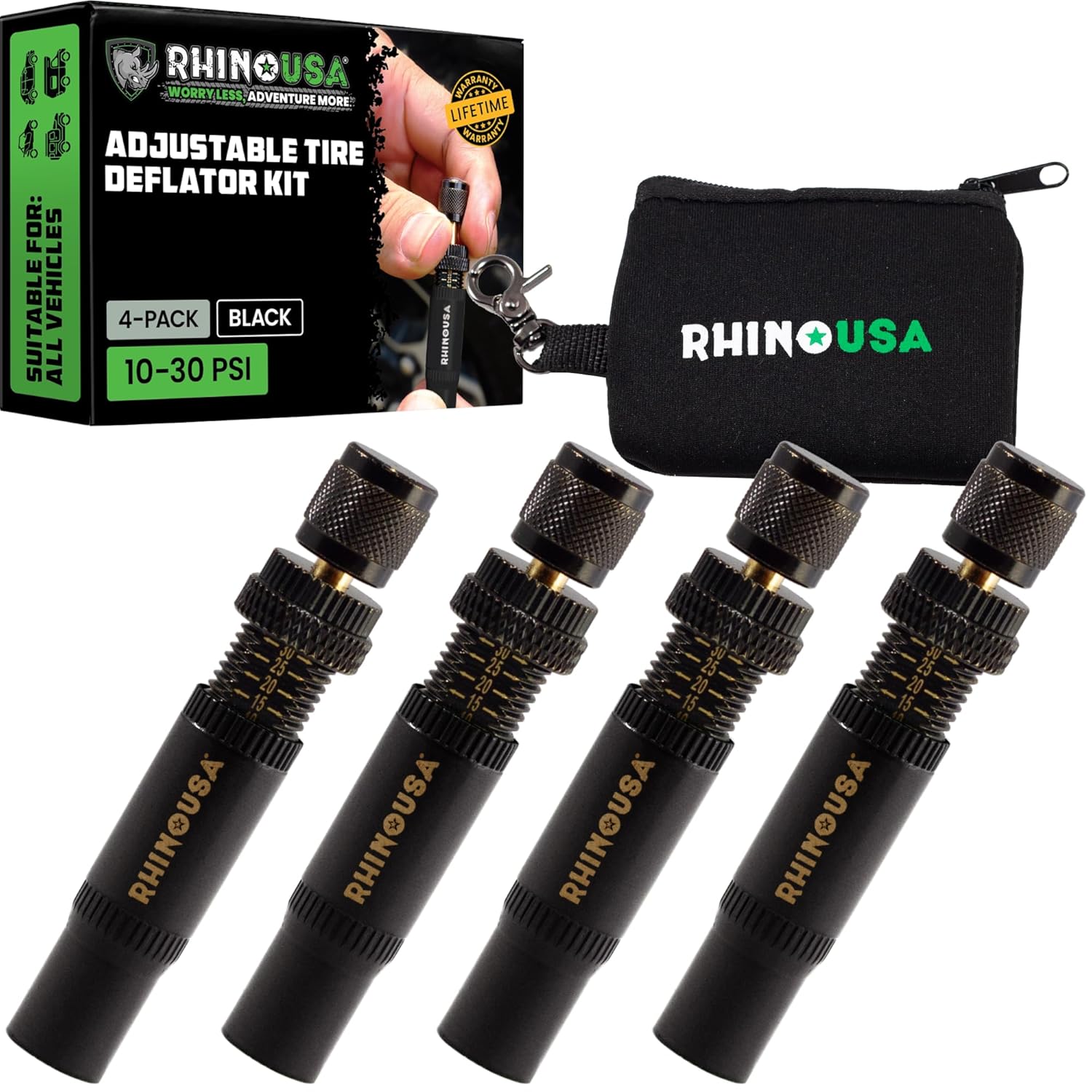
Use the Rhino USA adjustable tire deflators to air down all four tires at once by screwing one deflator onto each valve stem, letting you step away while the tires reach your preset pressure. Each deflator independently adjusts across a 10–30 PSI range with laser-etched indicators for quick setup and verification, making it ideal for beach, sand, and rocky off-road trails.

These pre-assembled 15x6.00-6 front tire and wheel assemblies are designed for quick replacement on riding lawn mowers and lawn tractors. Built with natural rubber pneumatic tires and turf-friendly tread for solid traction and improved shock absorption. A thickened welded rim and 3/4" sintered iron bushing help provide stable, heavy-duty support for everyday mowing use.
Tips for Maintaining Tire Performance and Safety
Once you know your tire size, keep the tires maintained so they perform as intended.
- Check pressure monthly: Use the cold pressure on the door jamb label. Check the spare, too.
- Inspect tread and sidewalls: Replace tires at unsafe tread depth or when you see cracks, bulges, exposed cords, or unusual wear.
- Rotate as recommended: Follow your Toyota owner’s manual. NHTSA notes that if rotation is recommended, many vehicles use a 5,000–8,000 mile range.
- Balance and align: Balance new tires and check alignment if the 4Runner pulls, vibrates, or wears tires unevenly.
- Match tires correctly: For 4WD use, avoid mixing sizes, construction types, or significantly different tread depths unless Toyota or a tire professional confirms it is acceptable.
Frequently Asked Questions
Is 265 or 275 better for a 4Runner?
A 265 tire is usually closer to many factory 17-inch 4Runner setups, while a 275 tire adds a small amount of width and height. The 275 may improve stance and clearance slightly, but it can also add weight or create minor rubbing depending on the tire model, wheel offset, trim, and alignment. For daily driving with fewer fitment concerns, 265 is often the simpler choice.
What does 205/65R16 95H mean?
It means the tire is 205 mm wide, the sidewall height is 65% of the tire width, the tire uses radial construction, and it fits a 16-inch wheel. The 95 is the load index, and H is the speed rating. That exact size is not a typical Toyota 4Runner size, but the code is read the same way.
Can I use the tire size printed on my current tire?
Use it to identify what is installed now, but do not treat it as the final factory recommendation. If a previous owner changed the tires or wheels, the sidewall may not match the Toyota placard. Check the door jamb label and owner’s manual before buying replacements.
Will 285/70R17 tires fit a 4Runner?
They may fit some 4Runners with the right wheel offset, alignment, trimming, or suspension setup, but they are not a guaranteed no-rub fit. A 285/70R17 is about 32.7 inches tall, so check fender liner, mud flap, body mount, upper control arm, and spare-tire clearance before committing.
Does a bigger tire affect the speedometer?
Yes. A taller tire travels farther per rotation, so your actual road speed may be slightly higher than the speedometer shows. The bigger the diameter change, the more speedometer and odometer error you can introduce.
Conclusion
Reading your Toyota 4Runner tire size comes down to five main parts: width, aspect ratio, construction, wheel diameter, and service description. The sidewall tells you what is mounted now, but the door jamb label and Toyota owner’s manual tell you what the vehicle was built to use. Match the size, load index, speed rating, and cold pressure first; then think about upgrades only after checking real-world clearance and safety.
Sources
- NHTSA TireWise — tire size, pressure, tread depth, rotation, DOT date code, and safety guidance
- Bridgestone: How to Read & Determine Tire Size — width, aspect ratio, construction, rim diameter, and load-index explanation
- Michelin: Tire Markings Explained — tire sidewall markings, pressure markings, DOT code, and treadwear indicators
- Michelin: Tire Load Rating & Speed Rating Explained — service description, load rating, and speed rating safety
- Toyota 2024 4Runner eBrochure — official trim, tire-equipment, spare-tire, and specification context
- Toyota USA Newsroom: 2025 Toyota 4Runner — sixth-generation 4Runner freshness and model-year context