How to Prevent Tire Blowouts on a RAV4: Safety Checks
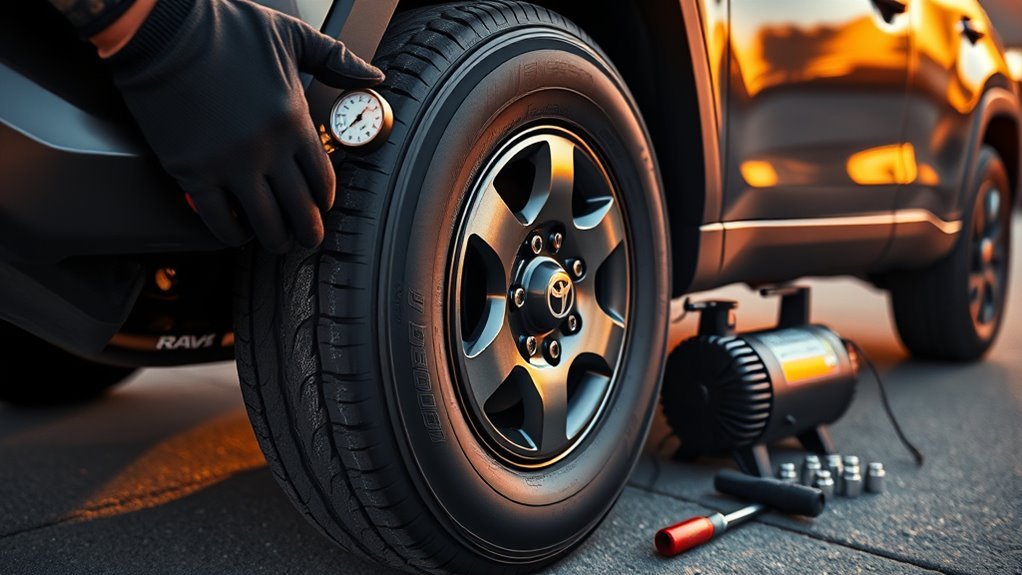
To prevent tire blowouts on your RAV4, regularly check tire condition and pressure. Maintain a pressure of 32-36 PSI, and inspect tread depth and visible damage monthly. Look for signs like cracks or bulges, and replace tires with less than 2/32 of an inch of tread. Guarantee weight is evenly distributed and be cautious of road hazards. If you encounter a blowout, stay calm, control the vehicle, and guide it safely off the road to guarantee your safety. Discover more essential safety tips to keep your RAV4 running smoothly.
Why You Should Care About Your Tire Condition
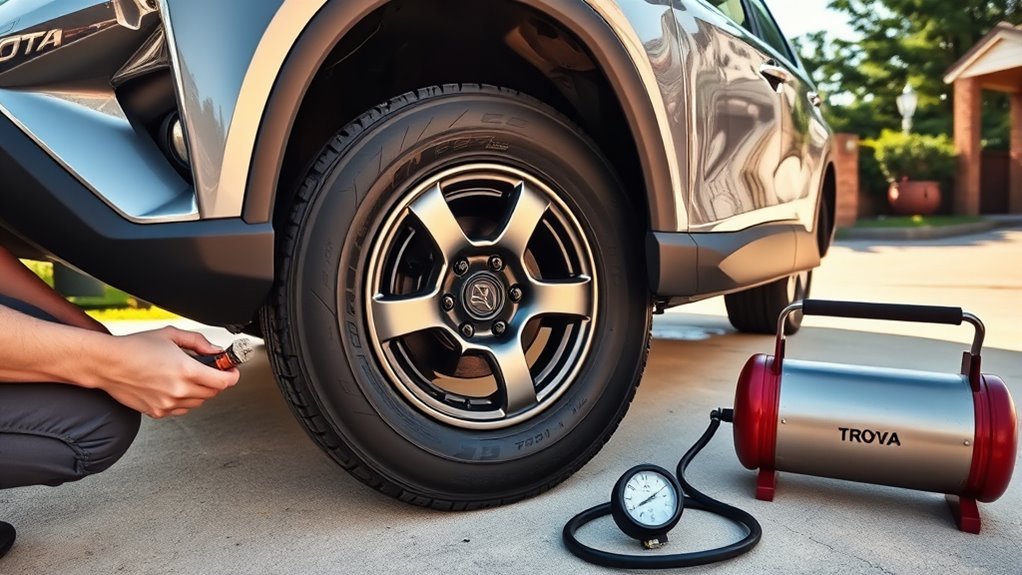
When you neglect your tire condition, you increase the risk of accidents and costly repairs. Regular inspections are essential for ensuring ideal grip and preventing blowouts. Check for tread depth and visible damage; these indicators reveal whether your tires are safe for the road. Poor road conditions can accelerate deterioration, so replace any tires showing significant wear.
Maintaining proper air pressure is vital for tire safety; under-inflated tires can overflex, leading to dangerous blowouts from excessive heat. Your driving habits also play a significant role in driving efficiency—avoid sudden maneuvers and distribute weight evenly to reduce tire stress.
Investing in professional tire maintenance, including routine inspections and rotations, can identify issues early and enhance your overall tire safety. By prioritizing tire condition, you empower yourself to drive confidently and freely, minimizing risks on the road.
Tire Maintenance: How to Keep Proper Pressure
To keep your RAV4 safe, regularly check your tire pressure at least once a month or weekly before long trips. Use a reliable tire gauge for accurate readings, and adjust the pressure based on seasonal temperature changes. Maintaining the correct PSI not only guarantees peak performance but also greatly reduces the risk of tire blowouts.
Regular Pressure Checks
Regular pressure checks are essential for maintaining ideal tire performance, especially for your RAV4. You should check your tire pressure at least once a month, ensuring it stays within the recommended range of 32-36 PSI. In hot weather, monitor it more frequently, as tire pressure can drop gradually, increasing the risk of blowouts. Use a reliable tire gauge for accurate readings; air pumps can stress valve stems and give incorrect measurements. Always perform these safety checks before long trips to prevent issues from low air levels. Maintaining proper tire pressure not only prevents blowouts but also enhances your vehicle’s overall safety and performance, ensuring a smoother and more secure driving experience.
Adjust for Seasonal Changes
As temperatures fluctuate with the seasons, adjusting your tire pressure becomes crucial for maintaining safety and performance in your RAV4. Regularly check your tire pressure at least once a month, aiming for the recommended range of 32-36 PSI. During colder months, temperature effects can cause your tires to lose air more rapidly, dropping pressure below safe levels. Conversely, in hot weather, increased temperatures can lead to tire expansion and a higher risk of blowouts, so increase your checks. Use a reliable tire gauge for accurate readings, and remember that tires gradually lose air. If you’re towing, inflate trailer tires to 10 PSI higher than your vehicle’s tires for peak handling and safety. Seasonal adjustments are essential for your RAV4’s performance.
Signs It’s Time to Replace Your Tires
Knowing when to replace your tires is essential for your safety. Regularly inspect tread depth, visible damage, and tire age to guarantee peak performance. If you notice any concerning signs, it’s time to take action before a blowout occurs.
Tread Depth Inspection
Tire tread depth plays a crucial role in guaranteeing your RAV4 maintains maximum traction and handling. Regularly checking your tread depth is essential for tire longevity. A depth of 2/32 of an inch or less signals it’s time for replacement. You can use the “penny test” to gauge wear: insert a penny into the tread with Lincoln’s head down. If you see all of Lincoln’s head, your tires are too worn.
| Tread Depth (inches) | Action Needed | Urgency |
|---|---|---|
| 4/32 or deeper | Safe for driving | Low |
| 3/32 | Monitor closely | Medium |
| 2/32 or less | Replace immediately | High |
Regular inspections help guarantee safety and performance on the road.
Visible Damage Signs
Visible damage on your RAV4’s tires can compromise safety and performance, making regular inspections essential. Start by checking the tire sidewalls for cracks, splits, or bulges; these defects can weaken tire integrity and lead to blowouts. Next, examine tread patterns for uneven wear, which may indicate issues with alignment or inflation. Don’t forget to use the penny test: if Lincoln’s head is visible, it’s time to replace your tires to maintain adequate grip. Additionally, watch for foreign objects like nails or screws embedded in the tires; these can cause slow leaks or sudden failures. Remember, tires worn down to 2/32 of an inch or less pose a significant risk and should be replaced immediately.
Age of Tires
Even if your RAV4’s tires seem fine on the surface, their age can greatly impact safety and performance. Tires generally have a lifespan of about six years, regardless of tread wear, due to rubber deterioration from environmental factors. Regularly inspect for cracks, splits, or bulges in the sidewalls, as these signs can indicate compromised structural integrity. Monitor tread depth; replace tires when it dips below 2/32 of an inch to guarantee adequate grip. Uneven wear patterns suggest alignment issues or improper inflation, which may necessitate replacement. Importantly, any tires older than ten years should be replaced, even if they appear visually sound, as aging notably heightens the risk of blowouts. Prioritize your safety by staying vigilant about tire age.
Weight Management Tips for Your RAV4
Managing weight effectively in your RAV4 is essential for ensuring both safety and performance. To prevent tire blowouts, focus on proper weight distribution and cargo management. Always adhere to your vehicle’s Gross Vehicle Weight Rating (GVWR) found in the owner’s manual. Distributing weight evenly helps avoid uneven tire wear, which can compromise tire integrity. Regularly check the total weight, including passengers and cargo, to stay within manufacturer limits.
Here’s a quick reference table for effective weight management:
| Tip | Action Needed |
|---|---|
| Adhere to GVWR | Check owner’s manual for limits |
| Distribute Weight Evenly | Organize cargo to balance load |
| Remove Unnecessary Items | Lighten the load regularly |
| Monitor Tire Pressure | Adjust for heavy loads |
Recognizing and Avoiding Road Hazards
As you navigate the roads in your RAV4, staying aware of potential hazards is crucial for avoiding tire blowouts. Potholes can be lurking around every corner, and hitting one can damage both your tires and suspension, increasing blowout risks. Always be cautious near curbs; curb impacts can compromise tire integrity and lead to sudden failures.
Additionally, keep an eye out for road debris like nails and sharp objects, which can puncture your tires. Slow down in construction zones or on poorly maintained roads to minimize stress on your tires and maintain control of your vehicle.
Before long trips, regularly inspect your tires for signs of wear or damage to guarantee they can withstand potential hazards. By being vigilant and proactive, you can greatly reduce the chances of encountering a tire blowout while enjoying the freedom your RAV4 offers.
What to Do in Case of a Tire Blowout?
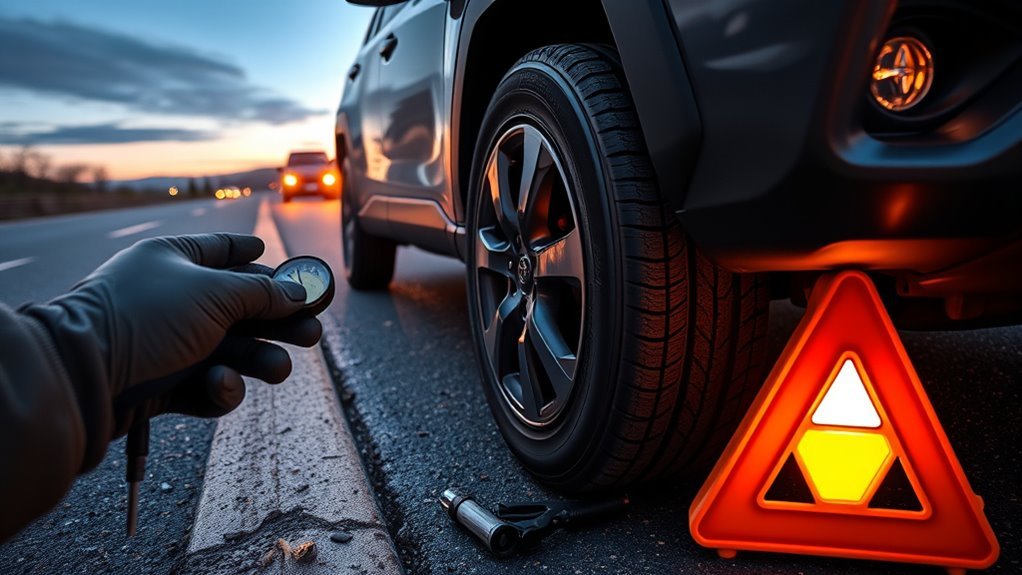
When a tire blowout occurs, it’s essential to remain calm and act promptly to secure your safety. First, steer your vehicle to the side of the road without sudden braking; maintaining control is key. Once you’re in a safe location, activate your hazard lights to alert other drivers and enhance your visibility. Stay inside your vehicle with your seatbelt fastened, especially on busy roads, to avoid potential accidents.
Avoid sharp turns or sudden maneuvers after a blowout; instead, gradually decelerate and guide your vehicle off the road. This approach enhances your blowout preparedness and guarantees a safer emergency response. Once you’re safely parked, call for assistance from a roadside service or a professional. Attempting to change a tire on the road can be dangerous, so wait for help to arrive. By following these steps, you can effectively manage a blowout situation while prioritizing your safety.
Frequently Asked Questions
Is Damage From a Tire Blowout Covered by Insurance?
Yes, damage from a tire blowout is typically covered by insurance claims, depending on your policy. Regular tire maintenance documentation can support your claim and clarify coverage details related to wear-and-tear exclusions.
Conclusion
Your tires are the foundation of your RAV4, much like roots anchor a tree. By regularly checking tire pressure, recognizing wear signs, and managing weight, you can guarantee a smoother, safer ride. Avoiding road hazards is vital, as they can sever the connection between you and the road. If a blowout does occur, stay calm and maneuver carefully. Prioritizing tire maintenance not only protects your vehicle but also keeps you and your passengers grounded on your journeys.

Related Articles
Upsizing Wheels on a Toyota RAV4: Pros, Cons, and Considerations
Boost your Toyota RAV4's performance with larger wheels, but discover the hidden trade-offs that could impact your ride before you decide.
Read More
Can I Change Tire Size on My Toyota RAV4? Rules and Recommendations
Are you considering changing the tire size on your Toyota RAV4? Discover the essential rules and recommendations before making a decision.
Read More
What to Do If the TPMS Light Comes On in Your RAV4
Understand the steps to take when the TPMS light illuminates in your RAV4, as overlooking it could lead to serious tire problems.
Read More