
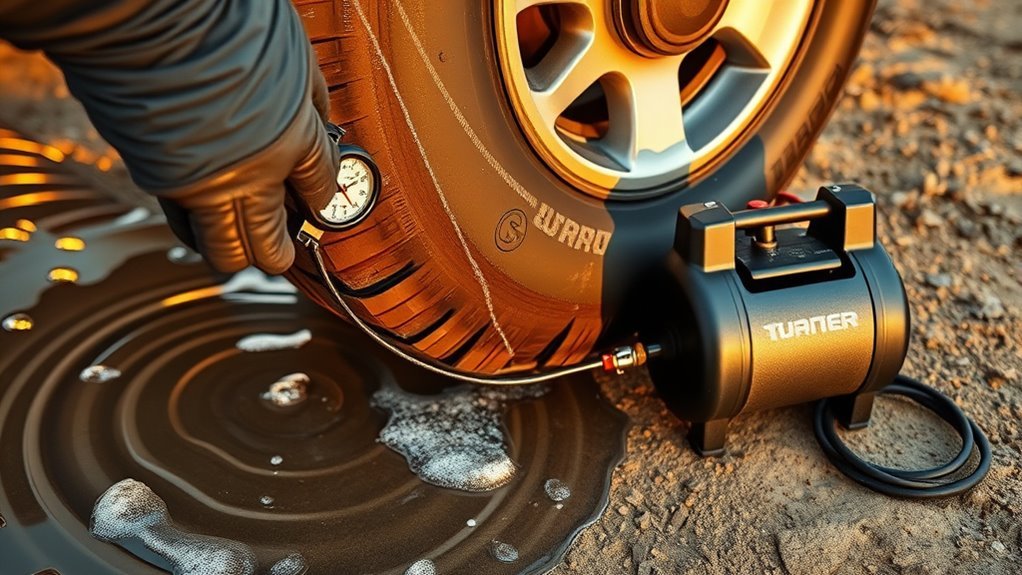
A slow tire leak on a Toyota 4Runner usually comes from a nail or screw in the tread, a leaking valve core, a cracked valve stem, a dirty bead seal, or corrosion on the wheel where the tire seals to the rim. Start with a cold pressure check, then use soapy water to pinpoint the leak before deciding whether the tire needs a valve service, bead reseal, professional plug-patch repair, or replacement.
Quick Answer
To fix a 4Runner slow tire leak, check cold PSI against the driver-door placard, spray soapy water on the valve stem, tread, sidewall, and bead area, then watch for bubbles. Replace leaking valve parts, reseal a dirty or corroded bead, and use a professional internal plug-patch only for repairable tread punctures.
Key Takeaways
- A tire that loses about 1 PSI per month may be normal; faster loss usually means a valve, puncture, bead, or wheel issue.
- Use the 4Runner’s driver-door tire placard or owner’s manual for cold PSI, not the maximum PSI molded into the tire sidewall.
- Bubbles at the valve point to a valve-core or valve-stem leak; bubbles at the rim point to a bead-seat leak or wheel corrosion.
- A safe permanent puncture repair is an internal plug-patch/combination repair for a tread puncture up to 1/4 inch; sidewall and shoulder damage require replacement.
At a Glance
| Time Required | 20–45 minutes to diagnose; 30–90 minutes at a tire shop for a repair or bead reseal |
| Difficulty | Easy for leak detection; moderate to professional for demounting, bead cleaning, and permanent puncture repair |
| Tools Needed | Accurate tire-pressure gauge, spray bottle, dish soap, water, chalk or tape, valve-core tool, air compressor, flashlight, and jack stands if the wheel is removed |
| Cost | Usually $0–$15 for DIY diagnosis; about $20–$50+ for many professional puncture repairs; more for TPMS service, bead corrosion repair, or tire replacement |
Warning: Do not drive far on a tire that is visibly low, losing pressure quickly, bulging, cracked, or damaged on the sidewall. Do not crawl under a 4Runner supported only by a jack. Use jack stands on a solid surface, never exceed the tire’s sidewall maximum pressure during testing, and treat plug-only repairs as emergency get-home fixes—not permanent repairs.
Confirm the Slow Leak Before Repairing Anything
Before you remove a wheel or buy repair parts, prove that the tire is losing air faster than normal. NHTSA notes that tires lose about 1 PSI per month, so a small monthly drop is not always a puncture. A tire that drops several PSI in a few days, triggers the TPMS light repeatedly, or sits lower than the other three tires needs leak testing.
- Park the 4Runner for at least three hours so the tires are cold.
- Check all four tires and the spare with a reliable gauge.
- Compare the reading with the PSI on the driver-door Tire and Loading Information Label or the Toyota owner’s manual resources.
- Write the PSI on tape or in your phone, then recheck the next morning.
Note: The TPMS light is useful, but it is not a leak detector. NHTSA recommends monthly tire-pressure checks because TPMS warnings usually appear only after a tire is significantly underinflated.
Check Valve Stems and Bead Seals First
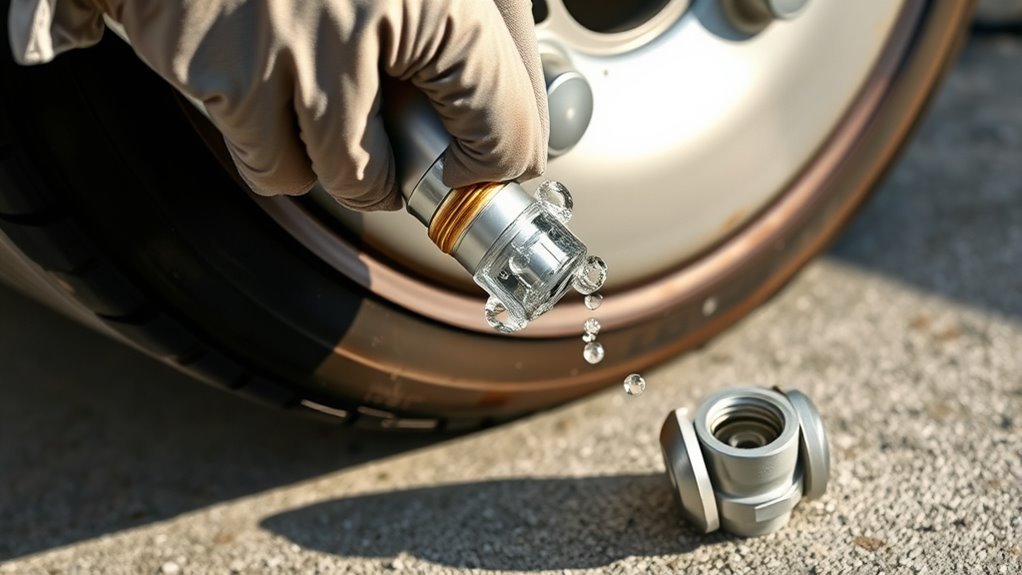
Valve stems and bead seals are common slow-leak points on a 4Runner because they are exposed to dirt, trail debris, road salt, pressure changes, and wheel impacts. Begin with the valve because it is quick to test and often easy to fix.
Inspect the Valve Stem and Core
Look closely at the rubber valve stem. Check for cracks, dry rot, looseness, corrosion around a metal TPMS stem, or missing valve caps. Then remove the valve cap and spray soapy water on the valve opening and around the stem base. Bubbles from the center usually mean the valve core is loose or damaged. Bubbles around the base usually mean the valve stem or TPMS seal is leaking.
If the valve core is loose, a valve-core tool can snug it gently. Do not overtighten it. If the stem is cracked, bent, or leaking at the base, replace the valve stem or service the TPMS seal. That repair usually requires breaking the bead or removing the tire from the wheel.
Inspect the Bead Area
The bead is where the tire seals against the rim. A bead leak often shows up as small bubbles along the rim edge, especially after off-road driving, curb contact, pothole impact, or winter road-salt exposure. Dirt, corrosion, old rubber, and wheel damage can all stop the bead from sealing evenly.
Move slowly around both sides of the tire if possible. Mark every bubble location with chalk or tape so the tire shop can find the exact leak point later.
Pro Tip: If your 4Runner has been aired down for trails, clean the bead area before reinflating. Sand, clay, and small stones can work between the tire and wheel and create a slow bead leak.
Find Hidden Leaks With the Soapy Water Test
A soapy-water test is the simplest way to find a slow tire leak at home. Mix water with enough dish soap to make a slippery, foamy solution. Inflate the tire to the recommended cold PSI shown on the 4Runner’s door placard. If the leak is very slow, you may add a few PSI for testing, but stay below the tire’s sidewall maximum pressure and return the tire to the correct cold PSI afterward.
- Spray the valve first. Coat the valve core, valve stem, and stem base. Watch for bubbles that continue to grow.
- Spray the tread. Roll the 4Runner forward a few feet or remove the wheel so you can inspect the entire tread face.
- Check every nail and stone. A small screw head may sit flush with the tread and leak only when the tire flexes.
- Spray the sidewalls. Bubbles from a sidewall cut, crack, or bulge mean the tire should be replaced, not patched.
- Spray both bead areas. Bubbles between the tire and wheel point to bead contamination, corrosion, or rim damage.
Keep the tire still for a few seconds after spraying each area. Tiny leaks may take time to foam. If you cannot find the leak on the vehicle, remove the wheel and test it flat on the ground. A tire shop can also use a dunk tank or pressure-decay test for leaks too small to find quickly at home.
[Products Worth Considering]

ZEHXI’s 60 pack screw-in tire plug kit uses high-grade rubber plugs with sealing threads to help repair minor punctures quickly without removing the tire. The set includes two plug sizes, so you can match different puncture openings and keep repairs organized in a transparent case. A handy screwdriver is included for fast installation, helping drivers get more mileage from existing tires while being ready for flat-tire emergencies.

TireJect Off-Road Tire Sealant Kit provides 5-in-1 sealing to help fix tread punctures up to 3/8", sidewall punctures up to 3/8", bead leaks, slow leaks, and minor dry rot on low-speed tires. It permanently seals with liquid rubber, recycled tire particles, and Aramid fibers, making it ideal for flats caused by thorns, nails, and screws. The included dispensing cap attaches to the valve stem for a no-mess installation, along with a metal valve core remover tool and valve stem cap. This kit is for off-road use only.

Upgrade your Toyota tire setup with these corrosion-resistant, leak-proof valve stem caps designed to help protect the valve core from water, snow, and road grime. The caps feature a snug rubber seal and durable copper alloy construction to resist rust and oxidation while maintaining stable tire pressure. Ideal for replacing worn original caps and keeping your wheels looking clean and stylish.
Fix 4Runner Rim Corrosion That Causes Slow Leaks
If the soapy-water test shows bubbles around the bead but no puncture in the tread or sidewall, the wheel may need bead-seat cleaning. Aluminum alloy wheels can oxidize, and steel wheels can rust. Either problem can create a rough sealing surface that lets air escape slowly.
A bead leak is not fixed by simply adding air. The tire usually has to be demounted, the bead seat cleaned, and the tire resealed so the rubber can sit against a smooth wheel surface.
A tire shop will normally follow this process:
- Demount the tire from the wheel and inspect the inside of the tire, bead, TPMS sensor, and rim.
- Remove old rubber residue, dirt, oxidation, and corrosion from the bead seat with the correct brush or abrasive pad.
- Clean the bead area so no loose debris remains.
- Inspect for cracks, bends, deep pitting, or gouges that could keep the tire from sealing.
- Apply bead sealer when appropriate, then remount, inflate, balance, and leak-test the assembly.
You can clean visible dirt from the outside of the rim, but do not grind aggressively on an aluminum wheel at home. If the wheel is bent, cracked, deeply pitted, or repeatedly leaks after a bead reseal, have it professionally reconditioned or replace the wheel.
[Products Worth Considering]

This Dr.Roc tire valve stem puller tools set helps install or remove snap-in tubeless valve stems safely and efficiently. It includes ozone-resistant EPDM snap-in valve stems, a valve stem installer, and a valve core remover for quick core removal or installation during tire service. Designed for reliable tubeless tire repair on motorcycles, ATVs, lawn equipment, cars, and trucks.

Monitor tire tread wear with a smart, color-coded depth gauge that shows clear condition ranges at a glance. The bar is range marked for fast, easy readings, helping you maintain safer traction and performance. Each gauge is portable with a pocket clip, and the set includes 20 units for daily use and sharing.

KEVWR self-service tire repair nails are made to firmly fix punctures with strong bite and reliable sealing, helping prevent water from entering the wound. The spiral rubber screws are easy to insert without removing the tire, providing a simple DIY repair for many vehicle and tire types. Suitable for cars, motorcycles, trucks, bikes, buses, and agricultural tires with two size options for different puncture nails.
Patch, Plug, or Replace: Repair Your 4Runner’s Slow Leak
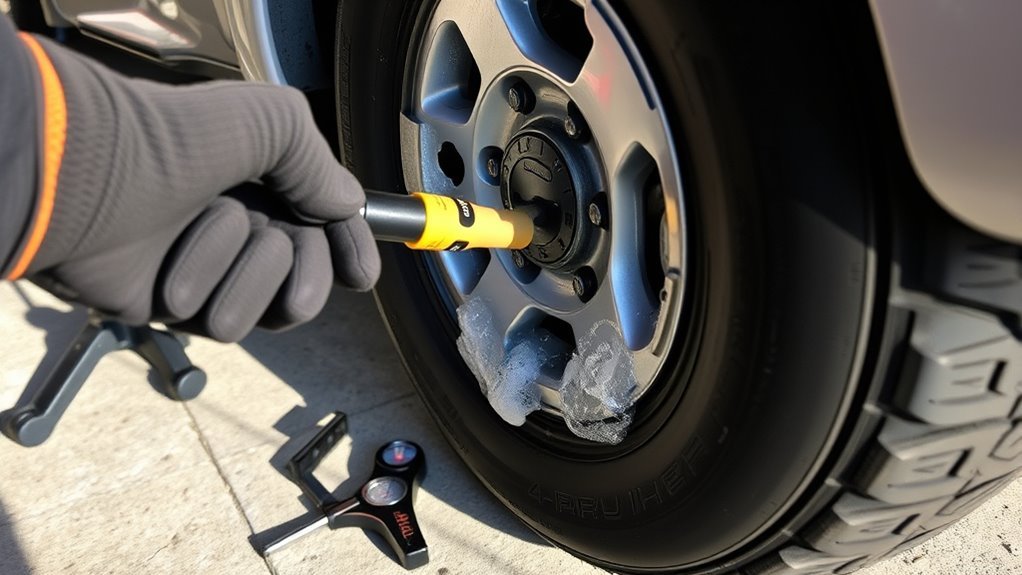
The repair depends on the leak location, puncture size, tire condition, and wheel condition. The safest rule is simple: repair only clean punctures in the repairable tread area, and replace tires with sidewall, shoulder, major, repeated, or structural damage.
The U.S. Tire Manufacturers Association puncture repair procedure says passenger and light-truck tire repairs are limited to the tread area, puncture injuries cannot be greater than 1/4 inch, and a plug-only or patch-only repair is not acceptable. A proper permanent repair fills the injury and seals the inner liner, usually with a one-piece plug-patch combination installed from inside the tire.
| Leak Type | Best Fix |
| Small nail or screw in the tread, up to 1/4 inch | Professional internal plug-patch/combination repair after the tire is removed and inspected |
| Loose valve core | Gently tighten or replace the valve core, then retest with soapy water |
| Cracked valve stem or leaking TPMS seal | Replace the valve stem or TPMS service kit |
| Bubbles at the bead/rim edge | Demount the tire, clean the bead seat, inspect the wheel, reseal, remount, and balance |
| Sidewall cut, shoulder puncture, bulge, exposed cords, or large puncture | Replace the tire |
A plug kit can help you get out of a trail or parking lot emergency, but do not treat an outside-in string plug as a permanent repair. Drive slowly, avoid highway speeds when possible, and have the tire demounted and inspected as soon as you can.
[Products Worth Considering]

Get back on the road fast with this compact tire plug repair kit for tubeless tires. It includes self-vulcanizing rubber plugs, T-handle rasp and insert tools, and a storage box that fits in your glove compartment for easy access. Also included are a 4-way valve steam tool set with valve cores and caps for added roadside convenience.

These universal tire valve stem caps help protect your valve core from dust, debris, moisture, and corrosion, supporting more stable tire pressure. The aluminum alloy design resists long-term wear, while the sealing construction helps help prevent air leakage. They twist on easily for quick installation and help safeguard driving safety across cars, SUVs, trucks, and motorcycles.

AUTOWN’s 68-piece tire repair kit helps you fix punctures and plug flats quickly and effectively. It includes a T-handle and spiral probe tool for easy insertion, while the steel patch and plug materials are designed for strong adhesion and long-lasting airtight performance. The compact case makes it convenient for roadside repairs across a wide range of vehicles.
What to Do If the Leak Happens Off-Road
4Runner owners often air down for traction, then reinflate before driving home. That routine can expose bead leaks, valve leaks, and small punctures from rocks or trail debris. If you notice one tire dropping faster than the others on the trail, stop early and inspect it before it overheats or breaks the bead.
- Move to level ground away from traffic or the trail line.
- Check the tire pressure and compare it with the other tires.
- Look for sidewall cuts, bead damage, missing valve caps, and nails or screws in the tread.
- Use soapy water if you have it; plain water may still show an active leak in a pinch.
- If the leak is slow and the tire has no sidewall damage, reinflate and drive cautiously to a repair shop.
- If the tire is damaged, install the spare instead of trying to save the tire on the trail.
Note: Check the spare tire during normal maintenance. A full-size spare that has been ignored for months may be too low to use when you need it.
Maintain Your 4Runner’s Tires to Prevent Slow Leaks
Proactive tire maintenance prevents many slow leaks and catches the rest before they become roadside problems. NHTSA recommends checking tire pressure at least once a month when tires are cold, checking tread, and replacing tires when tread is worn to 2/32 inch.
- Check cold pressure monthly. Include all four tires and the spare. Use the 4Runner’s placard PSI.
- Watch pressure trends. A tire that keeps losing several PSI faster than the others needs leak testing.
- Use valve caps. Caps help keep water, dust, and grit out of the valve core.
- Inspect after trail days. Look for sidewall cuts, bead debris, valve-stem damage, and rocks lodged in the tread.
- Rotate on schedule. Follow the Toyota maintenance schedule for your model year and tire setup.
- Clean wheels regularly. Wash away road salt and packed mud that can speed corrosion around the bead seat.
- Replace unsafe tires. Replace tires with bulges, exposed cords, sidewall cuts, severe cracking, repeated leaks, or tread worn to 2/32 inch.
Underinflated tires waste fuel and raise safety risk. FuelEconomy.gov says underinflated tires can lower gas mileage by about 0.2% for every 1 PSI drop in the average pressure of all tires.
Frequently Asked Questions
Can a slow tire leak be easily repaired?
Yes, many slow leaks are straightforward to fix once you find the source. A loose valve core, leaking valve stem, or dirty bead seal is often repairable. A tread puncture may be repairable if it is in the approved tread area and no larger than 1/4 inch. Sidewall damage, shoulder damage, bulges, exposed cords, and large punctures require tire replacement.
How much does it cost to get a slow tire leak fixed?
DIY leak testing may cost nothing if you already have a gauge, soap, and spray bottle. Many professional puncture repairs fall around $20–$50 or more depending on location, tire type, and shop policy. Valve-stem service, TPMS seal service, bead corrosion repair, wheel reconditioning, or tire replacement can cost more.
Can I drive my 4Runner with a slow leak?
Only for a short distance if the tire still holds safe pressure, has no visible damage, and you can keep it inflated to the placard PSI. Do not drive on a tire that is flat, very low, bulging, cracking, or losing pressure quickly. Low pressure can overheat the tire and cause failure.
Is a tire plug enough for a permanent repair?
No. A plug by itself is not considered an acceptable permanent repair for a passenger or light-truck tire. A safe permanent repair requires the tire to be removed, inspected from the inside, filled through the injury channel, and sealed at the inner liner with a proper plug-patch or combination repair.
Why does my 4Runner tire leak after off-roading?
Off-road driving can push dirt, sand, or small stones into the bead area, bend a wheel lip, loosen a valve core, or create small tread punctures. Airing down also flexes the tire more than normal. After trail use, clean the wheels, inspect the bead and sidewalls, check pressure cold, and retest any tire that drops faster than the others.
Should I use tire sealant for a slow leak?
Use tire sealant only as an emergency temporary measure if you cannot install the spare or reach help safely. Sealant can make proper inspection messier and may affect TPMS sensors. Tell the tire shop if sealant was used so they can clean and inspect the tire correctly.
Conclusion
You can diagnose most 4Runner slow tire leaks with a pressure gauge, soapy water, and a careful inspection pattern. Start with cold PSI, check the valve stem and core, test the tread and sidewalls, and watch the bead area for bubbles. Fix small valve issues quickly, have bead leaks cleaned and resealed, and use a professional internal plug-patch only when the puncture is in the repairable tread area. If the tire has sidewall damage, shoulder damage, a bulge, a large puncture, or repeated pressure loss after repair, replace it. That method keeps your 4Runner safer on pavement, trails, and long trips.
Sources
- NHTSA TireWise — cold tire-pressure checks, tire maintenance, TPMS limitations, tread depth, and tire safety guidance
- NHTSA Tires in the Garage Infographic — monthly pressure loss, underinflation awareness, and tire inspection reminders
- FuelEconomy.gov Gas Mileage Tips — fuel-economy impact of underinflated tires
- U.S. Tire Manufacturers Association Puncture Repair Procedures — tread-only repair area, 1/4-inch limit, and plug-patch requirements
- Toyota 4Runner Owners Manuals and Warranties — owner-manual reference for vehicle-specific tire information

