Disclosure: As an Amazon Associate, we earn from qualifying purchases. If you click a link on this page and make a purchase, we may receive a small commission at no extra cost to you.
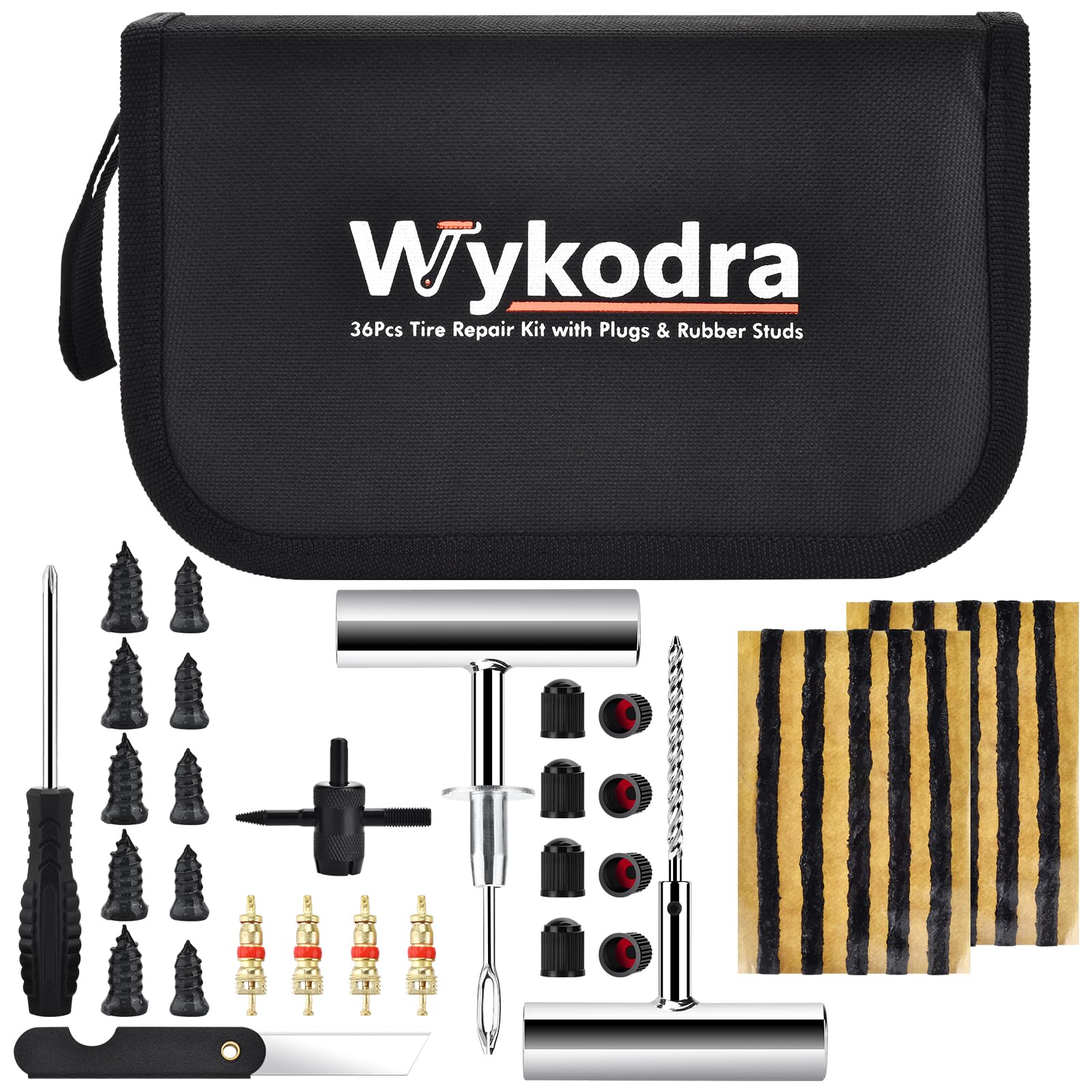
A nail in a tubeless tire can turn a normal drive, workday, or trail ride into a long delay. The Wykodra 36-piece Tire Repair Kit gives you two external sealing options, traditional string plugs and screw-in rubber repair nails, plus the basic hand tools needed to use them. Its compact case and broad tubeless-tire compatibility make it useful as an emergency backup, but it does not replace an internal inspection and professional patch-plug repair. This review explains what is included, where the kit can help, and the damage you should never try to repair with it.
Quick Verdict
Rating: 8.2/10, recommended with safety caveats
Best For: Drivers, riders, farmers, and equipment owners who want a compact emergency kit for small punctures in tubeless tire tread.
Bottom Line: The dual-method design, steel tools, valve accessories, and organized case make this a flexible roadside kit. Its external plugs should be treated as temporary mobility repairs, not permanent fixes for highway tires.
Key Specifications
| Specification | Detail |
|---|---|
| Brand | Wykodra |
| Model | WKGJ001 |
| ASIN | B0FS21YHWT |
| Product type | External emergency puncture repair kit for tubeless tires |
| Set size | 36 pieces |
| Repair methods | String plugs and screw-in rubber repair nails |
| Tool material | Refined steel core hand tools |
| Repair material | Rubber tire strings and vulcanized rubber screw nails |
| Included accessories | T-handle insertion tool, screwdriver, repair strips, repair screws, 4-in-1 valve tool, valve caps, auxiliary fittings, and storage case |
| Compatibility | Most tubeless tires on cars, SUVs, RVs, pickups, motorcycles, UTVs, tractors, lawn mowers, and wheelbarrows |
| Storage | Fitted portable hard case |
| Listed warranty | 3 years |
| Safety limit | For small tread punctures only as an emergency measure. Do not use on sidewalls, shoulders, large cuts, bulges, or structurally damaged tires. |
At a Glance
|
Buying Factor |
Verdict |
|---|---|
|
Ease of Use |
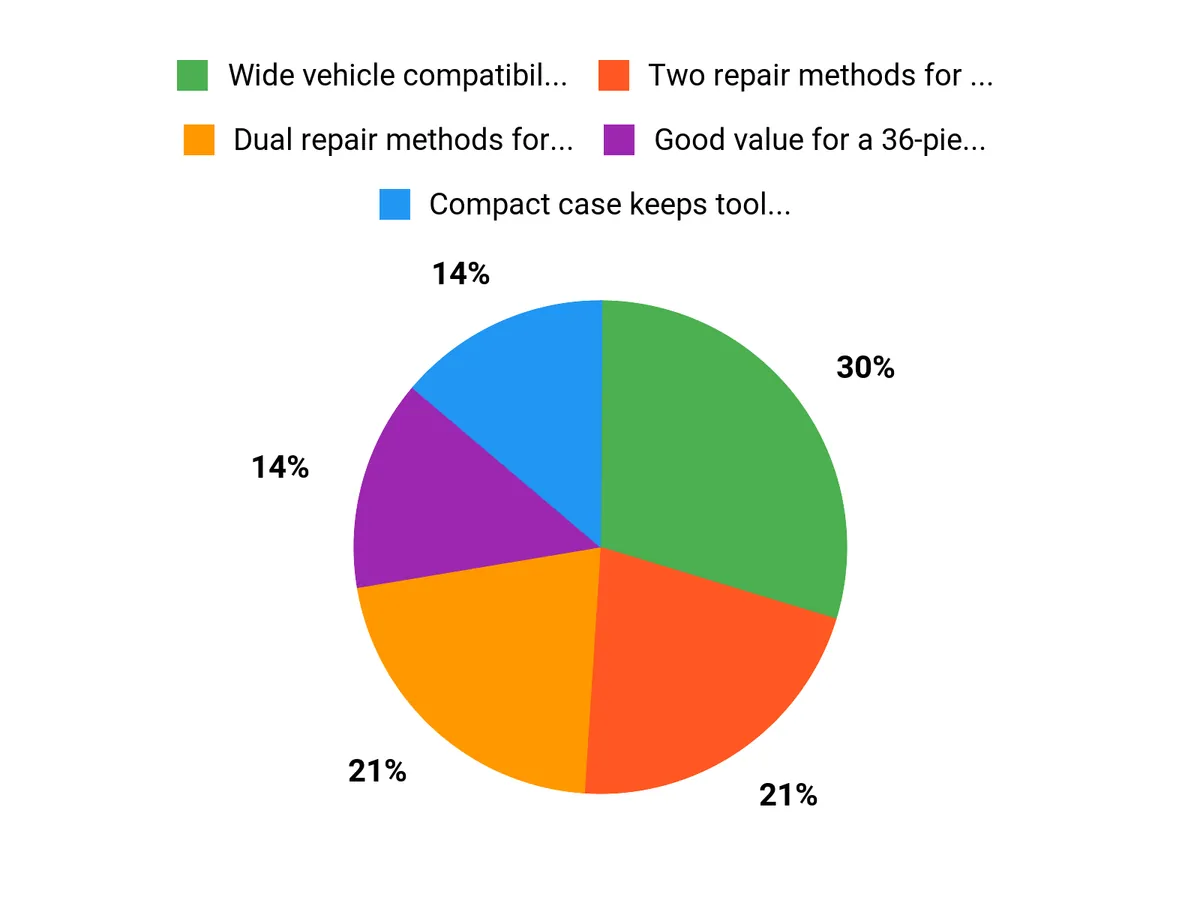
Straightforward for a prepared user, but removing the object, reaming the hole, inserting a plug, and reinflating the tire can take longer than the advertised 60 seconds. |
|
Value |
Good budget value for a 36-piece dual-method kit, especially when you maintain several vehicles or pieces of tubeless equipment. |
|
Build |
Steel tools should provide better leverage than thin plastic emergency tools, while rubber repair parts remain consumables that need replacement after use or aging. |
|
Compatibility |
Broad compatibility with tubeless tires, but not inner tubes and not every run-flat, speed-rated, or specialty tire. |
|
Portability |
The fitted case keeps small plugs, valve parts, and hand tools together in a trunk, saddlebag, toolbox, or garage cabinet. |
Wykodra Tire Repair Kit (36-Piece)
[Products Worth Considering]

Rhino USA’s 86-piece tire repair kit provides everything you need for quick, emergency flat repairs, including a reamer and plug insertion tool plus 60 reusable tire plugs. The heavy-duty, metal-handled design helps you fix punctures from nails and screws on tubeless tires for cars, trucks, motorcycles, ATVs, UTVs, and more. A high-visibility compact case stores easily for on-the-go use, with illustrated instructions to help you complete repairs with confidence.

This 61-piece tire repair screw kit helps you fix punctures quickly by aligning the screw plugs and twisting clockwise, finishing the repair in seconds. The self-sealing plugs create a reliable seal for many roadside situations without needing a jack, wrench, or glue. It includes two plug sizes and a screwdriver in a portable case, making it a convenient option for cars, motorcycles, trucks, bikes, ATVs, and tractors.

CKAuto Universal Tire Repair Kit provides a complete emergency solution for fixing flat tire punctures using plug-style repairs without removing the tire from the rim. The kit includes insertion/probe tools, repair plugs, lubricant, valve accessories, and a convenient carry bag for quick roadside use. Designed for tubeless tires across cars, SUVs, trucks, motorcycles, RVs, and more, it’s easy enough for anyone to perform a proper repair.
What Is the Wykodra 36-Piece Tire Repair Kit?
The Wykodra WKGJ001 is a portable tool set for plugging small punctures from the outside of a tubeless tire. Instead of offering only rope-style strings, it combines a T-handle insertion system with screw-in rubber repair nails and a matching screwdriver. The package also includes a 4-in-1 valve tool, valve caps, auxiliary fittings, and a fitted storage case.
The kit is aimed at drivers and equipment owners who want a first-response option when a nail or screw creates a slow leak in the tread. It can help you restore enough air retention to move the vehicle to a safer place or reach professional service. It is not a substitute for a spare tire, inflator, pressure gauge, jack, or a technician’s internal inspection.
Who Should Buy It?
Best For
- Drivers who want a compact emergency kit for small tread punctures in tubeless tires
- Owners of motorcycles, UTVs, tractors, mowers, and wheelbarrows that use tubeless tires
- DIY users who value two external repair methods and organized valve accessories
Skip If
- You need a certified permanent repair for a passenger or light-truck highway tire
- Your tire has sidewall, shoulder, bead, bulge, split, or large-cut damage
- You do not carry a suitable inflator and pressure gauge to restore and verify pressure
Before You Buy: The listing uses broad language about puncture sizes, but industry guidance limits proper passenger and light-truck repairs to small injuries in the tread area. External string or screw plugs alone are emergency measures and do not replace a tire-off inspection with an internal patch-plug repair.
Dual Repair Methods
String Plug System
The T-handle system is the familiar choice for a nail or screw hole in the tread. You remove the object, prepare the puncture channel with the appropriate tool, load a rubber string into the insertion tool, and push it into the opening. The T-handle gives you leverage when the tread is stiff, which is useful on truck, SUV, UTV, tractor, and mower tires.
The tradeoff is that a string plug requires force and a clear working angle. A puncture close to the shoulder may be difficult to reach and should not be repaired there anyway. You may also need pliers to remove a deeply embedded screw, and pliers are not listed among the included parts for this 36-piece model.
Screw-In Rubber Repair Nails
The screw-style plugs use the included screwdriver and are designed for small puncture channels. They can be faster to place than a string plug because you do not need to thread a sticky strip through an insertion eye. This method may be convenient on lawn equipment, wheelbarrows, UTVs, or other low-speed tubeless applications when the damage is small and centered in the tread.
Do not confuse easier installation with a permanent highway repair. A screw-in plug does not let you inspect the inner liner, belts, or hidden run-flat damage. Pressure should be checked immediately, again after a short interval, and by a tire professional as soon as practical.
Materials and Build Quality
Wykodra lists refined steel for the core hand tools and heat-resistant, aging-resistant vulcanized rubber for the screw-style repair nails. Steel construction matters because a plug tool can face high resistance when it passes through a reinforced tread. The case also protects the sharp tools and keeps the small valve parts from scattering around your vehicle.
The repair strings, rubber screws, and valve caps are consumable or aging parts. Inspect them before a trip. Replace any rubber piece that has hardened, cracked, dried out, or become contaminated. Check the T-handle and screwdriver fasteners for looseness, and keep a correctly sized Allen key in the case if the handles use set screws.
Fit and Compatibility
The listing identifies the kit for most tubeless tires on cars, SUVs, RVs, pickup trucks, motorcycles, UTVs, tractors, lawn mowers, and wheelbarrows. That range is useful for a household or worksite with mixed equipment. The 4-in-1 valve tool and spare valve caps add value for basic valve-core service and dust protection.
Compatibility still depends on the tire, vehicle, and damage. The kit is not designed for inner tubes. Some run-flat, high-performance, commercial, or specialty tires have stricter repair policies, so check the tire maker’s guidance. Never loosen or remove a valve core unless you understand the pressure-release risk and have a safe way to reinflate the tire.
What People Say
Buyer feedback summarized for this kit is generally positive about the organized case, the T-handle leverage, and the choice between string plugs and screw-style plugs. The most useful criticism is also practical: the set cannot rescue a tire with sidewall damage or a large cut, and a pair of pliers plus a small Allen key can make the roadside process easier.
Overall Sentiment: Positive

Pros and Cons
|
Pros |
Cons |
|---|---|
|
✅ Two external repair methods for different small tread punctures |
❌ External plugs are not an industry-approved permanent passenger-tire repair |
|
✅ Steel T-handle tool provides leverage through firm tread |
❌ Not suitable for sidewalls, shoulders, large cuts, bulges, or internal damage |
|
✅ 4-in-1 valve tool and spare caps support basic valve service |
❌ The listed 36-piece contents do not include pliers, an inflator, or a pressure gauge |
|
✅ Fitted hard case keeps tools and consumables organized |
❌ Proper use still requires safe positioning, enough air pressure, and follow-up service |
|
✅ Broad tubeless compatibility across road and outdoor equipment |
❌ Rubber consumables can age and should be inspected before relying on the kit |
How It Performs in Real Use
Roadside Nail or Screw Puncture
For a small object in the center tread, the kit gives you a way to slow or stop the leak without removing the wheel. The hardest steps may be pulling the object, getting enough leverage, and reinflating the tire. Work only after moving well away from traffic, setting the parking brake, and following the vehicle’s roadside-safety instructions.
Farm, Yard, and Worksite Equipment
The kit is especially practical for tractors, mowers, wheelbarrows, and similar tubeless equipment that may be far from a service shop. The case is easy to keep in a workshop or work vehicle, and the two plug types give you options for common small punctures. Low-speed use does not make sidewall damage safe, so inspect the full tire before returning equipment to service.
Motorcycle, UTV, and Off-Road Trips
The compact case can fit in a larger saddlebag, cargo box, or trail kit. On a motorcycle, tire condition has an immediate effect on stability, so use an external plug only as a cautious emergency measure and follow the tire or motorcycle maker’s repair policy. Carry a suitable compact inflator, an accurate gauge, and the tools needed to reach the puncture.
Home Garage Backup
At home, the Wykodra kit can help you control a slow leak before a shop visit. Good lighting and more working room make it easier to inspect the tread and use the T-handle correctly. The case also makes it simple to see which plugs, screws, valve caps, or fittings need restocking.
How to Use It Correctly
- Stop in a safe place. Move away from traffic, switch on hazard lights, set the parking brake, and follow your vehicle manual.
- Inspect the damage. Do not proceed if the injury is in the sidewall or shoulder, is larger than a small puncture, or the tire shows a bulge, split, exposed cord, bead damage, or signs of being driven flat.
- Mark and remove the object. Use pliers if needed, and keep your face and hands clear of the pressurized air path.
- Choose the repair method. Use the string-plug tools or screw-style rubber nail according to the included instructions. Do not enlarge the hole more than necessary.
- Check for leakage. Apply soapy water around the repair and watch for growing bubbles.
- Restore correct pressure. Inflate to the vehicle maker’s cold-pressure specification on the door placard or owner’s manual, not the maximum molded on the tire sidewall.
- Arrange professional inspection. Have a qualified tire technician remove and inspect the tire and determine whether it can receive a proper internal patch-plug repair.
Pro Tip: Build a complete flat-tire pouch around this kit. Add locking pliers, work gloves, a flashlight, tire chalk, soapy leak solution, an accurate pressure gauge, and an inflator rated for your vehicle’s tire pressure.
Compatibility and Safety
The U.S. Tire Manufacturers Association states that a proper passenger or light-truck puncture repair requires removing the tire from the wheel, inspecting it internally, filling the puncture with a rubber stem, and sealing the inner liner with a patch. It limits repairable injuries to the tread area and no more than 1/4 inch (6 mm) in diameter. A plug by itself is not considered an acceptable permanent repair. You can review the USTMA tire repair basics for the full guidance.
Do not plug the sidewall, shoulder, bead area, a bulge, a long cut, or a puncture in a tire that was driven while flat. Replace or professionally assess tires with exposed cords, severe cracking, multiple overlapping repairs, or structural damage. Tire manufacturers may also restrict repairs on run-flat, speed-rated, self-sealing, commercial, or motorcycle tires.
Never crawl under a vehicle supported only by a jack, and never attempt a roadside repair where traffic, poor visibility, unstable ground, weather, or personal safety makes the job risky. Roadside assistance or a spare tire is the better choice when you cannot work safely.
Ease of Use and Maintenance
|
Task |
Ease Level |
|---|---|
|
Organizing and carrying the kit |
Easy |
|
Using a screw-style repair nail |
Easy to moderate |
|
Inserting a string plug into stiff tread |
Moderate |
|
Removing a stubborn nail or screw |
Moderate, separate pliers may be needed |
|
Inspecting and restocking consumables |
Easy |
Store the case in a dry area away from direct heat, fuel, solvents, and sharp loose cargo. Inspect it before long trips and at seasonal tire changes. Replace used or aged plugs, make sure the insertion slot is clean, tighten loose handle hardware, and confirm the valve tool and caps are still present.
Is It Worth the Price?
The Wykodra 36-piece kit sits in the budget emergency-tool category. Its value comes from the combination of string plugs, screw-style plugs, valve accessories, steel tools, and a fitted case rather than from professional repair capability. It makes the most sense when you own several tubeless vehicles or pieces of outdoor equipment and want one organized backup kit.
It is less compelling if you already carry a proven plug system, a full-size spare, or a premium compact repair tool. The kit also does not eliminate the cost of an inflator or professional inspection. Check the current Amazon price and package details, because offers and included quantities can change.
[Products Worth Considering]

This tire repair kit provides fast emergency puncture repair without removing the tire from the rim, helping you get back on the road quickly. Its screw plug system is designed for punctures in both tread and sidewall and includes a complete patch plug tool set with essential accessories. A portable storage bag makes it easy to carry for cars, trucks, SUVs, motorcycles, and heavy-duty applications.

Get back on the road fast with this compact tire plug repair kit for tubeless tires. It includes self-vulcanizing rubber plugs, T-handle rasp and insert tools, and a storage box that fits in your glove compartment for easy access. Also included are a 4-way valve steam tool set with valve cores and caps for added roadside convenience.

This 60-piece tire repair nail kit provides a fast, do-it-yourself way to seal punctures on tubeless car, motorcycle, and SUV tires without removing the tire. Simply align, twist clockwise, and finish in seconds for a reliable sealing effect that helps prevent water intrusion. The kit includes tire glue and durable rubber-and-steel repair nails for strong adhesion and long-lasting repairs.
How It Compares to Alternatives
A larger Wykodra 48-piece kit may suit you better if you want pliers and more consumables in the same case. Conventional plug-only kits from brands such as Slime or Victor are simpler for buyers who prefer one familiar method. Premium compact systems such as Dynaplug may take less storage space, but they usually cost more and still do not replace an internal inspection when used on highway tires.
The 36-piece Wykodra model makes the most sense when you want two emergency sealing methods, valve accessories, and broad tubeless compatibility at a budget-focused level.
[Products Worth Considering]

Use this tire repair rubber screw kit for fast, self-service flat fixes on the road. Choose the matching short or long nail size and twist it into the puncture without removing the tire from the rim. Compact storage keeps the emergency set organized for cars, motorcycles, electric bikes, and bicycles, helping you seal tubeless leaks quickly and reliably.
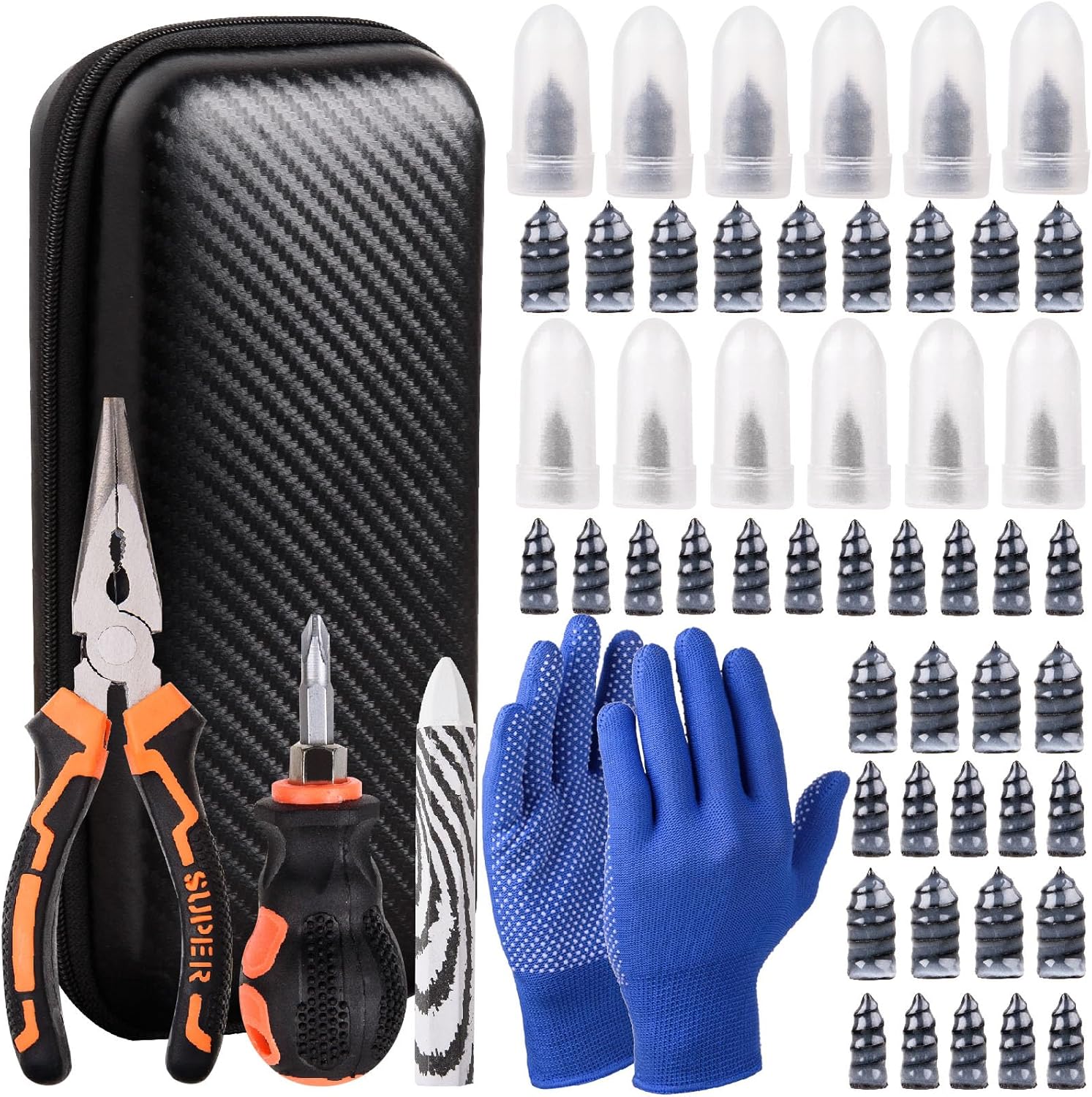
This tire sidewall puncture repair kit fixes flats fast without removing the tire, helping you get back on the road in minutes. It includes self-tapping repair nails, essential tools, gloves, and a portable storage bag for convenient roadside use. Designed for tubeless tires, it helps create a tight, leak-resistant seal for cars, motorcycles, trucks, SUVs, and ATVs.

This screw-in tire plug kit seals punctures fast using the included screwdriver, letting you repair tread damage without removing the tire or using messy glue. It includes two plug sizes for different puncture types and uses high-density rubber for an airtight, heat-resistant temporary seal that helps you reach a tire shop safely. Compact and universal, it works on tubeless tires across cars, trucks, motorcycles, tractors, and more.
Frequently Asked Questions
Is the Wykodra tire plug a permanent repair?
No. Treat an externally installed string plug or screw-style plug as an emergency mobility measure. A proper passenger or light-truck repair requires tire removal, internal inspection, and an approved patch-plug procedure when the tire is repairable.
What punctures can this kit handle?
It is intended for small puncture channels in the tread of tubeless tires, such as holes left by nails or screws. Do not use it on the sidewall, shoulder, bead, bulges, long cuts, exposed cords, or a tire that has been damaged by driving flat.
Does the 36-piece kit include an inflator or pressure gauge?
The verified package description lists repair tools, plugs, screw-style repair nails, a valve tool, valve caps, fittings, and a case. It does not list an inflator or pressure gauge, so you should carry both separately.
Can I use it on motorcycle or UTV tires?
The listing includes motorcycles and UTVs among compatible tubeless applications. Because tire failure can strongly affect vehicle control, follow the tire and vehicle maker’s repair policy and arrange professional inspection before normal-speed use.
Will it work on tires with inner tubes?
No. External tread plugs are designed for tubeless tires. A punctured inner tube normally requires removing the wheel and tire so the tube can be patched or replaced.
Can it repair a run-flat tire?
Do not assume it can. Run-flat tires can suffer hidden internal damage after pressure loss, and manufacturer repair policies vary. Have the tire inspected by a qualified technician and follow the specific tire maker’s instructions.
What extra tools should I carry?
Add pliers, gloves, a flashlight, tire chalk, leak-detection solution, a pressure gauge, and an inflator suitable for your tire size. An Allen key may also help if a handle fastener becomes loose.
How should I store and maintain the kit?
Keep the closed case dry and away from solvents, fuel, and excessive heat. Inspect the rubber parts for cracking or hardening, tighten tool hardware, and replace every plug or accessory you use.
Why Customers Choose
The Wykodra kit appeals to buyers who want more flexibility than a basic string-plug set. You get two external repair methods, steel hand tools, valve accessories, and a fitted case that can move between a car, work truck, garage, or equipment shed. Its strongest use is as a prepared emergency backup, not as a reason to delay professional tire service.
The Bottom Line
The Wykodra WKGJ001 is worth considering when you want an organized 36-piece kit for small tread punctures in tubeless road and outdoor-equipment tires. Its dual plug systems and steel tools are practical strengths, but you should skip it for sidewall damage, large cuts, inner tubes, or any situation that needs a permanent repair.
Used with an inflator, pressure gauge, safe roadside habits, and prompt professional follow-up, it is a useful budget addition to your emergency gear.
Ready to Buy?
Check the latest price, seller, package contents, and warranty details before you decide.