If you rely on a pickup or work truck through winter, the tire needs to do more than provide snow traction. It also has to match your truck’s required size, load index, and service description while remaining stable under hauling, towing, or work-duty loads. For that reason, this guide focuses specifically on heavy-duty LT winter tires designed for pickups, SUVs, and work vehicles.
The two options below take different approaches. The Firestone Winterforce LT emphasizes traditional studdable winter traction with a directional tread, while the General Grabber Arctic LT combines severe-winter traction with Duragen reinforcement and a symmetrical tread designed for heavy-duty use. Always confirm the exact tire size and load requirements on your vehicle placard or owner’s manual before ordering.
Affiliate disclosure: This roundup is reader-supported. When you purchase through qualifying links, we may earn a referral commission at no additional cost to you.
Top Picks
|
Best For |
Product |
Why It Stands Out |
|---|---|---|
|
💼 Hauling, Towing & Traditional LT Winter Traction |
Load Range E LT construction in documented sizes, directional winter tread, dense siping, and studdable capability. |
|
|
🚀 Rough Worksites & Heavy-Duty Durability |
Duragen reinforcement, LT winter siping, Snow Traction Ridges, severe-snow rating, and studdable design. |
Quick Verdict
Choose the Firestone Winterforce LT if you want a straightforward Load Range E light-truck winter tire with an aggressive directional pattern and the option to add studs where permitted.
Choose the General Grabber Arctic LT if your truck sees rough winter roads, gravel, worksites, or repeated heavy-duty use and you value reinforced construction alongside snow and ice traction.
Fitment comes first: neither tire should be purchased solely by model name. Match the exact size, load index, load range, wheel diameter, and service description required by your truck.
Selection Criteria
For a pickup or work truck, winter traction alone is not enough. We focused first on whether each tire is genuinely intended for light-truck or heavy-duty winter use. That removes passenger-oriented winter tires that may have good snow performance but do not match the load and fitment requirements expected in this article.
We then considered snow and ice design, load-range availability, studdable capability, tread construction, durability features, and suitability for hauling, towing, plowing, or worksite driving. Exact load capacity still depends on the individual tire size and load index, so those numbers should always be checked against the vehicle manufacturer’s specifications rather than assumed from the tire model alone.
Firestone Winterforce LT

The Firestone Winterforce LT is a purpose-built light-truck/SUV winter tire aimed at pickups, commercial vans, and other vehicles that need traditional winter traction with heavier-duty construction. Documented LT sizes are offered in Load Range E, and the tread uses an aggressive directional layout with high-density siping to create additional biting edges in snow.
Check Price on AmazonThe tread is also designed to accept studs in compatible locations, which can provide another option for drivers who regularly encounter hard-packed snow or ice and live where studded tires are legal.
Why It Stands Out
This is the more traditional heavy-duty winter-tire choice of the two. Its directional tread is designed to work through winter precipitation, while the LT construction makes it more appropriate for pickup-truck duty than passenger-oriented winter tires.
Best For
|
Situation |
Why It Fits |
|---|---|
|
Towing & Hauling |
Load Range E LT sizes are better aligned with trucks that require higher-load replacement tires, provided the exact size and service description match the vehicle. |
|
Snow-Covered Roads |
The winter compound, directional tread blocks, and dense siping are designed to create useful biting edges in snow. |
|
Hard-Packed Snow & Ice |
The tire can accept studs in applicable configurations where local regulations allow them. |
|
Work Trucks |
Its LT-focused construction makes it a more suitable starting point for pickups and commercial-style winter use than Standard Load passenger tires. |
Who Should Buy This
Consider the Winterforce LT if your truck spends a full winter season in snow, you need an LT tire rather than a passenger tire, or you want the option of studding for severe icy conditions.
Who Should Avoid This
Skip it if your vehicle does not use one of the available LT sizes or if your priority is a passenger-car-like ride rather than heavy-duty winter capability. Studded operation may also be restricted by local law, so check regulations before having studs installed.
Fitment Note
Do not choose by load range alone. Confirm the exact tire size, load index, speed rating, wheel diameter, and inflation requirements shown on your truck’s placard or owner’s manual. A Load Range E tire in the wrong size is still the wrong tire.
Key Benefits
- Designed for pickups, SUVs, and commercial-style light-truck winter use
- Load Range E construction in documented LT sizes
- Aggressive directional winter tread with high-density siping
- Studdable design where studs are legal and appropriate
- Suitable for buyers who prioritize winter capability over touring refinement
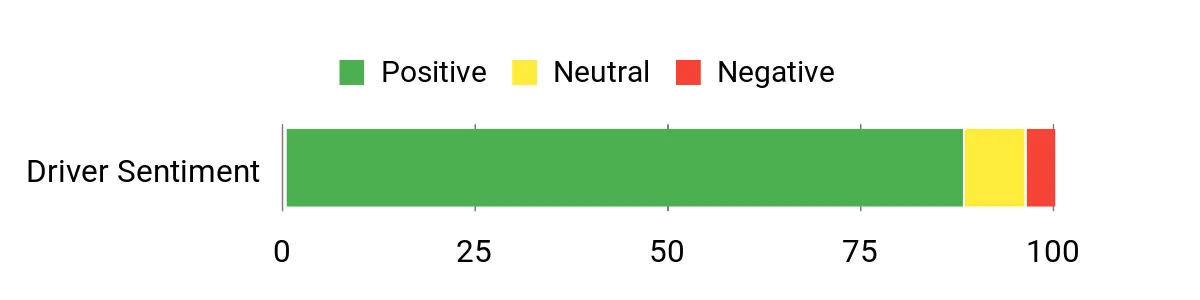
Review Sentiment Snapshot
The chart below is the existing review-sentiment snapshot included with this article. Marketplace ratings and review totals can change, so check the current Amazon product page for the latest buyer feedback before ordering.
General Grabber Arctic LT

The General Grabber Arctic LT is another dedicated light-truck/SUV winter tire, but its emphasis is slightly different. General combines a symmetrical tread pattern with Duragen Technology, Snow Traction Ridges, Interlocking Light Truck Winter Sipes, and a studdable design.
Check Price on AmazonThat combination makes it particularly relevant for pickups that see repeated winter use on rough roads, gravel approaches, worksites, or other conditions where durability matters alongside snow and ice traction.
Why It Stands Out
Duragen Technology is the distinguishing feature here. General combines a cut- and chip-resistant compound with strong internal construction intended to promote stability and even wear. The symmetrical layout also provides flexible tire-rotation possibilities, which can be useful for fleet and work-truck applications.
Best For
|
Situation |
Why It Fits |
|---|---|
|
Rough Winter Roads |
Duragen construction is designed around robust strength, durability, and resistance to demanding road surfaces. |
|
Deep Snow |
Snow Traction Ridges are designed to provide additional grip during braking, acceleration, and cornering in deeper snow. |
|
Ice & Packed Snow |
Interlocking LT winter sipes add biting edges, and compatible sizes can accept studs where permitted. |
|
Worksite & Fleet Use |
The reinforced construction and symmetrical tread make it well suited to trucks that accumulate demanding winter mileage. |
Who Should Buy This
Consider the Grabber Arctic LT if your pickup regularly works on snow-covered roads, gravel, construction sites, rural routes, or other surfaces where you want both winter grip and a reinforced LT tire.
Who Should Avoid This
This is not aimed at drivers whose main priority is the quietest possible passenger-car ride. Also avoid ordering until you have confirmed that the linked size matches the truck manufacturer’s required dimensions, load index, and service description.
Fitment Note
Grabber Arctic LT specifications vary by size. Listed LT sizes may have different maximum loads and service descriptions even when they share Load Range E construction. Use the vehicle placard as your starting point and verify the exact specification before purchase.
Key Benefits
- Purpose-built light-truck/SUV winter tire
- Duragen Technology for robust construction and durability
- Snow Traction Ridges for additional deep-snow grip
- Interlocking Light Truck Winter Sipes
- Studdable design for additional ice traction where legally permitted
- Three-Peak Mountain Snowflake severe-snow designation
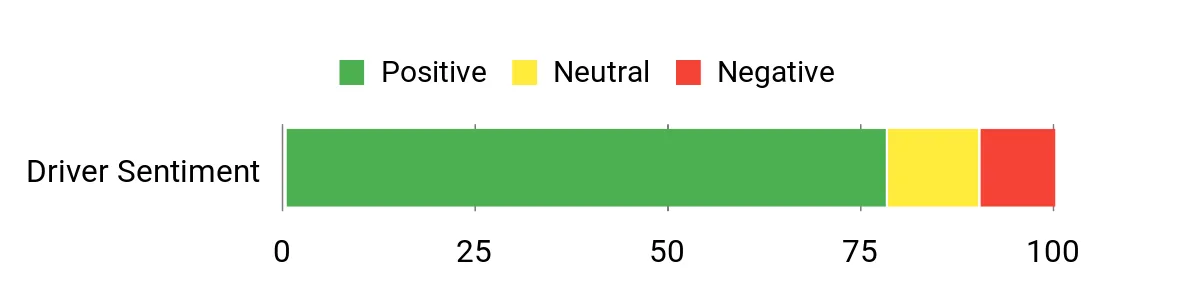
Review Sentiment Snapshot
The chart below is the existing review-sentiment snapshot included with this article. Because marketplace ratings and review totals change over time, confirm current buyer feedback directly on the product page.
Firestone Winterforce LT vs General Grabber Arctic LT
| Product | Vehicle Focus | Winter Design | Best For | Price |
|---|---|---|---|---|
| Light trucks, pickups, SUVs and commercial-style vehicles | Directional winter tread, dense siping, studdable | Hauling, towing and traditional heavy-duty winter use | Check Price | |
| Light trucks, pickups, SUVs and work vehicles | Symmetrical tread, Duragen reinforcement, LT winter sipes, studdable | Rough roads, worksites and durability-focused winter use | Check Price |


Before You Buy
- Check the door-jamb placard: match the required tire size and load specification.
- Verify load index: Load Range E alone does not tell you the complete load capacity of every size.
- Check wheel diameter: an LT tire cannot be substituted onto a different-diameter wheel.
- Use four matching winter tires: consistent construction and winter performance help maintain balanced handling.
- Check stud laws: studded-tire seasons and restrictions vary by location.
- Recheck inflation: cold temperatures can reduce tire pressure, so use the vehicle manufacturer’s recommended pressure unless otherwise specified for your application.
FAQ
How Do I Choose The Right Winter Tire For My Pickup?
Start with the tire size, load index, speed rating, and other specifications shown on your truck’s door placard or owner’s manual. Then look for a winter tire available in a matching specification. For trucks used for towing, hauling, plowing, or work duty, an LT tire with the appropriate load range and load index is generally more relevant than a Standard Load passenger tire.
Is Load Range E The Same As A 10-Ply Tire?
Load Range E is commonly described as “10-ply rated,” but modern tires do not necessarily contain ten physical carcass plies. Treat the load range as a strength and pressure classification, then use the exact tire’s load index and manufacturer specifications to determine its capacity.
Do I Need Studded Tires Or Are Studless Tires Enough?
Studs can add mechanical bite on hard-packed snow and ice, but they also increase noise and are restricted in some locations. Whether studs make sense depends on your winter roads, local regulations, and driving conditions. Both tires in this comparison are designed to support stud installation in applicable versions, but they can also be used without studs.
What Does The Three-Peak Mountain Snowflake Symbol Mean?
The Three-Peak Mountain Snowflake, often shortened to 3PMSF, identifies tires that meet an industry performance threshold for acceleration traction in snow. It is useful when shopping for genuine winter capability, but it does not replace checking vehicle fitment, braking performance, ice conditions, or remaining tread depth.
Which Is Better For A Work Truck: Firestone Winterforce LT Or General Grabber Arctic LT?
The better match depends on the job. The Firestone emphasizes a conventional directional winter tread with dense siping and studdable capability. The General adds Duragen reinforcement, Snow Traction Ridges, LT winter sipes, and a symmetrical tread that can be attractive for demanding worksite or fleet use. In either case, the exact size and load specification must match the truck.
How Should I Maintain Winter Tires?
Check inflation regularly, especially after major temperature drops, and rotate the tires according to the vehicle or tire manufacturer’s guidance. Inspect tread and sidewalls for damage after rough work, towing, plowing, or gravel-road use. When winter ends, store the tires in a cool, dry location away from direct sunlight and sources of ozone.
Which One Should You Choose?
If you want a straightforward heavy-duty LT winter tire with an aggressive directional pattern and optional studs, the Firestone Winterforce LT is the more traditional choice to compare against your truck’s required specifications.
If your winter driving includes rough surfaces, worksites, gravel, or repeated demanding use, the General Grabber Arctic LT adds Duragen reinforcement and a symmetrical tread along with snow-focused features and studdable capability.
Neither tire should be purchased simply because it is labeled for trucks. Before ordering, verify the exact size, load index, service description, wheel diameter, and inflation requirements for your pickup. That fitment check matters more than any generic product ranking.
Wrapping Up
For pickup owners, choosing a winter tire is a balance of snow and ice capability, load requirements, durability, and correct fitment. The Firestone Winterforce LT and General Grabber Arctic LT both belong in that heavy-duty conversation because they are purpose-built for light-truck/SUV winter use rather than passenger-car applications.
Use Firestone’s directional, studdable design when traditional LT winter traction is the priority. Consider General’s reinforced Duragen construction when rough-road durability and work-truck use matter just as much. Whichever one fits your needs, confirm the exact specification against your vehicle placard before buying.
This roundup is reader-supported. When you click through links we may earn a referral commission on qualifying purchases.