
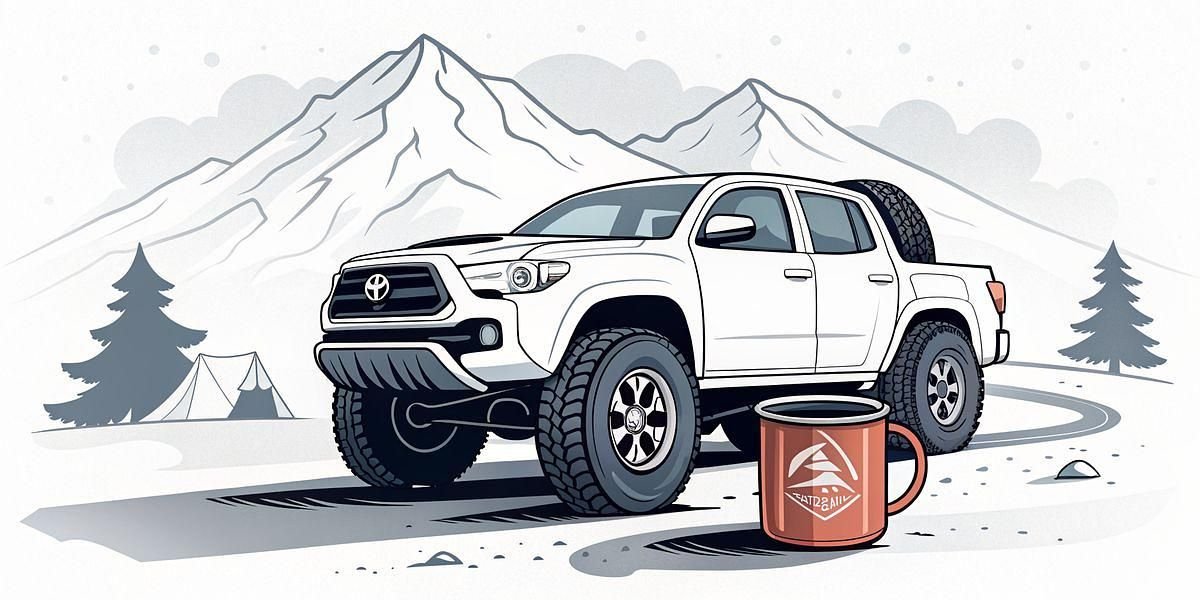
Choosing P-metric tires for a Toyota Tacoma starts with fitment, not brand or tread style. The tire must match the size, load requirements, wheel diameter, and other specifications approved for your exact Tacoma configuration before you compare ride comfort, traction, noise, tread life, or price.
This guide explains how to narrow your choices safely so you can decide whether a P-metric highway, touring, or all-terrain tire makes sense for the way you use your Tacoma.
Quick Answer
Start with the tire-information placard on your Tacoma. Match the specified tire size and make sure the replacement tire has an appropriate load index and speed rating for your vehicle. After fitment is confirmed, choose the tread type based on whether you mainly commute, tow, haul, drive on highways, or travel on gravel and mild trails.
Key Takeaways
- Do not choose a tire for a Tacoma based only on wheel diameter or brand.
- Confirm the complete tire size, load index, speed rating, and wheel compatibility before buying.
- P-metric tires generally prioritize everyday ride comfort and road manners, while LT tires may be more appropriate for demanding load or off-road use.
- Highway-terrain tires make sense for mostly paved driving, while all-terrain tread can provide more capability on gravel and mild trails.
- Towing, payload, modifications, aftermarket wheels, and suspension changes can affect which tire specification is appropriate.
- If your Tacoma no longer has its factory wheel and tire setup, have the complete fitment checked before ordering tires.
Tacoma Tire Fitment Comes First
Tacoma tire sizes vary by model year, trim, drivetrain, and wheel package. That means a tire that works on one Tacoma may be inappropriate for another even when both trucks use P-metric tires.
Before shopping, read the full tire specification on the driver-side door-jamb placard and compare it with the tire currently installed. The complete specification matters because tire width, aspect ratio, construction, wheel diameter, load index, and speed rating all affect compatibility.
Fitment Note: Do not assume that a tire fits because the wheel diameter matches. A 16-, 17-, or 18-inch tire can still have the wrong width, overall diameter, load capacity, or clearance for your Tacoma.
[Products Worth Considering]

These aluminum alloy tire valve stem caps with an O-ring seal help protect valve stems from corrosion while adding a clean, stylish look to your vehicle. The universal fit works across cars, trucks, motorcycles, bicycles, and more, making them an easy upgrade for everyday driving and off-road use. Installation is quick, and the included four-pack keeps all your tires dressed and protected.

The 22800 wheel stud installer makes replacing wheel studs quick and secure, saving time and effort during tire service. It uses a ratchet or impact wrench to pull new studs firmly into place, helping when existing studs are too long. Compatible with most automotive wheels and light-duty truck wheel studs, it’s designed for easy, tool-assisted installation.

Upgrade your Toyota’s wheels with durable aluminum alloy valve stem caps that help protect valve cores from corrosion and direct exposure to road grime, clay, water, and snow. Rubber rings improve sealing to help prevent air leakage and maintain stable tire pressure for safer driving. These caps are easy to install or remove without tools and add a unique, stylish look to your car.
What to Check Before Buying P-Metric Tacoma Tires
| Check | Why It Matters | What to Do |
|---|---|---|
| Tire Size | Width, sidewall height, and wheel diameter affect clearance and vehicle behavior. | Match the approved specification for your exact Tacoma unless a qualified fitment professional has confirmed an alternative. |
| Load Index | The tire must support the vehicle and the loads it is expected to carry. | Do not choose a lower load capability simply to save money or improve ride softness. |
| Speed Rating | The rating is part of the tire’s service specification and should be appropriate for the vehicle. | Compare the replacement tire with the vehicle specification before purchase. |
| Wheel Compatibility | A tire must be suitable for the wheel diameter and approved rim-width range. | Verify aftermarket wheels separately rather than assuming factory specifications still apply. |
| Driving Surface | Tread design affects road noise, wet-road behavior, gravel traction, and off-road capability. | Choose highway, touring, or all-terrain characteristics based on where you actually drive. |
| Towing and Payload | Regular heavy-duty use can change which tire construction and load capability makes sense. | Consider your real loaded use, not just unloaded commuting. |
[Products Worth Considering]

This professional wheel and rim brush kit makes it easy to lift brake dust, grime, and dirt from wheels and tires without scratching finishes. The brushes feature soft, metal-free wool heads and a flexible 360-degree rim brush design for reaching hard-to-clean areas. Includes multiple brush types plus accessories for thorough car, motorcycle, and general vehicle detailing.

These universal tire valve stem caps help protect valve cores from dust, debris, and moisture while helping maintain stable tire pressure. The corrosion-resistant metal construction and sealed design provide reliable protection in road grime, mud, and winter conditions. Twist-on installation makes them quick to fit on cars, SUVs, trucks, and motorcycles.

ETENWOLF T300 is a calibrated digital tire pressure gauge for accurate readings from 3 to 200 PSI across light and heavy-duty vehicles. It includes thermal compensation for reliable performance in extreme cold or heat, with an auto shut-off to extend battery life and an LED for easier reading. The sturdy design supports rugged everyday use, making it ideal for pickups, RVs, and industrial applications.
P-Metric vs LT Tires for a Toyota Tacoma
P-metric and LT tires are not interchangeable labels for the same thing. P-metric tires are commonly chosen for normal road use because they can provide comfortable ride quality, predictable handling, and lower rolling weight. Depending on the tread design, some P-metric tires also work well on gravel and light trails.
LT tires are designed for light-truck service and are often considered when a truck regularly carries heavier loads, tows, or operates on rough terrain. They can also bring tradeoffs such as additional weight and a firmer ride.
The best choice depends on the specifications approved for your truck and what you actually ask the Tacoma to do. Do not switch construction or load specifications solely because one tire looks more rugged.
[Products Worth Considering]
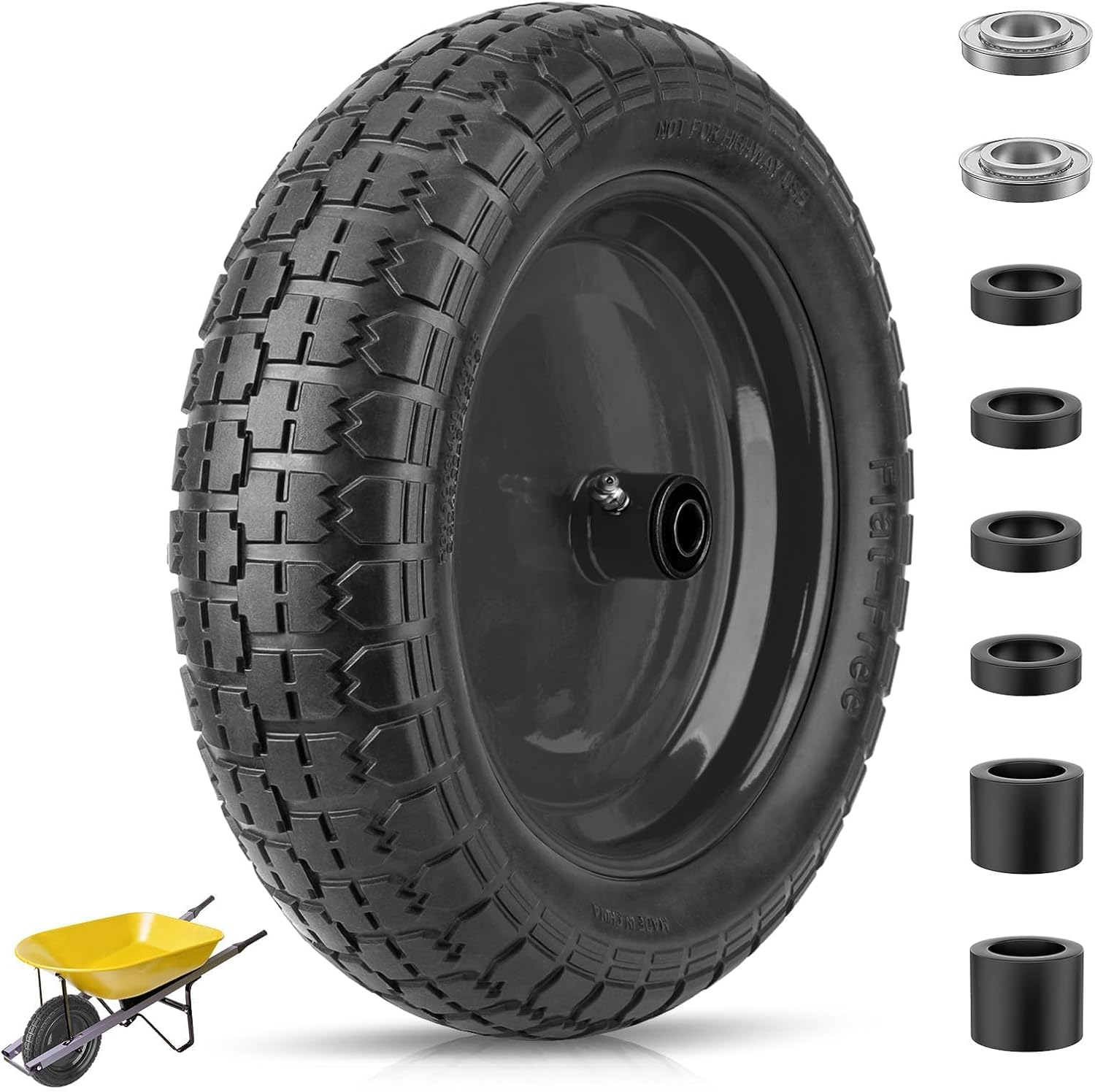
This flat-free TICONN wheelbarrow tire features durable polyurethane foam construction that never needs inflation, helping prevent punctures and reducing maintenance on rough outdoor terrain. With a 300 lb max load capacity and stable steel rim design, it supports safer transport for yard work and hauling tasks. An adapter kit with ball bearings and nylon spacers is included for easier fit and customization across common wheelbarrow and cart axle setups.

This 13-inch flat-free wheelbarrow tire uses solid polyurethane foam construction with steel rims, so it will not puncture, rot, or go flat. The anti-skid tread improves stability and maneuverability across garden, lawn, and mixed terrain. It includes pre-installed 5/8-inch bearings plus extra 3/4-inch bearings and a versatile adapter kit to fit compatible wheel sizes and cart hubs.
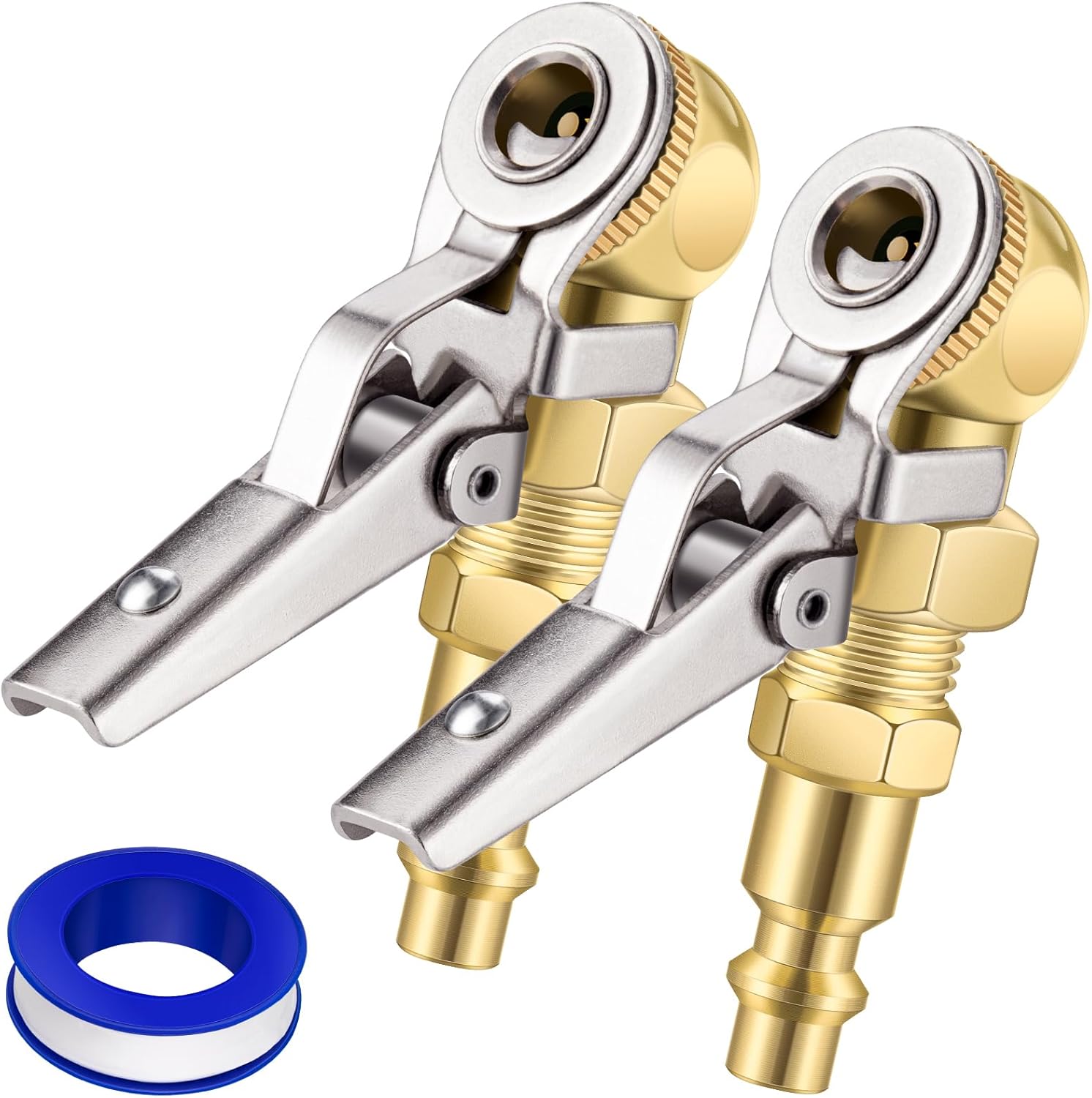
EVOULTES 2-pack closed ball tire chucks lock onto Schrader valves to help you inflate tires hands-free. The set includes both chucks with quick plug compatibility and a 2-way connection approach for easy setup to your air line or compressor. Durable metal construction supports reliable use for cars, trucks, RVs, bikes, and other Schrader-valve tires up to 250 PSI.
Choose the Tire Type for How You Drive
Mostly Highway and Commuting
If most of your miles are on pavement, prioritize wet-road traction, stable highway handling, reasonable road noise, even tread wear, and ride comfort. An aggressive tread pattern may add capability you rarely use while introducing compromises during everyday driving.
Mixed Pavement and Gravel
For drivers who spend most of their time on pavement but regularly travel on gravel roads, campsites, job sites, or mild trails, an all-terrain pattern can provide a useful balance. Look for a tread designed to maintain road manners while giving additional traction on loose surfaces.
Frequent Towing or Hauling
Start with the truck’s loading requirements rather than choosing a tire based on appearance. Tire load capability is only one part of safe towing and hauling, and installing higher-capacity tires does not increase the Tacoma’s factory payload, axle, or towing limits.
Frequent Rough-Terrain Use
If your Tacoma regularly encounters rocks, ruts, construction sites, or demanding trails, P-metric comfort may become less important than construction strength and application-specific durability. This is where comparing suitable LT options may make more sense.
Selection Criteria
A useful Tacoma tire comparison should begin by rejecting any tire that fails the basic fitment check. Only after size and service specifications are confirmed should you compare tread design, wet traction, road noise, durability, ride quality, warranty terms, and value.
For mixed-use trucks, it is also important to consider the tradeoff between aggressive tread and everyday comfort. A tire optimized for highways will not provide the same loose-surface behavior as an all-terrain tire, while a more aggressive tire may introduce compromises that a pavement-focused driver does not need.
Before You Buy
- Read the complete tire size on the driver-side door-jamb placard.
- Confirm the wheel size and whether the wheels are factory or aftermarket.
- Verify the required load index and appropriate speed rating.
- Check whether your current tire size differs from the factory specification.
- Consider how often you tow or carry substantial payload.
- Decide whether your driving is mainly highway, mixed-surface, or off-road.
- Compare tread-life warranty terms without assuming the longest warranty automatically means the best tire for your use.
- Plan to install compatible tires as a matched set where required rather than mixing significantly different specifications.
- Have uncertain aftermarket fitments checked before ordering.
How Tire Changes Can Affect Your Tacoma
Changing from the specified tire dimensions can affect more than appearance. Overall diameter, width, sidewall height, and tire weight can influence clearance, steering feel, acceleration, braking behavior, ride quality, and speedometer accuracy.
That does not mean every alternate size is inappropriate. It means alternate fitment should be treated as a vehicle setup decision rather than as a simple replacement purchase. Wheel width, offset, suspension changes, available clearance, and load requirements may all need to be considered together.
Tire Maintenance for Better Life and Safety
Once suitable tires are installed, maintenance has a major effect on how consistently they perform. Use the vehicle manufacturer’s recommended cold tire pressure unless an appropriately qualified professional has specified something different for a modified setup.
Rotate the tires at appropriate intervals, inspect the tread and sidewalls, and investigate unusual vibration, pulling, or uneven wear. Alignment or balance problems can shorten tire life even when the tire itself is well suited to the truck.
Pro Tip: Record the tire model, size, installation mileage, rotation dates, and alignment work. That makes it easier to monitor wear patterns and evaluate whether your next set should prioritize a different characteristic.
FAQ
How Do I Know What P-Metric Tire Fits My Tacoma?
Start with the tire-information placard on the driver-side door jamb and your owner’s manual. Match the complete tire specification rather than looking only at wheel diameter. If your truck has aftermarket wheels, suspension modifications, or a nonfactory tire size, verify the full setup before ordering replacements.
Can I Put Any 16-, 17-, or 18-Inch Tire on a Tacoma With the Same Wheel Diameter?
No. Wheel diameter is only one part of the tire size. Width, aspect ratio, overall diameter, rim-width compatibility, load index, speed rating, and available vehicle clearance also matter.
Are P-Metric Tires Good for a Tacoma?
They can be appropriate when the tire specification matches the truck and the tire suits how the vehicle is used. P-metric tires can work well for commuting, highway driving, and some mixed-surface use, but demanding towing, hauling, or rough-terrain use may justify comparing suitable LT tires.
Are P-Metric Tires Good for Off-Road Driving?
A P-metric all-terrain tire can be useful for gravel roads and mild trail use when properly matched to the vehicle. Drivers who frequently encounter sharp rocks, severe ruts, or other demanding terrain may need a more specialized construction.
Should I Use P-Metric or LT Tires for Towing?
Base the decision on the vehicle specification, actual loaded use, and appropriate tire load capability. Regular heavy-duty towing or hauling may make an LT tire worth considering, but tire capacity does not change the truck manufacturer’s payload, axle, or towing limits.
Can I Change to a Different Tacoma Tire Size?
Alternate sizing can be possible, but it should be verified as a complete fitment. Changes in overall diameter or width may affect clearance, vehicle behavior, speedometer readings, and other systems, especially when combined with aftermarket wheels or suspension changes.
What Matters More: Load Index or Speed Rating?
Both are parts of the tire’s service specification and should be appropriate for the vehicle. Do not intentionally downgrade an important specification simply because another number appears more favorable.
How Do I Make Tacoma Tires Last Longer?
Maintain appropriate cold tire pressure, rotate the tires regularly, correct alignment problems, keep the wheels balanced, inspect for damage, and monitor uneven tread wear. Driving habits and regular heavy loading can also influence tread life.
Wrapping Up
The best P-metric tire for a Toyota Tacoma is not determined by brand, appearance, or tread pattern alone. Correct fitment comes first.
Confirm the complete tire specification for your exact truck, then decide whether highway comfort, mixed-surface traction, towing support, or off-road capability matters most. That approach makes it much easier to compare suitable tires without sacrificing compatibility for a feature or price that looks attractive on its own.
If your Tacoma has aftermarket wheels, suspension changes, or a nonfactory tire size, verify the complete setup before buying your next set.

