
How to Patch a Honda Accord Tire at Home

A Honda Accord tire can often be saved after a small nail or screw puncture, but only if the damage is in the repairable tread area and the tire has not been driven flat. A simple outside plug can help you get off the road in an emergency, but a proper long-term repair usually requires removing the tire from the wheel, inspecting the inside, and using a plug-patch combination.
Quick Answer
You can temporarily plug a Honda Accord tire at home or roadside if the puncture is small, straight, and in the center tread. Do not repair sidewall, shoulder, large, or driven-flat damage. For a safe permanent repair, have the tire removed, internally inspected, and repaired with a plug-patch combination.
Key Takeaways
- A plug-only repair is a temporary roadside fix, not the best permanent repair.
- Repair only small punctures in the tread area; sidewall and shoulder damage usually means replacement.
- Always inflate the tire to the pressure listed on your Accord’s driver-door placard, not a guessed PSI.
- If the tire was driven flat, has bubbles, cords, cracks, or repeated leaks, call a tire shop or replace it.
At a Glance
| Time Required | 20–45 minutes for a temporary plug; longer if removing the tire for professional inspection |
| Difficulty | Moderate for a temporary plug; professional-level for a permanent internal plug-patch |
| Tools Needed | Tire pressure gauge, air compressor, plug kit, pliers, soapy water, gloves, jack, jack stand, wheel chock, and torque wrench |
| Cost | Usually low for a temporary kit; professional repair or replacement costs vary by tire and shop |
Before You Patch: Make Sure the Tire Is Repairable
Before using any tire repair kit, inspect the damage carefully. A Honda Accord tire is usually a repair candidate only when the puncture is in the tread area, the hole is no larger than 1/4 inch (6 mm), and there is no visible sidewall, shoulder, belt-edge, or internal damage. The U.S. Tire Manufacturers Association explains that proper puncture repair is limited to tread-area injuries and requires removing the tire from the wheel for a full inspection.
Warning: Do not try to patch or plug a tire with sidewall damage, shoulder damage, a large cut, exposed cords, a bulge, cracking, or damage from being driven flat. Replace the tire or have it inspected by a qualified tire technician.
Use this quick checklist before you begin:
- The puncture is in the main tread area, not the sidewall or rounded shoulder.
- The object is a small nail or screw, not a slash, tear, or impact break.
- The tire held some air and was not driven any meaningful distance while flat.
- The tread is not worn out, unevenly worn, separated, cracked, or bulging.
- The puncture is not on top of a previous repair.
[Products Worth Considering]

This tire repair kit provides fast emergency puncture repair without removing the tire from the rim, helping you get back on the road quickly. Its screw plug system is designed for punctures in both tread and sidewall and includes a complete patch plug tool set with essential accessories. A portable storage bag makes it easy to carry for cars, trucks, SUVs, motorcycles, and heavy-duty applications.

This tire repair patch tool kit helps you quickly seal small punctures using upgraded mushroom plugs and a built-in roller system that presses for even penetration. The tungsten buffing wheel and HSS twist drill bits prepare the damaged surface for stronger adhesion, while the crown-angle friendly plugs are designed to keep water and debris out. Ideal for puncture repairs on many vehicle types, from cars and trucks to bikes and scooters.

Wykodra tire plugs provide quick vulcanizing repairs for tubeless tires, helping you seal punctures and get back on the road. The industrial-strength rubber creates a long-lasting, leak-resistant bond and is designed for emergency fixes without removing the tire. Choose between two standard plug sizes with color-matched options for small to larger damage across many vehicles and off-road uses.
How to Patch Your Tire: Step-by-Step Instructions
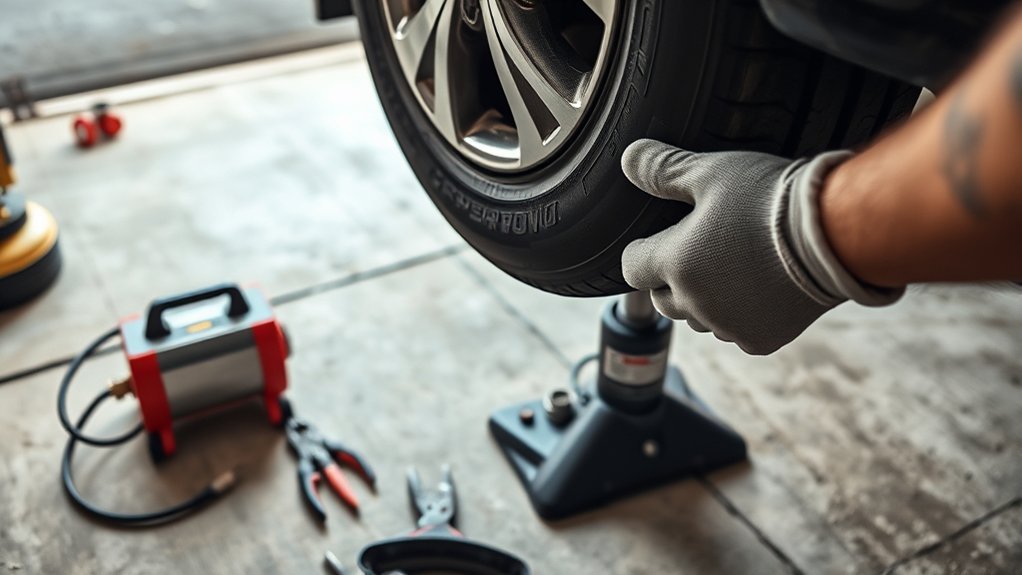
The safest way to handle a Honda Accord tire puncture is to treat a roadside plug as temporary and then arrange a proper internal inspection. Follow these steps if the tire appears repairable and you have the right tools.
1. Park Safely and Secure the Accord
Move to a flat, stable area away from traffic. Turn on the hazard lights, shift to Park, set the parking brake, and place a wheel chock behind a tire that will stay on the ground. If you lift the car, use the correct Honda jack point and support the vehicle with a jack stand before working near the wheel.
2. Find the Puncture
Look for a nail, screw, or small object in the tread. If the puncture is hard to find, inflate the tire enough to check it safely, then spray soapy water over the tread. Bubbles usually point to the leak. Mark the spot with chalk or tape before removing the object.
3. Remove the Object Carefully
Use pliers to pull the nail or screw straight out. Do not enlarge a questionable puncture just to make a plug fit. If the hole is jagged, angled toward the sidewall, or larger than the plug kit allows, stop and call a tire shop.
4. Use the Reamer Only for a Temporary Plug
For a rope-style plug kit, push the reamer into the puncture and work it in and out to clean the channel. This step prepares the hole for a temporary plug, but it does not replace a proper internal patch. A permanent repair should seal both the injury channel and the inner liner.
5. Insert the Plug
Thread the plug through the insertion tool according to your kit instructions. Coat it with the supplied rubber cement if your kit requires it. Push the plug into the puncture until only a small amount remains above the tread, then pull the tool straight out so the plug stays in place. Trim excess plug material flush with the tread after it sets.
6. Inflate the Tire to the Placard Pressure
Inflate the tire when cold to the pressure shown on the tire information label on the driver-side door jamb. Many 2017 Honda Accord and Accord Hybrid trims list around 32 PSI, but the placard on your exact vehicle is the correct source.
7. Check for Leaks
Spray the repaired area with soapy water. If bubbles keep forming, the repair is leaking. Recheck the valve stem and bead area too. If the tire loses pressure again, install the spare if equipped, use roadside assistance, or have the tire towed to a shop.
8. Get an Internal Inspection
Even if a plug holds air, schedule a proper tire inspection. A technician can remove the tire from the wheel, check the inner liner for hidden damage, and decide whether a plug-patch combination repair is safe.
Pro Tip: Keep a tire pressure gauge and portable inflator in your Accord. A repair kit is far less useful if you cannot confirm pressure before and after the repair.
What You Should Know About Tire Repair Kits
Tire repair kits are useful in emergencies, but they are not all the same. A rope plug kit fills the puncture from the outside. A sealant-and-inflator kit pushes liquid sealant into the tire. A professional plug-patch repair seals the puncture channel and the inner liner after the tire is removed from the wheel.
For long-term safety, the best repair is not “plug versus patch.” It is a repair that combines both functions: filling the injury and sealing the inside of the tire. That is why many tire shops will not treat an outside plug as a finished permanent repair.
Note: Certain 2023–2026 Honda Accord Hybrid models were included in a 2026 tire repair kit recall. If your Accord Hybrid has an OEM sealant kit, check your VIN through Honda or NHTSA before using it.
Essential Kit Components
A basic temporary tire plug kit usually includes plugs, a reamer, an insertion tool, and rubber cement. You should also carry gloves, pliers, a tire pressure gauge, a portable air compressor, a utility knife, and a small spray bottle with soap and water. If your Accord came with a factory sealant kit, read the Honda instructions before using it.
Proper Usage Guidelines
Use a repair kit only on a small tread puncture. Do not use it on sidewall damage, a tire that has been driven flat, a blowout, a damaged valve stem, or a wheel that is bent or cracked. If you use sealant, tell the tire shop afterward because sealant can affect inspection, balancing, TPMS service, and the final repair decision.
Essential Tools for Tire Repair
Having the right tools makes the repair safer and more reliable. For a temporary plug repair on a Honda Accord, keep these items together in your trunk:
- Tire pressure gauge: Confirms the tire is inflated to the placard pressure.
- Portable air compressor: Re-inflates the tire after repair.
- Plug kit: Includes reamer, insertion tool, plugs, and cement when required.
- Pliers: Removes nails, screws, or small debris.
- Soapy water: Helps locate leaks and confirm whether the repair holds.
- Jack, jack stand, and wheel chock: Helps you access the tire safely when removal is necessary.
- Torque wrench: Lets you tighten lug nuts to the proper specification after reinstalling the wheel.
Confirm Your Repair Was Successful: Tips for Checking Tire Integrity
After the repair, inspect the area closely. A good temporary plug should sit firmly in the tread and should not leak during the soap-and-water test. Inflate the tire to the placard pressure, wait several minutes, and check again for bubbles.
Check the pressure again after the tire cools and again the next day. If it drops, the tire is not safe to rely on. Watch for vibration, pulling, thumping, bulging, or a returning TPMS warning. Any of these signs means the tire needs professional inspection.
A tire can look fine from the outside and still have hidden inner-liner or sidewall damage after being driven underinflated.
[Products Worth Considering]
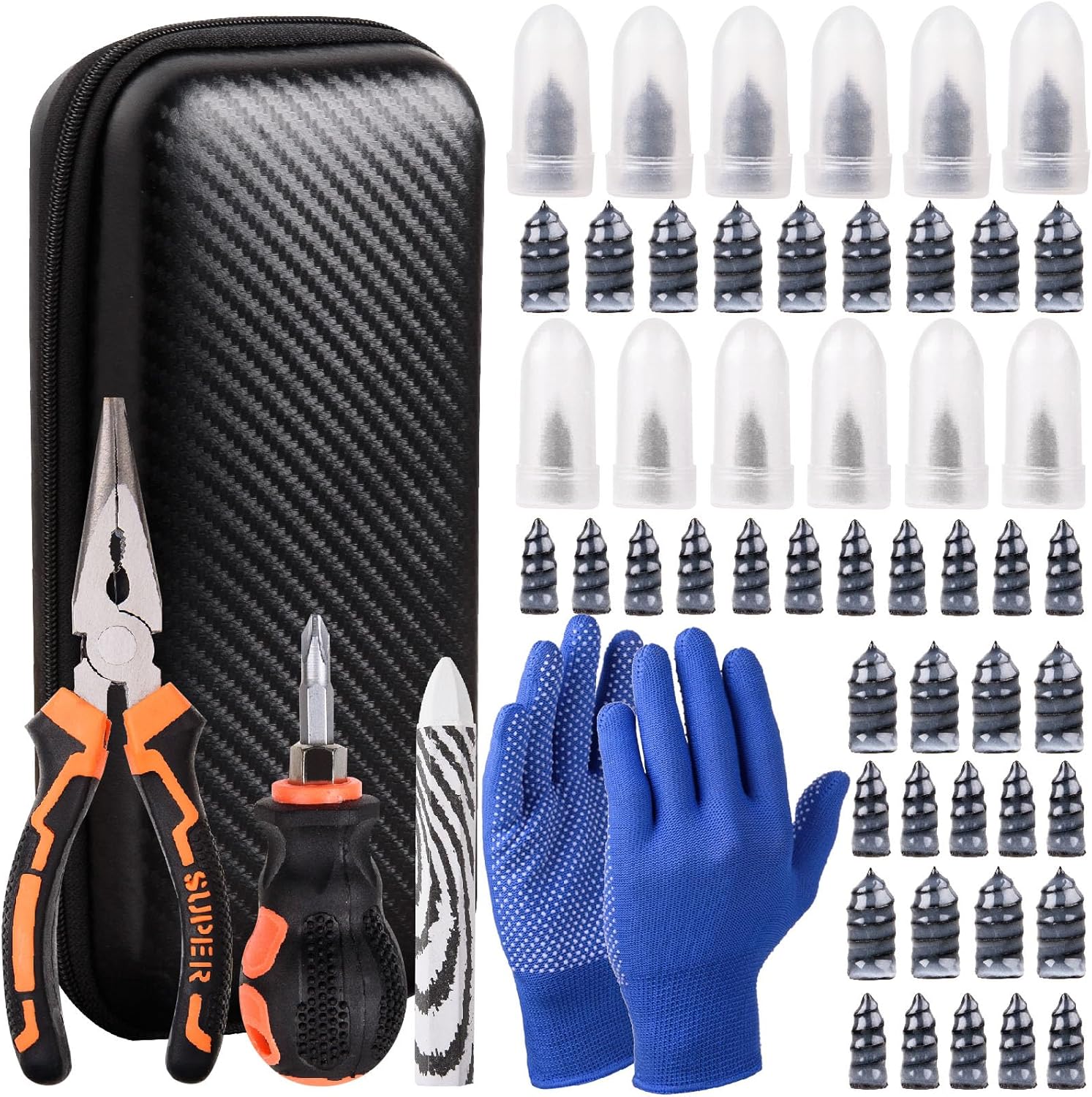
This tire sidewall puncture repair kit fixes flats fast without removing the tire, helping you get back on the road in minutes. It includes self-tapping repair nails, essential tools, gloves, and a portable storage bag for convenient roadside use. Designed for tubeless tires, it helps create a tight, leak-resistant seal for cars, motorcycles, trucks, SUVs, and ATVs.
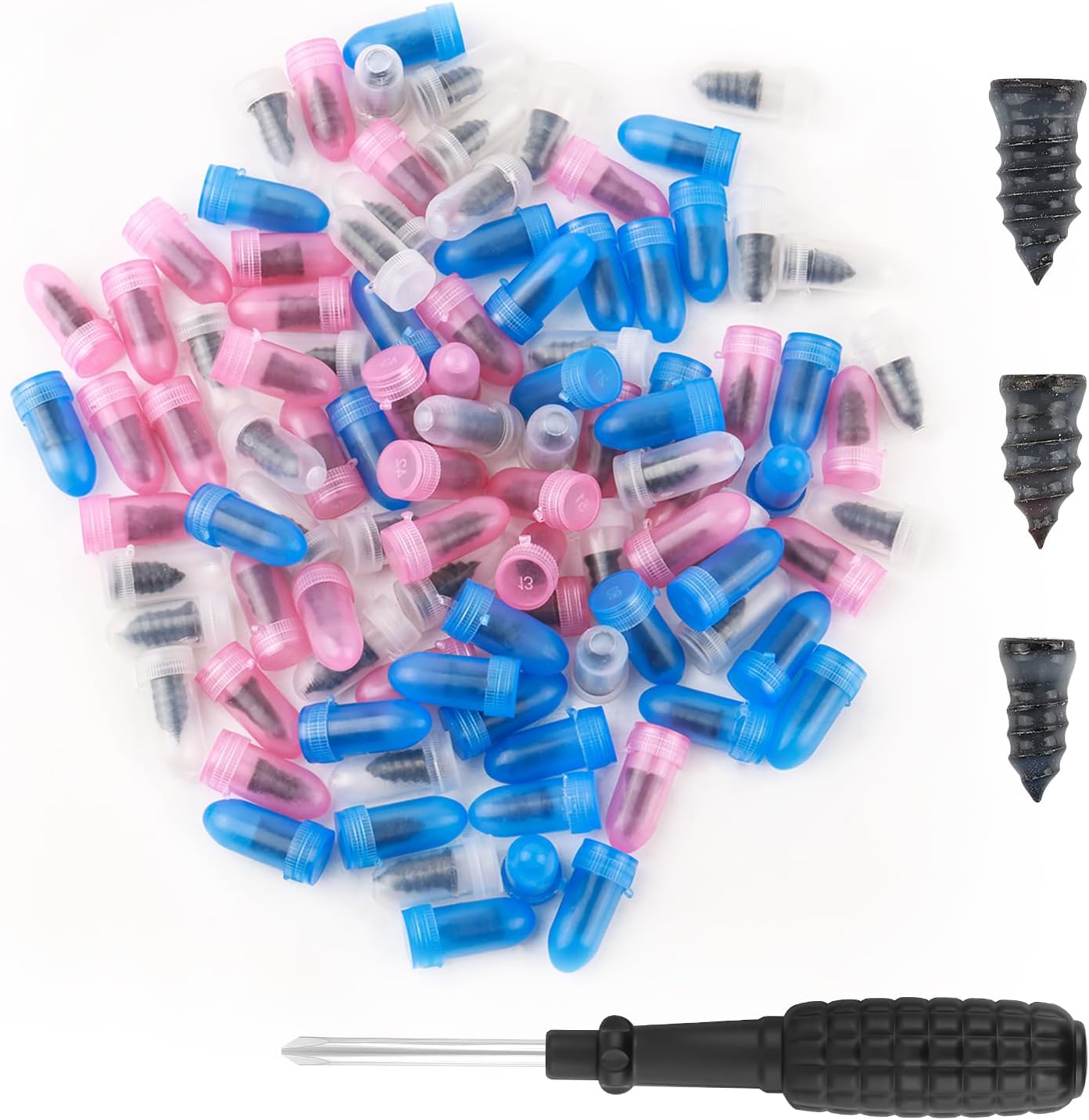
This 100-piece tire repair screw plug kit provides a fast, self-service solution for punctures on the road. Choose the correct plug size, insert it into the break, and screw it in to help seal the puncture and temporarily restore tire pressure. Thickened threads and rubber-wrapped plugs improve bite and sealing while remaining compact and easy to carry.
When to Call a Mechanic for Tire Repairs?

Call a mechanic or tire shop when the repair is outside the safe DIY range. That includes sidewall damage, shoulder damage, a puncture larger than 1/4 inch, repeated air loss, a tire that was driven flat, or any visible bulge, crack, exposed cord, or tread separation.
You should also get help if the tire is stuck on the hub, the lug nuts will not loosen safely, you do not have a level work area, or you are unsure where to place the jack. A damaged tire is cheaper to replace than a damaged wheel, suspension part, or unsafe repair.
Tire Maintenance Tips to Prevent Future Damage
Good tire care will not stop every nail puncture, but it reduces blowout risk and helps you catch problems early.
Regular Tire Inspections
Inspect your tires at least monthly and before long trips. Look for nails, screws, uneven wear, cracks, cuts, bulges, and low tread. Use a tread depth gauge when possible. If you use the penny test and can see the top of Lincoln’s head, the tread is at about 2/32 inch and the tire should be replaced.
2. Proper Inflation Levels
Check tire pressure when the tires are cold. Use the driver-door placard for the correct PSI, not the number molded into the tire sidewall. The sidewall number is a maximum pressure rating, not the recommended everyday inflation pressure for your Accord.
3. Avoid Potholes And Debris
Scan the road ahead and slow down when you see potholes, sharp debris, broken pavement, or construction areas. Hitting a pothole can damage the tire, wheel, belt package, or sidewall even if the tire does not go flat immediately.
4. Rotate Tires on Schedule
Rotate your tires according to your Accord’s Maintenance Minder or owner’s manual. Rotation helps even out tread wear, improves ride quality, and gives you another chance to spot punctures or sidewall damage early.
Frequently Asked Questions
Can I patch my Honda Accord tire myself?
You can use a temporary plug kit yourself if the puncture is small and in the tread area. For a permanent repair, the tire should be removed from the wheel, inspected internally, and repaired with a plug-patch combination if it qualifies.
How long can I drive on a patched tire?
A professionally inspected plug-patch repair may be safe for normal service if the tire is otherwise in good condition. A rope plug or sealant repair should be treated as temporary and used only to get to a tire shop as soon as practical.
Can I drive 2 miles on a flat tire?
No. Driving even a short distance on a flat tire can destroy the tire, damage the wheel, and create a loss-of-control risk. Stop safely, use the spare or repair kit if appropriate, or call roadside assistance.
Is it better to patch a tire or plug it?
For a lasting repair, it is not patch versus plug. The safest accepted repair uses both functions: a plug to fill the puncture channel and a patch to seal the tire’s inner liner after internal inspection.
What size tire puncture can be repaired?
A common repair limit is a tread puncture no larger than 1/4 inch, or 6 mm. Larger damage, shoulder damage, sidewall damage, and overlapping repairs usually require tire replacement.
Do I need to reset TPMS after a tire repair?
Some Honda Accord models require TPMS calibration after tire pressure is corrected, tires are rotated, or a tire is repaired or replaced. Check your owner’s manual or vehicle settings menu for the exact procedure.
Conclusion
Patching a Honda Accord tire at home can be useful in an emergency, but the safe answer depends on the damage. Use a temporary plug only for a small tread puncture, inflate the tire to the door-placard pressure, and check for leaks. For a repair you can trust long term, have the tire removed, inspected, and repaired with a proper plug-patch combination. If the damage is on the sidewall, shoulder, or a tire that was driven flat, replacement is the safer choice.
Sources
- U.S. Tire Manufacturers Association — Tire Repair Basics — repairable tread-area limits and internal inspection guidance
- Tire Industry Association — Tire Repair — plug-only and patch-only repair limitations
- NHTSA TireWise — tire pressure, tread, maintenance, and recall safety information
- Honda Owners — 2017 Accord Hybrid TPMS Information — cold tire pressure and placard guidance
- NHTSA Recall 26V366 — 2023–2026 Honda Accord Hybrid tire repair kit recall details
- Honda News — Tire Repair Kit Recall — Honda recall announcement and owner guidance

Related Articles
How Tall Is a 305 70 R17 Tire? Exact Height, Width & Dimensions
Curious how tall a 305 70 R17 tire really is—and whether it fits your truck?
Read More
Can-Am Defender Tire Size Guide: Stock Specs & Upgrade Options
Just how big can you go on a Can-Am Defender before mods become necessary?
Read More
How Tall Is a 275 65 20 Tire? Exact Height, Width & Dimensions
Check the exact height, width, and hidden fitment effects of a 275/65R20 tire before you buy or upgrade.
Read More