
Can You Drive All Terrain Tires Year Round on a Toyota Tacoma
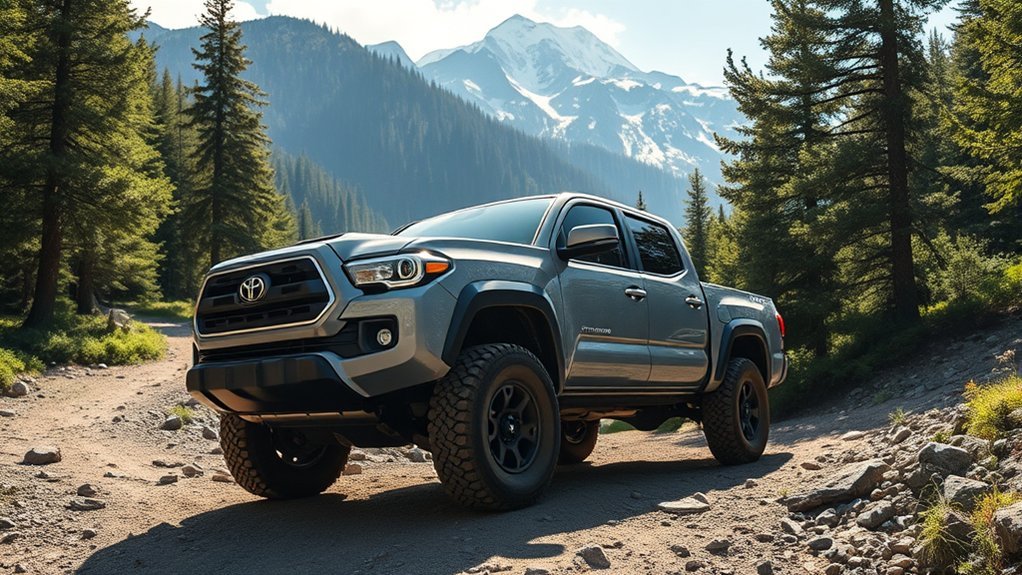
Yes, you can drive all-terrain tires year-round on your Toyota Tacoma. These tires offer versatility for both city streets and off-road trails, providing solid traction in various conditions, including mud and light snow. However, they may not perform as well in extreme winter weather compared to dedicated winter tires. Be aware that increased road noise and stiffer rides could be trade-offs. If you want to explore more about their benefits and maintenance, there’s plenty more to reflect on.
Can You Drive All-Terrain Tires Year-Round on a Toyota Tacoma?
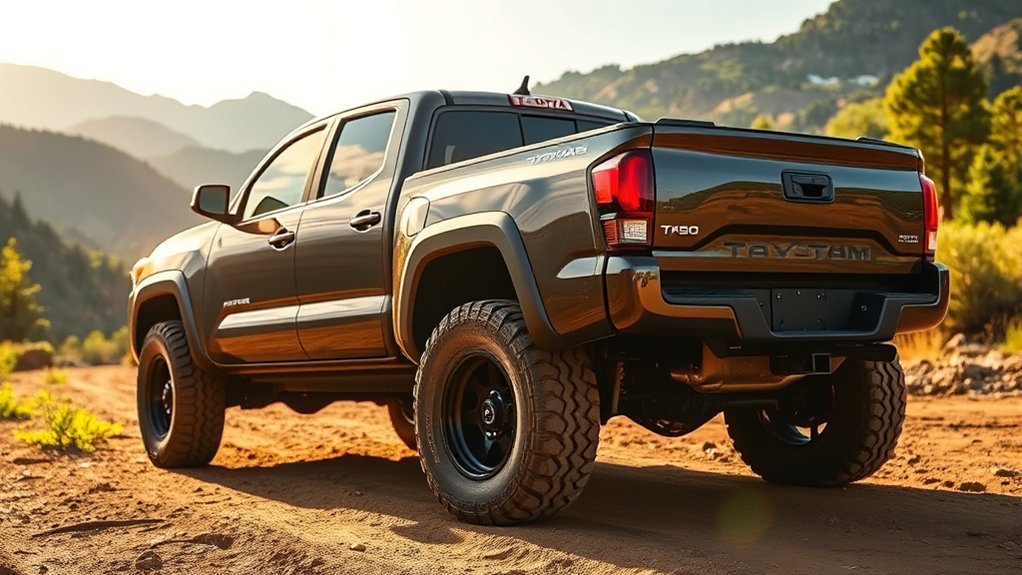
Can you confidently drive all-terrain tires year-round on your Toyota Tacoma? Absolutely! All-terrain tires, like the BFGoodrich All-Terrain T/A KO2, are engineered for diverse conditions, making them a solid choice for both on-road and off-road adventures. Their aggressive tread patterns provide exceptional traction, whether you’re traversing mud, snow, or city streets.
However, keep in mind that while these tires handle various terrains well, they might not match the snow traction of dedicated winter tires in severe weather. Tire noise can be a factor too; all-terrain options may produce more noise on highways compared to standard tires. Yet, many models, such as the Goodyear Wrangler Duratrac, are rated for severe snow, ensuring safety during winter months.
What’s Great About All-Terrain Tires?
When you choose all-terrain tires for your Toyota Tacoma, you’re investing in versatility that enhances your driving experience. These tires deliver impressive performance benefits, offering excellent traction on both off-road terrains and paved roads. With a deep, aggressive tread pattern, they grip mud, snow, and rocky surfaces while ensuring a smooth ride on highways.
What sets all-terrain tires apart is their tire durability. Advanced technologies, like the CoreGard found in the BFGoodrich All-Terrain T/A KO2, provide sidewall protection, ensuring longevity even in rugged conditions. Compared to mud-terrain tires, all-terrain options typically feature a longer tread life, making them a cost-effective choice for those who frequently switch between on-road and off-road adventures.
With options like the Goodyear Wrangler Duratrac, you can confidently tackle diverse weather conditions, enhancing your safety and freedom year-round. Enjoy the journey, no matter where the road—or trail—takes you!
How Do All-Terrain Tires Perform in Snowy Conditions?
When it comes to snowy surfaces, all-terrain tires can offer decent traction thanks to their aggressive tread designs. Technologies like TractiveGroove enhance grip, but remember, their performance varies with temperature. While they perform well in light to moderate snow, dedicated winter tires still reign supreme in harsh conditions.
Traction On Snowy Surfaces
While all-terrain tires like the BFGoodrich All-Terrain T/A KO2 excel in various conditions, their performance on snowy surfaces makes them a versatile choice for year-round driving. These tires often provide better snow performance than standard all-season options, thanks to their aggressive tread patterns. However, they may not deliver the same level of traction as dedicated winter tires in extreme conditions.
| Tire Model | Snow Performance |
|---|---|
| BFGoodrich All-Terrain T/A KO2 | Good |
| Goodyear Wrangler Duratrac | Very Good |
| Falken Wildpeak A/T3W | Excellent |
| Standard All-Season | Fair |
| Dedicated Winter Tire | Superior |
For many drivers, all-terrain tires offer a balanced performance, but those in heavy snowfall areas might still prefer winter-specific options.
2. Tread Design Importance
All-terrain tires stand out in snowy conditions largely due to their unique tread design. These aggressive tread patterns enhance snow traction, making your Toyota Tacoma capable in winter weather. Here’s what to evaluate:
- Deeper Treads: They prevent snow packing, ensuring better grip.
- TractiveGroove Technology: Found in models like the Goodyear Wrangler Duratrac, it boosts traction in mud and snow.
- Severe Snow Ratings: Tires like the Falken Wildpeak A/T3W are designed for icy conditions.
- On-Road Comfort: They provide a balance between off-road capability and smooth driving.
While all-terrain tires handle light to moderate snow well, dedicated winter tires are still the best choice for extreme conditions. Embrace the freedom of versatile driving without compromising safety!
3. Temperature Performance Variability
As temperatures drop, the performance of all-terrain tires in snowy conditions becomes increasingly significant for drivers of vehicles like the Toyota Tacoma. While tires like the BFGoodrich All-Terrain T/A KO2 offer decent traction in moderate snow, others, like the Goodyear Wrangler Duratrac, excel with their TractiveGroove Technology, enhancing grip and self-cleaning capabilities. However, all-terrain tires generally handle light to moderate snow well but struggle in extreme conditions. If you’re facing severe winter weather, dedicated winter tires are your best bet for ideal traction. The Falken Wildpeak A/T3W provides a solid balance for those who venture off-road, but it may be noisier on highways, reminding you that understanding temperature effects on tire performance range is essential for safer driving.
Do All-Terrain Tires Affect On-Road Comfort?
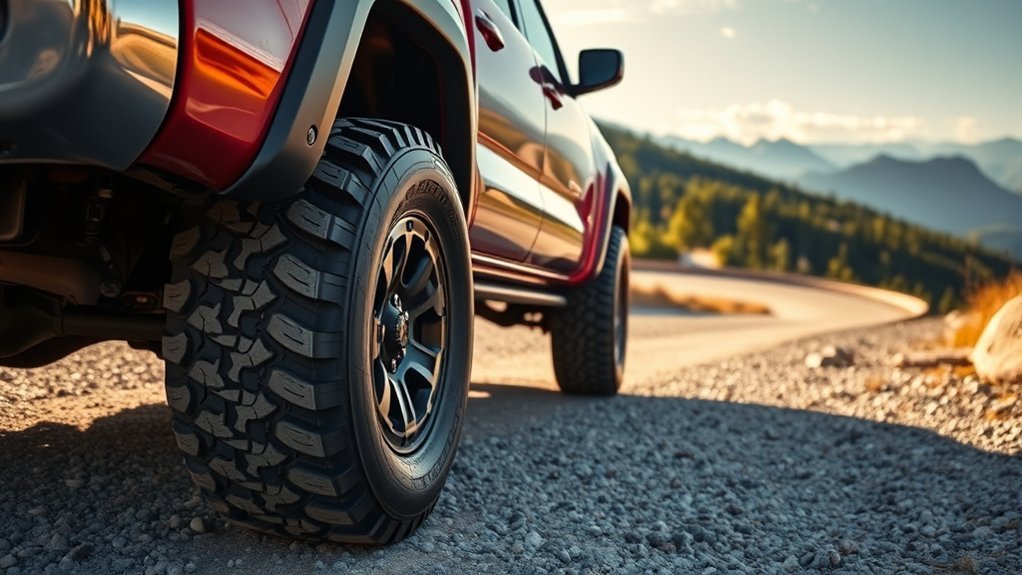
When considering the comfort of your ride, it’s essential to recognize that all-terrain tires can considerably impact on-road experience. While they excel off-road, several factors can affect your comfort level on paved surfaces:
- Increased On-Road Noise: The aggressive tread pattern often results in higher levels of road noise.
- Ride Stiffness: All-terrain tires tend to feel stiffer, offering less cushioning over bumps and imperfections.
- Handling Limitations: Their design may not provide the same smooth handling as dedicated all-season tires.
- Traction Trade-Off: While you gain superior traction off-road, it may come at the cost of a harsher driving experience on highways.
Many drivers appreciate the off-road capability despite these drawbacks. Ultimately, if you prioritize versatility and adventure, understanding these comfort compromises will help you make the right choice for your Toyota Tacoma.
Key Considerations for All-Terrain Tires
Choosing the right all-terrain tires for your Toyota Tacoma involves several key factors that can greatly affect your driving experience. First, consider the off-road capabilities of the tires. Look for models with deeper treads that enhance grip on mud, snow, and gravel. This versatility is essential for tackling various terrains year-round. However, keep in mind that while these tires excel off-road, they often produce more tire noise on highways, which might impact your comfort during long drives.
Additionally, all-terrain tires can wear more quickly on paved surfaces, so regular rotation and maintenance are important for longevity. Finally, check the temperature and weather performance ratings—some tires perform well in winter conditions, while others may struggle in snow or icy weather. By weighing these factors, you’ll be better equipped to choose tires that fit your adventurous lifestyle without compromising safety or comfort.
Comparing All-Terrain and All-Season Tires?
When you’re choosing between all-terrain and all-season tires, consider how each performs in diverse conditions. All-terrain tires shine with their aggressive tread design, offering superior traction for off-road adventures, while all-season tires provide a smoother ride on paved surfaces. Longevity and wear rates also differ greatly, impacting your overall driving experience and maintenance costs.
Performance In Diverse Conditions
While all-season tires may seem like a practical choice for most drivers, all-terrain tires, like the BFGoodrich All-Terrain T/A KO2, truly shine in diverse conditions. Their off-road capabilities and superior tread performance make them ideal for various terrains. Here’s why you might consider them:
- Traction: They provide exceptional grip in mud, snow, and rocky surfaces.
- Durability: Deeper tread patterns enhance long-lasting performance, even in rugged environments.
- Weather Handling: Their aggressive design helps navigate light snow and icy conditions better than all-season alternatives.
- Versatility: All-terrain tires adapt well from highways to backroads, ensuring you’re ready for any adventure.
If you’re seeking liberation from limitations, all-terrain tires can elevate your driving experience year-round.
2. Tread Design Differences
Understanding the differences in tread design between all-terrain and all-season tires is essential for optimizing your driving experience. All-terrain tires boast a deeper, more aggressive tread pattern, enhancing surface grip on uneven terrains like mud and snow. This rugged design excels in off-road conditions but can produce more road noise, compromising comfort on paved roads. In contrast, all-season tires feature a shallower tread pattern, prioritizing fuel efficiency and a quieter ride while providing reliable performance across various weather conditions. While all-terrain tires are robust and durable, ideal for harsher environments, all-season tires shine in daily driving scenarios. Choosing the right tire tread design ultimately depends on your driving needs and lifestyle.
3. Longevity And Wear Rates
- Lifespan: All-terrain tires last 40,000 to 60,000 miles, while all-season tires can reach 60,000 to 80,000 miles.
- Tread Design: Aggressive treads on all-terrain tires wear faster on paved roads, impacting tire durability.
- Maintenance: Regular rotation and alignment can extend lifespan, but all-terrain tires often wear quicker in urban settings.
- Environmental Impact: Heat and road conditions notably affect wear factors, with all-terrain tires deteriorating faster in warmer climates.
Choosing the right tire involves understanding these dynamics to balance performance and longevity effectively.
Top All-Terrain Tires for Your Tacoma
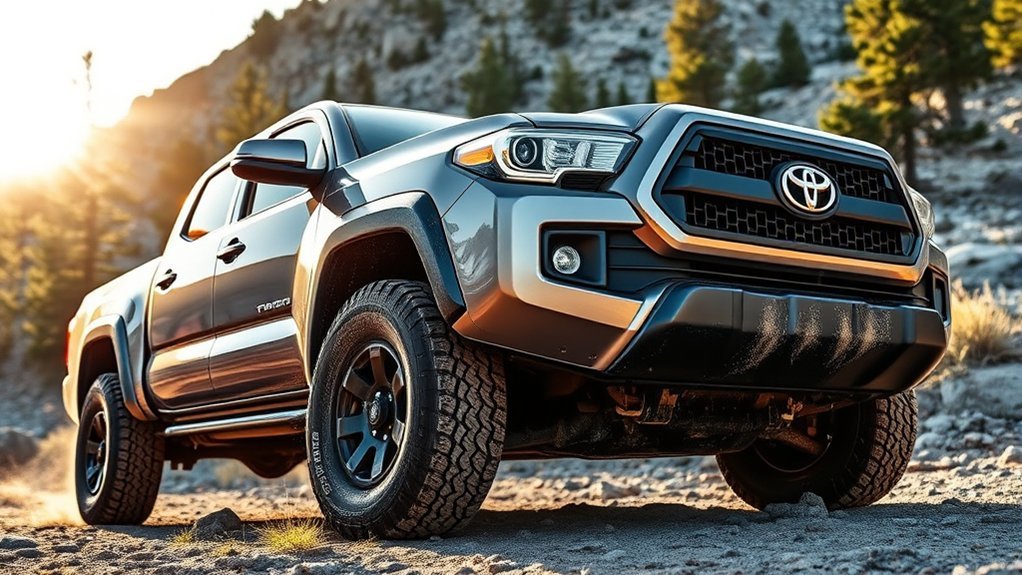
When it comes to choosing the right all-terrain tires for your Toyota Tacoma, you’ll find that versatility is key. The BFGoodrich All-Terrain T/A KO2 stands out for its durability and year-round traction, excelling in mud and snow. If winter performance is your priority, the Goodyear Wrangler Duratrac, with its TractiveGroove Technology, offers exceptional snow traction. For those who value comfort on highways, the Michelin LTX A/T2 guarantees a smooth, quiet ride while still handling light off-road conditions. Don’t overlook the Falken Wildpeak A/T3W, rated for severe snow, providing reliable performance in diverse weather scenarios. When selecting tires, consider tire sizing and load capacity to verify they fit your Tacoma’s specifications. These options combine capability and comfort, empowering you to tackle any terrain with confidence throughout the year.
Maintaining All-Terrain Tires for Longevity
To keep your all-terrain tires performing at their best, you need to stay on top of a few key maintenance practices. Regularly rotating your tires, ensuring proper inflation, and inspecting tread depth will greatly extend their lifespan and enhance your Tacoma’s handling. By following these steps, you’ll enjoy reliable performance across all terrains throughout the year.
Tire Rotation Schedule
Maintaining a consistent tire rotation schedule is essential for maximizing the lifespan of your all-terrain tires on a Toyota Tacoma. Regular rotations help prevent uneven tire wear, ensuring peak performance and comfort. Here’s what you need to know:
- Rotate your tires every 5,000 to 7,500 miles.
- Follow the manufacturer’s recommended rotation patterns, like front-to-back or crisscross.
- Regular rotations can extend tire life by up to 25%, saving you money on replacements.
- Always check tire pressure before rotation, as properly inflated tires enhance handling and lifespan.
Proper Inflation Practices
Proper tire inflation plays an essential role in guaranteeing the longevity and performance of your all-terrain tires on a Toyota Tacoma. Maintaining tire pressure between 30 to 35 PSI optimizes your driving experience. Regularly check your tire pressure, especially before long trips or after temperature changes, to prevent uneven wear and extend tire life. Under-inflated tires increase rolling resistance, reduce fuel efficiency, and heighten the risk of damage from road hazards. Conversely, over-inflation can lead to a harsher ride and diminished traction. Using a reliable digital tire pressure gauge guarantees accurate readings, maximizing inflation benefits. By prioritizing proper inflation practices, you can liberate your Tacoma’s potential, enjoying a smooth ride while preserving your all-terrain tires for longer use.
Seasonal Tread Inspection
Regular inspections of your all-terrain tires’ tread are essential for ensuring peak performance and safety throughout the year. Here’s what to focus on during seasonal inspections:
- Tread Depth: Maintain a minimum tread depth of 2/32 inches for ideal traction in varying conditions.
- Wear Patterns: Check for uneven wear patterns, which can signal misalignment or inflation issues.
- Rotation: Rotate your tires every 5,000 to 7,500 miles to promote even wear and enhance longevity.
- Sidewalls: Inspect for cuts, punctures, or bulges that could compromise tire integrity.
Trade-Offs of Using All-Terrain Tires Year-Round?
Using all-terrain tires year-round can offer a mix of advantages and drawbacks that drivers should carefully consider. While these tires excel in off-road conditions, they come with performance trade-offs on paved roads. Here’s a quick look at what you can expect:
| Aspect | Trade-Off |
|---|---|
| On-Road Comfort | Noisier ride compared to all-season tires |
| Snow/Ice Performance | Less effective than dedicated winter tires |
| Tread Life | Shorter lifespan on paved surfaces |
| Fuel Efficiency | Heavier, leading to lower mileage |
| Wear and Tear | Increased wear on highways |
Ultimately, the decision hinges on your typical driving conditions. If you often encounter varied terrains, all-terrain tires may suit you. However, if you primarily drive on highways, consider the potential downsides before making the switch.
Where to Buy All-Terrain Tires for Your Tacoma?
Wondering where to find the best all-terrain tires for your Toyota Tacoma? You’ve got plenty of options to choose from! Here’s a quick guide to help you navigate:
- Toyota of Orlando – Enjoy extensive warranties, discounts, and expert advice tailored to your Tacoma.
- Giga Tires – Explore over 45,000 products with a generous 45-day return policy for hassle-free online shopping.
- Local Installers – Check out PepBoys, Monro, and TireChoice, which partner with tire retailers for convenient installation services.
- Market Leaders – Brands like BFGoodrich and Goodyear are widely available through various retailers and online platforms, ensuring you find quality options.
Don’t forget to keep an eye out for promotions and rebates offered by tire retailers. With these resources, you’ll be well-equipped to find the perfect all-terrain tires for your Tacoma!
Frequently Asked Questions
Can All-Terrain Tires Be Used All Year-Round?
Yes, you can use all-terrain tires year-round. Their tread design offers solid performance benefits across various conditions, but keep in mind they might not match dedicated winter tires in severe snow or ice.
Is There a Downside to All-Terrain Tires?
“All that glitters isn’t gold.” All-terrain tires can increase tread wear and noise levels, leading to a rougher ride on pavement. While versatile, they might not always offer the comfort and efficiency you crave.
How Cold Is Too Cold for All Season Tires?
It’s generally too cold for all-season tires when temperatures drop below 7°C (45°F). At this point, tire performance deteriorates, risking winter safety. You should consider switching to winter tires for maximum grip and handling.
Conclusion
To sum up, driving all-terrain tires year-round on your Toyota Tacoma is definitely feasible, especially if you prioritize versatility. While some might worry about on-road comfort, many modern all-terrain tires offer a balanced ride without sacrificing performance. By choosing the right tire and maintaining it well, you can enjoy the benefits of enhanced traction and durability in various conditions. So, embrace the adventure—your Tacoma is ready for it all, no matter the season!

Related Articles
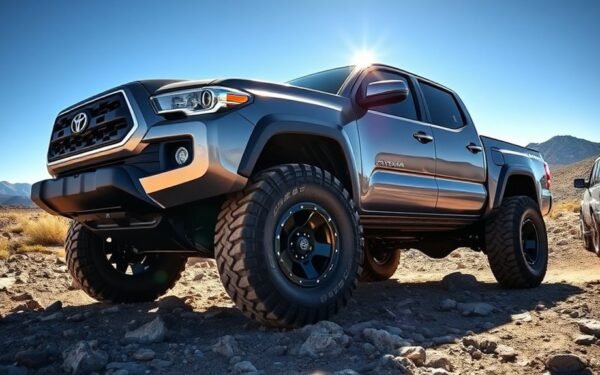
Do Off Road Tires Affect Toyota Tacoma Fuel Economy
Fuel economy in your Toyota Tacoma can be impacted by off-road tires; discover how to balance performance and efficiency effectively.
Read More
How To Prevent Tire Dry Rot on a Toyota Tacoma
Tire dry rot can jeopardize your Toyota Tacoma's performance; discover essential tips to protect your tires and extend their life.
Read More
Toyota Tacoma Tire Blowout Causes and Prevention
Tire blowouts in your Toyota Tacoma can be avoided with proper maintenance—discover essential tips to keep your tires safe and reliable.
Read More