
Dry Rotted Tires: 5 Signs, Safety Risks & Fixes
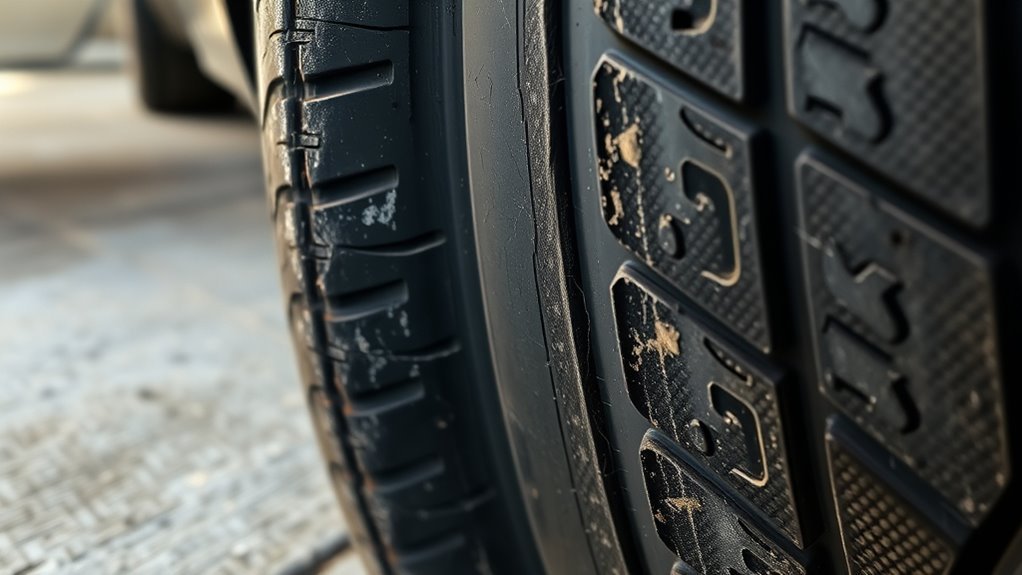
Dry-rotted tires can look harmless until a crack turns into a blowout. If you spot small surface cracks, gray discoloration, or hard, brittle rubber, treat the tire as a safety risk and avoid driving on it. This guide shows you how to spot dry rot, what causes it, when a tire may need repair, and when you should replace it.
Quick Answer
You should not drive on tires with clear dry rot, especially if cracks appear on the sidewall, rubber feels brittle, or cords show. Minor hairline tread cracking may need a tire professional’s inspection, but sidewall cracks usually mean replacement. Check pressure, avoid highway driving, and replace unsafe tires as soon as possible.
Key Takeaways
- Replace tires with deep cracks, exposed cords, bulges, or brittle sidewalls.
- Inspect tire sidewalls and tread every month for cracks, color changes, and air loss.
- Store unused tires in a cool, dry, shaded place away from fuel, oil, and ozone sources.
- Keep tires inflated to the vehicle placard pressure to reduce stress and heat buildup.
- Ask a tire professional to inspect any crack that spreads, deepens, or reaches the sidewall.
Is It Safe to Drive on Dry-Rotted Tires?
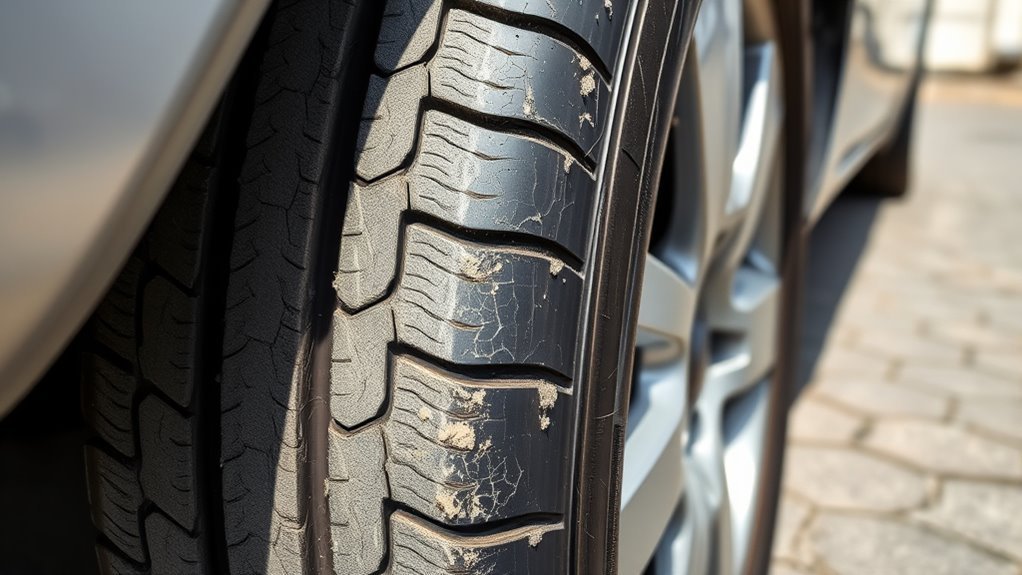
No, you should not drive on dry-rotted tires once cracks, brittle rubber, or exposed cords show. Dry rot weakens the tire’s structure, which raises the risk of air loss, tread separation, and sudden failure.
Cracks in the sidewall create the greatest concern because the sidewall flexes each time the tire rolls. If that weakened area fails at speed, you can lose control before you have time to react.
Warning: Do not use a tire with exposed cords, deep sidewall cracks, bulges, or crumbling rubber.
Dry rot also makes tread rubber harder, so the tire may grip poorly on wet roads. If you see significant cracking, stop using the tire and arrange replacement instead of relying on luck.
[Products Worth Considering]

EVOULTES heavy duty tire inflator with an integrated gauge delivers accurate pressure readings from 10–120 PSI, helping you inflate, deflate, and check tires in one tool. The 16.5-inch extended dual-head air chuck with swivel base reaches hard-to-access dual wheel valves on trucks and RVs. A brass trigger core and side-mounted air release valve make operation smooth, with standard 1/4" NPT threading and quick-connect compatibility for easy setup.

The Fanttik X10 Pro is a cordless portable tire inflator that reaches up to 150 PSI and can inflate an R15 tire in about 35 seconds for quick roadside or home top-ups. With AccuInFlate auto-stop and smart start/stop controls, it helps maintain accurate pressure and frees your hands once the target is reached. A high-visibility digital display and preset modes make it easy to set and monitor inflation for cars, motorcycles, bikes, and balls.

The JACO FlowPro Tire Inflator measures, inflates, and airs down tires up to 100 PSI with battery-free operation and ±2% accuracy after calibration. It features a glowing pressure dial for night visibility, a heavy-duty steel build with a hybrid hose, and a precision push-to-inflate thumb trigger. The patented Lightning Air Chuck locks on for a secure seal, and the kit includes quick-connect hardware for easy inline use with your air compressor.
How to Spot Tire Dry Rot: 5 Signs to Check Now
Tires show clear warning signs as the rubber ages and loses flexibility. Check all four tires in good light, including the inner sidewalls when you can see them safely.
- Surface cracks: Look for fine lines in the tread blocks or sidewalls. These cracks often spread and deepen over time.
- Gray or faded rubber: Watch for rubber that shifts from deep black to gray, chalky, or dull.
- Hard, brittle feel: Press the sidewall and tread by hand. Rubber that feels stiff or crumbly needs professional inspection.
- Frequent air loss: Track repeated pressure drops because cracks or bead leaks can let air escape.
- Exposed cords or large splits: Replace the tire at once if you see fabric, steel cords, deep gaps, or separated rubber.
Document what you see during each check. Photos help you compare changes and decide when cracks have started to spread.
What Causes Tire Dry Rot (Use, Storage, and Environment)
UV light, heat, ozone, chemicals, age, and long storage all speed up tire dry rot. These factors break down rubber compounds and reduce the tire’s ability to flex under load.
You may see faster damage when a vehicle sits unused for long periods. Regular movement helps tires flex, but sitting in one position can concentrate stress in the same area.
Storage conditions matter, too. Direct sunlight, damp areas, extreme heat, and contact with motor oil, fuel, or harsh cleaners can weaken the rubber faster.
- Park in shade or a garage when possible.
- Keep tires away from petroleum products and strong solvents.
- Store loose tires in a cool, dry, dark place.
- Keep tires inflated to the pressure listed on your vehicle placard.
These steps won’t repair old rubber, but they can slow new damage and help you spot problems early.
Repair or Replace? How to Decide and Immediate Safety Steps
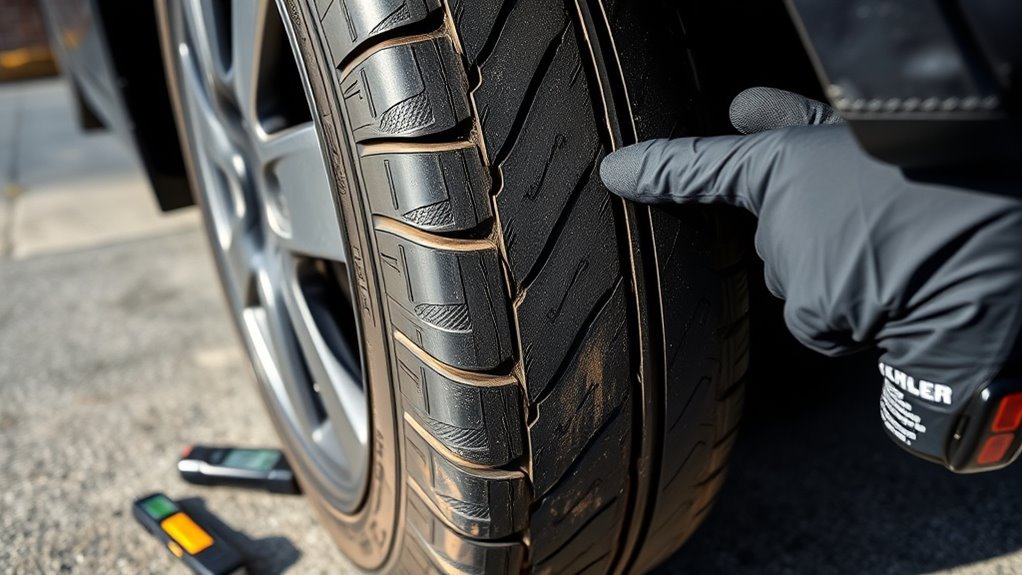
Use the crack location, crack depth, tire age, and rubber condition to decide your next step. A qualified tire technician should inspect any tire with dry rot before you keep using it.
Hairline cracks in the tread surface may not mean immediate failure, but they still show the rubber has started to age. Sidewall fissures, exposed cords, bulges, crumbling edges, or widespread brittleness mean you should replace the tire.
Note: Tire sealants and patches do not make dry-rotted sidewalls safe for normal road use.
If you find dry rot, avoid highway speeds and heavy loads until a professional checks the tire. Keep pressure at the vehicle’s recommended level only if the tire still holds air and shows no severe damage.
How Old Is Too Old for a Tire?
Tire age matters even when the tread looks deep. Rubber compounds age with time, sunlight, heat, and storage conditions, so tread depth alone can’t prove a tire remains safe.
Check the Department of Transportation (DOT) code on the tire sidewall. The last four digits show the week and year of manufacture, such as 2322 for the 23rd week of 2022.
Many tire and vehicle makers recommend replacing tires after about 6 to 10 years, depending on condition and use. Replace them sooner if cracks, air loss, bulges, or brittle rubber appear.
[Products Worth Considering]

This portable cordless tire inflator delivers up to 160 PSI with fast 17 L/min airflow to help you quickly top up tires and get back on the road. It features dual power mode, running on a 21V rechargeable battery or a 12V DC adapter for convenient roadside use. An automatic shut-off with digital pressure gauge helps prevent overinflation, and a built-in LED light improves visibility in low-light conditions.
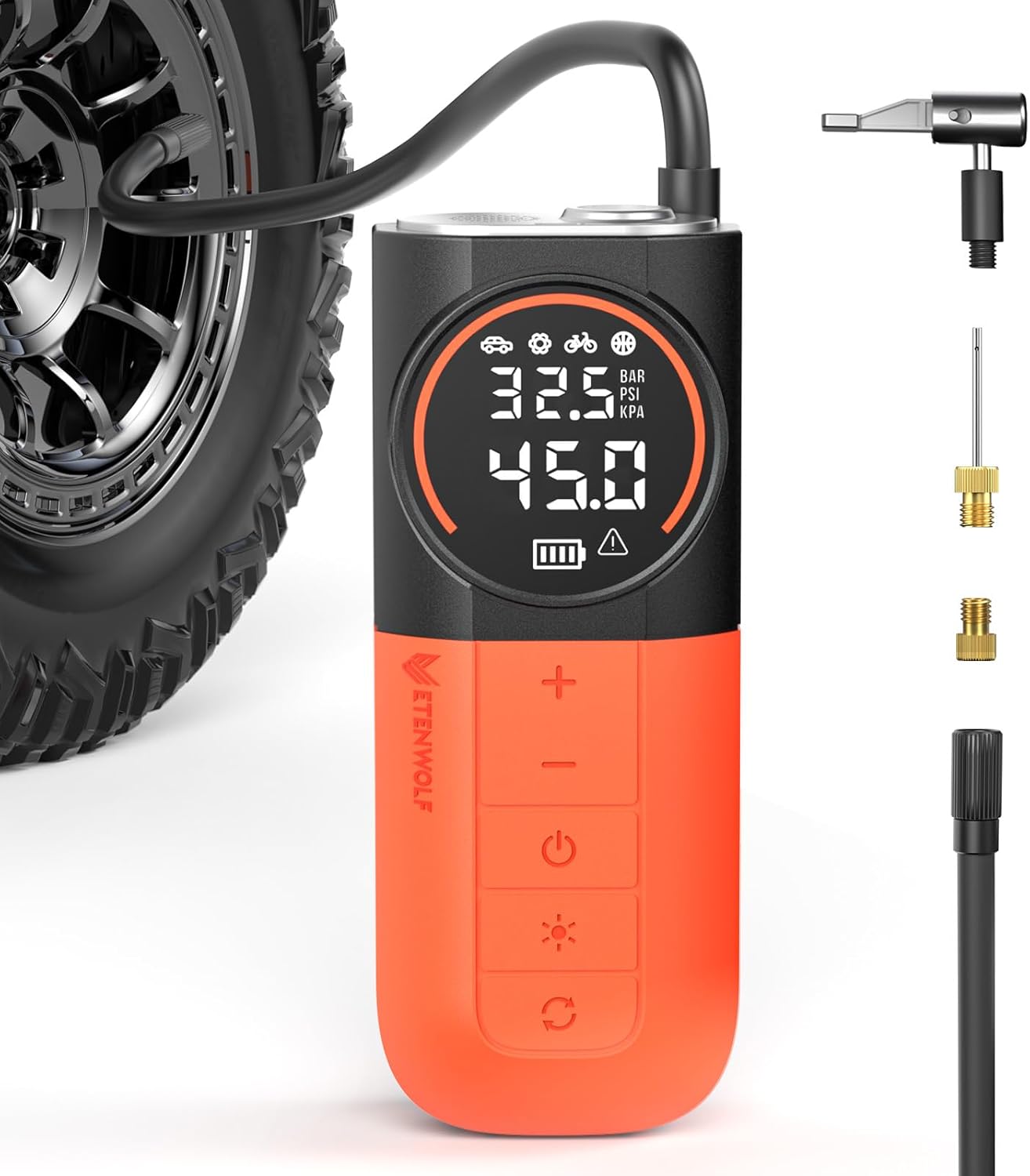
The ETENWOLF S1 cordless tire inflator delivers ultra-fast inflation with up to 160 PSI and a 20 L/min airflow for quicker tire top-offs. Its 5200mAh battery and cooling system support inflating many tires and sports balls on a single charge, while the digital pressure gauge and multi-unit display help you reach the right pressure accurately. With preset modes, pressure memory, an auto-stop feature, and an LED flashlight, it’s built for easy roadside and everyday use.
Preventing Tire Dry Rot: A Simple Monthly Maintenance Checklist
If you want to slow dry rot, make tire care part of your monthly routine. Start when the tires are cold and use a reliable pressure gauge.
- Inspect each tire: Check tread, outer sidewalls, and visible inner sidewalls for cracks or bulges.
- Verify inflation: Match pressure to the vehicle placard, not the number molded on the tire sidewall.
- Clean safely: Use water and mild soap, then rinse away dirt, salt, oil, and brake dust.
- Avoid harsh dressings: Skip petroleum-based products that can strip protective compounds from rubber.
- Track mileage: Plan rotations at the interval listed in your owner’s manual or service schedule.
Log each check so you can track wear patterns and spot changes early. If cracking spreads quickly, remove the tire from service and ask a tire professional to inspect it.
Frequently Asked Questions
How Often Should I Replace Tires With Dry Rot?
Replace dry-rotted tires when cracks look deep, rubber feels brittle, cords show, or the tire loses air often. Don’t wait for the next rotation or service visit if the sidewall has visible damage.
Is It Safe to Drive With Dry Rotted Tires?
No, dry-rotted tires can fail without much warning. You should avoid driving on them and get a professional inspection before using the vehicle again.
What Are the Signs of Tire Failure Due to Dry Rot?
Signs include visible tread or sidewall cracks, gray rubber, frequent air loss, bulges, and a hard or crumbly feel. Exposed cords or separated rubber mean the tire needs immediate replacement.
When to Worry About Dry Rot?
Worry when cracks deepen, spread across the sidewall, expose cords, or appear with air loss. You should also act fast if the tire feels brittle or shows bulges.
Can a Shop Repair a Dry-Rotted Sidewall?
A shop should not repair a dry-rotted sidewall for normal road use. Sidewall rubber flexes under load, so cracks in that area usually call for tire replacement.
Safety Disclaimer: This article is for informational purposes only and does not replace a professional tire inspection. Ask a qualified tire technician to inspect any tire with cracks, air loss, bulges, or visible structural damage.
Conclusion
Dry rot turns flexible rubber into a weak point, so you should treat cracked tires as a real safety risk. Replace any tire with deep cracks, exposed cords, bulges, or brittle sidewalls.
Check your tires monthly, keep pressure correct, and store unused tires away from sun, heat, and chemicals. Those simple habits help you catch damage early and keep your vehicle safer on the road.
References
- Tires — National Highway Traffic Safety Administration
- Tire Safety — National Highway Traffic Safety Administration
- Tire Care and Safety — U.S. Tire Manufacturers Association

Related Articles
AWD Tire Rotation Pattern: How Often and How to Do It
W**ondering the right AWD tire rotation pattern and timing? Discover the simple method, ideal schedule, and mistakes to avoid before your tires wear unevenly.
Read More
Wheel Damage: Types, Repair Options, and Costs
Many wheel damages look minor, but some hide costly safety risks—learn which repairs are worth it and when replacement is smarter.
Read More
Tire Balancing Weights: Types, Cost, and Why You Need Them
Precisely chosen tire balancing weights reduce vibration and wear, but which type fits your wheels and what it really costs may surprise you.
Read More