How to Know When to Replace Your Toyota Hilux Tires
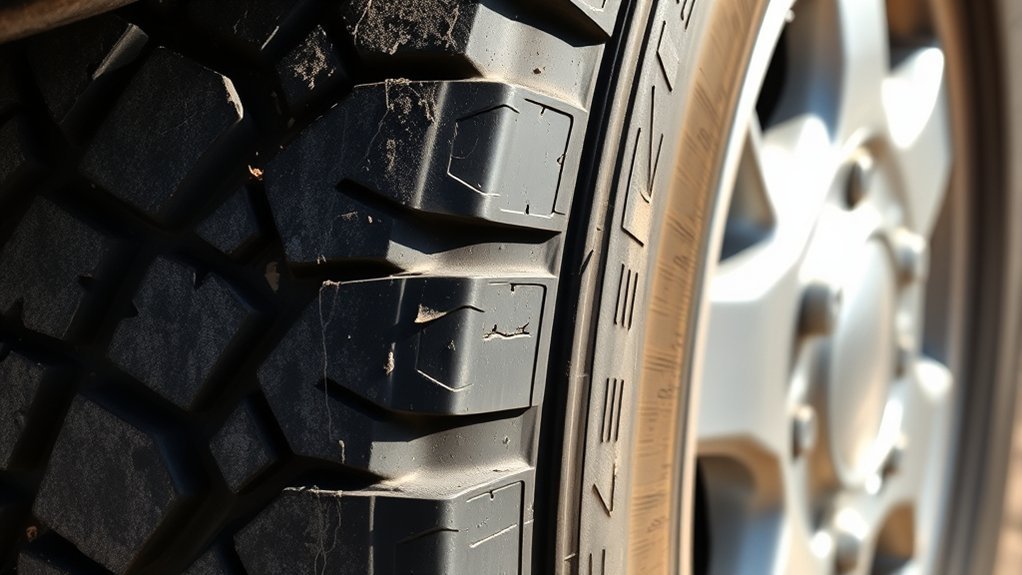
Knowing when to replace your Toyota Hilux tires is crucial for safety and performance. Check the tread depth; it should be at least 1/16 of an inch, using the penny test to confirm Lincoln’s head isn’t visible. Look for cracks or bulges on the sidewalls and watch out for uneven wear or vibrations while driving. Regular inspections are essential, so stick around to uncover more tips on maintaining tire health and longevity.
Understanding Tire Tread Depth for Your Toyota Hilux
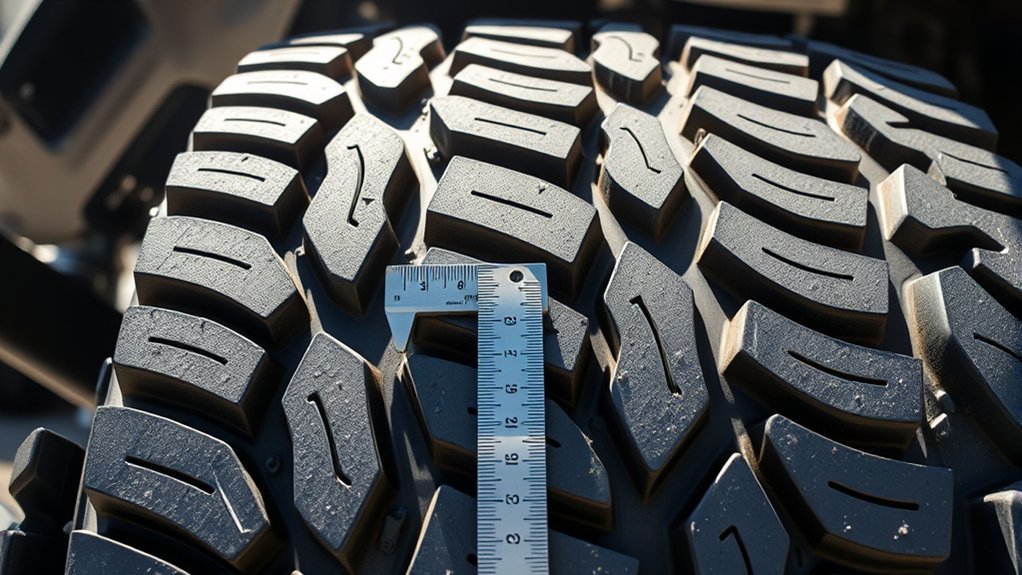
How can you guarantee your Toyota Hilux tires are safe and performing at their best? Start by understanding tire tread depth, a critical factor in maintaining traction. Your tires should have a minimum tread depth of 1/16 of an inch. You can easily check this using the penny test: insert a penny upside down between the treads, and if Lincoln’s head is visible, it’s time to replace your tires. Insufficient tread puts you at risk of hydroplaning, especially on wet roads, which compromises safety. Regularly monitor tread patterns for uneven wear, signaling potential issues like misalignment or improper tire pressure. Local road conditions, such as potholes, can accelerate this wear, highlighting the importance of timely inspections. By staying proactive about tread depth, you not only enhance performance but also guarantee your freedom on the road remains uncompromised.
How to Identify Aging Signs in Your Toyota Hilux Tires
While maintaining proper tread depth is essential for your Toyota Hilux’s performance, it’s equally important to keep an eye on tire aging. Tires should generally be replaced every 6 to 10 years, regardless of tread wear, due to rubber deterioration over time. Regularly inspect your tires for signs of cracking or bulging on the sidewalls; these can indicate age-related damage that jeopardizes tire integrity.
To assess your tires’ age, locate the DOT code on the sidewall, which reveals the week and year of production. Even if the tread appears sufficient, age-related wear can diminish performance and increase the risk of blowouts. Consult a professional technician to evaluate older tires for hidden issues that may escape casual inspection. Staying vigilant about these signs will guarantee your Hilux remains safe and reliable on the road.
How to Spot Uneven Wear Patterns on Your Tires
When you’re inspecting your Toyota Hilux tires, keep an eye out for uneven wear patterns, as they can indicate alignment issues or improper inflation. Look for bald spots or noticeable differences in tread depth, which could signal potential suspension problems. Regular inspections are essential; they not only enhance your vehicle’s handling but also help prevent risky blowouts.
Common Causes of Uneven Wear
If you notice your Toyota Hilux isn’t handling quite right, it might be time to check for uneven tire wear. Common causes include incorrect tire pressure, irregular rotation schedules, and environmental factors like potholes. These can lead to bald spots or excessive wear on one side, signaling alignment or suspension issues. Regular inspections and the penny test can help identify these problems early.
| Cause | Description |
|---|---|
| Incorrect Tire Pressure | Can cause uneven tread wear and reduced grip. |
| Poor Rotation Schedule | Fails to distribute wear evenly across tires. |
| Environmental Factors | Road conditions can accelerate wear and tear. |
Addressing these issues promptly can enhance your vehicle’s performance and safety.
Signs of Alignment Issues
Uneven tire wear can often signal alignment issues that need your attention. Spotting these alignment symptoms early can greatly preserve your tire performance. Here are some key indicators to watch for:
- Bald spots or excessive wear on one side of the tire
- Discrepancy in tread depth between the inner and outer edges
- Your Toyota Hilux pulls to one side while driving
- Uneven tire wear patterns developing rapidly
- Vibration in the steering wheel during normal driving
Regular visual inspections are essential. If you notice any of these signs, it’s best to get a professional alignment check. Addressing alignment issues promptly will enhance safety and extend the lifespan of your tires, allowing you to enjoy your ride without worry.
Importance of Regular Inspections
Regular tire inspections are crucial for maintaining your Toyota Hilux’s performance and safety. Uneven wear patterns can signal alignment or inflation issues, compromising your ride. Look for bald spots or one-sided wear; these indicate it’s time for adjustment or replacement.
| Wear Pattern | Possible Cause | Action Needed |
|---|---|---|
| Bald Spots | Under-inflation | Inflate to correct pressure |
| One-Sided Wear | Misalignment | Professional realignment |
| Uneven Tread Wear | Tire pressure issues | Check and adjust pressure |
| Tread Depth Issues | Worn tires | Replace tires |
Check tire pressure monthly and use the penny test to evaluate tread depth. Schedule professional inspections biannually to uncover hidden problems and guarantee peak performance.
Spotting Damage That Needs Quick Fixing
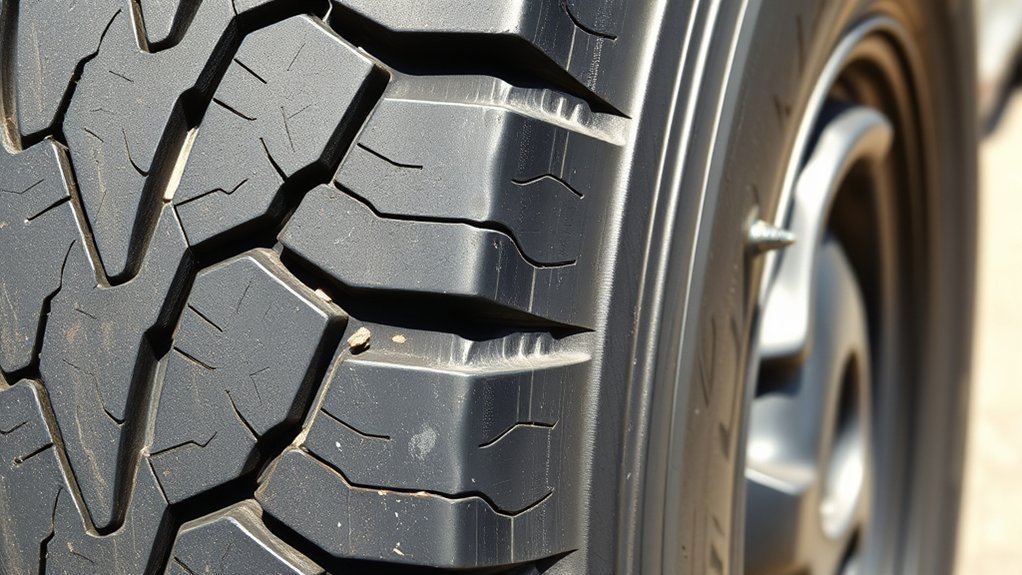
When inspecting your Toyota Hilux tires, keep an eye out for common damages like cracks, bulges, and punctures that can threaten your safety. If you notice any sidewall blisters or deep cuts, don’t wait—get them checked immediately. Also, watch for uneven wear patterns or excessive vibrations while driving, as these could signal urgent issues that need swift attention.
Common Tire Damages
Spotting tire damage early can save you from serious safety risks on the road. Regular visual inspections are essential to identify potential issues. Here are common tire damages you should watch for:
- Tire bulges: Indicate weakness and can lead to blowouts.
- Sidewall cracks: Suggest deterioration and compromise structural integrity.
- Air loss: Often caused by small punctures needing immediate repair.
- Tread separation: Can drastically affect handling and safety.
- Tire age: Tires older than six years may harbor hidden damage.
Addressing these concerns promptly can prevent accidents and enhance your driving experience. Always consult a professional for serious issues to guarantee your Toyota Hilux stays safe and road-ready.
Signs of Urgent Issues
Tires can develop critical issues that demand your immediate attention, especially if you notice cracks, bulges, or blisters on the sidewalls. These tire bulges can lead to blowouts, requiring urgent inspection. Look for visible puncture signs or deep cuts that compromise tire integrity, increasing the risk of flats. Regular visual checks for uneven tread wear can signal alignment problems needing swift action. If a tire consistently loses air, even post-repair, it may have serious internal damage, warranting immediate replacement. Excessive vibrations or unusual noises while driving also indicate underlying issues. Stay alert to these signs to guarantee your safety on the road.
| Issue | Action Needed |
|---|---|
| Cracks/Bulges | Immediate inspection |
| Puncture Signs | Prompt repair/replacement |
| Uneven Tread Wear | Check alignment |
Understanding How Vibration and Noise Signal Tire Problems

As you drive, excessive vibration and noise can signal underlying tire issues that shouldn’t be ignored. Recognizing these signs early can prevent more significant problems and enhance your driving experience. Here are key points to take into account:
- Vibration causes: Uneven tire wear or internal damage can create excessive vibration.
- Noise implications: Noisy tires may indicate tread separation or alignment problems.
- Suspension impact: Poor suspension can exacerbate both vibration and noise, affecting overall performance.
- Cupping concerns: Consistent vibrations at high speeds often point to cupping, necessitating professional evaluation.
- Safety risks: Ignoring these signs can lead to serious mechanical issues and compromise your safety on the road.
Stay attentive to these sensations. Early detection and timely inspections are essential for maintaining your Toyota Hilux’s performance and ensuring a safe driving experience.
The Importance of Regular Tire Inspections
Regular tire inspections are vital for maintaining the safety and performance of your Toyota Hilux. These checks not only highlight issues like low tread depth and cracks but also guarantee peak tire integrity through consistent pressure monitoring. By incorporating the penny test during your inspections, you can quickly assess tread depth, assuring your tires provide adequate traction for safe driving.
Here’s a table summarizing the tire inspection benefits:
| Benefit | Description | Routine Maintenance Importance |
|---|---|---|
| Safety | Identifies issues like bulges or cracks | Prevents accidents and blowouts |
| Performance | Maintains peak tire pressure | Enhances fuel efficiency |
| Longevity | Uncovers hidden problems with alignment | Extends tire life |
| Cost-Effectiveness | Reduces unexpected repair costs | Saves money in the long run |
Regular inspections are a vital part of your routine maintenance that shouldn’t be overlooked.
When to Seek Professional Help for Your Toyota Hilux Tires?
After completing your tire inspections, it’s important to recognize when a professional’s expertise is needed for your Toyota Hilux. Guaranteeing tire safety isn’t just about what you can see; a professional evaluation can uncover hidden issues that might compromise your driving experience. Keep an eye out for these signs:
- Visible cracks, bulges, or punctures
- Consistent air pressure loss or uneven wear
- Tires older than 6-10 years
- Unusual vibrations or noise while driving
- Regular maintenance needs that exceed your skills
If you notice any of these issues, don’t hesitate to consult a trained technician. They’ll assess your tires against Toyota specifications, helping you avoid potential blowouts and guarantee peak performance. Remember, a proactive approach can save you from costly repairs and enhance your driving safety. Don’t underestimate the significance of professional evaluation—your tires are essential to your Hilux’s safety and performance.
Tire Maintenance Tips for Longevity
To guarantee your Toyota Hilux tires last as long as possible, it’s important to adopt a proactive maintenance routine. Start by regularly checking your tire pressure; under-inflated tires wear out faster and can compromise your safety. Use the penny test to monitor tread patterns—if Lincoln’s head is visible, it’s time to evaluate replacements to assure peak traction.
Inspect your tires monthly for visible damage like cracks or bulges, which can lead to blowouts. Don’t forget to rotate your tires every 5,000 to 7,500 miles. This promotes even wear, especially if you often drive on uneven surfaces. Finally, keep an eye on your tires’ age; replace them every 6 to 10 years, regardless of tread condition, to avoid rubber deterioration. By following these tips, you’ll enhance your tires’ longevity and enjoy a safer, smoother ride.
Frequently Asked Questions
How Often Should I Rotate My Toyota Hilux Tires?
You should rotate your Toyota Hilux tires every 5,000 to 7,500 miles. This rotation schedule helps even out tire wear, extending their lifespan and ensuring your vehicle maintains peak performance on the road.
What Tire Pressure Should I Maintain for My Hilux?
Maintaining tire pressure is like keeping a balloon inflated—too low and it sags. For your Hilux, aim for 30-35 PSI, adjusting based on your driving habits for peak performance and safety.
Can I Mix Different Tire Brands on My Hilux?
Mixing different tire brands on your Hilux can affect tire performance and tread wear. It’s best to stick with the same brand and model to guarantee peak handling and safety on the road.
What Is the Lifespan of Toyota Hilux Tires?
Think of tires like shoes; they wear down over time. Typically, your Toyota Hilux tires last around 40,000 to 70,000 miles. Monitor tire wear and tread depth regularly to guarantee safety and performance.
How Do I Choose the Right Tires for My Hilux?
To choose the right tires for your Hilux, consider tire types that match your driving style and terrain suitability. Off-road, all-terrain, or highway options can enhance performance and safety based on your adventures.
Conclusion
In summary, knowing when to replace your Toyota Hilux tires is essential for your safety and performance. Regularly check tread depth, watch for aging signs, and look out for uneven wear. Spotting damage early can save you from bigger issues. Listen for unusual vibrations and noises, and don’t hesitate to seek professional help when needed. With proper maintenance, you’ll guarantee your tires last longer, perform better, and keep you safe on the road.

Related Articles

Toyota Hilux Lug Nut Replacement: A Step-by-Step Guide
Be ready to ensure your Toyota Hilux's wheels are secure; discover essential steps for replacing lug nuts safely and effectively.
Read More
When and How to Replace a Toyota Hilux TPMS Sensor
Know when and how to replace your Toyota Hilux TPMS sensor for optimal performance—discover essential tips to avoid costly mistakes!
Read More
Toyota Hilux Wheel Rim Damage: When to Repair vs Replace
Optimize your Toyota Hilux’s performance by understanding wheel rim damage—discover when to repair or replace to ensure safety and ride quality.
Read More