
How to Store Toyota Hilux Tires to Make Them Last
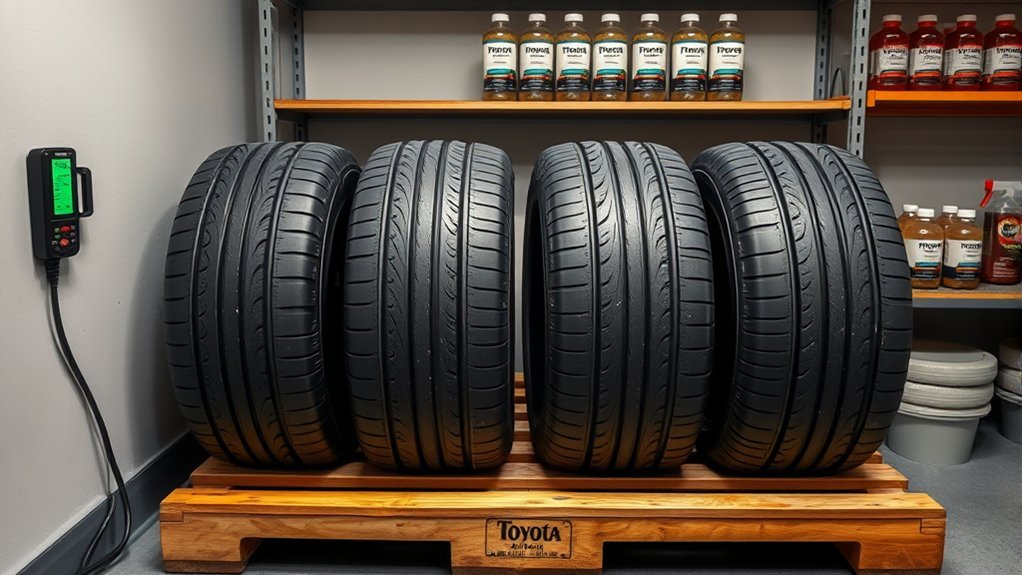
Storing Toyota Hilux tires the right way is simple, but the details matter. Clean and dry the tires, check them for damage, keep them away from heat, sunlight, moisture, petroleum products, and ozone sources, and choose the correct storage position based on whether the tires are mounted on rims or unmounted.
Quick Answer
To store Toyota Hilux tires, wash off dirt and brake dust, dry them fully, inspect for tread depth and damage, and keep them in a cool, dry, dark indoor space. Store mounted tires stacked or hung; store unmounted tires upright. Recheck condition and placard PSI before refitting.
Key Takeaways
- Clean tires with mild soap and water, then dry them completely before storage.
- Store tires indoors when possible in a clean, dry, shaded area away from fuel, oil, solvents, heat, and ozone sources.
- Mounted tires can be stacked or hung; unmounted tires should stand upright for normal home storage.
- Before reinstalling, inspect tread, sidewalls, beads, valve stems, and DOT age, then inflate to the Hilux tire placard pressure.
At a Glance
| Time Required | 30–60 minutes for a set of four tires |
| Difficulty | Easy |
| Tools Needed | Mild soap, water, tire brush, clean towels, tire pressure gauge, tread depth gauge or penny, tire bags, labels, and a rack or pallet |
| Cost | Usually $0–$40 for basic supplies; professional tire storage may cost more |
Why Proper Tire Storage Is Essential for Your Toyota Hilux
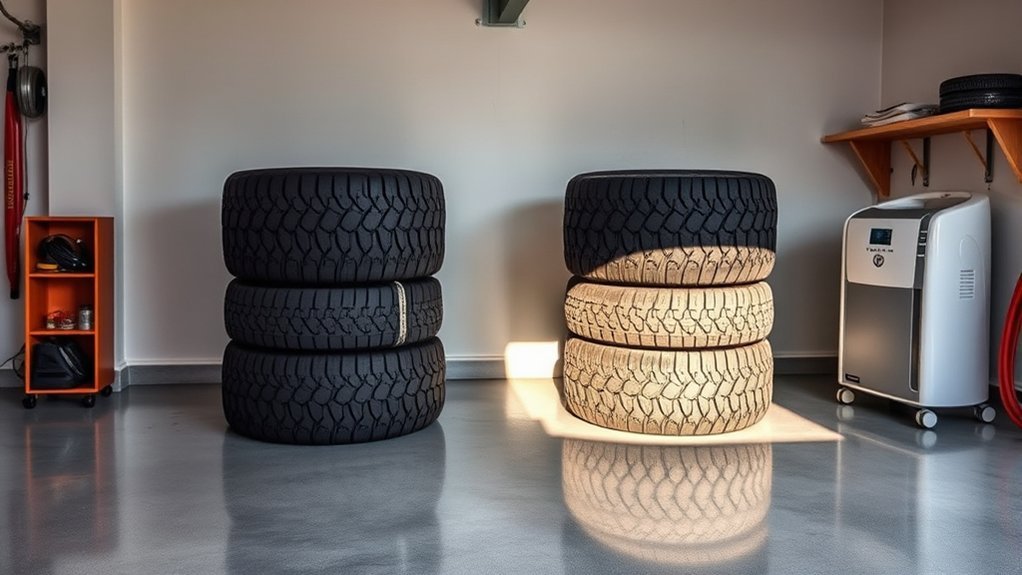
Proper tire storage protects the rubber, tread, sidewalls, beads, and wheel assemblies from damage during long periods of inactivity. Tires can be harmed by poor storage conditions, especially direct sunlight, excess moisture, heat, ozone, petroleum products, and sharp surfaces. The U.S. Tire Manufacturers Association recommends indoor storage to protect tires from sunlight, ozone, and other damaging conditions.
For a Toyota Hilux that sees off-road tracks, towing, job-site work, or heavy loads, storage care is even more important. Mud, stones, brake dust, and road chemicals left on the tire can stay trapped in the tread and speed up deterioration while the tires are sitting.
Warning: Never reinstall a tire that has deep cracks, bulges, exposed cords, bead damage, severe uneven wear, or tread worn to 2/32 inch. Have questionable tires checked by a tire professional before driving.
[Products Worth Considering]

Adam’s Pro Tire Hex Grip applicators are molded foam sponges designed for precise, even tire dressing application. The ergonomic grip helps you spread product without overapplying, reducing sling that can splash onto paint and helping keep your hands clean during wheel and trim detailing. They’re durable, washable, and reusable for repeated detailing sessions.

This oesee 8-piece wheel care kit helps you clean, scrub, and dry wheels safely with purpose-built brushes and towels. The scratch-free microfiber wheel brush lifts brake dust and grime, while the stiff pro-grip tire brush removes tire browning and embedded dirt. A twist loop microfiber drying towel and an applicator help achieve a streak-free finish and cleaner, more even product application.

The JACO FlowPro Tire Inflator measures, inflates, and airs down tires up to 100 PSI with battery-free operation and ±2% accuracy after calibration. It features a glowing pressure dial for night visibility, a heavy-duty steel build with a hybrid hose, and a precision push-to-inflate thumb trigger. The patented Lightning Air Chuck locks on for a secure seal, and the kit includes quick-connect hardware for easy inline use with your air compressor.
Preparing Your Tires: A Step-by-Step Guide
Before removing your Hilux tires, mark each tire’s position with a label such as “front left,” “front right,” “rear left,” and “rear right.” This helps you rotate the tires correctly when they go back on, following your owner’s manual or tire professional’s advice.
- Inspect each tire first. Look for cuts, cracks, bulges, nails, stones, bead damage, sidewall discoloration, uneven wear, and exposed cords.
- Check tread depth. The NHTSA TireWise guide says tires are not safe and should be replaced when tread is worn to 2/32 inch.
- Check the DOT date code. The last four digits of the DOT Tire Identification Number show the week and year the tire was made. Older tires should be inspected carefully even if the tread looks acceptable.
- Remove stones and debris. Clean out tread grooves before storage so trapped objects do not press into the rubber.
- Clean and dry the tire. Wash with mild soap and water, then dry completely before bagging or storing.
- Bag the tires if possible. Use clean, opaque tire bags or heavy plastic bags and remove as much air as practical before sealing. This helps reduce exposure to air, dust, and ozone.
Note: Do not use petroleum-based dressings, oily cleaners, fuel, solvents, or harsh tire shine products before storage. If you want to use a tire product, only use one approved by the tire manufacturer.
How to Clean Your Hilux Tires Before Storage
Cleaning is not cosmetic only. Dirt, brake dust, mud, and road grime can hold moisture against the rubber and wheels. A clean tire is also easier to inspect before you put it away.
Cleaning Techniques Overview
- Use mild soap, water, and a tire brush.
- Scrub the tread blocks, grooves, sidewalls, and bead area.
- Rinse thoroughly so soap residue does not remain on the rubber.
- Remove stones, nails, glass, or other embedded debris.
- Clean wheels too if the tires are mounted on rims.
Drying and Protecting Tires
After cleaning, dry each tire with a clean towel and let it air-dry fully before storage. Moisture trapped in bags, against wheels, or between stacked tires can encourage corrosion, staining, and mildew. Only bag tires once they are completely dry.
Pro Tip: Take quick photos of each tire before storage. Capture tread depth, sidewalls, DOT date, and any existing scuffs so you can compare condition before reinstalling.
Inspect Your Tires for Damage and Wear
Inspection is the safety step you should not skip. Check every tire before storage and again before refitting it to your Hilux.
- Sidewalls: Look for cracks, bulges, cuts, weather checking, and discoloration.
- Tread: Check for uneven wear, feathering, cupping, punctures, and tread depth.
- Bead area: Look for tears, distortion, or damage where the tire seals against the rim.
- Valve stems: Check for cracking, leaks, or looseness if tires are mounted on wheels.
- Age: Read the DOT date code and follow the tire or vehicle manufacturer’s service-life guidance.
If one tire shows unusual wear, the issue may be alignment, suspension, tire pressure, wheel balance, or load related. Fix the cause before putting the tires back into regular service.
Where’s the Best Place to Store Your Tires?
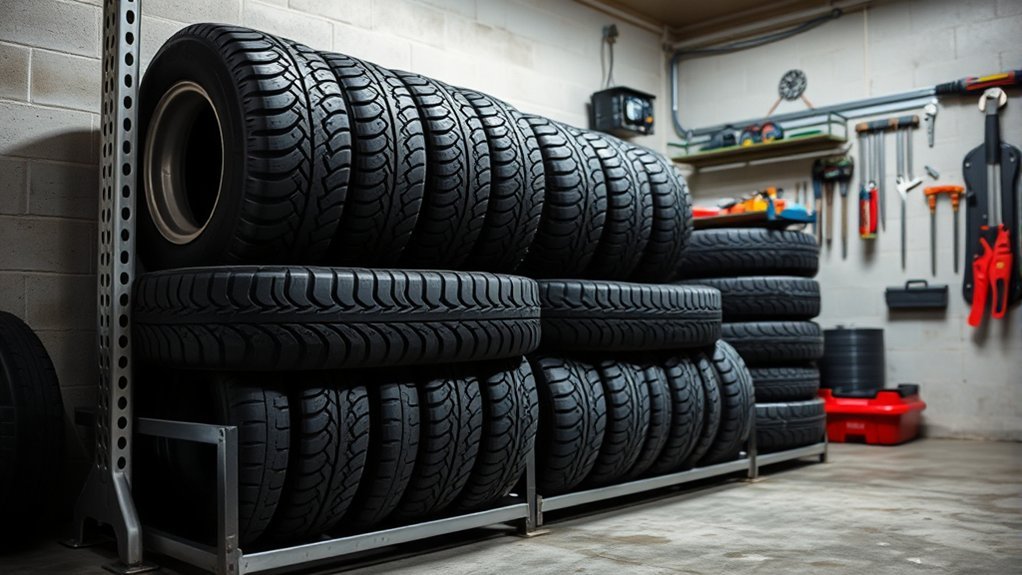
The best place to store Toyota Hilux tires is indoors in a clean, dry, dark, well-ventilated area with mild, stable conditions. A basement, interior storage room, or climate-controlled garage is usually better than an exposed shed, sunny balcony, or hot attic.
Ideal Indoor Locations
Choose a location that keeps tires away from direct sunlight, rain, standing water, heaters, welding equipment, battery chargers, electric motors, fuel, oil, and solvents. The Michelin tire storage guide recommends a cool, dry, clean indoor environment and warns against long outdoor storage.
Keep tires off damp concrete or soil by using a smooth pallet, shelf, or tire rack. Avoid grated metal surfaces, protruding nails, sharp edges, and anything that can leave pressure marks during long storage.
Outdoor Storage Considerations
Outdoor storage should be temporary. If you have no indoor option, raise the tires off the ground and use an opaque waterproof cover with ventilation. Ventilation matters because a sealed cover in the sun can create a heat box or trap moisture around the rubber.
| Storage Risk | What to Do | Why It Matters |
|---|---|---|
| Moisture | Raise tires on a smooth pallet or rack | Reduces exposure to damp surfaces |
| Sunlight and heat | Use shade, indoor storage, or an opaque ventilated cover | Helps prevent drying and cracking |
| Chemicals and ozone | Keep tires away from fuel, oil, solvents, chargers, motors, and welding equipment | Protects the rubber compound from deterioration |
Temperature and Humidity Control
Avoid extreme heat, freezing conditions, damp spaces, and sudden temperature swings. You do not need to chase one exact temperature or humidity number for normal home storage. The practical goal is simple: keep the tires clean, dry, shaded, and away from damaging substances.
Ideal Conditions for Long-Term Tire Storage
For long-term storage, treat your Hilux tires like safety equipment, not garage clutter. Keep the storage surface smooth and dry, leave space for air movement, and do not place heavy objects on top of the tires. If the tires are in bags, check occasionally that no water has collected inside.
If the tires are mounted on wheels, check that the wheels are clean and dry before storage to reduce corrosion. If the tires are unmounted, avoid anything that presses sharply into the bead area.
How to Store Tires: Upright or Stacked?
The right position depends on whether the tires are mounted on rims. This is the most common tire-storage mistake.
| Tire Type | Best Home Storage Position | Avoid |
|---|---|---|
| Mounted tires on rims | Stack flat on their sides or hang from the wheel, if the hanging setup is safe and secure | Standing upright for long periods if the full weight rests on one spot |
| Unmounted tires without rims | Stand upright on the tread and rotate their position occasionally | Hanging from hooks or stacking for long periods in a way that distorts the bead |
[Products Worth Considering]

Upgrade your Toyota tire setup with these corrosion-resistant, leak-proof valve stem caps designed to help protect the valve core from water, snow, and road grime. The caps feature a snug rubber seal and durable copper alloy construction to resist rust and oxidation while maintaining stable tire pressure. Ideal for replacing worn original caps and keeping your wheels looking clean and stylish.

Blackline Blackout is a water-based trim and tire dressing that restores rubber, vinyl, and plastic with a rich satin, blackout look. Its no-sling formula dries quickly and helps prevent messy transfer onto paint. The coating repels water and offers UV protection to help prevent fading, cracking, and discoloration for a clean, long-lasting finish.
Upright Storage Benefits
For unmounted Hilux tires, upright storage helps the tire hold its shape and reduces stress on the sidewall and bead. Rotate each tire a little every month or two so the same point is not carrying the load for the entire storage period.
Stacked Storage Considerations
For tires mounted on rims, stacking is usually fine because the wheel helps support the assembly. Keep the stack stable, clean, dry, and not overloaded. If your tires have white lettering or white sidewalls, place similar sides facing each other to reduce staining.
Protecting Your Tires From Environmental Damage
Environmental damage often happens slowly. Tires can look fine at first, then show weather cracking, sidewall checking, or discoloration months later. The best protection is prevention.
- Keep tires out of direct sunlight.
- Keep them away from ozone sources such as electric motors, generators, battery chargers, and welding equipment.
- Do not store them near gasoline, oil, grease, solvents, or other petroleum-based products.
- Do not leave them on black asphalt, wet ground, sand, or reflective surfaces for long periods.
- Use opaque tire bags or covers when practical.
Clean, dry, shaded, and chemical-free storage is the simplest way to protect Hilux tires between uses.
Tire Maintenance During Inactivity
If the tires are off the Hilux, check them occasionally for moisture, pests, shifting, deformation, or damage. If the Hilux itself is parked for a long time with the tires still installed, the best option is to remove the vehicle’s weight from the tires safely with proper support equipment.
If the vehicle cannot be stored with the weight off the tires, unload it as much as possible, park on a firm, clean, level, well-drained surface, and maintain the recommended inflation pressure shown on the vehicle tire placard. The USTMA recommends moving a stored vehicle at least every three months to help prevent weather checking and flat spotting; some high-performance tires may need more frequent movement.
What to Do Before Reinstalling Tires on Your Hilux?
Before reinstalling stored tires on your Toyota Hilux, give them the same attention you would give new-to-you tires. Storage can hide problems until the tire is under load again.
- Inspect visually and by touch. Look and feel for cracks, bulges, tread groove cracking, sidewall damage, bead damage, punctures, and foreign objects.
- Check tread depth. Replace tires at or below 2/32 inch, and consider earlier replacement if wet traction or off-road grip is poor.
- Read the DOT date code. If the tire is old or the date code is unclear, have it inspected by a tire professional.
- Check pressure cold. Inflate to the Toyota Hilux tire placard pressure or the owner’s manual value for your tire size and load, not to a random storage pressure or the tire sidewall maximum.
- Check the spare. A full-size spare can age even when unused, so inspect and inflate it too.
- Watch the first drive. If you feel vibration, pulling, thumping, pressure loss, or unusual noise, stop and have the tires checked.
Note: A temporary flat spot may disappear after driving, but cracking, bulging, exposed cords, bead damage, or repeated pressure loss is not normal. Do not keep driving on a questionable tire.
Common Tire Storage Mistakes to Avoid
- Storing dirty tires: Mud, salt, and brake dust can hold moisture and hide damage.
- Using tire shine before storage: Some dressings contain chemicals that are not ideal for long-term rubber storage.
- Leaving tires in direct sun: UV exposure can dry and crack rubber.
- Stacking unmounted tires badly: Long-term pressure on the bead can cause distortion.
- Ignoring the tire placard: The correct cold pressure comes from the Hilux placard or owner’s manual, not the tire sidewall maximum.
- Skipping the final inspection: Tires should be checked before storage and again before driving.
Frequently Asked Questions
How long do tires last on a Toyota Hilux?
There is no single mileage number for every Hilux tire. Tire life depends on the tire model, load, road surface, off-road use, towing, pressure, alignment, rotation, and storage. Replace tires when tread reaches 2/32 inch, when damage appears, or when a tire professional says age or condition makes them unsafe.
Should Toyota Hilux tires be stored upright or flat?
Unmounted tires should normally stand upright on the tread for home storage. Tires mounted on rims can be stacked flat or hung securely through the wheel. The key is to avoid long-term pressure that distorts the sidewall or bead.
Should I overinflate Hilux tires before storage?
Do not use a generic overinflation rule such as “placard PSI plus 6.” For tires going back into service, set pressure to the cold PSI shown on the Hilux tire placard or owner’s manual. If the vehicle is stored on its tires, maintain the recommended pressure and follow tire-manufacturer guidance.
Can I store Toyota Hilux tires outside?
Indoor storage is best. If outdoor storage is unavoidable, keep it short-term, raise the tires off the ground, and use an opaque waterproof cover with ventilation. Avoid direct sun, black asphalt, wet ground, and heat-trapping covers.
Do I need tire bags for storage?
Tire bags are useful but not mandatory. Clean, dry, opaque bags help limit exposure to dust, light, moisture, and ozone. Make sure the tires are fully dry before sealing them in bags.
Conclusion
Good Toyota Hilux tire storage comes down to five habits: clean them, dry them, inspect them, store them in the right position, and keep them away from sunlight, moisture, heat, chemicals, and ozone. Before refitting, check tread depth, sidewall condition, age, and cold pressure using the Hilux tire placard or owner’s manual. With that routine, your tires are far more likely to return to the road safely and perform as expected.
Sources
- U.S. Tire Manufacturers Association — TISB Vol. 23 No. 6 Tire Storage Recommendations — supports indoor storage, outdoor cover guidance, ozone/chemical warnings, stored-vehicle guidance, and professional inspection before reuse.
- Michelin — Storing My Tires — supports cool, dry indoor storage, cleaning and drying, mounted vs. unmounted storage positions, and outdoor-storage cautions.
- NHTSA TireWise — Tire Safety Ratings and Awareness — supports monthly tire pressure checks, use of the vehicle tire placard, tread-depth replacement guidance, rotation, and tire age checks.

Related Articles

Toyota Hilux Run-Flat Tires: What You Need to Know
Take control of your safety with Toyota Hilux run-flat tires; discover their benefits and hidden costs that could change your driving experience forever.
Read More
Effects of Underinflated Tires on the Toyota Hilux
Inadequate tire pressure in your Toyota Hilux can lead to serious safety issues and costly repairs; discover how to avoid these pitfalls.
Read More
The Risks of Overinflating Toyota Hilux Tires
Overinflating your Toyota Hilux tires can lead to dangerous blowouts and uneven wear, but understanding the risks is crucial for your safety.
Read More