
How to Mount Tires on Toyota Hilux Rims Safely
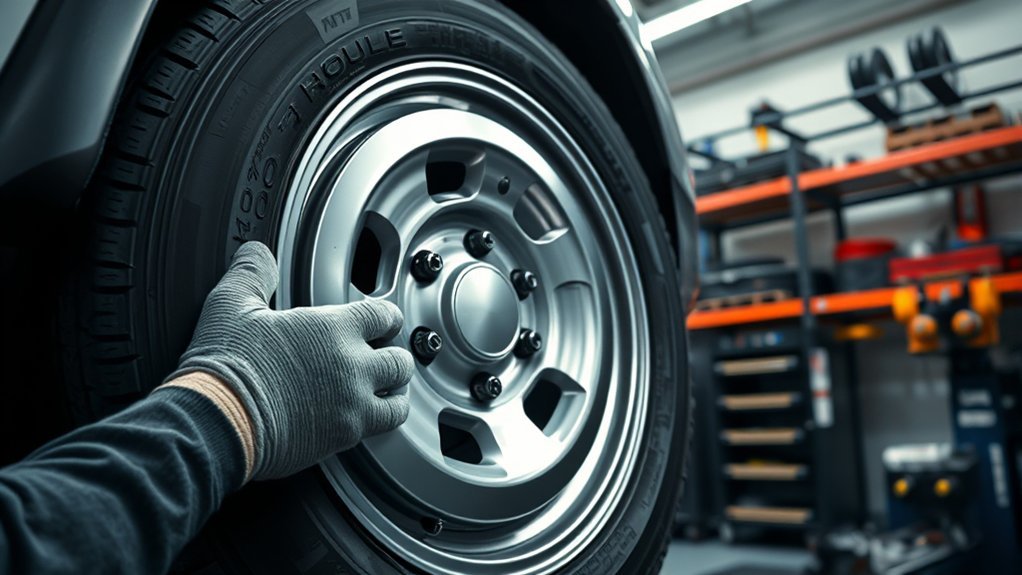
Mounting tires on Toyota Hilux rims is not just a matter of forcing rubber onto a wheel. The tire size, rim diameter, load rating, valve stem, bead seat, inflation pressure, balance, and final wheel installation all affect safety. If you are not trained or do not have proper tire-service equipment, the safest option is to have a qualified tire shop mount and balance the tires.
Quick Answer
To mount tires on Toyota Hilux rims safely, confirm the tire and rim are the same diameter, match the correct load index and size for your Hilux, inspect and clean the rim, use approved bead lubricant, inflate carefully, check for leaks, balance the assembly, and set final tire pressure from the vehicle placard or owner’s manual.
Key Takeaways
- Never mount a tire unless the tire diameter matches the rim diameter exactly.
- Use the tire size, load index, speed rating, and cold pressure listed on your Hilux tire placard or owner’s manual.
- Clean the rim bead seat and use approved tire bead lubricant to help the bead seat correctly.
- Check for leaks, balance the wheel and tire assembly, and recheck pressure after installation.
- If you do not have tire-service training and equipment, use a qualified tire technician.
At a Glance
| Time Required | About 30–60 minutes per wheel for a trained technician, including mounting, leak check, and balancing |
| Difficulty | Advanced; tire mounting requires proper equipment and training |
| Tools Needed | Tire mounting machine, approved bead lubricant, valve stem or TPMS service parts, air supply with gauge, soapy water, tire balancer, wheel weights, torque wrench |
| Cost | Usually cheaper and safer at a tire shop than buying tire-mounting equipment for one job |
Warning: Tire mounting can be dangerous. A mismatched tire and rim, damaged bead, cracked wheel, incorrect tools, or unsafe inflation can cause sudden bead failure. Do not attempt this job without proper training, eye protection, approved tools, and a safe inflation procedure.
Preparing Your Toyota Hilux Rims for Tire Mounting
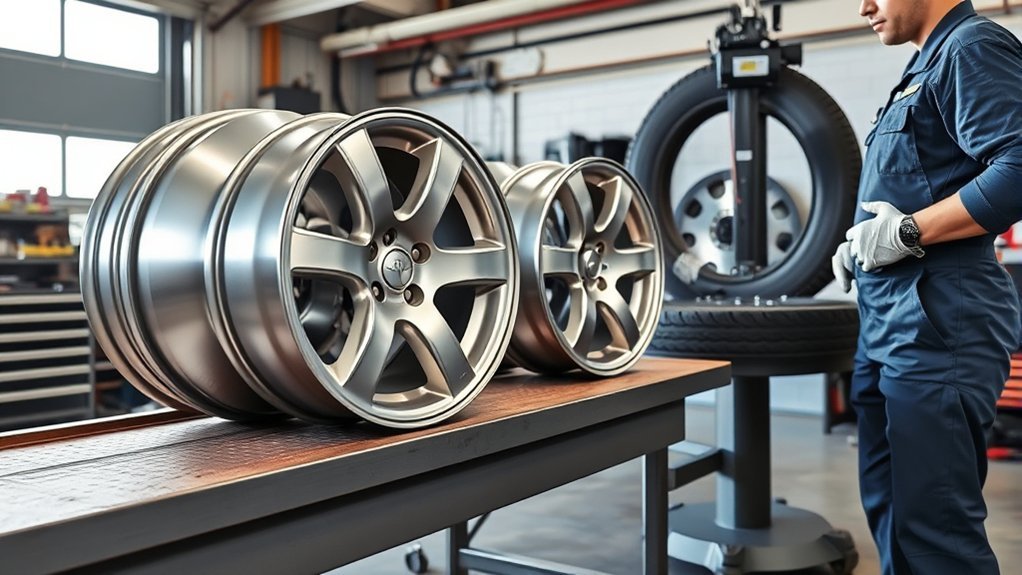
Before you mount tires on your Toyota Hilux rims, prepare each wheel carefully. Start by washing away mud, brake dust, old bead sealer, corrosion, and debris. A dirty bead seat can stop the tire from sealing evenly and may cause a slow air leak.
Inspect the rim for bends, cracks, deep corrosion, damaged lug holes, and bead-seat damage. Do not mount a tire on a cracked, badly bent, or heavily corroded rim. Also check the valve stem or TPMS sensor. If the rubber valve stem is aged, cracked, or leaking, replace it before the tire is installed.
Confirm the exact tire size for your Hilux before mounting. Current UK Hilux technical specifications list examples such as 265/65R17 and 265/60R18 for some grades, but your correct size depends on year, trim, market, wheel package, and load rating. Always check the driver-side tire placard or owner’s manual for your specific vehicle.
Note: The tire sidewall shows the tire’s maximum pressure and construction information. It does not replace the Hilux placard or owner’s manual for normal cold inflation pressure.
[Products Worth Considering]

This VEVOR tire bead breaker uses a slide-hammer impact and wedge tip to separate tire beads from rims quickly and efficiently without damaging hub surfaces. The long handle and sturdy steel construction help reduce user strain while providing reliable, portable tire changing for cars, trucks, and more. Ideal for home mechanics and repair shops handling multiple vehicle tire sizes.

This multi-function tire valve stem removal tool set makes it fast to remove, install, bleed, and clean valve cores for easier tire maintenance. It includes valve core removers, a 4-way spool tool, replacement valve caps, and spare cores to handle replacements and repairs with confidence. Universal compatibility suits cars, trucks, motorcycles, bicycles, and more for roadside convenience.

This tire valve adapter kit lets you connect a 3/4-inch garden hose to tire valves to fill tires with air or liquid. It includes two adapters for standard bore and large bore valves plus a convenient bleeder valve to release trapped air. Designed for tractor tire tubes and compatible air/water valves and extensions, it’s a practical repair tool for getting back on the road or field quickly.
Step-by-Step Guide to Mounting Tires Safely
Use this process only if you are trained and have the right tire-service equipment. If any part of the tire, rim, valve, or TPMS sensor looks damaged, stop and have the assembly inspected by a professional.
Tools Required for Mounting
For safe tire mounting, gather the correct tools before you begin:
- Tire mounting machine: Helps position the tire without damaging the bead or rim.
- Approved tire bead lubricant: Helps the bead slide into place and seat evenly. Do not use petroleum products, grease, or flammable sprays.
- Valve stem or TPMS service tool: Used to replace or service valve stems, seals, caps, and sensor hardware when needed.
- Accurate tire pressure gauge: Used for controlled inflation and final cold pressure checks.
- Soapy water: Used to check the bead and valve stem for air leaks after inflation.
- Tire balancer and wheel weights: Used to correct imbalance before the wheel goes back on the vehicle.
- Torque wrench: Used to tighten wheel nuts to the correct specification from your owner’s manual or service data.
Tire Mounting Techniques Explained
First, confirm the tire and rim diameter match exactly. A 17-inch tire must go on a 17-inch rim, and an 18-inch tire must go on an 18-inch rim. Never try to stretch or force a tire onto a different-diameter rim.
Next, lubricate both tire beads and the rim bead seats with approved bead lubricant. Place the rim on the tire mounting machine, position the lower bead correctly, and guide it over the rim without pinching or tearing it. Repeat for the upper bead while keeping your hands clear of pinch points.
After mounting, inspect both sidewalls and beads. Make sure the bead is not folded, cut, twisted, or trapped. If the bead does not move smoothly into position, deflate, relubricate, and correct the issue rather than forcing more air into the tire.
Pro Tip: Replace old rubber valve stems whenever tires are replaced. If your Hilux uses TPMS sensors, inspect the sensor seal, nut, washer, and cap so the new tire does not leave the shop with a preventable valve leak.
Inflating Tires and Checking for Leaks
Before inflation, verify that the tire is centered on the rim and that both beads are correctly positioned. Inflate slowly and watch the bead as it seats. If the bead does not seat normally, stop, release the air, relubricate, and inspect for the cause.
Once the bead is seated, adjust the tire to the cold inflation pressure listed on your Hilux tire placard or in the owner’s manual. The correct pressure may differ between front and rear tires and may change when carrying heavy loads or towing.
After inflation, apply soapy water around the bead area and valve stem. Bubbles indicate an air leak that must be fixed before the wheel is installed. Also listen for hissing and check that the valve core and cap are secure.
If your Hilux has a tire pressure monitoring system, tire rotation, pressure changes, or tire-size changes may require a reset or relearn procedure. Toyota’s general TPMS guidance says to confirm the pressures first, then reset the system using the vehicle’s reset procedure if your model requires it.
How to Balance Tires for Your Toyota Hilux
Balancing is not optional after mounting. An unbalanced tire and wheel assembly can cause steering-wheel shake, uneven tire wear, and extra stress on suspension parts.
Mount the wheel and tire assembly on a tire balancing machine and follow the machine’s calibration and cone/adapter instructions. Add the recommended wheel weights in the locations shown by the balancer. Recheck the assembly after adding weight to confirm the imbalance has been corrected.
If the tire still needs excessive weight or cannot be balanced properly, inspect for a bent rim, out-of-round tire, mud or debris inside the wheel, or an incorrectly seated bead. Do not install a wheel assembly that cannot be balanced within a reasonable range.
Top Common Mistakes When Mounting Tires on Hilux Rims
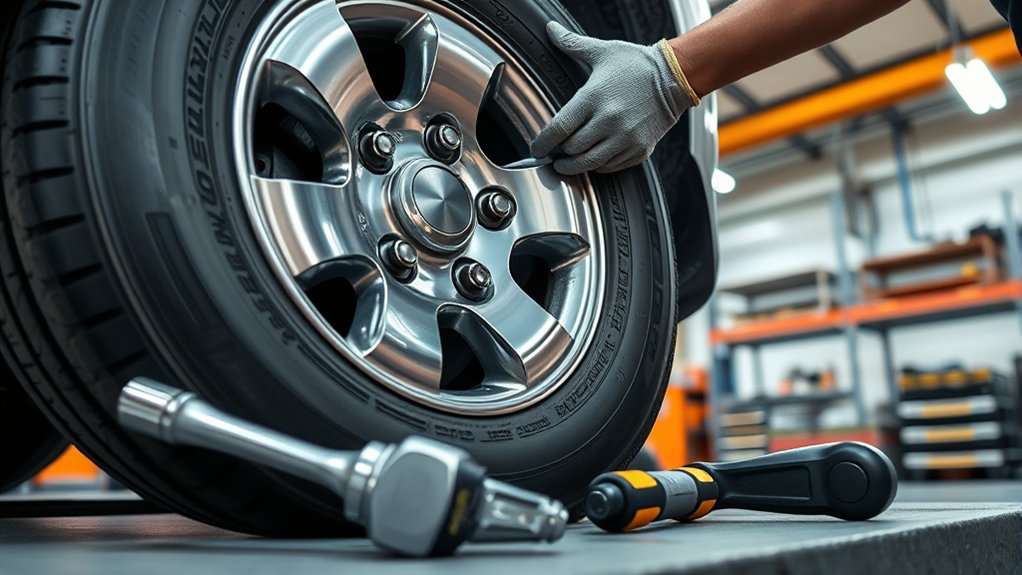
Small mistakes during tire mounting can create major problems later. The most common issues are using the wrong tire size, skipping pressure checks, ignoring valve leaks, failing to balance the wheel, and assuming larger tires will fit without clearance checks.
[Products Worth Considering]

Upgrade your Toyota tire setup with these corrosion-resistant, leak-proof valve stem caps designed to help protect the valve core from water, snow, and road grime. The caps feature a snug rubber seal and durable copper alloy construction to resist rust and oxidation while maintaining stable tire pressure. Ideal for replacing worn original caps and keeping your wheels looking clean and stylish.

This portable cordless tire inflator delivers fast, efficient inflation for cars, motorcycles, bikes, and sports balls with a digital pressure gauge. Use the one-click PSI preset with auto shut-off for accurate, hands-free topping to your target pressure up to 150 PSI. It’s compact and rechargeable with a built-in emergency LED light plus valve adapters and accessories for quick, ready-to-go use.
Improper Tire Pressure Setting
Do not guess the tire pressure. Use a reliable gauge and inflate to the cold pressure shown on the Hilux tire placard or owner’s manual. Check pressure when the tires are cold, because driving heats the tire and raises the reading.
Pressure that is too low can cause heat buildup, poor handling, uneven wear, and tire damage. Pressure that is too high can reduce ride comfort and change the tire’s contact patch. Recheck pressure after the first drive and during regular maintenance.
Neglecting Wheel Alignment Checks
| Alignment Symptom | What It May Mean |
|---|---|
| Vehicle pulls left or right | Alignment, tire pressure, or tire conicity issue |
| Steering wheel is off-center | Toe or steering alignment issue |
| Uneven shoulder wear | Camber, toe, pressure, or suspension problem |
| Vibration after new tires | Possible imbalance, bent rim, bead seating issue, or tire defect |
Mounting new tires does not automatically require an alignment, but it is a good time to check for uneven wear, pulling, vibration, or steering problems. If any of those symptoms are present, book an alignment inspection before the new tires wear unevenly.
Ignoring Tire Compatibility Issues
Compatibility means more than “will it go onto the rim.” Before mounting, confirm these points:
- Tire and rim diameter: They must match exactly.
- Rim width range: The tire must be approved for the wheel width.
- Load index: The replacement tire must meet or exceed the required load rating for your Hilux.
- Speed rating: Use the rating recommended by the vehicle or tire manufacturer.
- Clearance: Check suspension, fenders, mud flaps, brake lines, and steering clearance at full lock and through suspension travel.
- Offset and backspacing: Wheel position affects rubbing and bearing load.
- TPMS compatibility: Sensors and valve hardware must match your model if equipped.
Oversized tires, including 33-inch setups, are not a simple universal fitment. Some Hilux builds can run larger tires with suspension changes and clearance work, but fitment depends on year, trim, wheel offset, tire width, local regulations, speedometer calibration, and load rating. Confirm the setup with a qualified tire or 4×4 specialist before mounting.
What You’ll Need to Mount Tires on Hilux Rims?
To mount tires on Toyota Hilux rims correctly, prepare the tire, wheel, valve parts, tools, and safety equipment before the job begins. At minimum, you need a tire mounting machine, approved bead lubricant, valve or TPMS service parts, a pressure gauge, a leak-check solution, a tire balancing machine, wheel weights, and a torque wrench.
You also need the correct vehicle information: tire size, rim size, load index, speed rating, and recommended cold inflation pressure. These details are normally found on the Hilux tire placard and in the owner’s manual. When replacing tires, choose the same size, load index, and speed rating recommended by Toyota or the tire manufacturer unless a qualified specialist has confirmed a safe alternate setup.
After the mounted and balanced wheel is installed on the vehicle, tighten the wheel nuts in a crisscross pattern using a calibrated torque wrench and the correct torque specification for your exact Hilux. Recheck pressure, confirm the TPMS light is off or reset if required, and take a short road test at low speed before normal driving.
The safest tire mounting job is the one where the tire size, rim size, pressure, balance, valve system, and vehicle fitment are all checked before the vehicle returns to the road.
Frequently Asked Questions
Can I mount tires on rims myself?
Only if you are trained and have proper tire mounting, inflation, and balancing equipment. Tire mounting can be dangerous when the tire and rim are mismatched, the bead is damaged, or the tire is inflated incorrectly. For most owners, a qualified tire shop is the safer choice.
What is the 3% tire rule?
The 3% rule is a common tire-sizing guideline that compares the overall diameter of a replacement tire with the original tire. It is not a Toyota approval. Even if a tire is close in diameter, you still need to confirm rim width, load index, speed rating, clearance, gearing, legal requirements, and speedometer accuracy.
Can you fit 33s on a Hilux?
Sometimes, but it is not a guaranteed bolt-on fit. A 33-inch tire may require suspension changes, the correct wheel offset, trimming, alignment correction, and speedometer or TPMS consideration. Check the exact tire width, rim width, load rating, and clearance on your Hilux before buying or mounting 33s.
Does it matter which way you mount a tire on a rim?
Yes. Directional tires must follow the arrow on the sidewall. Asymmetrical tires must be mounted with the correct outside sidewall facing outward. Mounting them incorrectly can reduce wet grip, increase noise, and cause uneven wear.
Do I need to reset TPMS after mounting new tires?
You may need to reset or relearn the tire pressure monitoring system after tire replacement, rotation, pressure changes, sensor replacement, or tire-size changes. First set all tires to the correct cold pressure, then follow the TPMS reset procedure for your Hilux model.
Conclusion
Successfully mounting tires on Toyota Hilux rims requires more than basic hand tools. You need the correct tire size, sound rims, clean bead seats, approved lubricant, controlled inflation, leak checking, balancing, correct wheel-nut torque, and final pressure checks. If you are unsure about any step, do not take risks with tire service. A trained tire technician can mount, balance, inspect, and pressure-check the assembly safely so your Hilux is ready for the road.
Sources
- NHTSA TireWise — cold tire pressure, placard/manual pressure guidance, and tire safety basics.
- Michelin Tire Safety Tips — tire handling, trained installation, diameter matching, and bead/rim cleaning guidance.
- Continental Tire Mounting Safety Instruction — tire mounting safety warnings and qualified-service recommendation.
- USTMA Replacing Tires — replacement tire size, load index, speed rating, and load-capacity guidance.
- Toyota UK Hilux Technical Specifications — example current Hilux wheel and tyre sizes by grade.
- Toyota TPMS Support — tire pressure warning reset guidance after pressure, rotation, or tire-size changes.

Related Articles
Toyota Hilux Run-Flat Tires: What You Need to Know
Take control of your safety with Toyota Hilux run-flat tires; discover their benefits and hidden costs that could change your driving experience forever.
Read More
Effects of Underinflated Tires on the Toyota Hilux
Inadequate tire pressure in your Toyota Hilux can lead to serious safety issues and costly repairs; discover how to avoid these pitfalls.
Read More
The Risks of Overinflating Toyota Hilux Tires
Overinflating your Toyota Hilux tires can lead to dangerous blowouts and uneven wear, but understanding the risks is crucial for your safety.
Read More