
Toyota Hilux Tire Aspect Ratio: A Simple Explanation
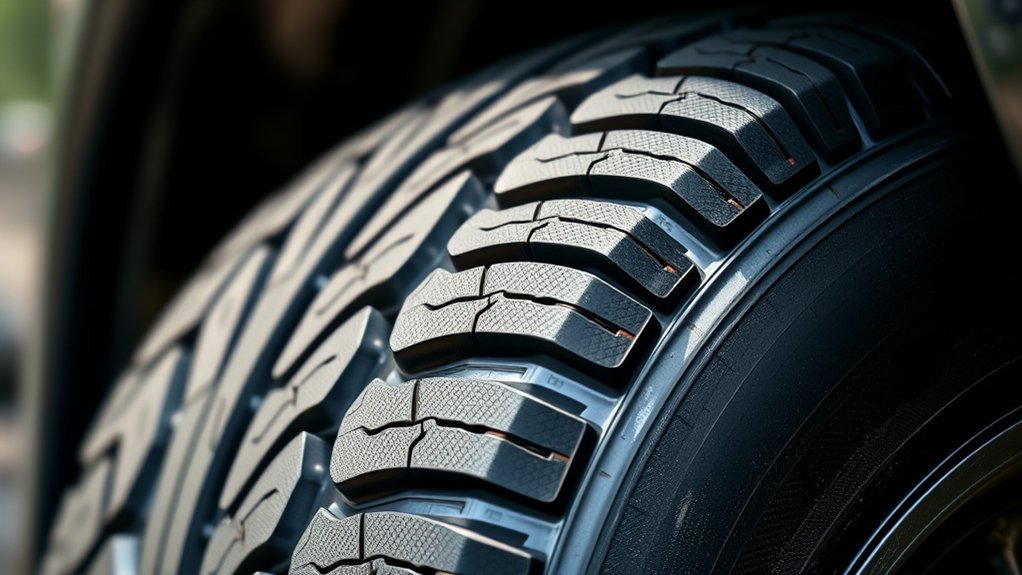
Understanding the Toyota Hilux tire aspect ratio helps you choose tires that ride comfortably, carry weight safely, and keep the speedometer, ABS, and traction-control systems working as intended. The aspect ratio is only one part of the tire size, so the safest choice is always the size, load rating, speed rating, and pressure listed for your Hilux’s year, trim, and market.
Quick Answer
For most Toyota Hilux owners, the best tire aspect ratio is the one that keeps the original overall tire diameter, meets or exceeds Toyota’s load and speed requirements, and suits the job. Taller sidewalls usually improve comfort and off-road cushioning; lower sidewalls can sharpen steering but may reduce impact protection.
Key Takeaways
- Aspect ratio is the tire sidewall height as a percentage of tire width.
- Do not choose a Hilux tire by aspect ratio alone; confirm overall diameter, load index, speed rating, rim size, and tire pressure.
- A taller sidewall can help comfort, towing stability, and off-road cushioning, but only if the tire fits safely.
- A lower sidewall can improve steering response, but it can make the ride firmer and increase wheel or sidewall impact risk.
- Large diameter changes can affect speedometer accuracy, ABS, traction control, gearing, clearance, and legal compliance.
At a Glance
| Time Required | 10–20 minutes to read your placard, decode the tire size, and compare replacement options. |
| Difficulty | Easy for reading the size; moderate if changing to a non-original size. |
| Tools Needed | Owner’s manual, driver-door tire placard, tire pressure gauge, and a tire-size calculator. |
| Cost | $0 to check your current size; tire, balancing, alignment, and recalibration costs vary by market and tire type. |
Understanding Tire Aspect Ratio: Its Importance for Your Hilux
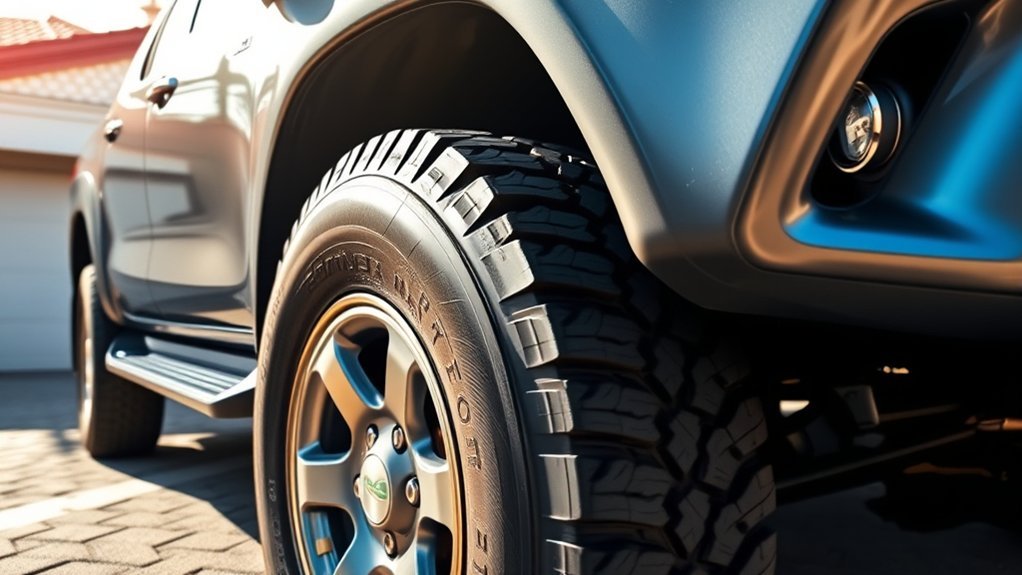
On a tire marked 265/65R17, the aspect ratio is 65. That means the tire’s sidewall height is 65% of the tire’s section width. The Tire Industry Association explains aspect ratio as the sidewall height expressed as a percentage of section width.
The simple formula is:
Sidewall height = tire width × aspect ratio ÷ 100
For example, a 265/65R17 tire has a sidewall height of 172.25 mm because 265 × 0.65 = 172.25. A 265/60R18 tire has a shorter sidewall of 159 mm, but because it uses a larger 18-inch wheel, its overall diameter can remain very close to the 17-inch option.
Note: Aspect ratio is not the same as tire size. Two tires can have different aspect ratios and still have nearly the same overall diameter if the wheel size changes too.
How to Read Your Toyota Hilux Tire Sizes
Understanding your Toyota Hilux tire size is the first step before changing aspect ratio. A tire size such as 265/65R17 breaks down like this:
- 265 — tire width in millimeters, measured from sidewall to sidewall.
- 65 — aspect ratio, meaning the sidewall height is 65% of the tire width.
- R — radial construction, the standard construction for modern passenger and light-truck tires.
- 17 — rim or bead diameter in inches.
Many Hilux tires also show a load index and speed rating after the size, such as 112S, 112T, or similar. Do not ignore these numbers. The load index tells you how much weight the tire can carry when properly inflated, while the speed symbol indicates the tire’s speed capability and performance category. For a work ute used for towing, tools, trays, or off-road gear, this matters as much as the aspect ratio.
Common Toyota Hilux Tire Sizes and Aspect Ratios
Toyota Hilux tire sizes vary by year, cab style, drivetrain, grade, and country. Always check your own tire placard and owner’s manual first. As current examples, Toyota UK technical specifications list 265/65R17 and 265/60R18 for certain Hilux grades, while Toyota Australia’s current HiLux specifications show market-specific grade fitments such as 265/65R17.
| Example Size | Aspect Ratio | What It Usually Means |
|---|---|---|
| 265/65R17 | 65 | Common ute/truck-style balance of sidewall, comfort, load support, and off-road durability. |
| 265/60R18 | 60 | Shorter sidewall with a larger rim, often used to keep overall diameter close while sharpening steering feel. |
| 225/70R17C | 70 | A taller commercial-rated style used on some work-oriented grades in certain markets. |
Do not assume a size from another Hilux will fit yours. A tire that clears one trim, suspension setup, or market version may rub on another, may not suit your rim width, or may not match your legal load rating.
[Products Worth Considering]

EVOULTES heavy duty tire inflator with an integrated gauge delivers accurate pressure readings from 10–120 PSI, helping you inflate, deflate, and check tires in one tool. The 16.5-inch extended dual-head air chuck with swivel base reaches hard-to-access dual wheel valves on trucks and RVs. A brass trigger core and side-mounted air release valve make operation smooth, with standard 1/4" NPT threading and quick-connect compatibility for easy setup.

Keep RV, trailer, or truck dual-axle tires protected with waterproof, UV-resistant covers that help guard against sunlight, snow, rust, and dirt. The dual tire covers are easy to install with a rope/bungee fastener for a stable fit that won’t easily slip. Designed for 27–30 inch diameter wheels, they help maintain tire condition through harsh weather.
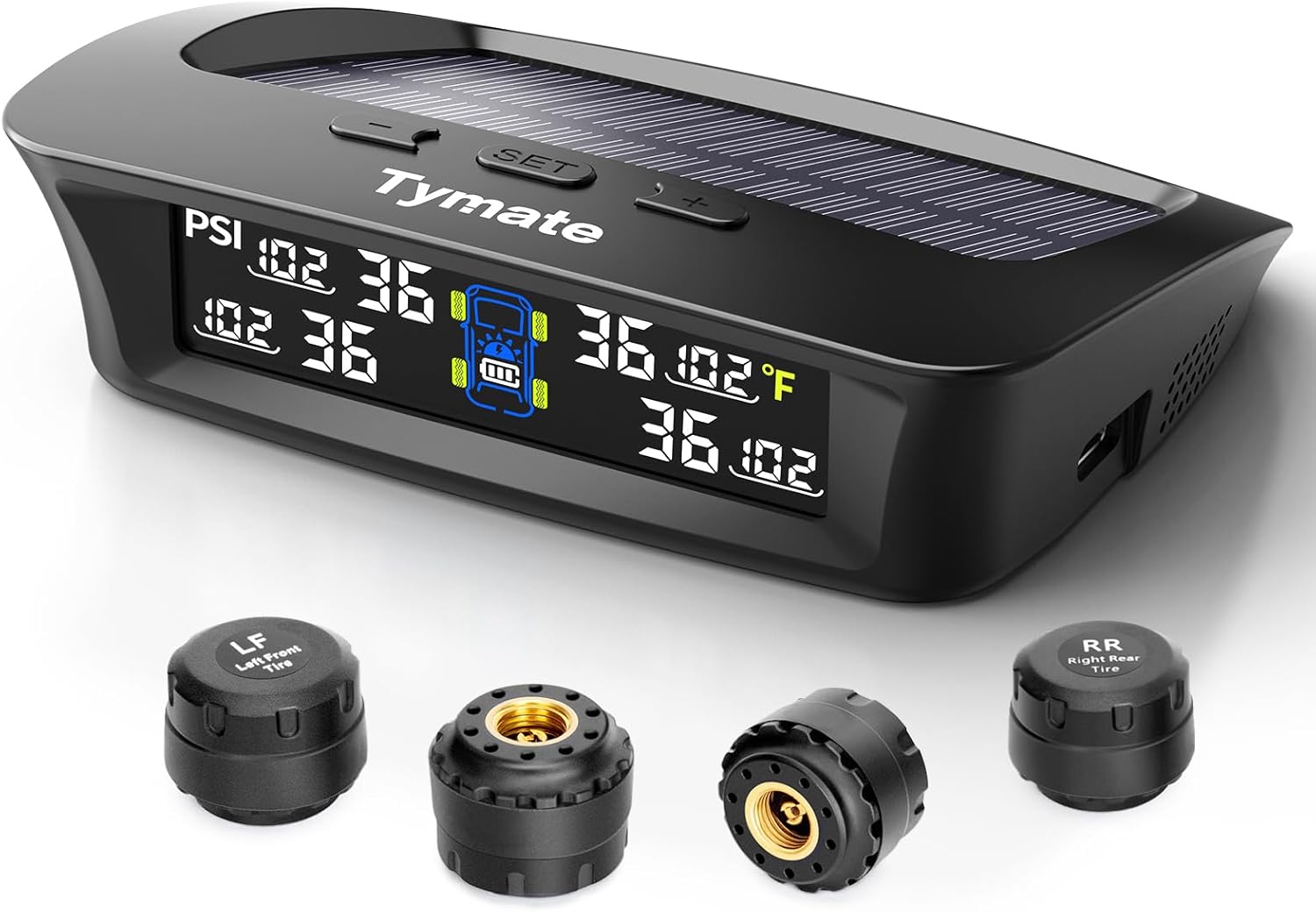
The Tymate TM3 RV TPMS delivers real-time tire pressure monitoring from 0 to 144 PSI with accurate readings and dependable wireless communication. It includes four external sensors with pre-pairing, six alarm modes for rapid leak, pressure extremes, temperature, and signal loss, plus an easy-reference setup for alert thresholds. Solar and USB-C charging help keep the display powered, while the color LCD and adaptive backlight improve visibility for safer driving and towing.
Impact of Aspect Ratio on Ride Comfort and Handling
Tire aspect ratio affects the amount of rubber sidewall between the rim and the road. A higher aspect ratio, such as 65, 70, or 75, usually gives the tire more sidewall to flex over potholes, gravel, corrugations, and rough tracks. That can improve ride comfort and reduce impact harshness in a Toyota Hilux.
A lower aspect ratio, such as 55 or 60, usually gives the tire a shorter sidewall. That can make steering feel sharper and improve cornering response on sealed roads, but it can also make the ride firmer and leave the wheel more exposed to pothole or rock impacts.
The real target is not the tallest or lowest aspect ratio. The goal is a tire that keeps overall diameter close to original, meets the required load rating, fits the rim, clears the body, and suits how you use your Hilux.
[Products Worth Considering]

This portable cordless tire inflator delivers fast, efficient inflation for cars, motorcycles, bikes, and sports balls with a digital pressure gauge. Use the one-click PSI preset with auto shut-off for accurate, hands-free topping to your target pressure up to 150 PSI. It’s compact and rechargeable with a built-in emergency LED light plus valve adapters and accessories for quick, ready-to-go use.

This cordless portable tire inflator delivers fast, safe inflation with an automatic shutoff when the target pressure is reached, helping prevent overinflation. The built-in LED lighting and real-time digital display make it easier to check pressure and handle roadside tire changes at night. It includes multiple nozzles for use on cars, motorcycles, bicycles, and inflatables like balls and swimming rings.

Choosing the Right Aspect Ratio for Driving Conditions
Selecting the right aspect ratio for your Toyota Hilux depends on your driving conditions. Use these guidelines as a starting point, then confirm the exact fitment against your placard, owner’s manual, rim width, and local tire rules.
- Daily road driving: Stay close to the factory size. This gives the best chance of preserving ride quality, fuel economy, braking balance, and speedometer accuracy.
- Towing and heavy loads: Prioritize the correct load index or commercial/light-truck rating. A taller sidewall can help comfort, but load rating and pressure matter more than aspect ratio alone.
- Off-road and gravel: A taller sidewall can add cushioning and allow more controlled deflection over rough surfaces. Pair it with an appropriate all-terrain tire if you regularly leave sealed roads.
- Highway handling: A slightly lower sidewall may feel more responsive, but avoid going so low that comfort, load capacity, wheel protection, or clearance suffers.
Pro Tip: When comparing two tire sizes, calculate overall diameter first. For example, 265/65R17 is about 776.3 mm tall, while 265/60R18 is about 775.2 mm tall. Different aspect ratios can still produce almost the same rolling diameter.
[Products Worth Considering]


Risks of Changing Your Hilux’s Tire Aspect Ratio
Changing your Hilux’s tire aspect ratio can be safe when the replacement tire is properly matched. It becomes risky when the new tire changes overall diameter too much, has the wrong load rating, does not suit the rim, or rubs under steering, braking, suspension travel, or full load.
Warning: Never fit a tire with a lower load index, lower speed rating, incorrect rim diameter, or unsuitable load range than Toyota specifies for your Hilux. This can affect handling, braking, towing safety, insurance compliance, and roadworthiness.
Speedometer Accuracy Issues
Your speedometer is calibrated around the tire’s rolling circumference. Tire Rack notes that maintaining overall tire diameter helps preserve ground clearance, gearing, and accurate speedometer readings, and that large diameter changes can affect ABS, traction control, and stability systems.
| Change From Original Overall Diameter | Likely Speedometer Effect |
|---|---|
| Smaller overall diameter | Speedometer may read faster than your actual road speed. |
| Larger overall diameter | Speedometer may read slower than your actual road speed. |
| About 1% diameter change | About 1% speedometer change, because circumference changes in the same proportion. |
| Large diameter change | May require recalibration and professional fitment checks. |
Vehicle Handling Compromises
Altering your Toyota Hilux’s tire aspect ratio can change ride comfort, steering response, braking feel, and suspension behavior. Shorter sidewalls often feel more direct, but they provide less cushioning on potholes, rocks, and corrugated roads. Taller sidewalls can improve comfort and impact absorption, but too much sidewall or too large a tire can make steering feel slower and may cause rubbing.
Changes in rolling diameter can also affect systems that rely on wheel-speed data, including anti-lock braking, traction control, and stability control. That is why tire-size changes should be checked as a complete package, not judged by aspect ratio alone.
How to Keep Your Ride Comfortable While Hauling Heavy Loads
To keep your ride comfortable while hauling heavy loads, choose tires that meet the correct load index, load range, rim size, and pressure for your Hilux. A higher aspect ratio can add sidewall cushioning, but it cannot compensate for an under-rated tire or incorrect inflation.
Check the tire placard and owner’s manual before loading the vehicle. Toyota’s tyre pressure guidance explains that pressures vary by vehicle and are usually listed in the vehicle handbook and driver-side door recess. If your Hilux has a tray, canopy, towbar, tools, drawers, or constant load, ask a qualified tire professional to confirm the right pressure and rating for that setup.
Do not rely on examples such as 265/70R17 or 235/85R16 unless your Hilux, wheels, suspension, and local rules support them. Those sizes can be useful in some modified 4×4 setups, but they are not universal replacements for every Toyota Hilux.
Checklist Before Changing Your Hilux Tire Aspect Ratio
- Check the placard: Confirm the original tire size, recommended pressure, and load information on the door placard and owner’s manual.
- Match or exceed load rating: Never go below the original load index or load range, especially for towing or work use.
- Match the rim: The rim diameter must match exactly, and the tire width must suit the wheel width.
- Compare overall diameter: Keep the new tire’s rolling diameter close to the original unless a professional confirms the change is safe and legal.
- Check clearance: Turn lock-to-lock and check suspension travel, mud flaps, guards, brake lines, and inner arches.
- Consider the spare: A mismatched spare can be a problem on 4WD systems and during long trips.
- Verify speedometer and safety systems: Larger changes may need recalibration or diagnostic checks.
- Confirm local rules: Tire modifications can affect roadworthiness, inspection, insurance, and warranty coverage.
Frequently Asked Questions
What does the tire aspect ratio mean?
The tire aspect ratio is the sidewall height shown as a percentage of the tire width. In 265/65R17, the 65 means the sidewall height is 65% of 265 mm, or about 172.25 mm.
What aspect ratio is best for a Toyota Hilux?
The best aspect ratio is usually the factory-approved one for your Hilux’s year, trim, and market. Many work and off-road Hilux setups use taller sidewalls, while some road-focused grades use lower aspect ratios with larger wheels to keep the overall diameter similar.
Can I change from 265/65R17 to 265/60R18 on a Hilux?
It may be possible on some Hilux grades because those two sizes can have very similar overall diameters, but you must use the correct 18-inch wheels, load index, speed rating, offset, and pressure. Confirm fitment with your manual, placard, Toyota dealer, or a qualified tire professional.
Does a higher aspect ratio help off-road?
Usually, yes. A taller sidewall gives more cushioning over stones, ruts, and corrugations, and it can improve comfort on rough roads. The tire still has to fit safely, carry the required load, and suit your rim and suspension.
Does aspect ratio affect towing?
Aspect ratio can affect ride feel and sidewall flex, but towing safety depends more on correct load index, tire construction, inflation pressure, axle load, and overall vehicle limits. Never fit a tire with a lower load rating than Toyota specifies.
Will changing tire aspect ratio affect my speedometer?
It can, but only if the new tire changes the overall rolling diameter. A smaller overall diameter can make the speedometer read faster than actual speed; a larger diameter can make it read slower than actual speed.
Conclusion
The tire aspect ratio on your Toyota Hilux is more than a sidewall number. It affects comfort, steering feel, impact protection, and how well the tire suits towing, road driving, and off-road work. For the safest result, start with Toyota’s recommended tire size, keep overall diameter close to stock, match or exceed the required load and speed rating, and set pressure from the placard or owner’s manual. When in doubt, get the fitment checked before you buy.
Sources
- Tire Industry Association: Reading a Tire Sidewall — aspect ratio, width, radial construction, rim diameter, load index, and speed symbol definitions.
- Toyota UK Hilux Technical Specifications — current Hilux wheel and tire examples including 265/65R17 and 265/60R18 for certain grades.
- Toyota Australia HiLux Specifications — current market-specific Hilux specification examples and model/grade variation.
- Toyota UK Tyre Pressure and Size Guide — where to find recommended tire pressures and why pressure varies by vehicle.
- Tire Rack: Plus Size Wheels & Tires — maintaining overall tire diameter for speedometer, gearing, ABS, traction control, and stability systems.
- NHTSA TireWise — tire safety ratings, tire types, and official tire-safety information.

Related Articles
Toyota Hilux Run-Flat Tires: What You Need to Know
Take control of your safety with Toyota Hilux run-flat tires; discover their benefits and hidden costs that could change your driving experience forever.
Read More
Effects of Underinflated Tires on the Toyota Hilux
Inadequate tire pressure in your Toyota Hilux can lead to serious safety issues and costly repairs; discover how to avoid these pitfalls.
Read More
The Risks of Overinflating Toyota Hilux Tires
Overinflating your Toyota Hilux tires can lead to dangerous blowouts and uneven wear, but understanding the risks is crucial for your safety.
Read More