
Toyota Hilux Tire Size: What the Numbers Mean
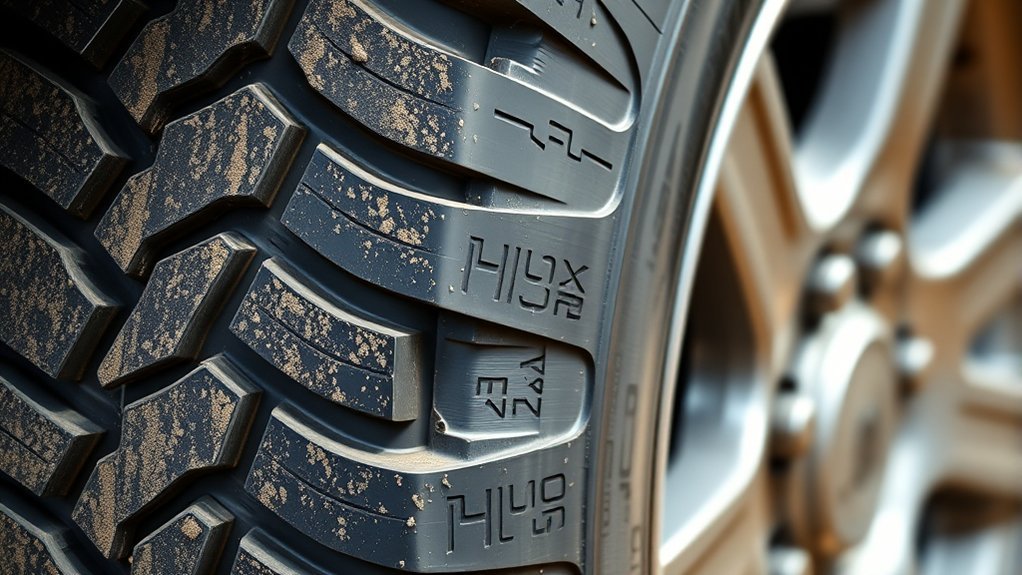
Understanding your Toyota Hilux tire size helps you buy tires that fit the wheel, carry the load, match the vehicle’s speed rating, and keep the truck safe on road, off road, and under payload. The safest starting point is not a guess from another Hilux online. It is the tire placard on your own vehicle, your owner’s manual, or confirmation from a Toyota dealer or qualified tire professional.
Quick Answer
To read a Toyota Hilux tire size, break the sidewall code into width, aspect ratio, construction, wheel diameter, load index, and speed rating. For example, 265/65R17 112S means a 265 mm wide radial tire for a 17-inch wheel, with load and speed ratings that must meet or exceed your Hilux’s placard specification.
Key Takeaways
- Use your Hilux tire placard and owner’s manual as the final authority, because sizes vary by year, trim, body style, drivetrain, country, and wheel package.
- A tire code such as 265/65R17 112S tells you the tire width, sidewall height, construction, wheel diameter, load index, and speed rating.
- Never fit tires with a lower load index or speed rating than Toyota specifies for your vehicle.
- Bigger tires, including 33-inch tires, can affect clearance, braking, gearing, speedometer accuracy, insurance, and roadworthiness.
- Check pressure, tread depth, sidewall condition, and tire age regularly, especially before towing, off-roading, or long trips.
At a Glance
| Time Required | 5–10 minutes to read the sidewall and placard; longer if comparing replacement options |
| Difficulty | Easy for reading the code; moderate if changing tire size or wheel offset |
| Tools Needed | Owner’s manual, tire placard, tire pressure gauge, tread depth gauge, flashlight, and a tire-size calculator if comparing sizes |
| Cost | Free to check; replacement tire cost varies by size, construction, brand, and terrain rating |
How to Read a Toyota Hilux Tire Size
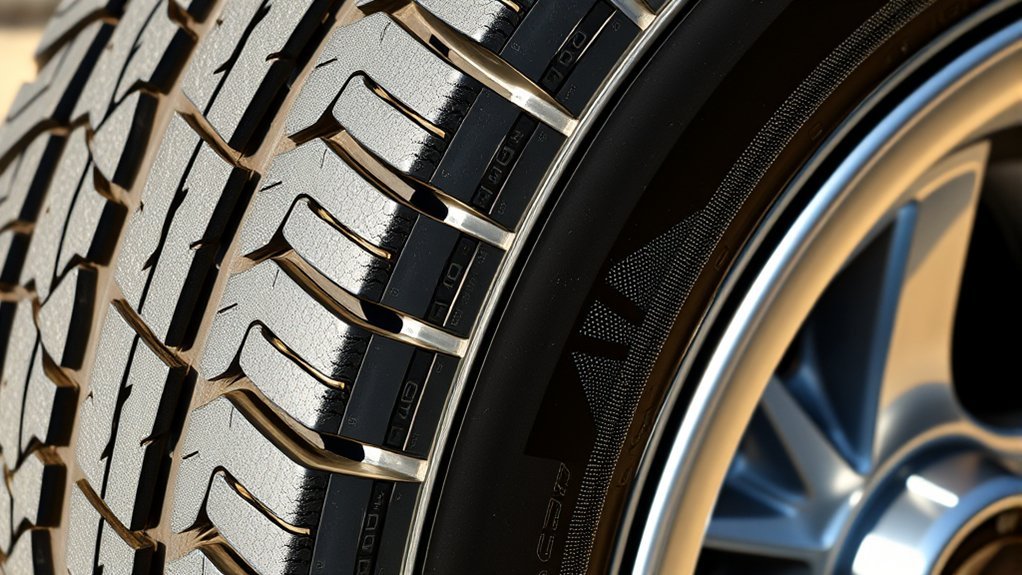
A Hilux tire size is usually molded into the tire sidewall. You may see a code such as 265/65R17 112S, 265/60R18 110H, or a commercial-style marking with a C, LT, or dual load index. Michelin’s tire-marking guide explains that the code includes tire width, aspect ratio, construction type, wheel diameter, load rating, and speed rating, all of which matter for fitment and safe performance. Michelin’s tire sidewall guide is a useful reference for these markings.
Here is what each part means:
- 265 — tire width in millimeters, measured from sidewall to sidewall.
- 65 — aspect ratio, meaning the sidewall height is 65% of the tire’s width.
- R — radial construction, the standard construction style for most modern vehicle tires.
- 17 — wheel diameter in inches. This must match the wheel diameter.
- 112 — load index, which maps to the maximum load the tire can carry when correctly inflated.
- S — speed rating, which shows the tire’s tested maximum speed capability under specified conditions.
Warning: Do not choose a replacement tire from the size alone. Two tires can share the same size but have different load indexes, speed ratings, construction types, and sidewall strengths. Match or exceed Toyota’s required load and speed ratings for your exact Hilux.
Where to Find the Correct Toyota Hilux Tire Size
The correct size for your Hilux depends on the specific vehicle, not just the badge. A single model name can cover different cab styles, drivetrains, markets, payload ratings, and wheel packages.
1. Check the driver-side tire placard
Open the driver’s door and look for the tire information placard on the door jamb or body pillar. This label normally lists the original equipment tire size, cold tire pressure, and sometimes load or speed information. This is usually the best everyday reference because it applies to your exact vehicle configuration.
2. Check the owner’s manual
Your owner’s manual may list approved tire sizes, recommended pressures, spare tire information, and warnings about replacement tires. Michelin notes that recommended tire ratings can be found on the vehicle tire placard and in the owner’s manual, and that these ratings should be verified when replacing tires. Michelin’s load and speed rating guide explains why those ratings matter.
3. Read the current tire sidewall
The tire currently fitted to the truck is useful, but it is not always proof of the correct size. A previous owner may have fitted a larger tire, lower load rating, different speed rating, or non-standard wheel. Use the sidewall as a clue, then confirm it against the placard or manual.
4. Confirm with Toyota or a qualified tire professional
If the placard is damaged, the vehicle has aftermarket wheels, or you are changing size, confirm fitment with a Toyota dealer or a qualified tire professional. This is especially important for commercial use, towing, off-road driving, or any change to wheel offset or suspension height.
Common Toyota Hilux Tire Sizes You May See
Modern Hilux tire sizes vary by market and trim. As one current reference point, a Toyota UK Hilux technical specification sheet lists 265/65R17 for Active and GR Sport II models and 265/60R18 for Invincible and Invincible X models. Toyota also notes in that document that customers should confirm the specification of a specific model with Toyota.
That does not mean every Hilux uses those two sizes. Older models, single-cab work trucks, cab-chassis versions, 2WD models, 4WD models, regional trims, and aftermarket wheel packages can use different tire sizes. Always treat the placard and manual as the final reference.
Note: If you are comparing tire-size charts online, make sure the chart matches your Hilux’s model year, country, trim, drivetrain, wheel size, and body style. A tire size from another market may not be approved for your vehicle.
Why Load Index and Speed Rating Matter
The numbers and letters after the main tire size are not optional details. They are part of the tire’s service description. A tire marked 265/65R17 112S has a load index of 112 and a speed rating of S.
The load index is a numerical code that maps to the maximum load one tire can carry when it is correctly inflated. It is not a simple fixed increase from one number to the next. For example, Bridgestone’s load index chart lists 95 = 690 kg, while 112 = 1,120 kg per tire. Bridgestone’s speed and load rating chart shows how these codes convert to kilograms.
The speed rating is a letter code. Bridgestone lists T = 190 km/h, and the U.S. National Highway Traffic Safety Administration lists T = 118 mph. The rating does not mean you should drive at that speed. It means the tire has been tested for that speed capability under specified conditions when correctly fitted, inflated, and loaded.
Using tires below Toyota’s specified load or speed rating can reduce stability, increase heat buildup, accelerate wear, and raise the risk of tire damage or failure. Michelin recommends selecting tires that match the original manufacturer’s specified size and load rating, and explains that exceeding tire operating limits can increase the risk of damage or failure.
Tire Pressure, Sidewall Maximums, and Safe Inflation
Do not use the pressure molded on the tire sidewall as your everyday tire pressure. Sidewall markings such as MAX LOAD and MAX PRESS describe the tire’s maximum limits, not the recommended operating pressure for your Hilux. Michelin states that recommended inflation pressure should come from the vehicle owner’s manual or tire placard.
For best results, check tire pressure when the tires are cold, before the vehicle has been driven far. Recheck pressure before towing, carrying heavy loads, long highway drives, or off-road trips. If your manual gives different pressures for normal load and heavy load, use the setting that matches how the truck is being used.
Pro Tip: Keep a tire pressure gauge in the Hilux. A quick cold-pressure check before a long trip is cheaper than replacing overheated, unevenly worn, or damaged tires.
Breaking Down the Components of Your Tire Size
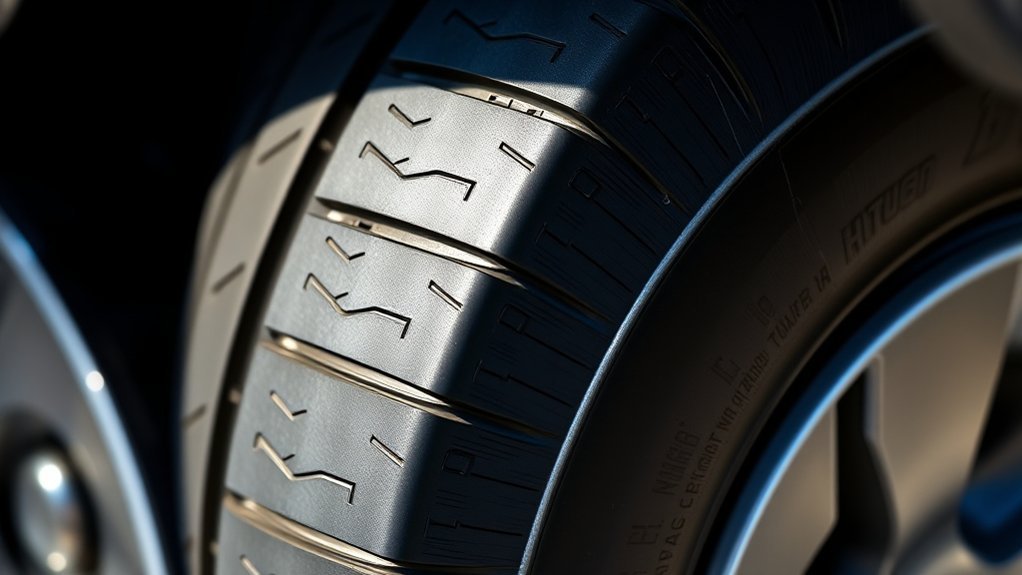
Understanding the tire-size components helps you compare options without guessing. Here is how each part affects your Hilux:
- Tire width: A wider tire can increase the contact patch, but it can also add weight, increase road noise, affect fuel use, and create rubbing if the wheel offset or suspension clearance is wrong.
- Aspect ratio: A higher aspect ratio gives a taller sidewall, which can help ride comfort and off-road impact absorption. A lower aspect ratio usually gives a shorter sidewall and may sharpen steering response, but it can be harsher on rough roads.
- Wheel diameter: The wheel diameter in the tire code must match the wheel. A 17-inch tire will not fit an 18-inch wheel.
- Overall diameter: The final tire height affects ground clearance, gearing, speedometer reading, braking feel, and clearance inside the wheel arches.
- Load index: This must meet or exceed the Hilux requirement for the axle loads and intended use.
- Speed rating: This should meet or exceed Toyota’s requirement unless a local winter-tire or special-use rule allows a lower rating with restrictions.
What C, LT, and Dual Load Indexes Mean
Some Hilux tires use commercial or light-truck style markings. These matter because a pickup can carry payload, tow, and work on rough surfaces.
- C marking: Often indicates a commercial tire construction used on vans and light commercial vehicles. It is commonly chosen for load-carrying strength.
- LT marking: Means light truck. LT tires are built differently from many passenger-car tires and may require different pressure guidance.
- Dual load index: A code such as 112/109S shows different load ratings for single-wheel and dual-wheel use. Most Hilux pickups use single rear wheels, but the marking is still important to understand when comparing tires.
- Load range or ply rating: These terms describe tire strength categories, but they do not replace the need to match the load index and pressure guidance.
If your Hilux is used for tools, cargo, towing, overlanding gear, or commercial work, do not downgrade to a tire chosen only for appearance. Choose a tire that can safely carry the vehicle’s loaded axle weight.
How to Pick the Best Tires for Your Driving Style
The best Toyota Hilux tire is not always the biggest or most aggressive tire. Choose based on how the truck is actually used.
[Products Worth Considering]

The JACO FlowPro Tire Inflator measures, inflates, and airs down tires up to 100 PSI with battery-free operation and ±2% accuracy after calibration. It features a glowing pressure dial for night visibility, a heavy-duty steel build with a hybrid hose, and a precision push-to-inflate thumb trigger. The patented Lightning Air Chuck locks on for a secure seal, and the kit includes quick-connect hardware for easy inline use with your air compressor.

This portable cordless tire inflator delivers up to 160 PSI with fast 17 L/min airflow to help you quickly top up tires and get back on the road. It features dual power mode, running on a 21V rechargeable battery or a 12V DC adapter for convenient roadside use. An automatic shut-off with digital pressure gauge helps prevent overinflation, and a built-in LED light improves visibility in low-light conditions.

EVOULTES heavy duty tire inflator with an integrated gauge delivers accurate pressure readings from 10–120 PSI, helping you inflate, deflate, and check tires in one tool. The 16.5-inch extended dual-head air chuck with swivel base reaches hard-to-access dual wheel valves on trucks and RVs. A brass trigger core and side-mounted air release valve make operation smooth, with standard 1/4" NPT threading and quick-connect compatibility for easy setup.
Highway and daily driving
For mostly paved roads, a highway-terrain or touring-style tire usually gives the best mix of comfort, quietness, fuel economy, wet grip, and tread life. Make sure the size, load index, and speed rating still match the placard.
Mixed road and off-road use
All-terrain tires are popular on the Hilux because they balance road manners with stronger tread blocks and better grip on gravel, dirt, and light trails. They may be noisier and heavier than highway tires, so compare wet braking, load rating, and rolling comfort before buying.
Mud, rock, and rugged trails
Mud-terrain tires can help in deep mud, ruts, and loose terrain, but they often create more road noise, can reduce wet-road performance, and may wear faster on pavement. They also tend to be heavier, which can affect acceleration, braking, and steering feel.
Towing and heavy loads
Prioritize load capacity, correct pressure, heat resistance, and tire condition. If you tow or carry heavy payloads, check the Hilux manual for loaded tire pressures and confirm that the combined tire capacity on each axle meets the vehicle’s requirements.
Wet, snow, and cold-weather driving
For wet roads, look beyond tread pattern and check independent wet-grip information where available. For winter or snow use, choose tires designed and legally approved for your local winter conditions. Do not assume an aggressive all-terrain tread is automatically the best snow tire.
Can You Upsize or Fit 33-Inch Tires on a Hilux?
Many Hilux owners consider larger tires for ground clearance, off-road traction, or appearance. A larger tire can work on some setups, but it is not a one-size-fits-all upgrade.
Before fitting 33-inch tires or any non-standard size, check:
- Wheel-arch clearance: Larger tires can rub the guards, mud flaps, inner liners, chassis, or suspension at full steering lock or full compression.
- Wheel offset: Offset changes can improve or worsen clearance and may affect wheel bearings, steering geometry, and legality.
- Suspension height: A lift may help clearance, but it can also affect handling, alignment, braking, and roadworthiness.
- Speedometer accuracy: A taller tire travels farther per rotation, which can make the speedometer read differently.
- Braking and gearing: Heavier, taller tires can reduce braking response and change how the truck feels when accelerating or climbing.
- Spare tire fit: The spare should be compatible with the tires on the vehicle and fit its storage location.
- Insurance and local law: Some regions limit tire diameter, track-width changes, lift height, and tread protrusion beyond the bodywork.
Warning: Do not fit oversized tires just because another Hilux owner did. The same tire can behave differently depending on generation, trim, suspension, wheel offset, load, and local road rules. Get the setup checked before driving at speed or carrying load.
[Products Worth Considering]

The Fanttik X10 Pro is a cordless portable tire inflator that reaches up to 150 PSI and can inflate an R15 tire in about 35 seconds for quick roadside or home top-ups. With AccuInFlate auto-stop and smart start/stop controls, it helps maintain accurate pressure and frees your hands once the target is reached. A high-visibility digital display and preset modes make it easy to set and monitor inflation for cars, motorcycles, bikes, and balls.
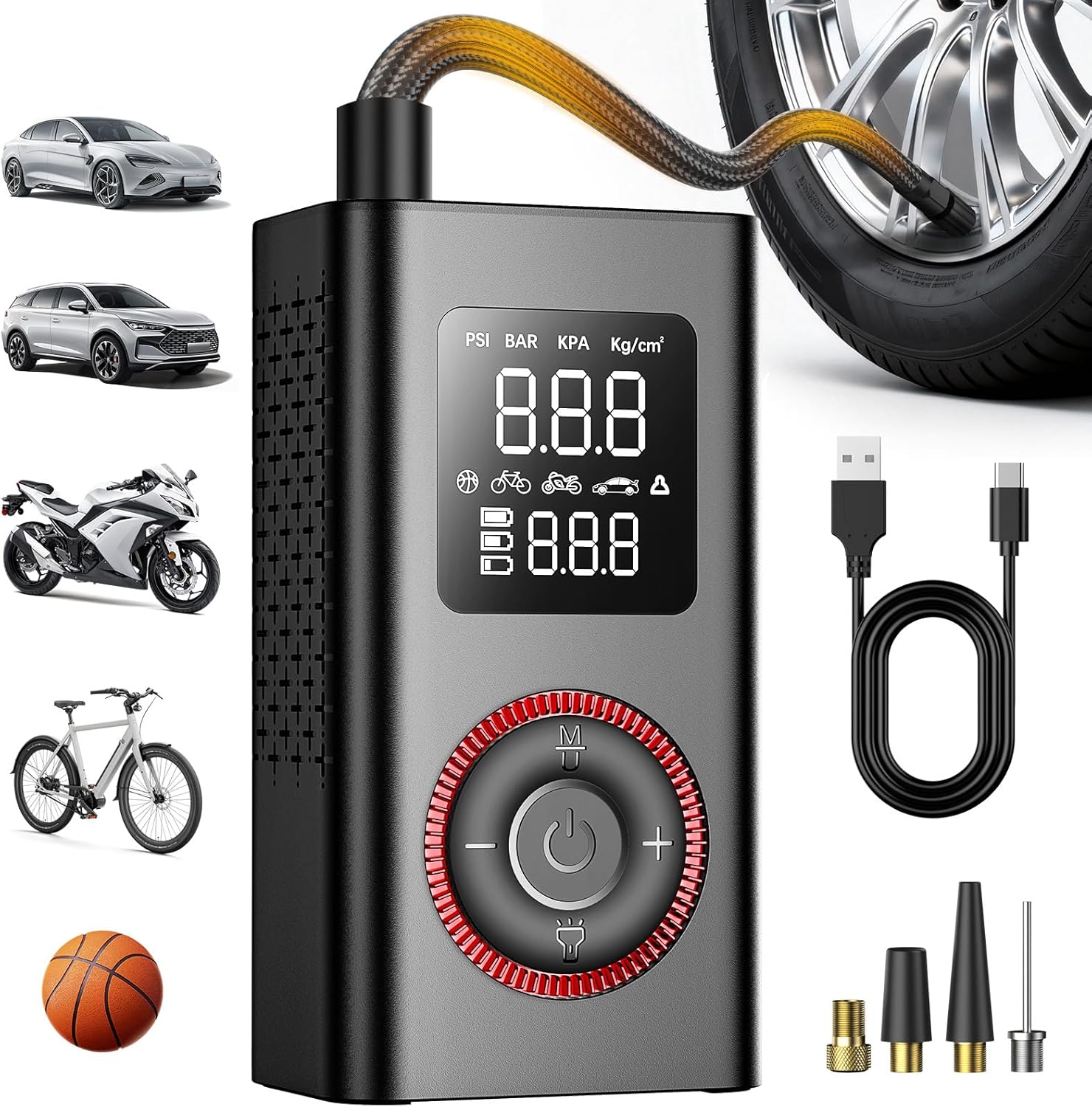
This portable tire inflator delivers fast, efficient inflation with a maximum 150 PSI rating and accurate pressure control for cars, motorcycles, bikes, and more. It features preset modes with automatic shutoff to help prevent overinflation, plus a real-time digital gauge and bright LED light for roadside use. Powered by a rechargeable 6000mAh battery with Type-C charging and a USB output, it’s also useful as an emergency power source for devices.
Tread Depth, Tire Age, and Condition Checks
Tire size is only one part of safety. A correctly sized tire can still be unsafe if it is worn, underinflated, cracked, damaged, overloaded, or too old for its condition.
TyreSafe states that the UK legal minimum tread depth for cars, light vans, and light trailers is 1.6 mm across the central three-quarters of the tread around the full circumference, and it recommends replacing tires at 3 mm for safety. TyreSafe’s tread depth guide also recommends checking tires monthly or before long trips. Laws vary by country, so always follow the rule in your location.
Check these items regularly:
- Tread depth: Use a tread depth gauge and check several grooves across each tire.
- Treadwear indicators: Many tires have raised wear bars in the grooves. If the tread reaches those bars, the tire is at its wear limit.
- Sidewalls: Look for cuts, bulges, cracks, exposed cords, or impact damage.
- Uneven wear: One-sided or patchy wear can point to alignment, suspension, pressure, or rotation issues.
- Date code: The DOT date code shows the week and year of manufacture. Tire age alone is not the only factor, but older tires should be inspected carefully.
- Spare tire: Check the spare’s size, pressure, tread, age, and condition before you need it.
Your Hilux tires are the only contact points between the truck and the road, so size, pressure, load rating, tread depth, and condition all work together.
Simple Hilux Tire Checklist Before You Buy
- Find the tire placard on your Hilux.
- Write down the listed tire size, load index, speed rating, and cold pressure.
- Compare the current tire sidewall with the placard.
- Confirm the wheel diameter matches the tire you plan to buy.
- Choose a load index and speed rating that meet or exceed Toyota’s requirement.
- Pick the tread type for your real driving conditions, not just appearance.
- If changing size, calculate the overall diameter difference and check legal limits.
- Confirm clearance at full steering lock and suspension compression.
- Check the spare tire and tire-pressure guidance.
- Have a qualified tire professional inspect the setup if you are unsure.
[Products Worth Considering]


Frequently Asked Questions
How do you read a Toyota Hilux tire size?
Read the code from left to right. In 265/65R17 112S, 265 is the tire width in millimeters, 65 is the sidewall height as a percentage of the width, R means radial construction, 17 is the wheel diameter in inches, 112 is the load index, and S is the speed rating.
Where is the correct tire size listed on a Hilux?
Check the tire placard on the driver-side door jamb or body pillar, then confirm with the owner’s manual. The sidewall on the current tire is helpful, but it may not be correct if a previous owner changed the wheels or tires.
What are common Toyota Hilux tire sizes?
Some current Toyota UK Hilux specifications list 265/65R17 and 265/60R18, but Hilux tire sizes vary by year, trim, cab style, drivetrain, market, and wheel package. Use your own vehicle’s placard or manual as the final authority.
Can you fit 33-inch tires on a Hilux?
Some Hilux setups can run 33-inch tires, but it depends on the model, suspension, wheel offset, trimming, legal limits, and intended load. Larger tires can affect braking, gearing, speedometer accuracy, clearance, insurance, and roadworthiness, so get the fitment checked professionally.
Do all four Hilux tires need to match?
For normal use, all four tires should match in size, construction type, load rating, speed rating, and similar tread wear. Mixing sizes or tread patterns can affect handling, braking, four-wheel-drive operation, and stability systems.
Should I use the tire sidewall pressure or the Hilux placard pressure?
Use the cold tire pressure listed on the Hilux placard or in the owner’s manual. The sidewall pressure is a maximum limit for the tire, not the recommended everyday pressure for your vehicle.
Conclusion
Choosing the right Toyota Hilux tire size is about more than matching numbers on the sidewall. Start with the placard, confirm the manual, then choose a tire with the correct wheel diameter, load index, speed rating, construction, tread type, and pressure guidance for how you actually use the truck. If you stay with Toyota-approved sizing, maintenance is simple. If you upsize or fit more aggressive tires, check clearance, speedometer accuracy, legality, and safety before calling the job done.
Sources
- Toyota UK Hilux Technical Specifications — current Hilux wheel and tire examples, including 265/65R17 and 265/60R18.
- Michelin Tire Markings Explained — sidewall code meanings, tire width, aspect ratio, construction, wheel diameter, and pressure-marking guidance.
- Michelin Tire Load Rating and Speed Rating Guide — load rating, speed rating, placard/manual guidance, and replacement safety advice.
- Bridgestone Speed and Load Rating Charts — load index conversions and speed rating examples such as T = 190 km/h.
- NHTSA Tire Safety Brochure — tire sidewall information and speed rating reference, including T = 118 mph.
- TyreSafe Tread Depth Guide — UK tread-depth law, monthly checks, and replacement guidance.

Related Articles
Toyota Hilux Run-Flat Tires: What You Need to Know
Take control of your safety with Toyota Hilux run-flat tires; discover their benefits and hidden costs that could change your driving experience forever.
Read More
Effects of Underinflated Tires on the Toyota Hilux
Inadequate tire pressure in your Toyota Hilux can lead to serious safety issues and costly repairs; discover how to avoid these pitfalls.
Read More
The Risks of Overinflating Toyota Hilux Tires
Overinflating your Toyota Hilux tires can lead to dangerous blowouts and uneven wear, but understanding the risks is crucial for your safety.
Read More