
When Is a Tire Too Old to Use Safely? The DOT Age Rule for Trucks
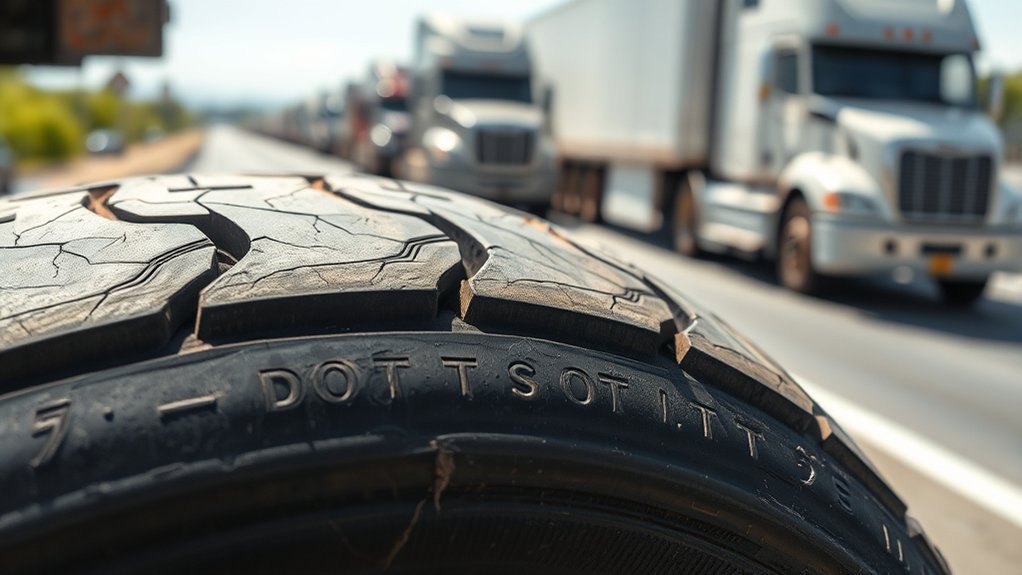
Tire age matters because rubber changes over time, even when the tread still looks usable. The safest way to check age is to read the DOT Tire Identification Number on the sidewall, then combine that date with tread depth, cracking, inflation history, storage conditions, and how the tire feels on the road. Six years is a common point for closer inspection, while many vehicle and tire makers recommend replacing tires somewhere between six and 10 years old, regardless of treadwear.
Quick Answer
Check tire age by finding the DOT Tire Identification Number on the sidewall. The last four digits show the week and year made, such as 2626 for the 26th week of 2026. Inspect tires closely after six years, and replace most tires by 10 years or sooner if damaged.
Key Takeaways
- The last four digits of the DOT Tire Identification Number show the tire’s production week and year.
- Six years is not an automatic failure date, but it is a smart point for closer inspection and replacement planning.
- Tires become more failure-prone with age, especially when exposed to heat, sunlight, poor storage, underinflation, or overloading.
- Replace any tire with cracks, bulges, exposed cords, tread separation, repeated pressure loss, or vibration.
- Check spare tires too because they age even when they rarely touch the road.
At a Glance
| Time Required | 5 to 10 minutes for all four tires and the spare |
| Difficulty | Easy |
| Tools Needed | Flashlight, tire pressure gauge, tread-depth gauge or penny, and gloves |
| Cost | Usually free; a basic tire gauge or tread gauge is inexpensive |
Understanding Tire Age and Its Impact on Safety
How can you know whether your tires are still safe? Start with age, then look at condition. Tire age alone does not tell the whole story, but it gives you an important safety clue.
The National Highway Traffic Safety Administration says tire aging happens when rubber and other tire components change over time because of service, storage, and environmental conditions. NHTSA also notes that sunlight, warmer climate, poor storage, and poor maintenance can contribute to tire aging.
That means a low-mileage tire can still age out. A weekend car, RV, trailer, collector car, or spare tire may look almost new but still have older rubber. On the other hand, a newer tire can become unsafe early if it has cracks, bulges, puncture damage, exposed cords, uneven wear, or repeated pressure loss.
NHTSA reported 511 traffic fatalities in tire-related crashes in 2024, which makes routine tire checks more than a maintenance habit.
Warning: Do not rely on tread depth alone. A tire with deep tread can still be unsafe if it is old, cracked, separated, out of round, repeatedly losing air, or damaged from impact.
[Products Worth Considering]

EVOULTES heavy duty tire inflator with an integrated gauge delivers accurate pressure readings from 10–120 PSI, helping you inflate, deflate, and check tires in one tool. The 16.5-inch extended dual-head air chuck with swivel base reaches hard-to-access dual wheel valves on trucks and RVs. A brass trigger core and side-mounted air release valve make operation smooth, with standard 1/4" NPT threading and quick-connect compatibility for easy setup.

Upgrade your air tools with this 18-piece air compressor accessory kit featuring a 25ft recoil poly hose, 1/4" NPT quick connect fittings, and a 100 PSI tire inflator gauge. The set also includes a heavy-duty blow gun with safety and tapered nozzles, plus couplers, inflation needles, plugs, and other essentials for everyday mechanic and workshop tasks. Corrosion-resistant steel and brass components help keep connections reliable for inflating, blowing out, and general pneumatic use.

The AstroAI 2 pack air chucks provide a heavy-duty, closed-flow locking design that helps keep air flowing during inflation while securely attaching to the valve stem. Built with 250 PSI rated brass components and compatible with Schrader valves, they feature 1/4" female NPT threads for a wide fit with common inflators. The straight tip and locking clip make filling tires and monitoring pressure more convenient.
Understanding the DOT Tire Code and Its Importance
The DOT Tire Identification Number, often called the DOT code or TIN, is molded into the tire sidewall. It starts with “DOT” and includes letters and numbers that identify the plant, tire size, tire type, and manufacturing date.
For tires made after 2000, the last four digits show the production week and year. For example, a tire ending in 3524 was made in the 35th week of 2024. A tire ending in 2626 was made in the 26th week of 2026.
You may need to check both sidewalls because the full DOT Tire Identification Number does not always appear on the outward-facing side. If the date code faces inward, a tire shop can lift the vehicle or remove the wheel to inspect it safely.
How to Check Your Tire’s Age Using the DOT Code
To check your tire’s age, find the DOT code on the tire sidewall and read the final four digits. The first two digits show the week of production, and the last two digits show the year.
Where to Find the DOT Code
Look on the outer sidewall first. You should see “DOT” followed by a string of letters and numbers. If you only see a partial code, check the inner sidewall because the full code may face the vehicle.
Use a flashlight and turn the steering wheel when checking front tires. For rear tires or low-clearance vehicles, avoid crawling under an unsupported vehicle. Ask a tire shop to check the inner sidewall if you cannot see the full code safely.
Understanding the Date Code Format
The date code is simple once you know what to look for. In a four-digit code, the first two digits show the week, and the last two show the year.
- 1219 means the tire was made in the 12th week of 2019.
- 4022 means the tire was made in the 40th week of 2022.
- 0526 means the tire was made in the 5th week of 2026.
Tires with a three-digit date code were made before 2000. Those tires are far beyond normal service age today and should not be used on the road.
Interpreting the Production Date
The production date helps you decide how closely to inspect the tire and when to plan replacement. Use this simple guide:
| Tire Age | What to Do |
| 0 to 5 years | Inspect monthly for pressure, tread, cracks, punctures, and uneven wear. |
| 6 to 9 years | Inspect more carefully and ask a tire professional whether replacement is due, especially in hot climates or on low-use vehicles. |
| 10 years or older | Replace unless the tire manufacturer gives a different written limit for that exact tire type and use. |
Note: Age guidance does not override visible damage. Replace a damaged tire immediately, even if it is only a few years old.
Environmental Factors Influencing Tire Aging
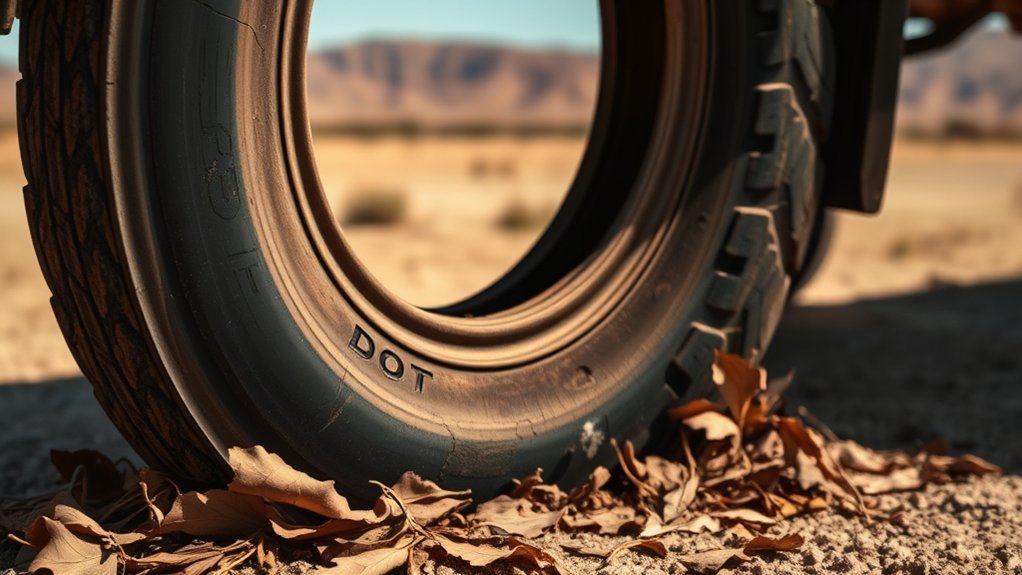
Environmental conditions can speed up tire aging. Heat, sunlight, poor storage, underinflation, and overloading all place extra stress on rubber and internal tire components.
Heat Exposure Effects
Heat is one of the biggest tire-aging factors. Long highway trips, hot pavement, underinflation, and heavy loads can increase tire temperature. Sustained high heat can contribute to deterioration, blowouts, and tread separation.
- Check cold pressure monthly: Measure pressure before driving or after the vehicle has been parked for at least three hours.
- Do not overload: Follow the vehicle’s tire and loading label, usually on the driver’s doorjamb.
- Watch for pressure loss: A tire that keeps losing air needs professional inspection.
- Inspect before long trips: Look for cracks, bulges, cuts, nails, and abnormal wear.
UV Radiation Impact
Sunlight can dry and harden rubber over time. Tires stored outdoors, mounted on RVs, trailers, and parked vehicles, often face long UV exposure.
Use tire covers for long-term outdoor storage, park in shade when practical, and avoid letting vehicles sit for months without inspection. If sidewalls show cracking, discoloration, or dry rot, have the tires inspected before driving.
Moisture and Humidity Influence
Moisture can worsen storage conditions, especially when tires sit directly on damp ground or remain exposed to weather. Mounted tires can also suffer from wheel corrosion, valve-stem issues, and slow leaks.
Store loose tires in a cool, dry, clean place away from direct sunlight, electric motors, petroleum products, and ozone sources. Keep mounted tires inflated to the vehicle or tire maker’s storage recommendation.
Why Is the Six-Year Rule Important for Your Tires?
The six-year rule matters because it gives you a practical safety checkpoint. NHTSA explains that some vehicle and tire manufacturers recommend replacing tires that are six to 10 years old, regardless of treadwear. That does not mean every tire fails on its sixth birthday, but it does mean age deserves attention.
At six years, look beyond tread depth. Ask whether the tire has spent years in heat, sunlight, stop-and-go traffic, heavy loads, poor storage, or low-pressure operation. Those conditions can shorten useful life.
| Age | Inspection Frequency | Replacement Guidance |
| 0 to 3 years | Monthly owner checks | Replace only for wear, damage, recalls, or performance issues. |
| 4 to 5 years | Monthly checks plus routine service inspections | Plan ahead if you drive in heat, tow, carry heavy loads, or use the vehicle rarely. |
| 6 to 9 years | Monthly checks and professional inspection | Consider replacement based on tire maker guidance, condition, climate, and use. |
| 10+ years | Immediate professional review | Replace in most normal passenger-vehicle uses. |
How to Identify Aging Tires: Key Signs to Watch For
To identify aging tires, check the DOT date code, inspect the rubber, measure tread depth, and pay attention to how the vehicle drives. Age-related damage can appear slowly, so routine checks matter.
Visual Inspection Techniques
A careful visual inspection can reveal problems before a tire fails. Look for these warning signs:
- Sidewall cracks: Fine cracking can signal dry, aging rubber.
- Bulges or bubbles: A bulge can mean internal tire damage and needs immediate attention.
- Cuts or exposed cords: Do not drive on a tire with exposed internal material.
- Uneven wear: One-sided wear, cupping, or feathering can point to alignment, suspension, inflation, or balance problems.
- Tread separation: Raised areas, vibration, or a thumping sound can point to serious internal failure.
Tread Depth Assessment
Tread depth affects wet-road traction and braking. NHTSA says tires are not safe and should be replaced when tread is worn down to 2/32 of an inch. You can check this with a tread-depth gauge or the penny test.
To use the penny test, place a penny into the tread with Lincoln’s head upside down and facing you. If you can see the top of Lincoln’s head, the tread is too worn and the tire should be replaced.
For wet roads, snow, towing, or long highway driving, do not wait until the tire reaches the bare minimum. Reduced tread depth can hurt traction before the tire is legally worn out.
Date Code Check
Use the date code as part of every tire inspection:
- Find the DOT Tire Identification Number on the sidewall.
- Look for the last four digits in the full code.
- Read the first two digits as the production week.
- Read the last two digits as the production year.
- Check all four tires and the spare because they may not be the same age.
Pro Tip: When buying used tires or a used vehicle, check the DOT date code before you negotiate. A tire with good tread but an old date code may still need replacement soon.
What Are the Risks of Using Old Tires?
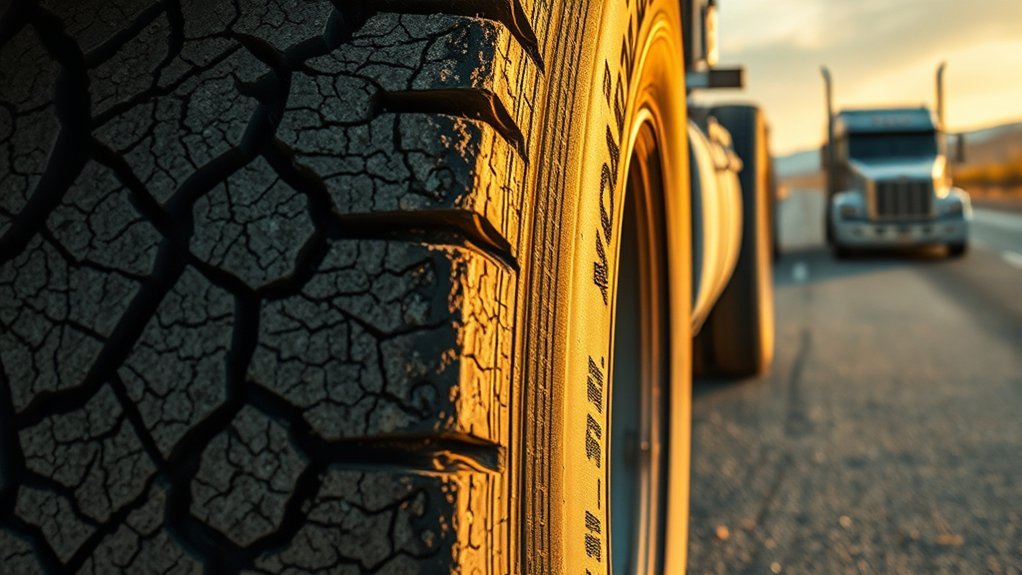
Using old tires can increase the risk of tire failure because aging rubber and internal components become more vulnerable over time. The danger can be hard to spot from the outside, especially on vehicles that sit for long periods.
Old or degraded tires may be more likely to suffer tread separation, blowouts, cracking, vibration, and sudden pressure loss. These problems can become more serious at highway speeds, in hot weather, under heavy loads, or when tires are underinflated.
You should stop using a tire immediately if it has a visible bulge, exposed cords, deep cracks, tread separation, repeated air loss, or a vibration that starts suddenly. Have the tire inspected before driving again.
What to Check Before Buying Used Tires
Used tires can look like a bargain, but age and hidden damage matter. Before buying, check these points:
- DOT date code: Avoid old tires, even if the tread looks deep.
- Recall status: Use the NHTSA recall lookup to check for tire recalls when you have the right tire information.
- Repairs: Avoid tires with sidewall repairs, large punctures, or poor plug-only repairs.
- Sidewall condition: Reject tires with cracking, bubbles, cuts, or exposed cords.
- Matching set: Avoid mixing different sizes, load ratings, or tire types unless your vehicle manufacturer specifies that setup.
- Professional inspection: Ask a tire shop to inspect used tires before installation.
Used-tire rules vary by location, so do not assume a tire is safe just because someone is selling it. The date code and condition still matter.
[Products Worth Considering]

The JACO FlowPro Tire Inflator measures, inflates, and airs down tires up to 100 PSI with battery-free operation and ±2% accuracy after calibration. It features a glowing pressure dial for night visibility, a heavy-duty steel build with a hybrid hose, and a precision push-to-inflate thumb trigger. The patented Lightning Air Chuck locks on for a secure seal, and the kit includes quick-connect hardware for easy inline use with your air compressor.

This portable cordless tire inflator delivers fast, efficient inflation for cars, motorcycles, bikes, and sports balls with a digital pressure gauge. Use the one-click PSI preset with auto shut-off for accurate, hands-free topping to your target pressure up to 150 PSI. It’s compact and rechargeable with a built-in emergency LED light plus valve adapters and accessories for quick, ready-to-go use.
Top Tips for Storing Tires Safely
Proper storage can slow tire aging, but it cannot stop it completely. If you store seasonal tires, trailer tires, RV tires, or a spare set, protect them from heat, sunlight, moisture, and chemicals.
- Choose a cool, dry place: Keep tires away from direct sunlight, high heat, and standing water.
- Clean before storage: Remove road grime, salt, and debris, then let the tires dry fully.
- Keep them away from chemicals: Avoid contact with gasoline, oil, solvents, and petroleum-based products.
- Use opaque covers: Tire bags or covers help reduce UV exposure.
- Store mounted tires properly: Keep mounted tires inflated and avoid stacking heavy items on them.
- Store loose tires carefully: Stand unmounted tires upright when possible and rotate their position occasionally.
Recommendations for Regular Tire Inspections and Maintenance
Regular tire checks help you catch aging, wear, and pressure problems before they become dangerous. Check all tires, including the spare, at least once a month and before long trips.
- Check cold tire pressure: Use the pressure listed on the vehicle’s tire and loading label or owner’s manual, not the maximum pressure printed on the tire sidewall.
- Measure tread depth: Replace tires at 2/32 inch, and consider earlier replacement for wet, snowy, or heavy-use driving.
- Look for damage: Check for cracks, cuts, bulges, punctures, exposed cords, and uneven wear.
- Rotate tires: Follow your owner’s manual or tire shop guidance, often every 5,000 to 8,000 miles when rotation is allowed.
- Check alignment and balance: Pulling, shaking, or uneven wear can mean the tires need service or the vehicle needs repair.
- Watch performance changes: New noise, vibration, pulling, or repeated pressure loss needs prompt inspection.
Don’t Forget the Spare Tire
Spare tires age too. A full-size spare may have never been used, but the rubber still changes over time. A compact temporary spare also has strict speed, distance, and pressure limits that you should confirm in your owner’s manual.
Check the spare’s DOT date code, inflation pressure, tread, and sidewall condition at least twice a year and before long trips. Make sure the jack, lug wrench, wheel lock key, and inflation tools are still in the vehicle.
NHTSA recommends that a full-size spare not be used as a regular replacement for worn tires except in emergencies. Replace the damaged or worn tire properly as soon as possible.
What to Do During a Tire Blowout
A blowout can feel sudden and frightening, but your response matters. If a tire fails while driving, focus on keeping the vehicle stable.
- Hold the steering wheel firmly with both hands.
- Do not slam on the brakes.
- Keep the vehicle moving straight and avoid sharp steering.
- Gradually ease off the accelerator.
- Let the vehicle slow down while staying in control.
- Move to a safe shoulder or exit when traffic allows.
- Turn on hazard lights and call for help if needed.
After a blowout, do not keep driving on the damaged tire. The wheel, suspension, brake lines, and body panels may also need inspection.
What to Do If You’ve Been in a Tire-Related Accident
If you have been involved in a tire-related accident, take calm, practical steps to protect your safety and preserve important information. This section is general safety information, not legal advice.
- Move to safety: Get out of traffic if you can do so without creating more risk.
- Call emergency services: Report injuries, road hazards, or disabled vehicles.
- Seek medical attention: Some injuries are not obvious right away.
- Document the scene: Take photos of the vehicle, tire, DOT code, tread, road conditions, and debris if it is safe.
- Preserve the tire: Do not discard the failed tire until your insurer or a qualified professional has reviewed it.
- Contact your insurer: Report the incident and follow their claim process.
- Report safety concerns: If you suspect a tire defect, you can submit a complaint through NHTSA’s safety problem reporting system.
Frequently Asked Questions
Can I use tires older than six years if they appear fine?
Maybe, but only after a careful inspection and with your tire or vehicle manufacturer’s guidance. Six years is a common point for closer review, not an automatic failure date. Replace the tire sooner if it has cracking, bulges, tread separation, repeated air loss, or unusual vibration.
How often should I inspect my tires for age and condition?
Check your tires at least once a month and before long trips. Inspect pressure, tread depth, sidewall cracks, bulges, punctures, uneven wear, and the DOT date code. Include the spare tire in the same routine.
Does tire brand affect aging and safety?
Tire construction, materials, storage, maintenance, climate, driving habits, and load all affect tire life. A reputable brand helps, but no brand makes a tire immune to age, heat, underinflation, impact damage, or poor storage.
Are there exceptions to the six-year age rule?
Yes. Some tires may remain serviceable after six years if they are well maintained, properly stored, and professionally inspected. However, many tire and vehicle makers recommend replacement somewhere between six and 10 years, regardless of treadwear.
What should I do with old tires after removal?
Take old tires to a tire retailer, municipal recycling program, or approved tire recycling center. Do not dump them or store large piles at home because scrap tires can collect water, attract pests, and create fire hazards.
Do spare tires expire?
Spare tires age like regular tires, even when unused. Check the DOT date code, pressure, sidewalls, and tread. Do not use a full-size spare as a long-term replacement for worn tires unless a qualified tire professional confirms it is safe for regular service.
Conclusion
Understanding tire age helps you make safer replacement decisions before a tire becomes a hidden hazard. Start with the DOT Tire Identification Number, then inspect tread depth, pressure, cracks, bulges, storage history, and driving symptoms. Treat six years as a serious inspection point, and replace most tires by 10 years or sooner if condition, climate, damage, or manufacturer guidance calls for it.
A few minutes with a flashlight, tire gauge, and date-code check can prevent bigger problems later. When you are unsure, ask a qualified tire professional to inspect the tire before you keep driving on it.
Sources
- NHTSA TireWise — tire aging, DOT/TIN date code, pressure checks, tread depth, tire maintenance, and tire-related crash data
- NHTSA Recalls — checking tire and vehicle recalls
- NHTSA Report a Safety Problem — reporting suspected tire defects or safety issues
- U.S. EPA Recycling Basics — responsible recycling and disposal principles

Related Articles
Toyota Tundra Tire and Wheel Package: What to Consider Before Buying
Unlock the secrets to choosing the perfect tire and wheel package for your Toyota Tundra—essential tips await to enhance your ride.
Read More
Do Bigger Tires Void a Toyota Tundra Warranty? Magnuson-Moss Act Explained
Bigger tires might not void your Toyota Tundra warranty, but understanding the Magnuson-Moss Act is crucial—discover how to protect your investment effectively.
Read More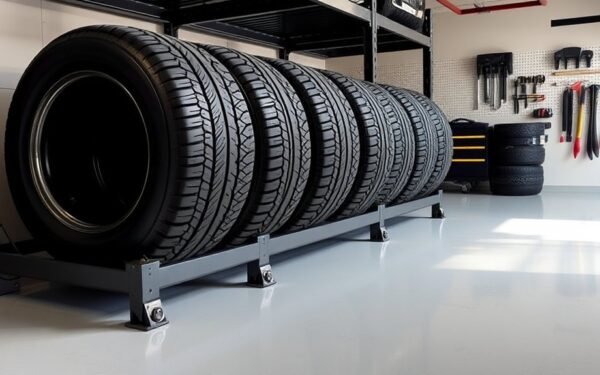
Toyota Tundra Tire Rack Setup: Garage Storage Ideas for Seasonal Sets
Better tire storage for your Toyota Tundra awaits—discover essential tips to maximize space and protect your seasonal sets in the garage!
Read More