
How to Protect Tires From UV and Sun Damage: Simple Prevention Methods
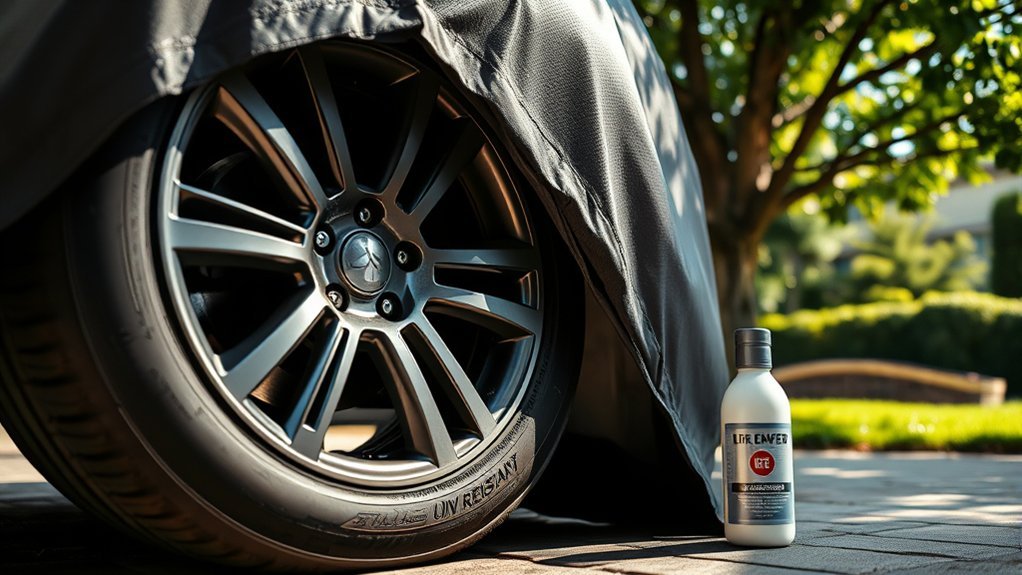
To protect your tires from UV and sun damage, regularly inspect them for cracks and fading. Use UV-resistant tire covers to shield against direct sunlight and maintain proper tire inflation to boost resilience. Clean your tires with mild soap and water to prevent heat buildup, and apply water-based protectants with UV blockers every few months. Park in shaded areas when possible. These simple steps can greatly extend your tire lifespan and guarantee safety on the road. Discover more essential tips ahead!
Why UV and Sun Protection for Tires Is Essential
When you consider the safety and longevity of your vehicle, protecting your tires from UV damage is essential. UV rays can greatly contribute to rubber deterioration, leading to dry rot and cracks that compromise the structural integrity of your tires. This deterioration not only shortens your tire lifespan but also increases the risk of dangerous blowouts. Regular sunlight exposure accelerates aging, causing tires to lose flexibility and grip, which can negatively impact your driving performance and safety.
Tires over seven years old are particularly vulnerable and should be inspected often, as UV exposure can hasten damage, regardless of their appearance. To safeguard against these risks, applying UV protectant sprays can maintain rubber flexibility and extend tire lifespan. Additionally, parking in shaded areas or using tire covers effectively reduces direct sun exposure, protecting your tires from harmful UV radiation and enhancing overall safety on the road.
How to Identify and Prevent UV Damage on Tires?
To keep your tires in top shape, it’s essential to spot signs of UV damage early, like cracking or fading. Implementing effective UV protection strategies, such as using tire covers or applying protectant sprays, can greatly extend their lifespan. Regular maintenance practices, including monitoring tire pressure and cleaning with mild soap, will further shield your tires from harmful sun exposure.
Common Signs of Damage
Tires are your vehicle’s only contact with the road, making their condition vital for safety. To guarantee tire longevity, watch for these common signs of UV damage:
- Visible Cracks: These indicate rubber deterioration, compromising integrity.
- Fading Color: A noticeable change in hue signals exposure to harmful UV rays.
- Chalky Texture: A dry, powdery appearance suggests the rubber is breaking down.
Regularly inspecting your tires can help you catch these issues early. Check for surface cracks and tread depth, and remember, maintaining proper tire inflation is essential. Underinflated tires are more vulnerable to UV damage, leading to increased risks of blowouts. Being proactive helps you stay safe on the road and extends the life of your tires.
Effective UV Protection Strategies
While you might not notice it at first, UV rays can silently wreak havoc on your tires over time. To effectively shield your tires, start by regularly inspecting them for cracks or dry rot, especially on older tire materials. Utilizing UV-resistant tire covers when parked can prevent direct sunlight exposure and minimize temperature effects that accelerate deterioration. Keep your tires properly inflated; underinflated tires flex more, making them vulnerable to UV damage. Every few months, apply water-based tire protectants with UV blockers to maintain rubber flexibility. Finally, whenever possible, park in shaded areas or garages to considerably extend your tires’ lifespan by reducing UV-related degradation. Taking these steps can liberate you from frequent tire replacements.
Regular Maintenance Practices
Regularly inspecting your tires is essential for identifying and preventing UV damage. To enhance tire longevity, incorporate these tire longevity tips into your maintenance schedule:
- Check for visible signs: Look for cracks or fading that indicate UV damage, allowing you to address issues promptly.
- Maintain proper inflation: Verify your tires are adequately inflated; underinflated tires are more vulnerable to UV exposure and cracking.
- Use protective measures: Employ tire covers or park in shaded areas to minimize sun exposure, reducing the risk of dry rot and fading.
Cleaning your tires with mild, water-based solutions helps remove dirt that can accelerate UV damage. Additionally, applying UV protectant sprays keeps the rubber flexible and extends its lifespan against sun damage. Stay proactive!
Best Cleaning Methods to Protect Tires From Sun Damage
To keep your tires in top shape and shield them from harmful UV rays, it is essential to adopt effective cleaning methods. Regular tire cleaning with mild soap and water removes dirt and grime, preventing heat and moisture buildup that can accelerate UV damage. Avoid harsh chemicals that can degrade rubber, making it more vulnerable to sun damage.
After cleaning, apply a water-based tire dressing with UV protection to maintain rubber flexibility and shield against harmful rays. Confirm your tires dry completely to prevent water spots and damage from heat exposure. Regular inspections for signs of cracking or fading are also fundamental. Clean your tires monthly to extend their lifespan and maintain peak performance.
| Step | Action |
|---|---|
| 1. Clean | Use mild soap and water |
| 2. Avoid | Steer clear of harsh chemicals |
| 3. Dress | Apply UV-protectant tire dressing |
| 4. Inspect | Check for cracks and fading monthly |
How to Pick the Best Tire Protectant for Sun Protection?
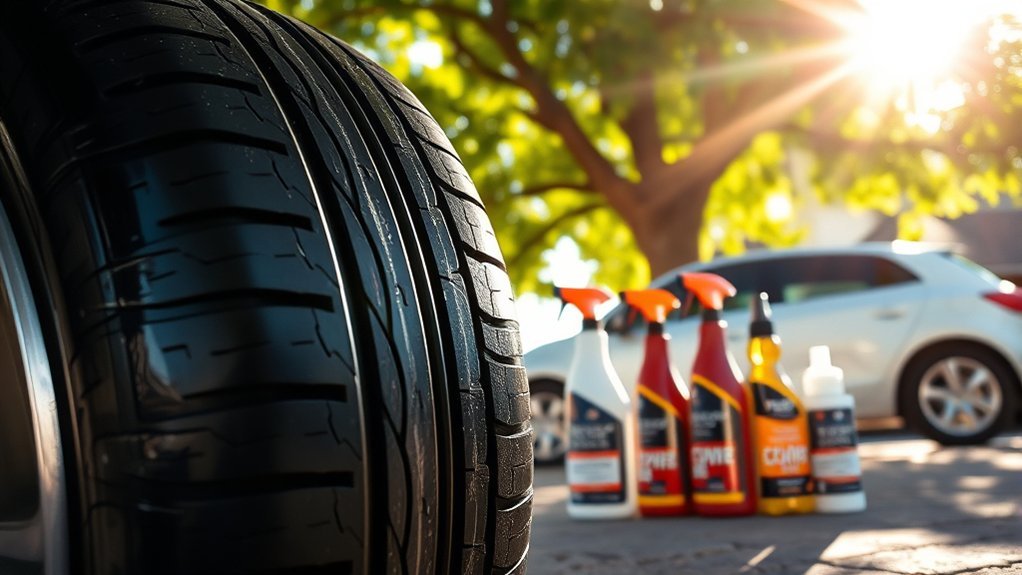
How can you choose the best tire protectant to shield your tires from harmful UV rays? Start by looking for products that contain UV blockers to maintain rubber flexibility. Highly rated options, like Aerospace 303 Protectant, effectively combat sun damage. Here are some key factors to take into account:
Choosing a tire protectant with UV blockers, like Aerospace 303, can significantly extend your tires’ lifespan and flexibility.
- Tire Protectant Types: Opt for water-based protectants, as they’re less likely to contain harmful petroleum distillates that degrade rubber over time.
- Application Techniques: Choose wipe-on protectants for better control, avoiding overspray on rims or paint.
- Chemical Safety: Confirm the protectant is free from harmful chemicals and has positive reviews for durability and dust attraction.
Regularly applying your chosen protectant every few weeks or after each wash enhances its effectiveness, especially when tires are cleaned beforehand. By selecting wisely, you empower your tires to resist UV damage, extending their lifespan.
Smart Parking Tips to Protect Your Tires
When parking your vehicle, always opt for shaded areas to shield your tires from harmful UV rays that can cause dry rot. If shade isn’t available, using tire covers can provide an extra layer of protection. By taking these simple steps, you can considerably extend the life of your tires and keep them in excellent condition.
Choose Shaded Parking Areas
Choosing shaded parking areas can make a substantial difference in your tires’ longevity. By strategically parking in the shade, you can take advantage of several shaded benefits that considerably reduce UV damage. Here are some effective parking strategies:
- Maximize Tire Lifespan: Tires parked in the shade can last up to 30% longer due to reduced sunlight exposure.
- Utilize Covered Structures: Opt for garages or carports to shield your tires from harmful UV rays.
- Switch Parking Spots: Regularly changing your parking location minimizes prolonged sun exposure on specific tire areas.
Use Tire Covers Regularly
Using tire covers regularly is a simple yet effective way to shield your tires from harmful UV rays. Investing in quality, UV-resistant tire covers made from durable materials like vinyl can greatly enhance tire longevity. The tire cover benefits include preventing fading and cracking, which can lead to costly replacements. Cover maintenance is essential, so inspect your tires periodically for signs of dry rot or damage, even when covered. Don’t forget to utilize shaded parking options and rotate your parking spots to avoid flat spots. Remember, UV damage can happen year-round, so using covers in both summer and winter is wise. By taking these steps, you’ll keep your tires in top shape and extend their lifespan.
Why Tire Covers Are Essential for UV Protection
While many overlook the importance of tire care, investing in tire covers is essential for protecting your tires from harmful UV damage. These covers offer significant tire cover benefits, guaranteeing your tires withstand the test of time.
Investing in tire covers is crucial for shielding your tires from harmful UV damage and ensuring their longevity.
- Block Harmful UV Rays: They shield against the sun’s rays, preventing cracks and fading.
- Prevent Heat Buildup: By reducing heat exposure, they help maintain peak tire performance and safety.
- Enhance Appearance: High-quality covers made from UV-resistant materials protect from dirt and rain, improving your tires’ look.
Using tire covers minimizes direct sunlight, lowering the risk of dry rot and blowouts. This simple preventative measure not only prolongs tire lifespan but also saves you money on premature replacements. By prioritizing UV resistance features, you guarantee safer driving conditions and enjoy the freedom of the open road without worry.
Regular Maintenance Practices for Tire Longevity
Protecting your tires from UV damage is just the beginning; regular maintenance plays a pivotal role in extending their lifespan. Start with a monthly inspection of your tires for signs of dry rot, cracks, or fading. This simple step keeps them safe and functional. Next, maintain proper tire inflation by checking the PSI monthly; underinflated tires are prone to overheating and cracking.
Cleaning your tires with mild soap and water helps remove dirt while preventing heat buildup that accelerates UV damage. Every few months, apply tire protectant sprays with UV blockers to maintain rubber flexibility and shield against sun exposure. Finally, don’t forget to rotate your tires every 5,000 to 7,500 miles to guarantee even wear, greatly enhancing your tire lifespan. Keep this maintenance checklist handy, and you’ll enjoy safer, longer-lasting tires on every journey.
Common Mistakes to Avoid When Protecting Your Tires
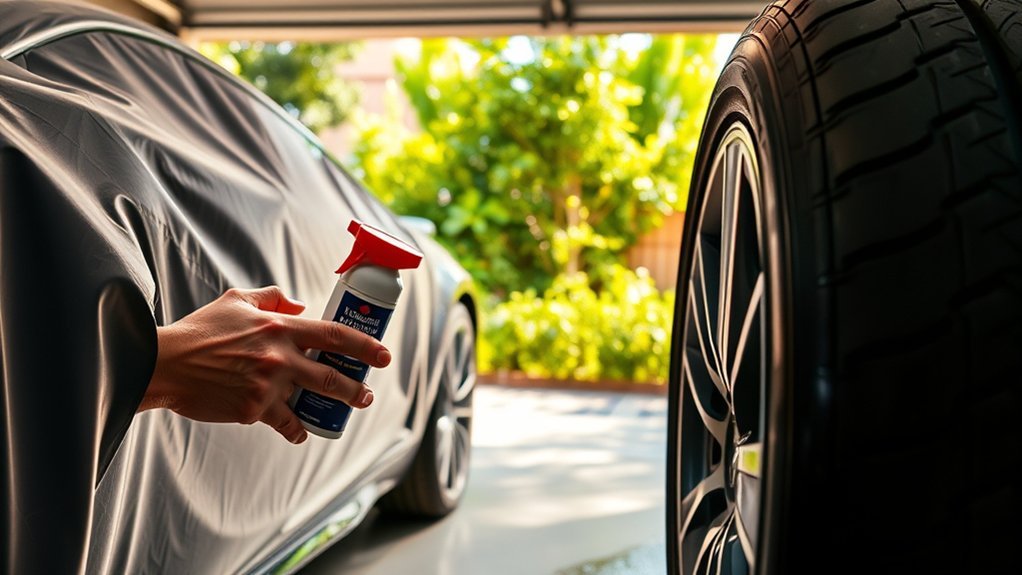
When it comes to safeguarding your tires from UV damage, making common mistakes can undermine your efforts and lead to costly replacements. To truly extend your tire lifespan, avoid these pitfalls:
- Neglecting Regular Inspections: Monthly checks for cracks or fading can prevent safety hazards and premature replacements.
- Using Inappropriate Cleaning Products: Harsh chemicals can degrade rubber, increasing the risk of dry rot and sun damage.
- Overlooking Tire Covers: Failing to use protective covers exposes tires to relentless sun exposure, heightening the risk of UV damage.
Additionally, don’t ignore proper tire inflation or skip rotations. Low pressure leads to heat buildup, worsening sun damage, while uneven wear makes some tires more vulnerable. By steering clear of these mistakes, you can considerably boost your tires’ durability and performance.
Frequently Asked Questions
How Can I Protect My Tires?
To protect your tires, use tire covers and UV shields, apply protective coatings regularly, and conduct inspections to catch issues early. These steps enhance durability, ensuring your tires stay in top condition longer.
Conclusion
To sum up, taking proactive steps to protect your tires from UV and sun damage can greatly extend their lifespan. Why risk costly replacements when simple measures can make such a difference? By regularly cleaning, using protectants, and parking smartly, you can keep your tires in top shape. Remember, a little prevention goes a long way in ensuring safety and performance on the road. Don’t wait—start implementing these strategies today for a smoother ride tomorrow!

Related Articles
Tire Storage Tips for Winter or Summer Sets: Temperature, Position, and More
Begin your journey to optimal tire storage with essential tips on temperature, position, and maintenance—discover how to protect your investment today!
Read More
How to Extend Tire Life on a Heavy Truck: 10 Proven Maintenance Tips
Optimize your heavy truck’s tire life with proven maintenance tips—discover essential practices that could save you money and enhance performance.
Read More
Five-Tire Rotation for a Toyota Tundra: Including the Spare Tire
An effective five-tire rotation for your Toyota Tundra, including the spare, can dramatically enhance performance—discover the best practices you shouldn't miss!
Read More