
Nitrogen vs Air in 4Runner Tires: Is There a Real Benefit
For daily Toyota 4Runner driving, nitrogen tire inflation is usually not worth paying extra for. Nitrogen can slow pressure loss a little, but it does not remove the need to check your tires. The bigger win is simple: use the cold PSI on your 4Runner’s door placard, check it monthly, and top off whenever pressure is low.
Quick Answer
Nitrogen is not a must-have for a 4Runner. It can hold pressure slightly longer than regular air, but the real-world gain is small for normal commuting, errands, and light weekend use. If nitrogen is free and convenient, it is fine. If it costs extra, regular air plus monthly cold-pressure checks is the better value.
Key Takeaways
- Use the same recommended cold PSI whether your 4Runner tires are filled with nitrogen or regular compressed air.
- Nitrogen can reduce pressure loss, but it does not eliminate monthly pressure checks.
- Consumer Reports found a 1.3 psi annual pressure-loss difference between air-filled and nitrogen-filled tires in its one-year test.
- Air and nitrogen can be mixed safely when you need to top off a tire.
- For daily driving, spend money on a good tire gauge, rotations, alignment, and quality tires before paying extra for nitrogen.
Why Nitrogen Won’t Transform Your 4Runner’s Daily Performance
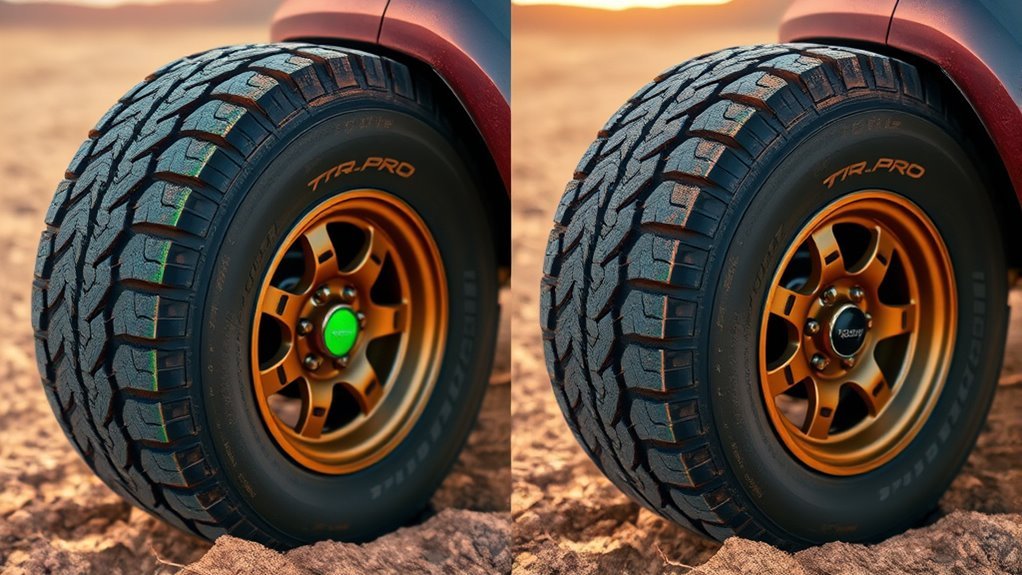
Nitrogen has one real advantage: it tends to seep through tire rubber more slowly than regular compressed air. That sounds impressive, but for a daily-driven 4Runner, the practical difference is small unless you stop checking pressure altogether, which you should never do.
Regular compressed air is already mostly nitrogen. The difference is that tire-shop nitrogen is usually drier and has more oxygen removed. That can slightly improve pressure retention, but it does not change your correct PSI, your load rating, your tread depth, your alignment, or the need to inspect your tires.
The practical rule is simple: if nitrogen is included for free with new tires, use it. If a dealer or shop is charging extra, regular air is the smarter choice for most 4Runner owners.
Pro Tip: A reliable tire pressure gauge will do more for your 4Runner than paid nitrogen. Check all four tires when cold, and check the spare if your model carries one.
[Products Worth Considering]

EVOULTES heavy duty tire inflator with an integrated gauge delivers accurate pressure readings from 10–120 PSI, helping you inflate, deflate, and check tires in one tool. The 16.5-inch extended dual-head air chuck with swivel base reaches hard-to-access dual wheel valves on trucks and RVs. A brass trigger core and side-mounted air release valve make operation smooth, with standard 1/4" NPT threading and quick-connect compatibility for easy setup.

The AstroAI 2 pack air chucks provide a heavy-duty, closed-flow locking design that helps keep air flowing during inflation while securely attaching to the valve stem. Built with 250 PSI rated brass components and compatible with Schrader valves, they feature 1/4" female NPT threads for a wide fit with common inflators. The straight tip and locking clip make filling tires and monitoring pressure more convenient.

The JACO FlowPro Tire Inflator measures, inflates, and airs down tires up to 100 PSI with battery-free operation and ±2% accuracy after calibration. It features a glowing pressure dial for night visibility, a heavy-duty steel build with a hybrid hose, and a precision push-to-inflate thumb trigger. The patented Lightning Air Chuck locks on for a secure seal, and the kit includes quick-connect hardware for easy inline use with your air compressor.
What Toyota, Goodyear, Michelin, and Safety Groups Actually Recommend
The major takeaway from tire and vehicle guidance is not “buy nitrogen.” It is “maintain the correct cold inflation pressure.” Your 4Runner’s target pressure comes from the driver-side tire placard and owner’s manual, not from the tire sidewall and not from the gas inside the tire.
Toyota’s Priority: Use the Correct Cold PSI
Toyota tells owners to use the tire pressure listed in the owner’s manual or on the Tire Information placard. For 4Runner owners, that means there is no special “nitrogen PSI.” Fill to the same cold pressure whether the tire contains air, nitrogen, or a mix.
Michelin’s Position: Air or Nitrogen Can Work
Michelin states that its tires are designed to deliver expected performance with air or nitrogen as long as the user follows the pressure recommended by the vehicle manufacturer. Michelin also says nitrogen and compressed air can be mixed if needed.
Industry Guidance: Nitrogen Is Permissible, Not Magic
The U.S. Tire Manufacturers Association says nitrogen is permissible and may slightly reduce inflation pressure loss, but it is not necessary for normal passenger and light-truck service. It also warns that relying on nitrogen instead of regular maintenance can lead to underinflation.
| Source | What It Means for Your 4Runner |
|---|---|
| Toyota | Use the vehicle’s recommended cold PSI from the placard or owner’s manual. |
| Michelin | Air or nitrogen is acceptable when the correct pressure is maintained. |
| USTMA | Nitrogen is allowed, but it does not replace regular pressure maintenance. |
| NHTSA | Check tire pressure cold, use the vehicle placard, and do not rely only on appearance or TPMS. |
What Consumer Reports and NHTSA Found About Air vs. Nitrogen Loss
The best argument for nitrogen is pressure retention. The best argument against paying extra is that the advantage is modest for normal driving.
Consumer Reports’ One-Year Result
Consumer Reports tested 31 tire models over one year and found that air-filled tires lost an average of 3.5 psi while nitrogen-filled tires lost 2.2 psi. That is a real difference, but it is only 1.3 psi over a full year.
Nitrogen can slow pressure loss, but a 1.3 psi annual advantage does not replace a monthly tire-pressure check.
NHTSA Lab Testing Also Found Slower Loss
NHTSA research found lower inflation pressure loss in tires inflated with high-nitrogen gas than with regular air in lab testing. That supports the basic science, but it does not prove that nitrogen is worth paying for on a daily-driven SUV. It simply shows nitrogen can slow diffusion through the tire structure.
Pressure can still drop from valve leaks, punctures, bead leaks, wheel damage, temperature changes, and normal seepage. Nitrogen does not protect you from those common causes.
Why Federal Safety Regulators Prioritize Maintenance Over Nitrogen
The NHTSA TireWise guidance focuses on tire pressure, tread, tire size, and safe maintenance. It tells drivers to use the recommended pressure on the vehicle’s tire placard or owner’s manual and to check tires when cold.
That matters more than the inflation gas. FuelEconomy.gov says proper tire inflation can improve gas mileage by 0.6% on average and up to 3% in some cases. Underinflated tires can also wear faster and run hotter, which increases safety risk.
Warning: Do not use nitrogen, TPMS, or tire appearance as a substitute for a pressure gauge. Underinflation or overloading can overheat a tire and may lead to tire failure.
What It Actually Costs to Switch Your 4Runner to Nitrogen
Nitrogen pricing varies by shop. Some tire stores include it with a tire purchase, some warehouse clubs offer nitrogen service as part of tire-center benefits, and some dealers or shops charge separately for a nitrogen conversion or top-off.
The value question is not whether nitrogen works at all. It does. The question is whether the small pressure-retention gain is worth the cost, inconvenience, and need to find nitrogen later. For most 4Runner owners, the answer is no if regular air is free or easy to access.
Cost-Benefit for Daily Driving
For daily commuting, school runs, grocery trips, and light weekend use, regular air is enough. You will get better results from:
- checking cold tire pressure monthly;
- checking before long highway trips;
- rotating tires on schedule;
- keeping alignment in spec;
- inspecting tread and sidewalls;
- using tires appropriate for your driving conditions.
What PSI Should Nitrogen-Filled 4Runner Tires Use?
Use the same cold PSI listed for your 4Runner on the driver-side tire placard or in the owner’s manual. Do not use the maximum PSI stamped on the tire sidewall as your normal target pressure. That number is a tire limit, not your vehicle’s recommended daily pressure.
When Nitrogen Makes Sense for 4Runner Off-Roading and Towing
Nitrogen can make more sense when your 4Runner sees harder use, but it is still optional. The most realistic benefits are drier inflation gas and slightly slower pressure loss, not dramatic handling or fuel-economy gains.
Nitrogen may be reasonable if:
- your tire shop includes it free with new tires;
- you tow often and already check pressures before each trip;
- you air down and air up frequently and have easy nitrogen access;
- you store the vehicle for long periods and want slightly slower pressure loss;
- you run expensive wheels and want the driest inflation gas available.
Even then, nitrogen is not a shortcut. Off-roading and towing both make pressure checks more important, not less important. If you air down on trails, reinflate to the correct road pressure before highway driving.
Note: For towing, follow Toyota’s load guidance and tire placard information for your exact 4Runner. Extra cargo, tongue weight, tire size changes, and aftermarket wheels can all affect the right setup.
What Happens When You Mix Air Into Nitrogen-Filled Tires?
Nothing dangerous happens. Air and nitrogen can mix safely. If a nitrogen-filled tire is low and the only thing available is regular compressed air, add air and bring the tire back to the correct pressure.
Mixing air into a nitrogen-filled tire lowers the nitrogen purity, so you may lose some of the small pressure-retention benefit. That is not a safety problem. Running underinflated is the safety problem.
The practical approach is:
- If nitrogen is available and convenient, top off with nitrogen.
- If nitrogen is not available, top off with air immediately.
- If you want high-purity nitrogen again later, a tire shop can purge and refill the tire.
[Products Worth Considering]

This portable cordless tire inflator delivers fast, efficient inflation for cars, motorcycles, bikes, and sports balls with a digital pressure gauge. Use the one-click PSI preset with auto shut-off for accurate, hands-free topping to your target pressure up to 150 PSI. It’s compact and rechargeable with a built-in emergency LED light plus valve adapters and accessories for quick, ready-to-go use.

The Fanttik X10 Pro is a cordless portable tire inflator that reaches up to 150 PSI and can inflate an R15 tire in about 35 seconds for quick roadside or home top-ups. With AccuInFlate auto-stop and smart start/stop controls, it helps maintain accurate pressure and frees your hands once the target is reached. A high-visibility digital display and preset modes make it easy to set and monitor inflation for cars, motorcycles, bikes, and balls.
How Seasonal Temperature Swings Affect Your 4Runner’s Tire Pressure
Tire pressure changes as temperature changes. Cold weather can make your 4Runner’s tire pressure drop, and warmer weather can make it rise. This happens with both nitrogen and regular air.
That is why pressure should be checked when the tires are cold. A cold tire means the vehicle has been parked for several hours or has been driven only a short distance at low speed. If you check immediately after highway driving, the reading can be higher because the tire is warm.
Do not bleed air out of a hot tire just because the pressure reads high after driving. Let the tires cool, then adjust to the recommended cold PSI.
Why Monthly Pressure Checks Outperform Nitrogen Inflation
Monthly pressure checks solve the problem nitrogen only reduces. They catch slow leaks, seasonal pressure drops, valve issues, punctures, and uneven pressure across the axle.
A good 4Runner tire routine looks like this:
- Check pressure in the morning or after the vehicle has been parked for several hours.
- Use the PSI on the driver-side placard or owner’s manual.
- Check all four tires and the spare if equipped.
- Inspect tread, sidewalls, valve stems, and valve caps.
- Recheck before towing, heavy cargo trips, long highway drives, and off-road travel.
- Do not ignore a TPMS warning, but do not wait for one before checking pressure.
This routine protects fuel economy, tire life, braking stability, steering feel, and ride quality. It works whether your tires contain air, nitrogen, or a mix.
Is Nitrogen Worth It for Your Daily 4Runner Driving?
For most daily 4Runner driving, nitrogen is not worth paying extra for. The benefit is real but small, and it does not remove the need for maintenance. Regular air is easy to find, usually free or inexpensive, and fully suitable when pressure is checked regularly.
Choose nitrogen only when it is free, convenient, or part of a service package you already value. Do not buy it expecting a major MPG gain, a dramatic ride improvement, or freedom from tire checks.
The best value path is simple: maintain the correct cold PSI, rotate your tires, keep the alignment right, and replace tires when tread depth, age, damage, or performance says it is time.
Frequently Asked Questions
Do dealers actually put nitrogen in tires?
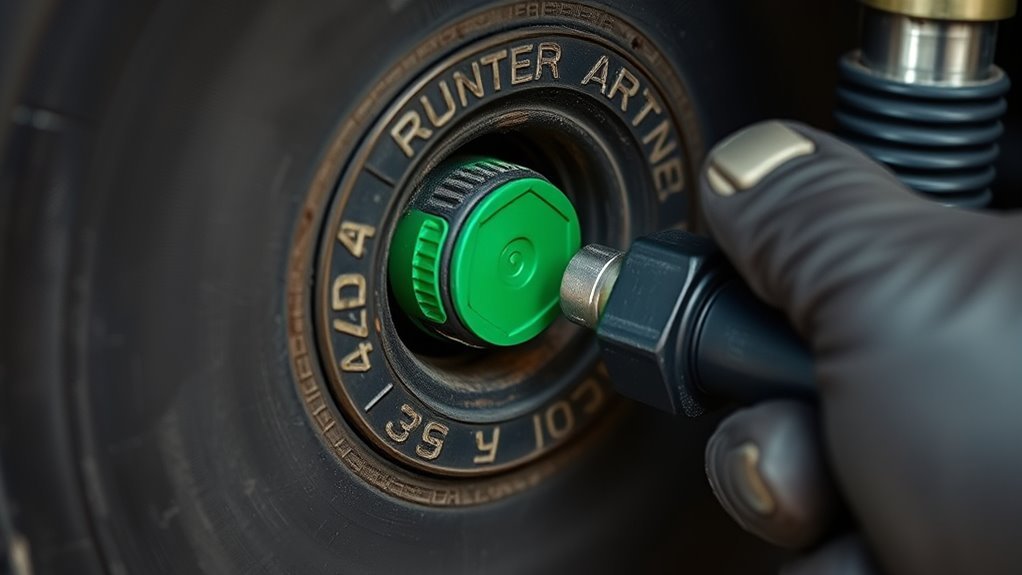
Yes, many dealers and tire shops do fill tires with nitrogen, often marked by green valve-stem caps. The service is real, but the value depends on whether it is included for free or sold as an add-on.
Can I add regular air to nitrogen-filled 4Runner tires?
Yes. It is safe to add regular compressed air to nitrogen-filled tires. It lowers nitrogen purity, but maintaining the correct pressure is far more important than preserving a pure nitrogen fill.
What PSI should I use with nitrogen?
Use the same cold PSI listed on your 4Runner’s tire placard or in the owner’s manual. Nitrogen does not require a different pressure setting.
Does nitrogen improve fuel economy?
Nitrogen does not directly create a fuel-economy boost. Any benefit comes from helping the tire stay closer to the correct pressure for longer. You can get the same practical fuel-economy benefit by checking and correcting regular air pressure consistently.
Should I use nitrogen for towing or off-roading?
It can be useful if it is free and easy to access, but it is not required. For towing and off-roading, pressure checks, load management, tire condition, and reinflating after airing down matter much more.
Conclusion
Nitrogen will not transform your 4Runner. It can slow pressure loss slightly, but it does not replace the basic tire care that actually protects safety, fuel economy, tread life, and handling. For daily driving, regular air is the better value when you check cold pressure monthly. If nitrogen is free and convenient, use it. If it costs extra, skip it and put that money toward a quality tire gauge, tire rotations, alignment, or better tires.
Sources
- Toyota Support: Recommended Tire Pressure — backs up using the owner’s manual or tire placard for the correct PSI.
- NHTSA TireWise — backs up cold-pressure checks, placard PSI, TPMS guidance, and tire-safety maintenance.
- FuelEconomy.gov: Keeping Your Vehicle in Shape — backs up fuel-economy effects of proper tire inflation.
- Michelin: Tire Pressure and Nitrogen Versus Compressed Air — backs up air/nitrogen compatibility and mixing guidance.
- U.S. Tire Manufacturers Association: Using Nitrogen to Inflate Passenger and Light Truck Tires — backs up nitrogen being permissible but not a replacement for regular inflation maintenance.
- Consumer Reports: Should You Use Nitrogen in Your Car Tires? — backs up the one-year pressure-loss comparison between nitrogen and regular air.

Related Articles

When to Switch From All-Season to Winter Tires on a 4Runner
Ineffective all-season tires in cold weather can jeopardize your safety—discover when to make the crucial switch for better traction and handling.
Read More
4Runner Tire Mileage: How Many Miles Should They Last
Curious about how long your 4Runner tires should last? Discover essential tips and factors that influence tire longevity.
Read More
How Long Do Toyota 4Runner Tires Typically Last
How long do Toyota 4Runner tires typically last? Discover the factors that influence tire longevity and essential tips for maintenance.
Read More