
All-Terrain Tires vs. All-Season Tires for Toyota Camry: What You Should Know
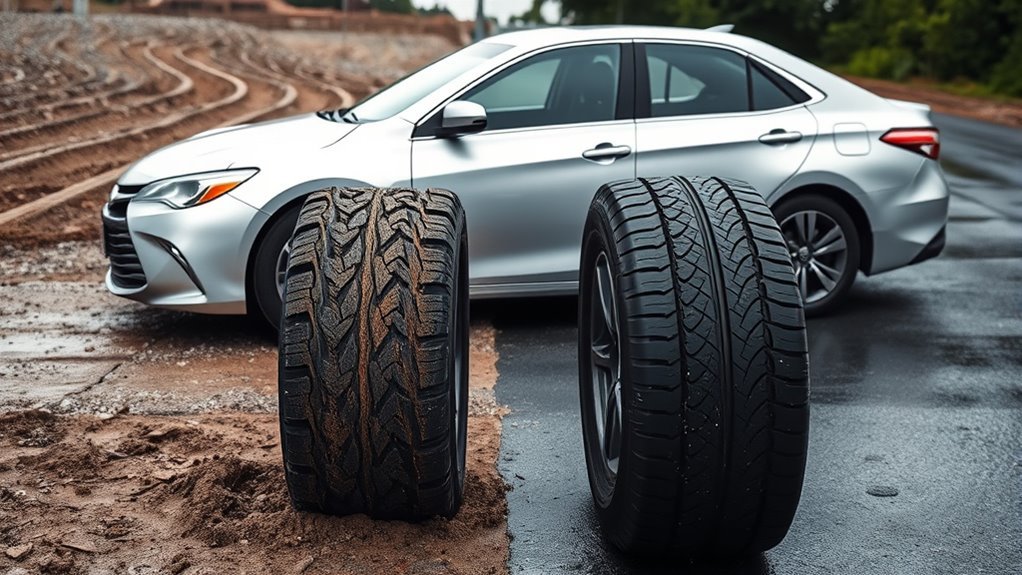
For your Toyota Camry, all-season tires are usually the better choice because they’re tuned for quiet, efficient, year-round pavement use, with solid wet-weather grip and predictable handling. All-terrain tires only make sense if you regularly face gravel, dirt, or rough mountain roads, since they add durability but can reduce comfort and fuel economy. If you match the correct Camry size and service the tires properly, you’ll get better performance and longer tread life.
Are All-Season or All-Terrain Tires Better for a Camry?
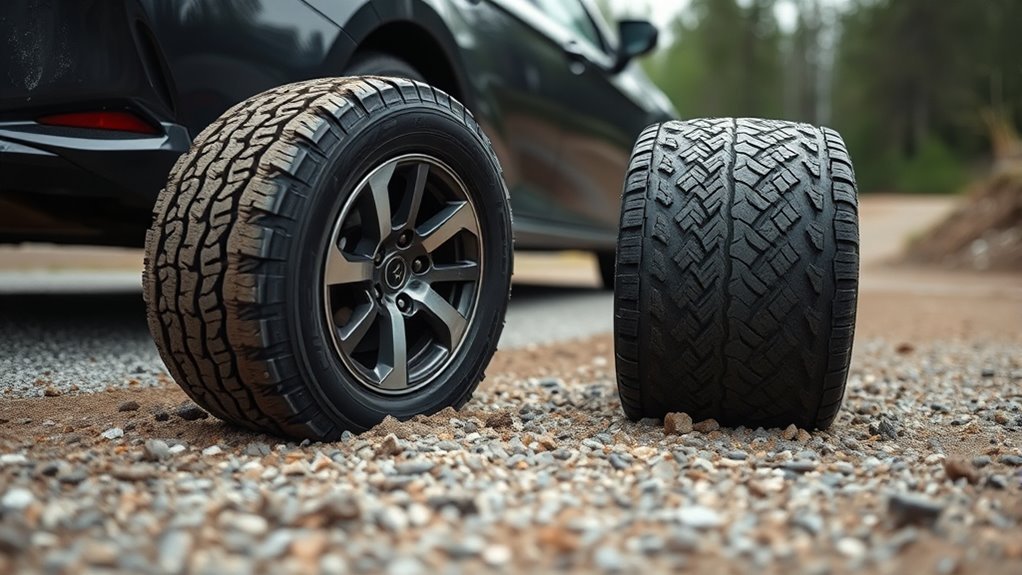
For a Toyota Camry, all-season tires are usually the better choice because they’re built for year-round road use, offering quieter operation, better fuel efficiency, and strong performance in wet and mild winter conditions. You get predictable tire performance for commuting, errands, and highway travel without adding unnecessary rolling resistance or noise. Their tread life typically runs 45,000 to 60,000 miles, which supports lower replacement frequency. All-terrain tires use a heavier, more aggressive tread that can reduce ride comfort and economy on pavement. You’d only justify them if your driving habits include frequent unpaved roads, job sites, or off-road terrain. For most Camry owners, that isn’t the case. If you drive primarily on city streets and maintained roads, all-season tires align with the car’s design and keep your operating costs controlled. In practical terms, they give you the best balance of efficiency, comfort, and road-ready traction.
Why All-Season Tires Work Best on a Camry
All-season tires fit the Toyota Camry’s mission better than all-terrain options because they’re engineered for balanced handling, comfort, and efficiency on paved roads. You get predictable grip in rain, steady cornering, and lower rolling resistance, which supports the Camry’s fuel-saving design and daily-commute role. For common sizes like 215/60R16 and 215/55R17, these tires match the car’s suspension tuning and help keep road noise low, so you enjoy a quieter cabin without sacrificing control.
You also gain practical durability. Typical tread life runs from 45,000 to 60,000 miles, giving you solid tire lifespan that fits long-term ownership. In city traffic, parking maneuvers, and occasional highway runs, all-season tread compounds deliver the balance you need without the extra mass or roughness of more aggressive tires. If you want your Camry to stay efficient, refined, and easy to live with, all-season tires are the right technical choice.
When a Camry Could Benefit From All-Terrain Tires
You can benefit from all-terrain tires on your Camry if you regularly face rough roads, gravel, or dirt, because their deeper tread and larger voids improve traction and stability. They also make sense if you drive in mountain areas where uneven pavement, steep grades, and mixed surfaces demand stronger grip and puncture resistance. If you use your Camry for light off-road trips or outdoor access roads, all-terrain tires can add durability, though they’ll usually increase road noise on highways.
Rough Road Conditions
When a Camry regularly encounters gravel roads, dirt paths, or other uneven surfaces, all-terrain tires can offer a meaningful advantage over standard all-season tires. You get better traction on rough terrain because these tires use larger tread blocks and deeper grooves to bite into loose or muddy ground. Their reinforced sidewalls also improve tire durability, helping resist punctures and support the car over sharp edges and ruts. By contrast, all-season tires are built for general pavement use, so they can lose grip and feel less stable when the surface breaks apart. If you want more control and fewer compromises on unpaved routes, all-terrain tires can help your Camry handle adverse conditions with greater confidence, safety, and mechanical resilience without surrendering everyday drivability.
Mountain Driving Needs
Mountain driving adds another layer of demand beyond rough-road travel, and a Toyota Camry can benefit from all-terrain tires in that setting. On mountain terrain, you face loose gravel, steep grades, and changing surfaces that challenge standard all-season tires. All-terrain tires use reinforced sidewalls and larger tread blocks to improve traction, cornering stability, and load support when you carry gear. That extra grip can strengthen driving safety on unpaved climbs and descents, especially when weather turns uncertain. You’ll give up some cabin quiet and fuel economy, but the tradeoff may be worth it if you drive these routes often. For drivers seeking more control and freedom in demanding elevations, all-terrain tires can make the Camry more capable.
Light Off-Road Use
For a Toyota Camry that occasionally leaves pavement for gravel, dirt roads, or minor trails, all-terrain tires can provide a meaningful upgrade in traction and durability. You’ll gain light traction on loose surfaces because larger tread blocks bite into gravel and dirt more effectively than standard all-season patterns. Reinforced sidewalls add off road durability, helping resist cuts, punctures, and flex on uneven terrain. That extra strength also supports heavier loads when your route demands more from the tire. You won’t turn your Camry into a trail rig, but you can keep stability while moving beyond smooth asphalt. If you value freedom to explore mixed conditions, all-terrain tires deliver a practical balance of control, safety, and versatility without giving up everyday drivability.
Best Camry Tires by Driving Conditions

If you drive your Camry mostly in urban or suburban settings, all-season tires are the best fit because they balance a quiet ride, solid fuel economy, and dependable traction in mild winter weather. Use tire maintenance tips and seasonal tire considerations to keep performance consistent and your driving independent.
| Driving condition | Best tire choice | Why it works |
|---|---|---|
| City commuting | All-season | Low noise, efficient rolling |
| Highway travel | All-season | Stable, predictable handling |
| Snow or ice | Winter | Stronger grip and braking |
| Gravel or dirt | All-season | Adequate for occasional use |
| Paved roads | Not all-terrain | Better comfort and economy |
All-terrain tires can raise noise, reduce efficiency, and dull steering response on your Camry. They’re built for rugged surfaces, not liberation on smooth pavement. For daily commuting, all-season tires usually last 45,000 to 60,000 miles. If winter storms hit hard, switch to winter tires for safer control and shorter stopping distances.
Camry Tire Sizes and Fitment
Your Camry may use common sizes like 215/60R16, 215/55R17, 225/45R18, or 235/40R19, depending on the trim and model year. You should verify the exact specification on the driver’s door jamb or in the owner’s manual, since proper fitment also depends on load rating and related tire specs. Choosing the correct size improves handling, fuel economy, ride quality, and overall safety, while an incorrect size can compromise performance.
Common Camry Tire Sizes
Common Toyota Camry tire sizes typically include 215/60R16, 215/55R17, 225/45R18, and 235/40R19, with the correct fit depending on model year and trim level. You need the right size to preserve handling, traction, and ride quality across seasonal changes. Proper sizing also supports tire maintenance, alignment, and longer tread life while helping you avoid fuel-economy loss and safety issues.
- 215/60R16: common on base models, balanced comfort.
- 215/55R17: blends stability and everyday efficiency.
- 225/45R18: sharper response, lower sidewall flex.
- 235/40R19: sport-oriented fit, firmer ride feel.
If you match size carefully, you keep your Camry free to move with precision on varied roads and protect its overall performance.
Checking Exact Fitment
Before you buy tires for a Toyota Camry, check the exact fitment on the driver’s door jamb or in the owner’s manual, since sizes such as 215/60R16, 215/55R17, 225/45R18, and 235/40R19 vary by model year and trim. Fitment verification gives you tire compatibility without guesswork and helps you choose the correct load rating and inflation specs.
| Check point | What to confirm |
|---|---|
| Door jamb label | Listed tire size |
| Owner’s manual | Load rating, pressure |
| Tire sidewall | Match exact code |
When you verify these details, you protect stability, braking, and efficient driving. Don’t assume one Camry size fits all; precision keeps you free to choose tires that truly match your vehicle’s requirements.
Size Impact On Performance
Toyota Camry tire size has a direct effect on handling, fuel economy, and ride comfort, so choosing the correct fitment matters as much as choosing the tire type itself. You’ll usually see 215/60R16, 215/55R17, 225/45R18, or 235/40R19, and each changes contact patch behavior and steering response.
- Wider sizes can sharpen grip but raise rolling resistance.
- Taller sidewalls improve comfort yet reduce cornering precision.
- All-terrain tires may need altered sizing, affecting paved-road efficiency.
- Check tire pressure and tread patterns, then verify the door jamb label or owner’s manual.
If you mismatch size, you can trigger unstable handling, lower mpg, and extra suspension wear. Correct fitment lets you drive freely with control and confidence.
When to Replace Camry Tires
You’ll usually need to replace Camry tires after about 40,000 to 60,000 miles, but mileage alone isn’t the only factor to watch. Your tire lifespan depends on driving style, road quality, and tire type, so inspect them routinely. Check tread depth with a penny test; if you can see all of Lincoln’s head, you’re at 2/32 inch and need new tires. Don’t wait for a blowout: uneven wear, cracks, or bulges mean the tire’s structure is failing. Rotate your tires every 5,000 to 7,500 miles to promote even wear and catch problems early. If traction drops or handling feels loose, especially in rain or snow, replace them even if tread looks acceptable. Staying ahead of wear keeps your Camry stable, efficient, and responsive, so you keep control on your terms.
Frequently Asked Questions
Is There a Downside to All-Terrain Tires?
Yes, you can face downsides: reduced traction performance on pavement, higher noise levels, lower fuel efficiency, shorter tread life, and a worse price comparison. You’ll gain weather adaptability, but you may sacrifice comfort and economy.
Conclusion
For most Camry drivers, all-season tires give you the best balance of grip, comfort, tread life, and fuel efficiency. You’ll usually only consider all-terrain tires if you regularly drive on gravel, dirt, or rough rural roads. Picture a Camry rolling smoothly on a quiet highway versus crawling over loose stone; that contrast shows why tire choice matters. Check your size, driving conditions, and wear indicators, and replace your tires before safety and performance drop.

Related Articles

Toyota Camry 17-Inch Tire Size: Complete OEM Specs and Fitment Guide
Discover crucial details about your Toyota Camry's 17-inch tire size, ensuring optimal performance and safety; find out what you need to know next!
Read More
Low-Profile Tires vs. Standard Tires on Toyota Camry: Ride & Handling Differences
Keen to know whether low-profile or standard tires transform your Toyota Camry’s ride and handling? Discover which setup surprises drivers most.
Read More
Toyota Camry 16-Inch Tire Size: Which Trims and Years Use 16 Wheels
Learn which Toyota Camry trims from 2003 to 2011 use 16-inch wheels and discover essential maintenance tips that could save you money.
Read More