
Toyota Camry Vibration After Tire Rotation: Why It Happens and What to Do
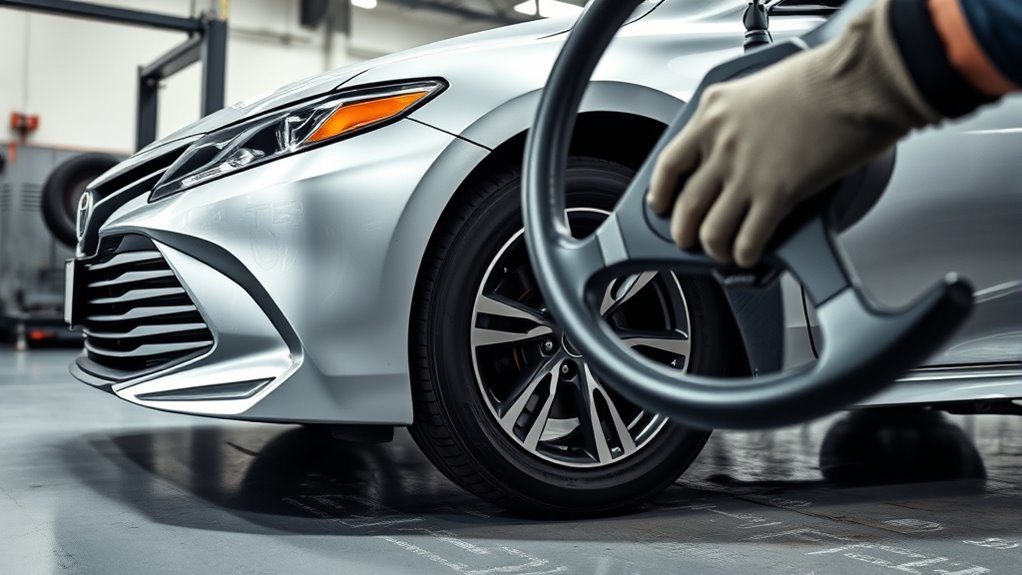
If your Toyota Camry vibrates after a tire rotation, start with tire pressure and wheel balance, since rotation can expose an imbalance, missing weights, or uneven wear. Check for cupping, bent wheels, loose lug nuts, and suspension or bearing play. If the shake shows up at highway speed or during braking, inspect alignment and rotors too. Road force balancing can catch hidden tire defects that basic balancing misses, and the next steps get more specific.
Why Your Camry Vibrates After Rotation

If your Toyota Camry starts vibrating after a tire rotation, the most common cause is a wheel balance issue that the rotation has simply exposed, especially if a rear wheel was slightly out of balance before it moved to the front. You may also feel steering wheel shake at 55-60 mph when wear patterns or cupping were hidden before the swap. Check tire pressure first, because uneven inflation can mimic vibration causes and distort diagnosis. Next, verify the lug nuts were torqued to spec, about 95 ft-lbs; loose or uneven clamping can transmit vibration through the chassis. Rotation doesn’t create every fault, but it can relocate an existing tire or drivetrain problem into a new position where you feel it more clearly. If the symptom persists, road force balancing can reveal tire condition or alignment issues that standard balancing misses, giving you a cleaner, freer ride.
Check Wheel Balance First
Start with a wheel balance check, since even a slight imbalance can cause steering wheel vibration after rotation. If the standard balance looks correct but the shake remains, you should use road force balancing to identify a tire or wheel variation that a basic balance can miss. Recheck any suspect wheel immediately, because an imbalance that develops during service or tire wear can quickly affect stability and ride quality.
Wheel Balance Check
| Symptom | Likely Cause | Action |
|---|---|---|
| Wheel shake | Imbalance | Test each wheel |
| Highway vibration | Missing wheel weight | Rebalance assembly |
| Mild pull | Uneven distribution | Inspect all four |
| Repeat shake | Incorrect balance | Recheck after drive |
| Smooth ride | Balanced wheels | Monitor routinely |
A precise balance check restores control, comfort, and freedom on the road.
Road Force Balancing
When a standard wheel balance check doesn’t fully resolve a Camry vibration after tire rotation, road force balancing can pinpoint the problem more accurately. You’ll need a shop that applies load to each tire while it spins, because that reveals radial force variation and hidden high or low spots that normal balancing can miss. This diagnostic process targets vibration causes that affect tire performance under real driving conditions, not just on the machine. If your dealer doesn’t offer it, seek a provider with this equipment. Road force balancing lets you correct the tire-wheel assembly with precision, restoring smoother operation and freeing you from persistent shake. For a Camry that still vibrates after rotation, it’s one of the most effective next steps.
Look for Tire Wear and Cupping
Inspect your tires for cupping signs, such as scalloped tread blocks, feathered edges, or irregular wear across the contact patch. Uneven tread wear can show up more clearly after rotation and often points to alignment or inflation problems that need correction. If you hear rear tire noise or feel a new vibration, compare all four tires closely for mismatch in wear pattern.
Tire Cupping Signs
Tire cupping shows up as a wavy, uneven tread pattern, and it can create road noise, vibration, and a rough ride after a tire rotation. You can spot it by feeling for dips and rises in the tread, especially near the edges. This pattern points to irregular road contact, not normal wear. In your tire maintenance routine, inspect all four tires after every rotation, since catching cupping early keeps you in control of vibration causes. If you notice a cupped surface, don’t ignore it; alignment errors, wheel imbalance, or worn suspension parts may be amplifying the shake. Prompt diagnosis protects traction, preserves handling, and prevents deeper tire damage. Rotate your tires every 5,000 to 7,500 miles to help slow this wear and keep the Camry’s ride smooth.
Uneven Tread Wear
Uneven tread wear can show up as cupping or scalloping, and that pattern often explains vibration and extra road noise after a tire rotation. During tread inspection, you should look for feathered blocks, low spots, and irregular edges; these signs point to misalignment, improper inflation, or balance problems that may have been hidden before the tires moved positions. Cupping often reflects worn suspension parts plus imbalance, so the Camry can shake more at highway speeds. Use disciplined tire maintenance: check pressure against Toyota’s spec, rotate every 5,000 to 7,500 miles, and correct the root cause instead of chasing symptoms. When you diagnose wear early, you protect your ride, your budget, and your control over the road.
Rear Tire Noise
If the rear of your Camry gets louder after a tire rotation, check for cupping or other uneven wear patterns on the tires. Cupping often means the tire isn’t tracking evenly, so you’ll hear a rhythmic hum or thump and feel extra vibration. Inspect the tread closely for wave-like dips and high spots.
- Verify rear tire pressure
- Check wheel balance
- Confirm alignment settings
- Compare both rear tires
If you find cupping, rotation alone won’t fix it; you may need rebalancing or replacement. Regular tire maintenance helps prevent this condition, but once it starts, act fast to protect ride quality. Good noise reduction depends on even contact, correct inflation, and precise alignment. Diagnose the cause now, and you keep your Camry stable, quiet, and free.
See If Alignment Is Causing Steering Shake
A steering shake after a tire rotation can point to an alignment problem, especially when the vibration shows up in the wheel at highway speeds. If you notice this at 55–60 mph, treat it as a diagnostic clue, not a nuisance. Poor alignment can create uneven tire wear, pull, and other alignment symptoms that intensify once the tires move to new positions. You may also feel the shake during acceleration, which often supports alignment-based steering issues instead of a simple balance fault. Hitting potholes, curbs, or rough roads can knock Camry suspension angles out of spec, even if the car still drives straight. Schedule a professional alignment check to verify toe, camber, and caster. Don’t wait for the shake to spread into handling problems; a fresh alignment restores control and protects your tires. Make periodic checks every 6,000 miles, and always inspect alignment after new tires are installed.
Rule Out Brake Rotor Vibration
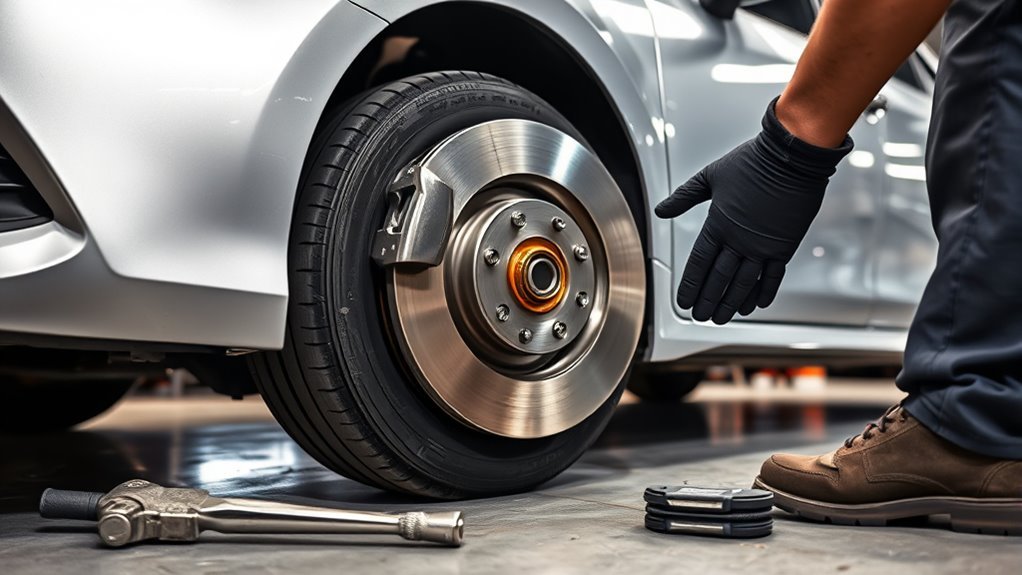
When the vibration shows up mainly during braking, rule out warped brake rotors first, because uneven rotor surfaces can make the brake pads grab inconsistently and send shake into the steering wheel. You’re likely dealing with a rotor issue, not tire imbalance, if the symptom appears only as you slow down. During a brake inspection, check both front rotors for heat spots, grooves, rust, and visible runout. Even slight warping can disrupt pad contact and reduce control.
- Feel for steering-wheel shake while braking.
- Look for uneven pad wear on each rotor.
- Inspect rotor faces for rust or scoring.
- Schedule rotor replacement if damage or warp is confirmed.
If the rotors pass visual checks but the shake remains, measure thickness variation and runout with proper tools. Timely rotor replacement restores smooth braking and helps you keep your Camry responsive, stable, and free from brake-related vibration.
Inspect Suspension and Wheel Bearings
Next, inspect the suspension and wheel bearings, because worn joints, bushings, or bearings can transmit vibration into the steering wheel after a tire rotation. During suspension inspection, check control arms, ball joints, and bushings for cracks, looseness, or deformation. Look for uneven tire wear, which often signals geometry or support issues that demand attention.
| Checkpoint | Diagnostic action |
|---|---|
| Control arms | Verify straightness and mounting integrity |
| Bushings | Inspect for cracks, separation, or excess movement |
| Wheel bearings | Check for play, noise, or roughness |
| Lubrication | Confirm smooth bearing maintenance and no rust |
| Tires | Note abnormal wear patterns for clues |
If you hear humming, grinding, or feel play at the hub, treat it as a bearing fault. A worn bearing can amplify vibration at highway speeds and compromise control. Replace damaged parts promptly so you keep the Camry stable, precise, and free.
Try Road Force Balancing
If suspension and bearing checks don’t explain the shake, try road force balancing to find tire-related vibration that a standard balance can miss. This diagnostic reads the force each tire applies as it rolls, so you can isolate vibration causes that basic spin balancing may ignore. A technician mounts each wheel on a machine that simulates road load, then measures uniformity and match-mounts the tire to the rim for tighter tire performance.
- Detects uneven tire wear
- Flags tread defects and stiff spots
- Improves balance under simulated road conditions
- Helps restore a smoother ride after rotation
If your Camry still shudders, this method often reveals hidden tire variation, especially when standard balancing looked perfect. You may need a specialized shop or dealership equipment, since not every service center offers it. When the readings are corrected, drivers often notice a clear drop in shake and a more composed, liberated feel on the road.
Fix the Vibration Before It Comes Back
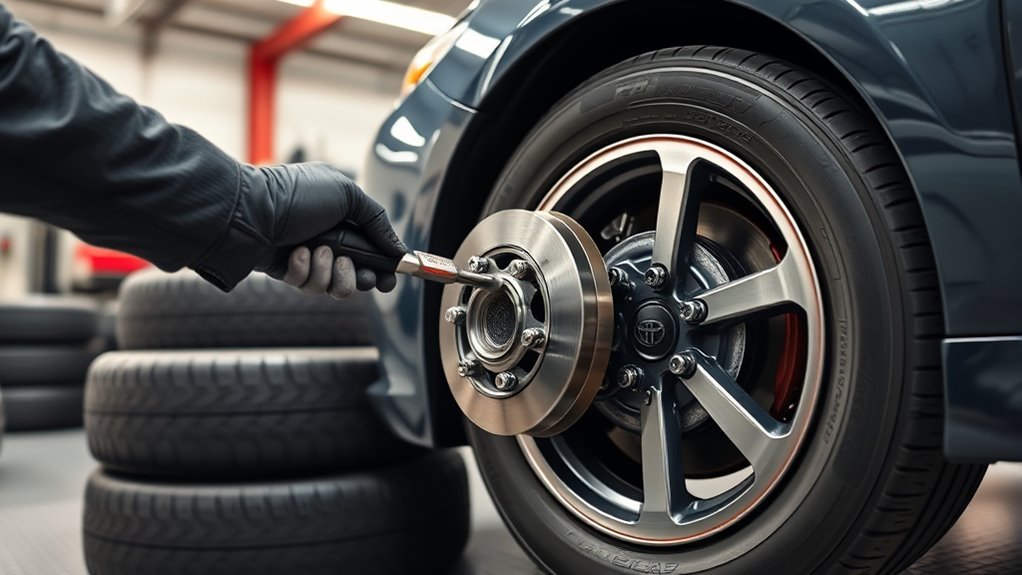
To keep a Toyota Camry vibration from returning after tire rotation, you should verify wheel balance, tire pressure, and alignment right away. That’s your first defense against repeat shake, especially at highway speed. Check for vibration causes like cupping, uneven tread, or slipped belts; these faults won’t disappear on their own.
| Diagnostic step | Action |
|---|---|
| Wheel balance | Rebalance all four wheels |
| Tire pressure | Set each tire to 35 psi cold |
| Alignment | Confirm specs after rotation |
| Tire inspection | Look for cupping or belt shift |
If standard balancing doesn’t stop the shake, schedule road force balancing. It can reveal load variation that ordinary equipment misses. Use these preventive measures to break the cycle and keep the car steady. When you act early, you protect steering feel, extend tire life, and stay free from the annoyance of recurring vibration.
Frequently Asked Questions
What Is the Toyota Shudder Recall?
Toyota shudder recall targets your Camry’s transmission software flaw; you get shuddering at 20–30 mph during acceleration. Recall details: Toyota updates control software to fix improper shifting, restore smooth performance, and liberate your drive.
Conclusion
If your Camry starts shaking after a tire rotation, don’t ignore it—the vibration can snowball from a tiny imbalance into a full-blown steering wheel buzz that feels like the car is trying to rattle itself apart. Start with wheel balance, then inspect tire wear, alignment, brakes, suspension, and wheel bearings. If standard balancing doesn’t fix it, road force balancing often does. Diagnose it now, and you’ll keep the ride smooth and prevent the problem from coming back.

Related Articles

Toyota Camry Tires Wearing on the Outside Edge: What’s Causing It?
Noticing your Toyota Camry’s outside tire wear? Discover the likely causes, warning signs, and fixes before the damage gets worse.
Read More
How to Break In New Tires on a Toyota Camry: First 500 Miles Guide
A comprehensive guide to breaking in new tires on your Toyota Camry reveals essential tips for optimal performance—discover the secrets for a smooth ride ahead!
Read More
Toyota Camry Front Tires Wearing on Inside Edge: Causes and Fixes
Stopping your Camry’s inside-edge tire wear could save your tires, but the hidden cause may surprise you.
Read More