
Hyundai Sonata Screeching Tire Noise When Turning: Causes & Fix
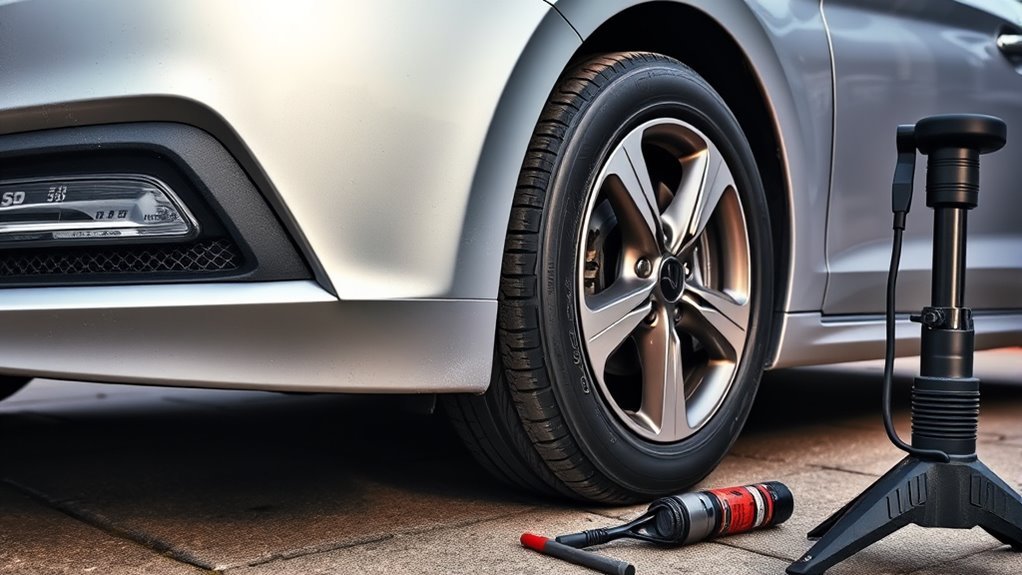
If you hear a screeching noise when turning your Hyundai Sonata, it often points to issues like worn brake pads, a bent dust shield, or low power steering fluid. Misalignment could also be a culprit, causing uneven tire wear and extra friction. Regular checks of your brake system, tire condition, and alignment are essential for preventing noise and ensuring safety. Discover solutions and maintenance tips that can help you tackle these problems effectively.
Diagnosing the Screeching Noise in Your Hyundai Sonata
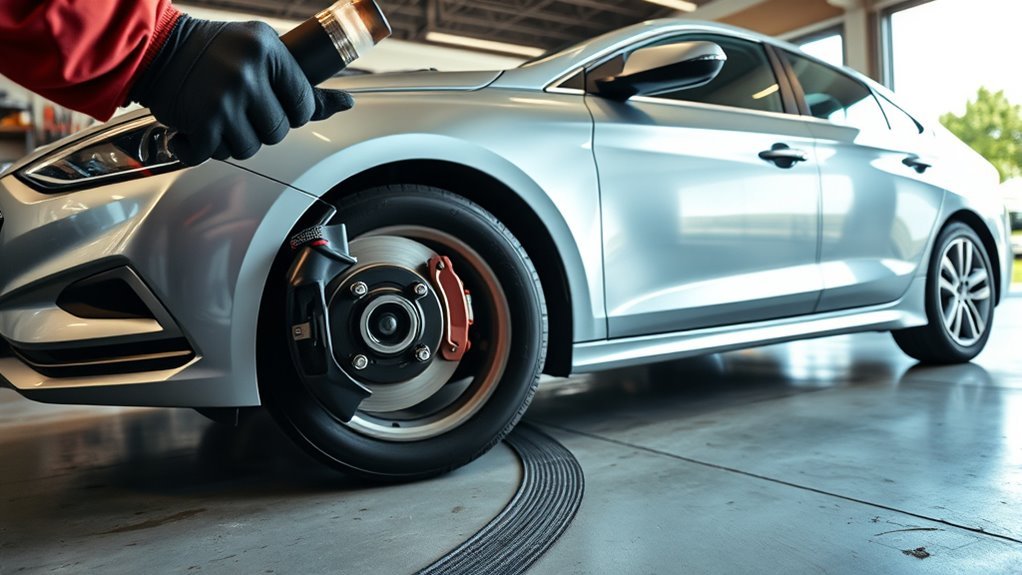
When you hear a screeching noise while turning your Hyundai Sonata, it’s essential to diagnose the issue promptly. Start with sound identification; if the noise emerges during sharp turns, you might be facing worn brake pads, which can cause metal-on-metal contact. Alternatively, the noise could stem from the wheel bearing or CV joint, particularly if it’s pronounced on the driver’s side front wheel.
Next, check the brake dust shield for any bends or contact with the rotor, as this can also produce a screeching sound during turns. Regular maintenance checks are vital; inspect your brake pads and components to catch potential issues early. If you notice the screeching stops when braking, it likely indicates a problem within the braking system rather than the tires or steering components. A thorough screeching diagnosis now could save you from more significant repairs down the line.
Common Causes of Screeching Noise in Your Hyundai Sonata
Screeching noises in your Hyundai Sonata can indicate various underlying issues that require attention. Here are some common causes to contemplate:
| Cause | Symptoms | Action Needed |
|---|---|---|
| Low Brake Pad Material | Screeching while braking or turning | Replace brake pads |
| Bent Dust Shield | Noise during turns | Inspect and adjust the shield |
| Worn Wheel Bearings/CV Joints | Loud screeching on sharp turns | Replace worn components |
Additionally, low power steering fluid levels can lead to squealing noises when turning, signaling a need for inspection of your steering components. Uneven tire wear from misalignment or underinflation can also cause screeching, so check your tire condition and pressure regularly. Addressing these issues promptly can enhance your driving experience and prevent further damage.
How Your Brake System Affects Tire Noise
Your brake system plays a critical role in tire noise levels. Worn brake pads can cause metal-to-metal contact, leading to screeching sounds, especially when turning. Additionally, a bent dust shield may interfere with the rotor, creating noises that can be mistaken for tire squeal.
Brake Pad Condition
Although brake pad condition may seem unrelated to tire noise, it plays an important role in how your vehicle communicates its performance. Worn brake pads can create metal-on-metal contact, leading to screeching noises when turning. This sound indicates it’s time for immediate brake pad replacement to avoid further damage. Regular brake pad inspection is vital; it not only enhances safety but also prevents unnecessary tire noise, especially at high speeds. Brake wear indicators are designed to alert you with a squeal when pads are worn down, signaling the need for action. Ignoring these noises can escalate into severe issues, including brake failure and costly repairs. Stay proactive in maintaining your brake system to guarantee a smooth, quiet ride.
Dust Shield Interference
When the dust shield becomes bent or misaligned, it can rub against the brake rotor, leading to unwanted noise that may be mistaken for other issues. This interference often results in a high-pitched screeching sound, especially during turns. To address this, consider the following:
- Regularly inspect the dust shield during brake maintenance.
- Look for any visible bends or misalignments.
- Confirm the dust shield is properly positioned to protect brake components.
- Check the condition of brake pads and rotors if noise persists.
A properly functioning dust shield is essential for minimizing noise and protecting your brake system from dirt and debris. By paying attention to its alignment, you can maintain a quieter driving experience.
How Tire Condition Causes Screeching Noise When Turning
When you turn your Hyundai Sonata, screeching noises can signal issues with tire condition. Factors like uneven tire wear, low pressure, and alignment problems can all contribute to this annoying sound. Regular maintenance and smooth driving habits can help mitigate these issues and improve overall performance.
Tire Wear Patterns
Uneven tire wear can greatly impact your driving experience, especially when turning. It reduces traction, increasing the likelihood of squealing as the rubber scrubs the road. Several factors contribute to this issue:
- Misalignment can cause uneven wear, amplifying noise during turns.
- Underinflated tires flatten excessively, leading to more flex and noise.
- Insufficient tread depth diminishes grip, heightening screeching sounds.
- Regular tire rotations (every 5,000-7,000 miles) promote even wear, enhancing tire longevity.
Monitoring your tire condition is essential. Ensuring proper tread depth can considerably reduce screeching noises, providing a smoother, quieter ride. Taking these steps not only improves performance but also empowers your driving experience.
Pressure Levels Impact
Maintaining proper tire pressure is critical for peak performance, as underinflated tires can considerably affect your driving experience. When tire pressure drops by 25%, the risk of accidents increases, and you may notice screeching noises during turns. Underinflation causes a flat tire surface, leading to excessive rubber scrubbing and reduced traction.
| Tire Condition | Impact on Noise | Recommended Action |
|---|---|---|
| Underinflated | Increased screeching | Regular pressure checks |
| Uneven tread wear | Reduced traction | Rotate tires regularly |
| Proper inflation | maximum performance | Maintain recommended psi |
| Aggressive driving | Excessive scrubbing | Drive smoothly |
Regular pressure monitoring is key to effective tire maintenance and helps guarantee a quieter, safer ride.
Alignment Issues Affecting Performance
Tire pressure isn’t the only factor that can lead to undesirable noise during turns; alignment issues play a significant role as well. Misalignment can cause uneven tire wear, reducing traction and increasing rubber scrubbing, resulting in that annoying screech. Here’s what you should consider:
- Misaligned wheels affect camber and toe settings.
- Incorrect tire tilt creates excessive friction when cornering.
- Regular alignment adjustments prevent premature tire wear.
- Aggressive driving habits can worsen misalignment effects.
If you hear screeching sounds when turning, it’s essential to inspect your alignment. Persistent issues might indicate deeper suspension problems, so addressing them promptly can enhance tire performance and keep your driving experience smooth.
How to Identify Wheel Alignment Problems?

How can you tell if your vehicle has wheel alignment problems? Start by checking for common alignment symptoms. Uneven tire wear is a primary indicator, often showing excessive wear on one side. If your vehicle pulls to one side while driving straight, that’s another warning sign; it can lead to inconsistent handling and dangerous conditions. You should also notice if your steering wheel is off-center when you’re driving straight, indicating misalignment with the vehicle’s centerline. Listen for unusual noises like squealing or grinding during turns, which can result from increased friction due to misaligned wheels. Regularly inspecting your alignment—especially after hitting potholes or curbs—is essential. It’s recommended to check your alignment every 5,000-7,000 miles to maintain peak tire performance and safety. Knowing these adjustment techniques can help guarantee your vehicle runs smoothly and safely on the road.
Solutions and Maintenance Tips for Resolving Screeching Noise
Addressing screeching noises in your Hyundai Sonata requires a proactive approach. To guarantee peak performance and noise reduction, follow these essential maintenance tips:
- Regularly check tire pressure; underinflation can cause excessive flexing and noise.
- Confirm proper wheel alignment and balance every 5,000-7,000 miles to prevent uneven wear.
- Inspect brake pads and rotors for wear; replace worn components to avoid metal-to-metal contact.
- Monitor power steering fluid levels and inspect for leaks to prevent squealing while turning.
Incorporating regular tire rotation into your maintenance routine helps promote even tire wear, further mitigating screeching noises. Adopting smooth driving habits also plays a vital role; avoid aggressive maneuvers that can exacerbate tire squeal. By staying on top of these tasks, you’ll enhance your Sonata’s performance and enjoy a quieter driving experience.
When to Seek Professional Help for Tire Noise?
When should you consider seeking professional help for tire noise? If you hear persistent screeching or squealing when turning, it’s crucial to act quickly. This noise could signal serious issues with tire wear, alignment, or suspension components. A professional tire inspection and noise assessment can uncover problems like uneven tread wear or misalignment that might worsen over time. Ignoring these abnormal sounds increases the risk of tire blowouts, particularly at high speeds, making immediate inspection essential for your safety.
While regular maintenance, such as tire rotation and alignment, can prevent excessive wear, any sudden changes in noise should prompt a visit to a mechanic. Reputable professionals can perform detailed diagnostics, including checking brake pads and power steering, ensuring your vehicle remains safe and functional. Don’t wait—addressing tire noise now can save you from costly repairs down the line.
Frequently Asked Questions
Why Do My Tires Make a Screeching Sound When I Turn?
Your tires screech when turning due to inadequate tire maintenance or steering issues. Check for underinflation, misalignment, or uneven tread wear. Regular maintenance guarantees peak performance and reduces unwanted noises during sharp turns.
How Much Does It Cost to Replace a Wheel Bearing on a Hyundai Sonata?
Replacing a wheel bearing on your Hyundai Sonata can feel like a financial weight, costing between $300 to $700. Factors like labor rates and parts quality will influence your replacement cost, so plan wisely.
Why Does My Hyundai Sonata Make a Noise When I Turn?
Your Hyundai Sonata makes noise when turning due to potential steering issues or improper tire alignment. Check for low power steering fluid, worn belts, or uneven tire wear to resolve the problem effectively and guarantee smooth handling.
Conclusion
In summary, addressing the screeching tire noise in your Hyundai Sonata is like tuning a fine instrument—every detail matters. By diagnosing the issue, whether it’s brake-related, tire condition, or alignment, you can restore your vehicle’s performance and safety. Regular maintenance is essential to prevent these problems from escalating. If the noise persists despite your efforts, don’t hesitate to seek professional help to make sure your Sonata runs smoothly and quietly on the road.

Related Articles

Danger of Using Summer Tires in Winter on a Hyundai Sonata
Potentially perilous, using summer tires in winter on your Hyundai Sonata can compromise safety—discover the hidden dangers that await you on icy roads.
Read More
Can You Mix Nitrogen and Air in Hyundai Sonata Tires? Answered
Discover the implications of mixing nitrogen and air in your Hyundai Sonata tires—are the benefits worth the risks? Explore the answer inside!
Read More
How to Tell If Hyundai Sonata Tires Are Too Old to Use Safely
Understand how to assess the age of your Hyundai Sonata tires and discover crucial signs of deterioration that could compromise your safety on the road.
Read More