
Hyundai Sonata Thumping Noise From Tire Area: What’s Wrong?
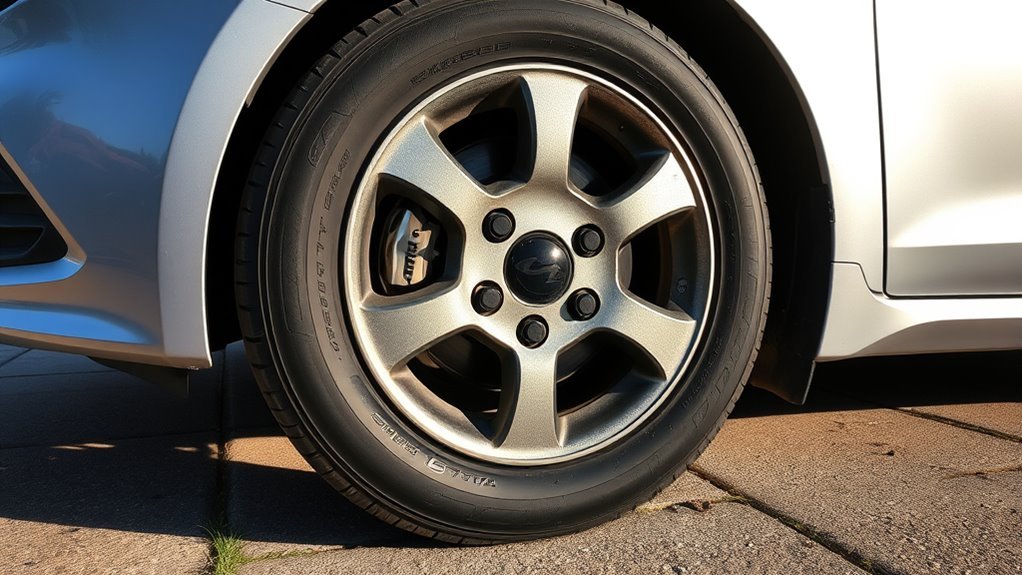
If you’re hearing a thumping noise from the tire area of your Hyundai Sonata, it’s likely caused by worn brake pads, damaged wheel bearings, or tire problems. Rust on brake rotors can also create uneven surfaces, amplifying the noise. Don’t forget to check alignment and tire condition, as these factors affect contact with the road and can lead to further issues. By understanding the potential causes, you can tackle the problem effectively and explore more solutions ahead.
What Causes Thumping Noises in Your Hyundai Sonata?
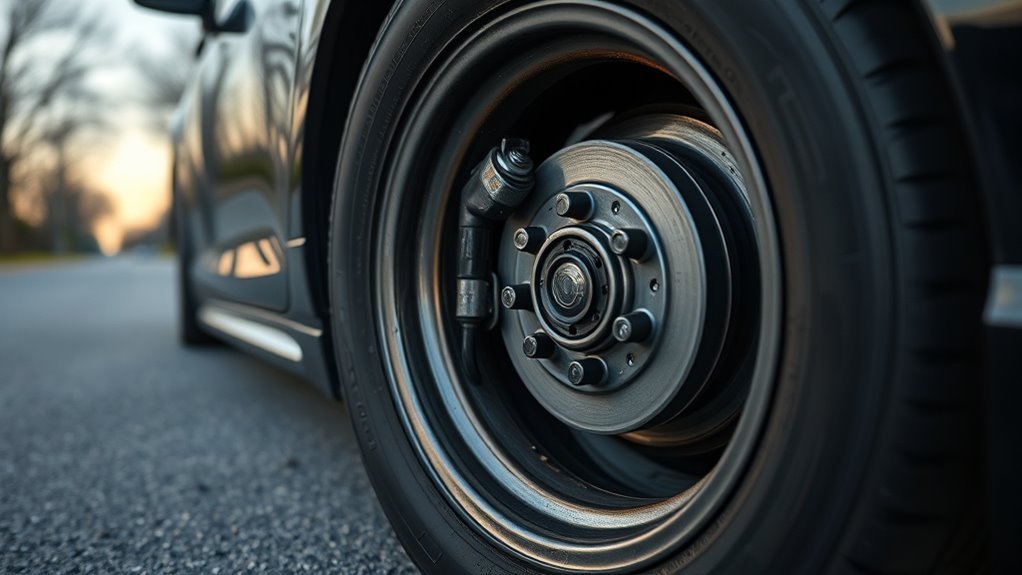
When you hear a thumping noise in your Hyundai Sonata, it’s not just an annoyance; it could signal underlying issues that need attention. One common culprit is brake pad wear, particularly if rust has accumulated on the rotor surfaces. This can lead to irregular noises during your drive. Loose or damaged components in the inner brake shoes, especially the parking brake, might also create that unsettling thump. Additionally, problems with wheel bearings or CV joints can disrupt smooth wheel rotation, causing similar sounds. If your vehicle’s alignment is off, it can exacerbate suspension-related noises, correlating with your speed. To tackle these potential issues, regular suspension inspections are crucial. Don’t overlook your tire pressure and manufacturing dates, as improper conditions can contribute to abnormal sounds. Addressing these factors will not only enhance your driving experience but also guarantee your Sonata operates smoothly.
Common Causes of Thumping Noises
Thumping noises in your Hyundai Sonata can signal various underlying issues, making it crucial to identify the root cause promptly. Here are some common culprits you should consider:
- Brake pad wear: Worn pads can lead to uneven surfaces on the rotors, creating noise during motion.
- Loose or damaged parking brake components: If these parts touch the rotor or wheel, they can produce an annoying thump.
- Worn wheel bearings: A failing bearing can create a thumping noise that changes with your vehicle’s speed, indicating excessive play.
- Tire issues: Improper inflation or defects can lead to thumping noises, emphasizing the necessity for regular tire inspections.
Don’t overlook the importance of a thorough suspension inspection, as misalignment can exacerbate these problems. Addressing these issues early can enhance your driving experience and guarantee safety on the road.
How Rust Affects Thumping Sounds
Rust can considerably contribute to thumping noises in your Hyundai Sonata, especially when it accumulates on the brake rotors. When rust builds up, it creates uneven surfaces that disrupt the smooth contact between the rotors and brake pads. This irregular friction can lead to those annoying thumping sounds you might hear while driving. As you accelerate, vibrations from rusted rotors become more pronounced, making the noise even more bothersome.
To tackle this issue, regular brake maintenance is essential. Inspecting your brake components frequently helps catch rust buildup before it becomes problematic. If you find rust has already settled in, machining or resurfacing the rotors can restore their smoothness and effectively eliminate the noise. By prioritizing rust prevention, you can enhance your vehicle’s performance and enjoy a quieter ride, liberating yourself from those distracting thumps.
Identifying Symptoms of Wheel Bearings and CV Joint Issues
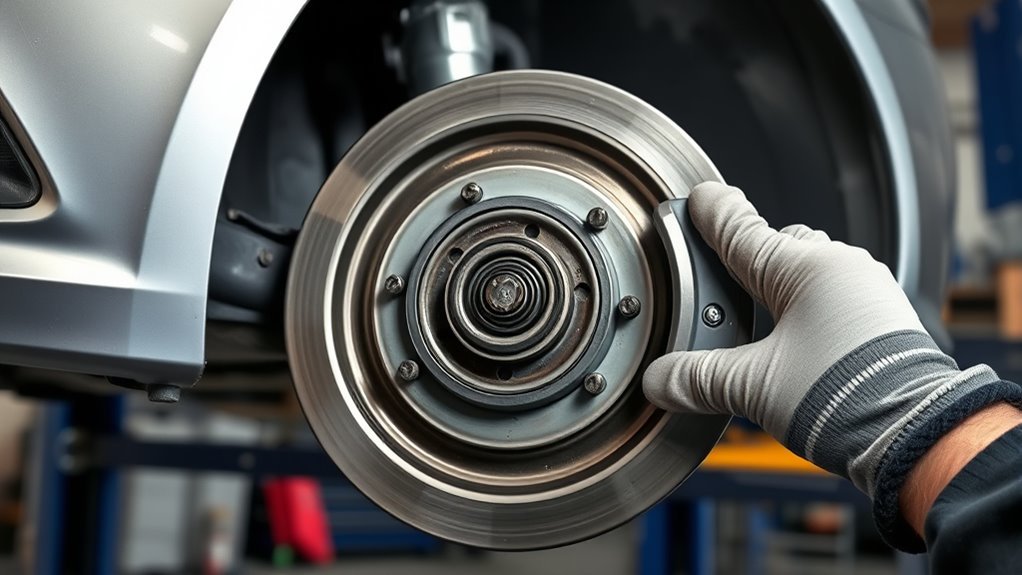
How can you tell if your Hyundai Sonata’s thumping noise is linked to wheel bearings or CV joints? Identifying the source is essential for addressing potential suspension problems or drivetrain issues. Here are some key symptoms to watch for:
- Rhythmic Thumping: If the noise correlates with your speed, it could be worn wheel bearings.
- Clicking or Popping: CV joint issues often produce these sounds, especially during turns or acceleration.
- Roughness When Spinning: Inspect wheel bearings for any play or rough texture while spinning the wheel.
- Torn Boots or Grease Leakage: Look for visible damage on CV joints, as this can indicate a failure.
Regular maintenance, like lubrication and inspections, can help prevent these noises and guarantee safe driving. Addressing these symptoms sooner rather than later will save you from more severe problems down the road.
[Products Worth Considering]

The GOOLOO A6 Gear delivers rapid, cordless inflation with a powerful 21,000 RPM motor and up to 160 PSI, inflating car tires in under a minute. Its 7500mAh battery provides up to 45 minutes of operation and fast Type‑C charging, while preset modes and multi‑unit options ensure precise control for cars, bikes, and balls. Integrated LED flashlight and smart auto shut‑off add safety and convenience for emergencies.

The Milton 555e digital tire inflator delivers fast, accurate pressure readings with a backlit display and multiple unit options, making tire inflation quick and easy. Its durable 20" EPDM rubber hose and grip‑head chuck provide reliable connection, while the ±1 PSI accuracy ensures precise inflation for cars, bikes, and trucks.

The CRAFTSMAN 3-in-1 tire inflator combines a high‑pressure air compressor, car vacuum, and dust blower into one compact tool, delivering up to 160 PSI for quick tire inflation and powerful suction for interior cleaning. Its dual power options—20 V cordless battery or 12 V car plug—provide flexibility for roadside emergencies or garage use, while the LCD display and LED light ensure precise control and visibility in low‑light conditions.
How Tire Condition Affects Road Noise
While driving, you might not realize that tire condition plays an important role in the noise you hear on the road. Worn or unevenly worn tires can greatly increase thumping or humming sounds, making your ride less enjoyable. The tread pattern and rubber composition of your tires are designed to minimize road noise, so opting for tires like the Michelin Premier A/S can lead to noticeable noise reduction.
Moreover, maintaining proper tire pressure is vital; under-inflated or over-inflated tires wear irregularly, which further escalates noise levels. Regular tire maintenance, including rotations and alignment checks, guarantees even wear and helps prevent annoying sounds from disrupting your drive. By keeping a close eye on your tires, you not only enhance your driving experience but also promote safety and longevity. So, invest in your tires and enjoy a quieter ride!
[Products Worth Considering]

The AIRSURE portable tire inflator delivers 150 PSI, inflating tires three times faster than standard pumps while featuring a real‑time LCD display and auto shut‑off for safety. It includes a USB charging port and LED light for emergencies, and works with cars, bikes, motorcycles, and sports balls, making it a versatile companion for road trips and outdoor adventures.

The BLACK+DECKER 20V Cordless Inflator offers versatile power options—120V AC, 12V car, and 20V battery—to inflate tires, sport balls, and large inflatables quickly. Its digital gauge and automatic shutoff ensure precise pressure control, while the high‑volume hose speeds up inflating bigger items. Includes multiple adapters for ball needles, Presta valves, and large hoses, making it a complete solution for home, road, and outdoor use.
Why Wheel Alignment Matters for Your Ride
Maintaining your tires isn’t just about tread depth; it’s also about keeping everything aligned. Proper wheel alignment guarantees all four tires make ideal contact with the road, which enhances handling and improves tire wear. When your vehicle’s alignment is off, it can lead to uneven tire wear, costing you more in replacements.
Here’s why wheel alignment matters:
- Improved Tire Lifespan: Even wear means longer-lasting tires.
- Enhanced Handling: A well-aligned vehicle responds better on the road.
- Fuel Efficiency Boost: Proper alignment can save you up to 10% at the pump.
- Suspension System Health: Regular checks prevent long-term issues.
You might notice signs like pulling to one side or a crooked steering wheel. Don’t ignore these clues! Regular alignment checks, especially after hitting potholes, can keep your ride smooth and safe.
Diagnosing Noise: Steps Before Visiting a Mechanic
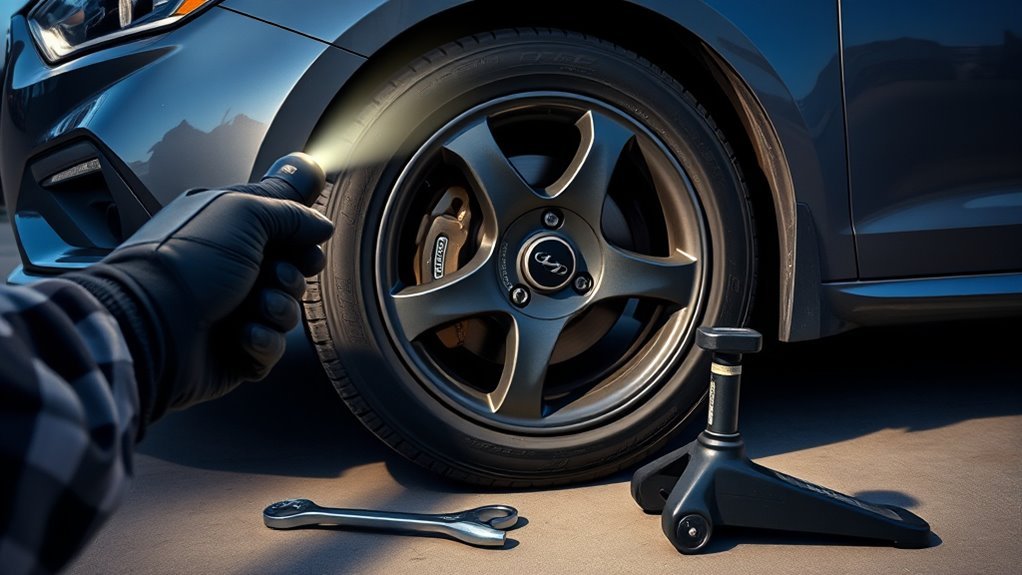
Have you ever wondered why that thumping noise in your Hyundai Sonata seems to appear out of nowhere? To diagnose the issue, start by noting the specific conditions when the noise occurs. Does it change with speed, steering, or braking? Next, inspect your tires for uneven wear and proper inflation, and check their manufacturing dates for any potential problems. Listen closely to the thumping frequency; does it correlate with wheel speed? This could indicate issues with wheel bearings or CV joints. Additionally, look for rust accumulation on brake rotors, especially if your vehicle has sat for a while. Finally, document any previous maintenance or inspections. This information will empower your mechanic to pinpoint the problem more effectively. By taking these steps, you’ll be better prepared for your visit, ensuring a smoother path to resolution.
DIY Fixes for Common Noise Issues
If you’re hearing thumping noises from your Hyundai Sonata, it’s time to take a closer look at some key components. Start by inspecting your brake components for rust and wear, as these can lead to unwanted sounds. Don’t forget to check your wheel bearings; any signs of damage or lack of lubrication could be contributing to the issue as well.
Inspect Brake Components
Inspecting brake components is essential for addressing thumping noises in your Hyundai Sonata. Neglecting brake maintenance can lead to rust accumulation and other issues, so here’s what you should do:
- Check for rust on rotor surfaces; this can cause unwanted noise.
- Inspect inner brake shoes and the parking brake system for loose or broken parts.
- Verify brake rotors meet manufacturer specifications; machining might be necessary if rust or wear is significant.
- Regularly clean brake components to prevent rust buildup, especially in humid or wintery conditions.
Check Wheel Bearings
After checking the brake components, it’s time to focus on another potential source of that thumping noise in your Hyundai Sonata: the wheel bearings. These essential components allow for smooth wheel rotation, but they can generate noise if worn or damaged. To perform a bearing noise diagnosis, lift your vehicle and spin the wheel; any roughness or unusual sounds could indicate issues. Additionally, check for play by gripping the wheel at the top and bottom—excessive movement often signals a problem. Regular wheel bearing maintenance, including lubrication and inspection, can prevent premature wear and noise. If replacement is necessary, always follow the manufacturer’s specifications to guarantee proper function and safety. Stay proactive, and keep your Sonata running smoothly!
When to Replace Brake Parts
Knowing when to replace brake parts is essential for maintaining your vehicle’s safety and performance. Regular inspections can keep your braking system in top shape, preventing costly repairs and ensuring your safety on the road.
Here are key indicators to watch for:
- Brake pad replacement is necessary when thickness falls below 3 mm.
- Look for rotor wear indicators; if rotors are warped or severely rusted, they need replacing.
- Uneven wear on brake components suggests an inspection is vital; one side wearing faster indicates possible issues.
- Generally, brake rotors last between 30,000 to 70,000 miles, depending on your driving habits and rotor quality.
Follow-Up: Ensuring Your Noise Problem Is Solved
After addressing the thumping noise, it’s essential to inspect your brake components thoroughly to guarantee everything is in top shape. Regularly checking your wheel alignment and monitoring tire condition can help prevent future issues. Staying proactive in these areas will not only enhance your driving experience but also extend the life of your Hyundai Sonata.
Inspecting Brake Components Thoroughly
When inspecting brake components, it’s important to pay close attention to rust accumulation on rotor surfaces, as this can lead to thumping noises while driving. Proper brake maintenance not only enhances performance but also contributes to noise reduction. Here are key areas to check:
- Inspect rotor surfaces for rust.
- Look for loose or broken components in the inner brake shoes.
- Verify wheel bearings and CV joints are in good condition.
- Check tire pressure and manufacturing dates for peak performance.
Checking Wheel Alignment Regularly
Regularly checking your wheel alignment is essential not just for your vehicle’s performance but also for preventing that pesky thumping noise you’ve been hearing. Misalignment can lead to uneven tire wear, vibrations, and pulling to one side, which might confuse you into thinking there are other issues at play. You’ll enjoy alignment benefits like improved handling, enhanced safety, and better fuel efficiency when all four wheels are parallel and making ideal contact with the road. Most manufacturers suggest checking wheel alignment every 6,000 to 10,000 miles or whenever you rotate or replace tires. Staying on top of alignment frequency can help catch issues early, saving you from costly repairs related to suspension and tire damage.
Monitoring Tire Condition Constantly
Maintaining your tires is just as important as ensuring proper wheel alignment. To keep your Hyundai Sonata running smoothly and minimize thumping noises, you need to monitor tire condition constantly. Regular tire inspections can reveal issues before they become serious problems. Here are some key practices to follow:
- Check tread patterns and depth regularly for irregular wear.
- Monitor tire pressure weekly to prevent uneven wear and noise.
- Record tire manufacturing dates to avoid performance issues from aging rubber.
- Rotate tires according to the manufacturer’s recommendations for even wear.
Frequently Asked Questions
Why Is There a Knocking Sound Coming From My Tire Area?
A knocking sound from your tire area could indicate suspension issues or tire problems. Inspect components like wheel bearings and CV joints, and verify proper alignment to maintain performance and safety while driving.
How Much Does It Cost to Replace a Wheel Bearing on a Hyundai Sonata?
Replacing a wheel bearing on your Hyundai Sonata typically costs between $300 and $600. With labor comprising 60-70% of that, getting multiple quotes can save you money and guarantee you’re making a well-informed decision.
Conclusion
To sum up, if you’re hearing a thumping noise from your Hyundai Sonata, don’t ignore it. While it might just be a tire issue, it could hint at something more serious, like worn bearings or suspension problems. Curiously, some drivers believe that frequent rust can amplify these sounds, which highlights the importance of regular maintenance. By keeping an eye (and ear) on your vehicle, you can guarantee a smoother ride and potentially save on costly repairs down the road.

Related Articles

Danger of Using Summer Tires in Winter on a Hyundai Sonata
Potentially perilous, using summer tires in winter on your Hyundai Sonata can compromise safety—discover the hidden dangers that await you on icy roads.
Read More
Can You Mix Nitrogen and Air in Hyundai Sonata Tires? Answered
Discover the implications of mixing nitrogen and air in your Hyundai Sonata tires—are the benefits worth the risks? Explore the answer inside!
Read More
How to Tell If Hyundai Sonata Tires Are Too Old to Use Safely
Understand how to assess the age of your Hyundai Sonata tires and discover crucial signs of deterioration that could compromise your safety on the road.
Read More