
When to Switch Back to All-Season Tires on Your Hyundai Sonata
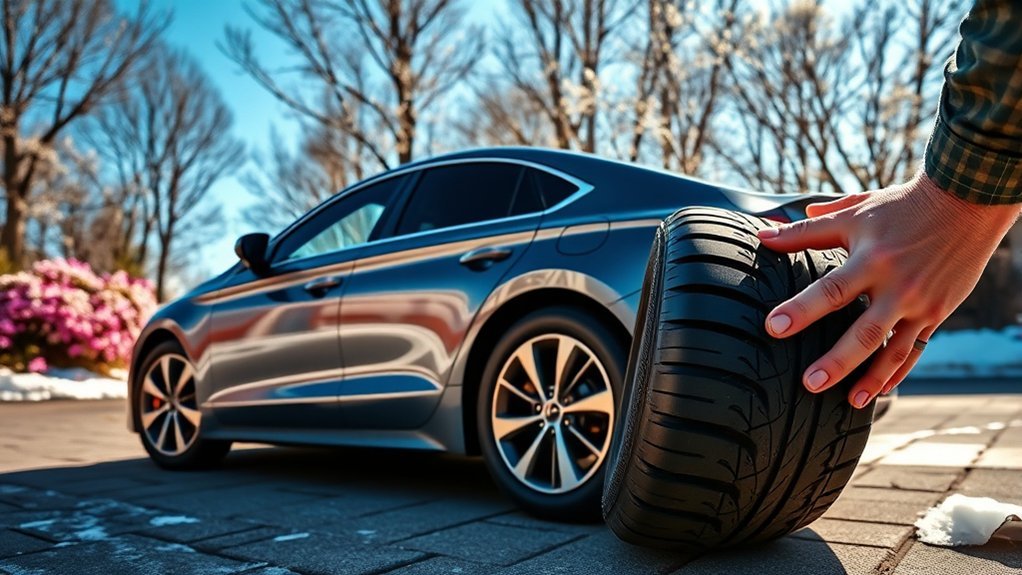
You should switch your Hyundai Sonata from winter tires back to all-season tires when local temperatures stay consistently above 7°C (45°F), roads are clear of snow and ice, and no cold snap is in the short-term forecast. The safest timing is not one warm afternoon—it is a steady pattern of warmer daytime and overnight temperatures.
Quick Answer
Put all-season tires back on your Hyundai Sonata after temperatures stay above 7°C (45°F) for several days, overnight lows are not dropping below that range, and the roads are no longer icy or snow-covered. Before the swap, inspect tread depth, damage, tire pressure, and the weather forecast.
Key Takeaways
- Use the 7°C / 45°F rule as your main trigger, but check overnight lows and the 7-day forecast before switching.
- Do not rely on worn winter tires for next season: 2/32 inch is the general replacement minimum, while winter tires near 5/32 inch may be poor for snow use.
- After installing all-season tires, set the cold tire pressure to the value on your Sonata’s driver-door tire placard.
- Store winter tires clean, dry, and indoors so heat, sunlight, moisture, and ozone do not shorten their life.
At a Glance
| Time Required | 10–20 minutes to inspect tires and weather; 30–60 minutes for a shop changeover or DIY wheel swap. |
| Difficulty | Easy if you are checking timing and booking a tire shop; moderate if you are swapping mounted wheels yourself. |
| Tools Needed | Weather forecast, tread-depth gauge or penny, tire-pressure gauge, and a torque wrench if removing wheels yourself. |
| Cost | Inspection is usually free at home. Shop changeover and balancing costs vary by location. Replacement cost depends on tire size, brand, and condition. |
Why You Should Switch Your Tires
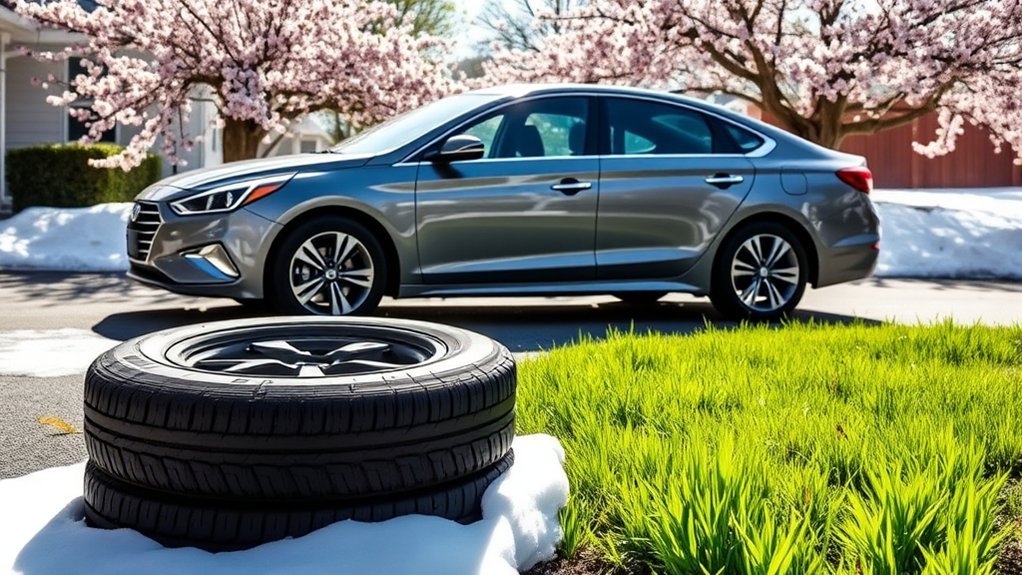
Winter tires are built for cold pavement, snow, slush, and ice. Their softer rubber compound helps them stay flexible in low temperatures, but that same softness can work against you when spring weather settles in. Once the weather is consistently mild, all-season tires usually give your Hyundai Sonata better road feel, lower road noise, and more appropriate tread performance on dry and wet pavement.
The key is timing. Transport Canada notes that all-season and summer tires begin to lose elasticity below 7°C, while winter tires keep elasticity and grip at much lower temperatures. That makes 7°C (45°F) a useful trigger in both directions: install winter tires as cold weather settles in, and switch back to all-season tires once warm weather is consistently here.
Warning: Do not switch back just because one afternoon is warm. If overnight lows are still near freezing, snow is still possible, or your regular route has ice, slush, or mountain passes, keep the winter tires on longer.
[Products Worth Considering]

The JACO FlowPro Tire Inflator measures, inflates, and airs down tires up to 100 PSI with battery-free operation and ±2% accuracy after calibration. It features a glowing pressure dial for night visibility, a heavy-duty steel build with a hybrid hose, and a precision push-to-inflate thumb trigger. The patented Lightning Air Chuck locks on for a secure seal, and the kit includes quick-connect hardware for easy inline use with your air compressor.

This portable cordless tire inflator delivers fast, efficient inflation for cars, motorcycles, bikes, and sports balls with a digital pressure gauge. Use the one-click PSI preset with auto shut-off for accurate, hands-free topping to your target pressure up to 150 PSI. It’s compact and rechargeable with a built-in emergency LED light plus valve adapters and accessories for quick, ready-to-go use.

This portable cordless tire inflator delivers up to 160 PSI with fast 17 L/min airflow to help you quickly top up tires and get back on the road. It features dual power mode, running on a 21V rechargeable battery or a 12V DC adapter for convenient roadside use. An automatic shut-off with digital pressure gauge helps prevent overinflation, and a built-in LED light improves visibility in low-light conditions.
What Temperature Signals a Tire Change?
The practical signal is a steady pattern above 7°C (45°F). For most drivers, that means checking the forecast for several days of mild conditions, not just looking at today’s high temperature.
Ideal Temperature Range
Switch back to all-season tires when daily temperatures are consistently above 7°C (45°F), especially during the hours you actually drive. Morning commuters should pay close attention to overnight lows because the coldest pavement is often early in the day.
In places with long winters, the right window may arrive later than the calendar suggests. In milder regions, it may arrive earlier. For many Ontario drivers, late March through April is often the decision window, but the forecast should decide—not the month.
Weather Patterns Impacting Timing
Look at both temperature and road conditions. If the forecast shows warm afternoons but freezing mornings, wait. If the snow has melted but a cold snap is likely, wait. If the roads are dry or lightly wet, temperatures are stable, and snow or ice is unlikely, it is usually reasonable to schedule the switch.
Pro Tip: Tire shops get busy during the first warm stretch of spring. Book the appointment when the forecast first shows a stable warming trend, even if your actual changeover is a few days later.
How Weather Affects Tire Timing
Weather affects tire timing because tires are made with compounds and tread designs for different temperature ranges. Winter tires are designed for cold grip. All-season tires are designed as a compromise for mild dry and wet conditions. Neither tire type is perfect in every season.
Temperature Trends Impacting Tires
When temperatures stay above 7°C (45°F), winter tires may feel softer and less precise on warmer pavement. You may notice more tread squirm, a heavier feel in turns, and faster wear. Switching to all-season tires at the right time can restore sharper response and reduce unnecessary wear on your winter set.
That said, all-season tires are not winter tires. If your area still gets snow, ice, freezing rain, or consistently cold mornings, winter tires remain the safer choice until the weather pattern changes.
Seasonal Weather Patterns
Before switching, check these signals:
- Daytime and overnight temperatures are generally above 7°C (45°F).
- The 7-day forecast does not show a hard freeze or snow event.
- Your normal routes are clear of snow, packed ice, and slush.
- You do not have upcoming travel through colder rural, mountain, or northern areas.
- Your all-season tires have safe tread depth and no visible damage.
Key Indicators for Switching to All-Season Tires
Use this simple checklist before putting all-season tires back on your Hyundai Sonata:
- Temperature: Several days above 7°C (45°F), including the hours you drive.
- Forecast: No likely snow, ice, freezing rain, or major cold snap.
- Roads: Mostly dry or wet pavement, not snow-covered roads.
- Winter tire condition: No cracks, bulges, exposed cord, uneven wear, or low tread.
- All-season tire condition: Enough tread for wet roads and no sidewall damage.
- Pressure: Tires can be inflated to the cold PSI listed on your Sonata’s driver-door placard.
For tread depth, separate two ideas. NHTSA says tires should be replaced when tread reaches 2/32 inch. For winter use, however, Transport Canada warns not to use tires worn close to 4 mm (5/32 inch) on snow-covered roads. If your winter tires are around 5/32 inch, they may not be ready for another winter even if they are not yet at the general 2/32-inch replacement minimum.
Note: If your all-season tires are also worn, switching back will not solve traction problems. Replace tires that are at 2/32 inch, show treadwear indicators, have sidewall bulges, or have visible cords.
Benefits of All-Season Tires for Your Hyundai Sonata
All-season tires are a good warm-weather fit for many Hyundai Sonata drivers because they are designed for everyday comfort and balanced dry/wet traction. Compared with winter tires in warm weather, they can help your Sonata feel quieter, more stable, and more efficient.
The best time to switch is when the forecast, pavement, and tire condition all agree—not simply when the calendar says spring.
Common benefits include:
- Better warm-weather handling: Less soft-tread movement than winter tires on mild pavement.
- Lower road noise: Many all-season tread patterns are quieter than aggressive winter tread designs.
- Better fuel efficiency potential: Tire design and rolling resistance can affect fuel use.
- Longer winter tire life: Removing winter tires before sustained warm weather helps preserve them for the next cold season.
- Everyday convenience: All-season tires are practical for spring, summer, and fall driving in many climates.
If you regularly drive in a region with surprise snow, shoulder-season freezing rain, or long periods near freezing, consider whether all-weather tires with the three-peak mountain snowflake symbol are a better year-round compromise than standard all-season tires. Standard all-season tires are not the same as winter tires and are not the best choice for severe winter conditions.
How to Inspect Your Sonata Before the Swap
Before changing tires, give both tire sets a quick inspection. This is especially important if your winter tires are coming off and will be stored for several months.
- Check tread depth. Use a tread-depth gauge if possible. Use the penny test only as a quick backup.
- Look for uneven wear. Feathering, cupping, or one-sided wear can point to alignment, balance, or pressure issues.
- Check for damage. Replace tires with bulges, deep cuts, exposed cord, or cracking.
- Confirm tire size and direction. Directional tires must face the correct rotation direction, and asymmetrical tires must have the “outside” sidewall facing outward.
- Set cold tire pressure. Use the pressure on the driver-side door jamb placard, not the maximum PSI printed on the tire sidewall.
- Reset or recheck TPMS if needed. If the tire-pressure light stays on after driving, recheck all pressures when cold.
Hyundai’s owner-manual guidance recommends rotating tires according to the maintenance schedule or sooner if irregular wear appears, checking balance during rotation, inspecting for uneven wear and damage, and setting tire pressure to specification after rotation.
Warning: If you remove wheels yourself, support the vehicle with proper jack stands and use a torque wrench. The cited Hyundai manual page lists lug-nut torque at 79–94 lbf·ft, but you should still verify the specification for your exact Sonata model year and wheel setup.
[Products Worth Considering]
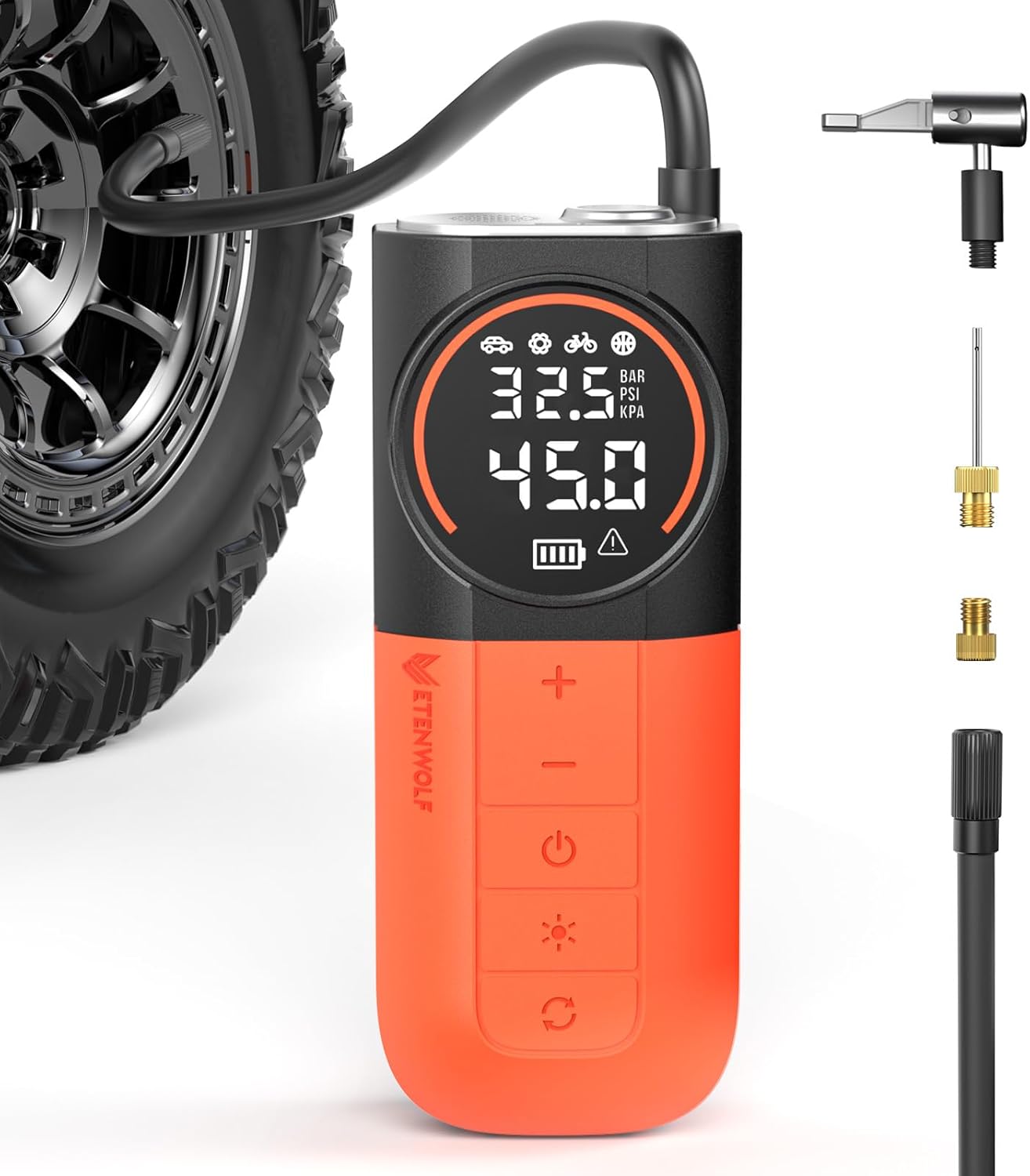
The ETENWOLF S1 cordless tire inflator delivers ultra-fast inflation with up to 160 PSI and a 20 L/min airflow for quicker tire top-offs. Its 5200mAh battery and cooling system support inflating many tires and sports balls on a single charge, while the digital pressure gauge and multi-unit display help you reach the right pressure accurately. With preset modes, pressure memory, an auto-stop feature, and an LED flashlight, it’s built for easy roadside and everyday use.

EVOULTES heavy duty tire inflator with an integrated gauge delivers accurate pressure readings from 10–120 PSI, helping you inflate, deflate, and check tires in one tool. The 16.5-inch extended dual-head air chuck with swivel base reaches hard-to-access dual wheel valves on trucks and RVs. A brass trigger core and side-mounted air release valve make operation smooth, with standard 1/4" NPT threading and quick-connect compatibility for easy setup.
What to Expect When Switching to All-Season Tires?
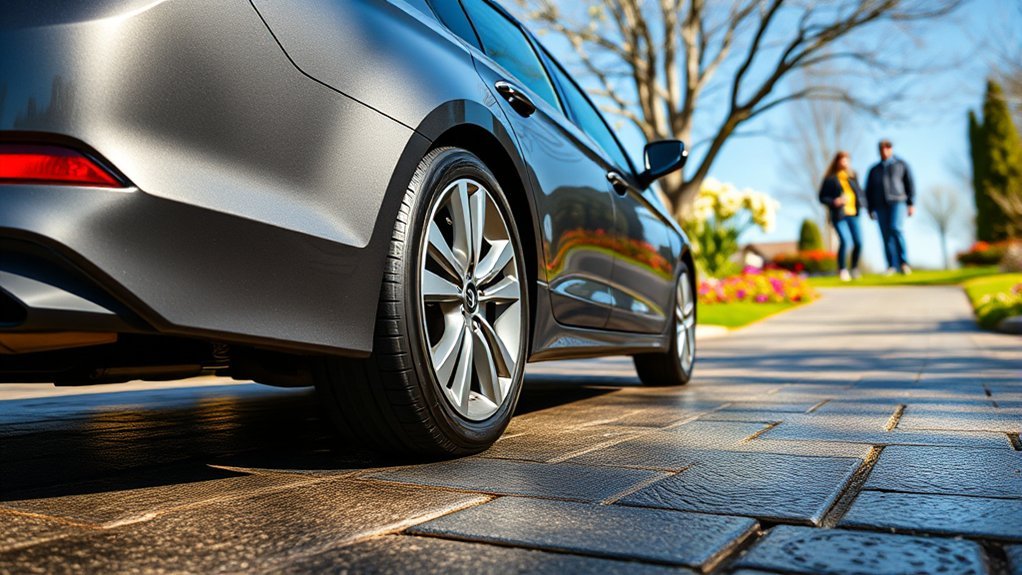
After switching to all-season tires, your Hyundai Sonata may feel quieter and more settled on warm pavement. Steering response can feel cleaner because the tread blocks are not as soft as winter tires in mild weather. You may also notice a smoother ride if the all-season tires are newer, properly balanced, and inflated to the correct cold pressure.
Do a short test drive after the swap. Listen for vibration, pulling, thumping, or a tire-pressure warning light. If the car pulls to one side or the steering wheel shakes, have the balance, alignment, tire seating, and lug-nut torque checked by a qualified technician.
How to Store Winter Tires After Removal
Good storage helps your winter tires stay ready for next season. Before storage, mark each tire’s previous position, clean off road salt and grime, remove stones from the tread, and let the tires dry fully.
Michelin recommends storing tires in a cool, dry, clean indoor environment. Keep them away from direct sunlight, heat sources, moisture, fuels, oils, and ozone-producing equipment such as some motors or compressors.
- Mounted tires on wheels: Store stacked flat or hang them from proper wheel hooks.
- Unmounted tires: Store upright and rotate their position occasionally.
- Bagging: If using tire bags, make sure the tires are clean and dry first.
- Before next winter: Inspect tread depth, sidewalls, age, and pressure before reinstalling.
Frequently Asked Questions
When should I put all-season tires back on my Hyundai Sonata?
Put all-season tires back on when temperatures stay consistently above 7°C (45°F), overnight lows are not dipping near freezing, roads are clear of snow and ice, and the forecast does not show an incoming cold snap.
Is one warm spring day enough to remove winter tires?
No. One warm day is not enough. Wait for a stable pattern of warmer temperatures and check the full forecast, especially if you drive early in the morning when pavement can still be cold.
Can I use all-season tires in late spring snow?
All-season tires can handle light cold-weather conditions better than summer tires, but they are not ideal for snow, ice, or freezing rain. If late snow is likely in your area, delay the switch or consider all-weather tires with the three-peak mountain snowflake symbol.
How much tread should my winter tires have before I store them?
Replace any tire at 2/32 inch tread depth. For winter reuse, be more cautious: winter tires near 4 mm or 5/32 inch may not have enough snow traction for another season. Inspect them before storage so you can budget for replacements before next winter.
How long do Hyundai Sonata tires last?
Many Sonata all-season tires can last tens of thousands of miles, but there is no single guaranteed mileage. Tire life depends on the tire model, pressure, alignment, rotation schedule, road conditions, driving style, load, and age. Replace tires based on tread depth, damage, age, and performance—not mileage alone.
Should I change tire pressure after switching back to all-season tires?
Yes. Check all four tires when cold and inflate them to the PSI listed on your Hyundai Sonata’s driver-door tire placard. Do not use the maximum PSI printed on the tire sidewall as the normal driving pressure.
Sources
- Transport Canada — Using winter tires — supports the 7°C threshold, winter tire elasticity, and winter tread-depth caution.
- NHTSA TireWise — Tire safety — supports tread-depth replacement, monthly pressure checks, tire aging, and tire maintenance guidance.
- Hyundai Owner’s Manual — Tire rotation — supports Sonata tire rotation, uneven-wear inspection, tire pressure after rotation, and lug-nut torque guidance.
- Michelin — Storing tires — supports off-season tire storage in a cool, dry, clean indoor environment.
Conclusion
Switching your Hyundai Sonata back to all-season tires is a smart move once spring weather is truly stable. Use the 7°C (45°F) guideline, check overnight lows, inspect both tire sets, and confirm the road forecast before making the change. After the swap, set cold tire pressure to the door-placard value and store your winter tires properly so they are ready for the next cold season.

Related Articles

Danger of Using Summer Tires in Winter on a Hyundai Sonata
Potentially perilous, using summer tires in winter on your Hyundai Sonata can compromise safety—discover the hidden dangers that await you on icy roads.
Read More
Can You Mix Nitrogen and Air in Hyundai Sonata Tires? Answered
Discover the implications of mixing nitrogen and air in your Hyundai Sonata tires—are the benefits worth the risks? Explore the answer inside!
Read More
How to Tell If Hyundai Sonata Tires Are Too Old to Use Safely
Understand how to assess the age of your Hyundai Sonata tires and discover crucial signs of deterioration that could compromise your safety on the road.
Read More