
Hyundai Sonata Tire Wear on Outside Edge: What’s Causing It
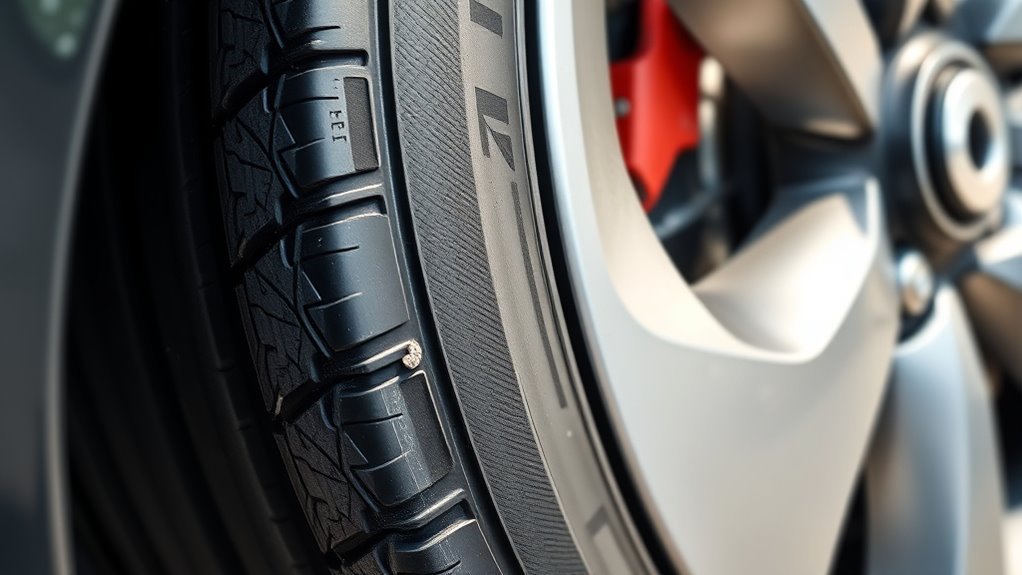
If you see outside edge tire wear on your Hyundai Sonata, do not treat it as normal aging. The most likely causes are wheel alignment problems, worn or loose suspension parts, incorrect tire pressure, or repeated hard cornering. The sooner you identify the wear pattern, the better chance you have of saving the tire and preventing steering, braking, or blowout risks.
Quick Answer
Outside edge tire wear on a Hyundai Sonata usually points to incorrect alignment, especially camber or toe, but low tire pressure, worn struts, bad bushings, loose steering parts, and aggressive cornering can also contribute. Check cold tire pressure first, inspect tread depth, then have the alignment and suspension checked if the wear is one-sided or keeps returning.
Key Takeaways
- One-sided outer-edge wear usually means the tire is not meeting the road at the correct angle.
- Underinflation more commonly wears both shoulders, while toe or camber problems often create one-sided edge wear.
- Rotate Sonata tires according to the owner’s manual; Hyundai guidance for the referenced manual is every 8,000 miles or sooner if irregular wear develops.
- Replace a tire immediately if cords are visible, a bulge appears, the sidewall is damaged, or tread is at 2/32 inch.
- A nail puncture is usually handled through tire repair, tire manufacturer coverage, or road-hazard coverage, not the standard Hyundai vehicle warranty.
At a Glance
| Time Required | 10–20 minutes for a driveway check; longer if a shop performs alignment or suspension diagnosis |
| Difficulty | Easy for inspection; professional help recommended for alignment, suspension, and tire repair |
| Tools Needed | Tire pressure gauge, tread depth gauge or penny, flashlight, notepad or phone camera, and a qualified alignment rack for final correction |
| Cost | Low for DIY inspection; professional alignment, tire replacement, or suspension repair varies by shop, tire size, and parts needed |
Understanding Outside Edge Tire Wear in Hyundai Sonatas
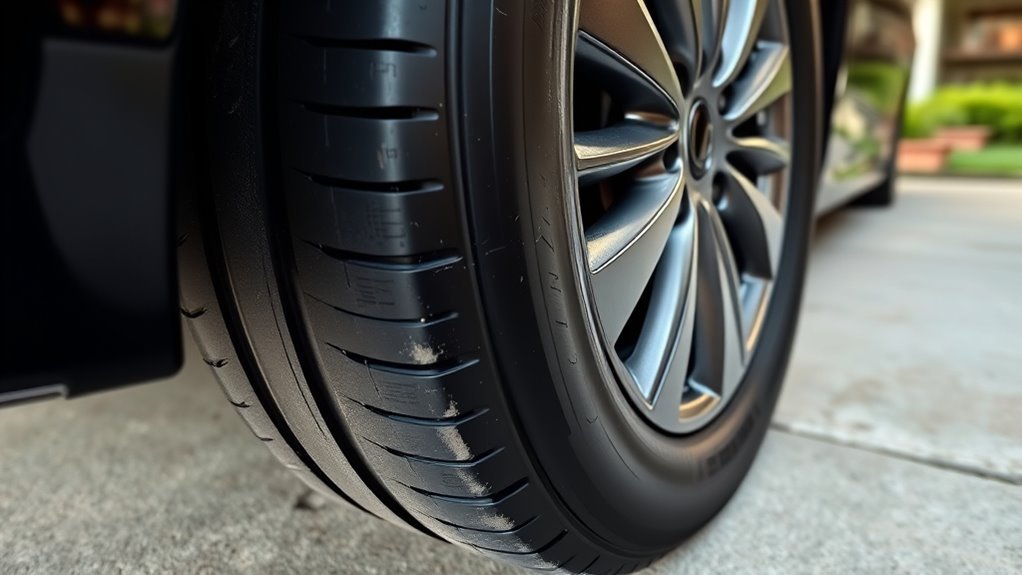
Outside edge wear means the outer shoulder of the tire is wearing faster than the center or inner shoulder. On a Hyundai Sonata, that wear pattern often means the tire is being dragged, tilted, or overloaded on one edge instead of rolling evenly across the tread.
The important detail is where the wear appears. If only one front tire is wearing on the outside edge, suspect alignment, a bent part, or a worn suspension component on that corner. If both shoulders of the same tire are worn, low air pressure is more likely. If the tread feels rough in one direction and smooth in the other, toe alignment may be the issue.
Hyundai’s tire rotation guidance says abnormal wear is usually caused by incorrect tire pressure, improper wheel alignment, out-of-balance wheels, severe braking, or severe cornering. The same guidance recommends rotating tires every 8,000 miles or sooner if irregular wear develops.
NHTSA crash data found that tires at 0–2/32 inch tread depth were associated with tire problems in the pre-crash phase about three times more often than tires at 3–4/32 inch. That is why edge wear should be checked early, not after the tire is bald. Source: NHTSA crash statistics report.
[Products Worth Considering]

EVOULTES heavy duty tire inflator with an integrated gauge delivers accurate pressure readings from 10–120 PSI, helping you inflate, deflate, and check tires in one tool. The 16.5-inch extended dual-head air chuck with swivel base reaches hard-to-access dual wheel valves on trucks and RVs. A brass trigger core and side-mounted air release valve make operation smooth, with standard 1/4" NPT threading and quick-connect compatibility for easy setup.

The JACO FlowPro Tire Inflator measures, inflates, and airs down tires up to 100 PSI with battery-free operation and ±2% accuracy after calibration. It features a glowing pressure dial for night visibility, a heavy-duty steel build with a hybrid hose, and a precision push-to-inflate thumb trigger. The patented Lightning Air Chuck locks on for a secure seal, and the kit includes quick-connect hardware for easy inline use with your air compressor.

Blackline Blackout is a water-based trim and tire dressing that restores rubber, vinyl, and plastic with a rich satin, blackout look. Its no-sling formula dries quickly and helps prevent messy transfer onto paint. The coating repels water and offers UV protection to help prevent fading, cracking, and discoloration for a clean, long-lasting finish.
Top Causes of Uneven Tire Wear in Hyundai Sonatas
Outside edge tire wear is not a diagnosis by itself. It is a clue. Use the wear pattern, tire pressure, steering feel, and suspension condition together to narrow down the cause.
| Wear Pattern | Likely Cause | What To Do |
| Outer edge worn on one tire | Camber/toe misalignment, bent part, worn bushing, or worn strut | Get alignment readings and have the front end inspected before replacing tires |
| Both shoulders worn faster than center | Underinflation or frequent heavy loading | Set cold PSI to the driver-door placard and check monthly |
| Feathered or sawtooth tread | Toe alignment problem | Schedule alignment and ask for before-and-after readings |
| Cupped or scalloped patches | Worn shocks/struts, imbalance, or loose suspension parts | Inspect struts, shocks, bushings, ball joints, tie rods, and wheel balance |
| Center tread worn faster than edges | Overinflation or tire/load mismatch | Set pressure to vehicle placard, not the tire sidewall maximum |
The most common causes to check are:
- Improper wheel alignment: Camber and toe settings control how the tire contacts the road. Incorrect angles can scrub the outer shoulder quickly.
- Low tire pressure: Underinflation can reduce tire life and affect handling and stopping ability. Hyundai recommends monitoring tire pressure periodically, and NHTSA recommends checking tire pressure at least monthly.
- Worn suspension or steering parts: Worn struts, shocks, control-arm bushings, ball joints, tie rods, or wheel bearings can change wheel angle while driving.
- Hard cornering or road impacts: Potholes, curb strikes, severe braking, and aggressive cornering can speed up shoulder wear or knock alignment out.
- Delayed tire rotation: Tire rotation helps equalize tread wear. Skipping it can make edge wear worse before you notice it.
Note: Do not use the PSI number molded into the tire sidewall as your normal inflation target. That number is a tire limit, not your Sonata’s recommended pressure. Use the tire placard on the driver’s door jamb or your owner’s manual.
How to Diagnose and Fix Outside Edge Tire Wear
Before buying new tires, check the basics. A new tire installed on a Sonata with the same alignment or suspension problem can start wearing unevenly again within a few thousand miles.
Step 1: Check Tire Pressure Cold
Check tire pressure when the tires are cold, meaning the car has been parked for several hours or driven only a short distance. Compare the reading with the driver-door tire placard. Add or release air as needed, then recheck all four tires.
NHTSA says proper tire pressure supports steering, stopping, traction, load-carrying ability, fuel economy, and tire life. Underinflated tires and overloaded vehicles are also major causes of tire failure, so this is the first check to make.
Step 2: Measure Tread Depth Across the Tire
Use a tread depth gauge at the outer shoulder, center, and inner shoulder of the tire. Write down the readings. If the outer shoulder is much lower than the center and inner shoulder, the tire is wearing unevenly.
Tires should be replaced when tread reaches 2/32 inch. If the tire is already near 4/32 inch and you drive in rain, snow, or highway traffic, plan replacement soon and correct the cause of wear first.
Step 3: Look for Danger Signs
Inspect the outer shoulder, tread grooves, and sidewall. Look for cords, steel belts, bulges, cracks, nails, cuts, exposed fabric, or uneven patches.
Warning: Do not keep driving on a tire with exposed cords, a sidewall bulge, rapid air loss, sidewall damage, or tread at 2/32 inch or less. Install the spare if safe to do so, or call roadside assistance.
Step 4: Check for Driving Symptoms
Pay attention to how the Sonata feels on a flat road:
- Pulling left or right can point to alignment, tire pressure, brake drag, or tire damage.
- An off-center steering wheel often points to alignment.
- Vibration may mean wheel balance, tire damage, or worn suspension parts.
- Clunking, wandering, or uneven steering feel can point to loose steering or suspension components.
Step 5: Get Alignment Readings
Ask the shop for a printout showing before-and-after camber, caster, and toe. If the readings are out of specification, alignment can correct the tire angle. If the shop cannot bring the alignment into specification, a bent or worn part may be preventing proper adjustment.
Pro Tip: If only one tire is wearing badly, ask the technician to inspect that corner before performing the alignment. A worn bushing or bent control arm can make the new alignment drift out again.
How Suspension Problems Impact Hyundai Sonata Tire Wear
Your Sonata’s suspension keeps the tire flat and stable against the road. When parts wear out, the wheel can tilt, bounce, or shift while driving. That movement changes the contact patch and can make the outside edge wear faster.
Hyundai’s service guidance says road conditions, driving habits, potholes, and minor accidents can misalign tires, and aging shock absorbers or other components can loosen steering control and shift wheel alignment. If you notice unusual tire wear or pulling, Hyundai says the alignment may need to be reset.
Ask the shop to inspect these parts:
- Struts and shocks: Weak dampers can cause bounce, cupping, poor contact, and uneven shoulder wear.
- Control-arm bushings: Cracked or loose bushings allow the wheel to shift under braking and cornering.
- Ball joints: Wear can change wheel angle and create steering looseness.
- Tie rods: Loose tie rods affect toe settings and can create feathered tread.
- Wheel bearings: Worn bearings can cause noise, looseness, and irregular tire contact.
- Wheels and tires: Bent wheels, damaged tires, or imbalance can mimic suspension problems.
Signs You Must Address Tire Wear Immediately
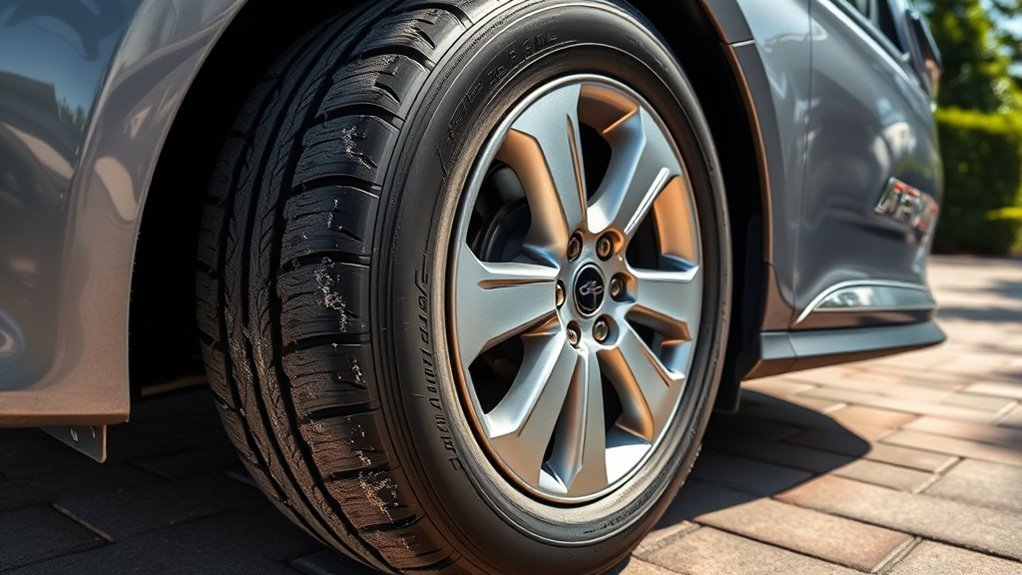
Some outside edge wear can be monitored briefly while you schedule service. Other signs need immediate action because they can affect tire strength, braking, and control.
Act right away if you notice:
- Steel cord or fabric showing through the tread
- A sidewall bubble, bulge, or deep cut
- A tire that keeps losing air after inflation
- Outer tread worn to 2/32 inch or less
- Heavy vibration, thumping, or wobbling
- Rapidly worsening wear after a pothole or curb hit
- Vehicle pulling strongly to one side
If a tire has a nail in the tread, do not assume it can be patched from the outside. NHTSA says a proper puncture repair requires a plug for the hole and a patch inside the tire, and the tire must be removed from the rim for proper inspection. Sidewall punctures should not be repaired.
[Products Worth Considering]

Universal magnetic jack pad with aluminum grooved design to protect vehicle pinch welds during lifting. Durable nylon pad inserts are upgraded and secured with screws to...
Essential Maintenance Tips for Your Sonata’s Tires
Consistent maintenance is the best way to prevent outside edge tire wear from returning. These checks are simple, but they protect tire life and help you catch alignment or suspension problems early.
- Check tire pressure monthly: Use the driver-door placard or owner’s manual. Hyundai notes that overinflation or underinflation can reduce tire life and affect handling and stopping ability.
- Rotate tires on schedule: Follow your Sonata owner’s manual. Hyundai guidance for the referenced manual recommends rotation every 8,000 miles or sooner if irregular wear develops.
- Inspect tread every month: Check outer shoulder, center tread, and inner shoulder. Uneven readings reveal problems before the tire is ruined.
- Get alignment checked after impacts: A hard pothole, curb strike, or minor accident can change alignment even if the car still drives normally.
- Inspect suspension when wear returns: Repeated outside edge wear after alignment usually means a worn, bent, or loose part needs attention.
- Keep records: Save tire rotations, pressure checks, alignment printouts, and suspension repair invoices. Records can help with tire manufacturer claims or service discussions.
Note: TPMS is helpful, but it is not a substitute for monthly pressure checks. TPMS usually warns only after pressure drops significantly, so a tire can still be underinflated enough to wear poorly before you notice a warning light.
Frequently Asked Questions
Why are my Hyundai Sonata tires wearing on the outside edge?
The most common causes are incorrect wheel alignment, worn suspension parts, low tire pressure, or repeated hard cornering. If the wear is on one outer shoulder only, alignment or suspension is more likely than simple underinflation.
Can low tire pressure cause outside edge tire wear?
Yes, but low tire pressure more often wears both shoulders of a tire, not only one edge. If only the outside edge is worn, check pressure first, then inspect alignment, camber, toe, and suspension parts.
Should I replace the tire or get an alignment first?
If the tire is unsafe, replace it or install the spare first. If the tire is still safe, diagnose the cause before buying new tires. Replacing a tire without correcting alignment or suspension can make the new tire wear the same way.
How often should I rotate Hyundai Sonata tires?
Follow your owner’s manual for your model year and tire type. Hyundai guidance for the referenced Sonata manual recommends rotating tires every 8,000 miles or sooner if irregular wear develops.
Does the Hyundai warranty cover a nail in a tire?
Usually, a nail puncture is not handled through the standard Hyundai vehicle warranty. Hyundai’s warranty handbook says original tires are warranted directly by the tire manufacturer. If you bought replacement tires through the Hyundai Tire Center or purchased a road-hazard plan, check that paperwork because separate coverage may apply.
When is outside edge tire wear unsafe?
It is unsafe if cords or fabric are visible, the sidewall is damaged, a bulge appears, the tire leaks air, or the tread reaches 2/32 inch. Heavy vibration, pulling, or rapid wear after an impact also needs immediate inspection.
Conclusion
Outside edge tire wear on a Hyundai Sonata is a warning sign, not just a cosmetic tread issue. Start with cold tire pressure and tread depth, then look for alignment, suspension, steering, or road-impact causes. If the tire is near 2/32 inch, has exposed cords, or shows a bulge, treat it as a safety problem right away. Fixing the cause before installing new tires is the best way to protect handling, tire life, and your wallet.
Sources
- Hyundai Owner’s Manual — Tire Rotation — supports tire rotation interval, abnormal wear causes, balance checks, and post-rotation pressure guidance.
- Hyundai Tire Care and Maintenance — supports tire pressure, TPMS, tread checks, and Hyundai Tire Center road-hazard note.
- Hyundai Suspension Service — supports alignment/suspension connection, road impacts, unusual tire wear, and pulling symptoms.
- NHTSA Tire Safety Brochure — supports tire pressure checks, tread safety, alignment, rotation, and proper puncture repair guidance.
- NHTSA Tire-Related Factors in the Pre-Crash Phase — supports tread-depth and underinflation crash-risk context.
- Hyundai Owner’s Handbook & Warranty Information — supports tire warranty wording and the distinction between Hyundai vehicle warranty and tire manufacturer coverage.

Related Articles

Danger of Using Summer Tires in Winter on a Hyundai Sonata
Potentially perilous, using summer tires in winter on your Hyundai Sonata can compromise safety—discover the hidden dangers that await you on icy roads.
Read More
Can You Mix Nitrogen and Air in Hyundai Sonata Tires? Answered
Discover the implications of mixing nitrogen and air in your Hyundai Sonata tires—are the benefits worth the risks? Explore the answer inside!
Read More
How to Tell If Hyundai Sonata Tires Are Too Old to Use Safely
Understand how to assess the age of your Hyundai Sonata tires and discover crucial signs of deterioration that could compromise your safety on the road.
Read More