Hyundai Sonata Corroded Rim Causing Tire Leak: Fix & Prevention
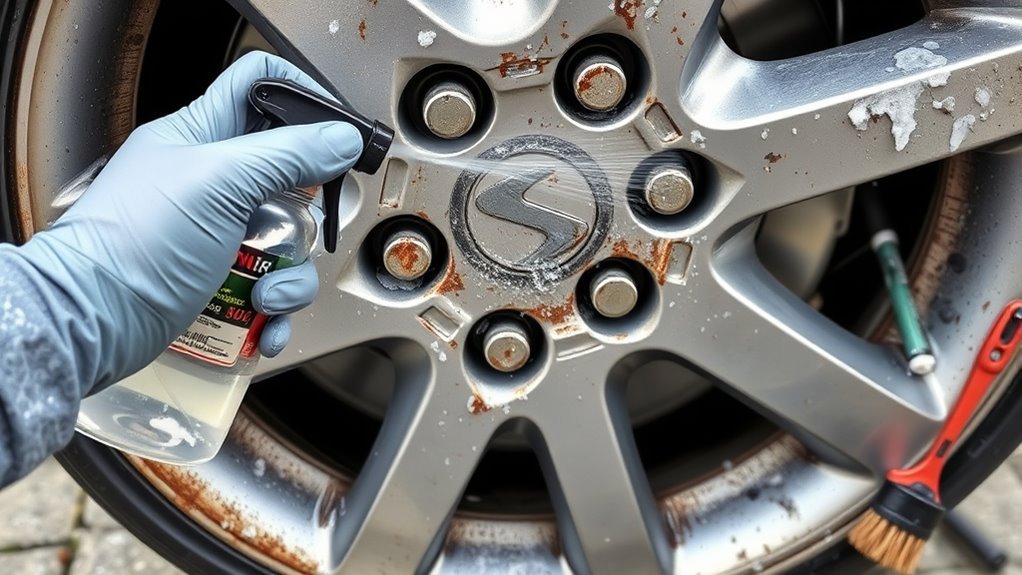
If your Hyundai Sonata keeps losing tire pressure and you see pitting, bubbling, flaking clear coat, or white powdery buildup on the rim, corrosion may be damaging the wheel surface where the tire seals. Light cosmetic corrosion can often be cleaned and protected, but a leak at the tire bead or any cracked, bent, or deeply pitted rim should be inspected by a tire or wheel repair professional.
Quick Answer
Yes, corrosion on a Hyundai Sonata rim can cause a slow tire leak when rough, oxidized metal breaks the seal between the tire bead and the wheel. Check tire pressure monthly, test for bubbles with soapy water, and have bead-seat corrosion professionally cleaned, sealed, remounted, and balanced.
Key Takeaways
- Common signs include pitting, bubbling clear coat, flaking finish, white oxidation, slow pressure loss, and vibration after pothole impact.
- A bead-seat leak may not be visible until the tire is removed from the wheel.
- Use the tire pressure listed on your Sonata’s door placard or owner’s manual, not the maximum pressure printed on the tire sidewall.
- Avoid harsh acidic cleaners, aggressive grinding, and pour-in sealants as permanent fixes for rim leaks.
- Replace the rim if it is cracked, bent, deeply pitted, leaking again after repair, or outside professional repair limits.
At a Glance
| Time Required | 10–20 minutes for inspection; 45–90 minutes per wheel for professional bead-seat cleaning and resealing |
| Difficulty | Easy for visual checks; professional-level for tire removal, bead repair, mounting, balancing, and structural rim inspection |
| Tools Needed | Tire pressure gauge, spray bottle with soapy water, flashlight, microfiber cloth, alloy-safe wheel cleaner, soft wheel brush |
| Cost | About $0–$25 for inspection and cleaning supplies; commonly $25–$75 per wheel for bead cleaning/resealing; more for refinishing or replacement |
Signs Your Hyundai Sonata Rim Is Corroded
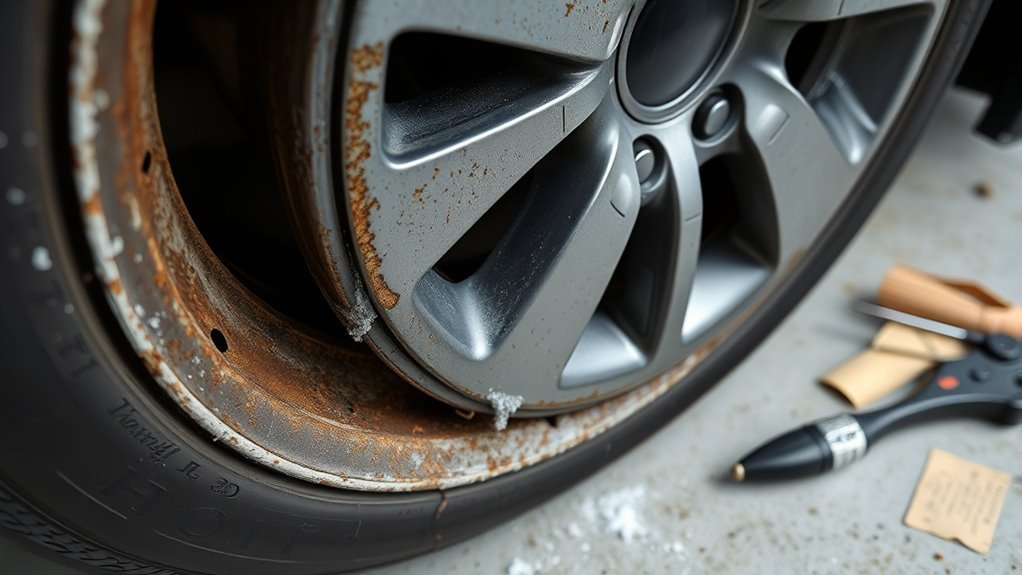
Have you noticed unusual changes in your Hyundai Sonata’s rims? Early corrosion often starts as small cosmetic changes, but it can eventually affect the tire seal if it spreads to the bead-seat area.
Look for these warning signs:
- Pitting: small rough spots or tiny craters in the metal or finish.
- Flaking or peeling clear coat: especially around lug holes, valve stems, and the outer lip.
- Bubbling finish: raised areas that suggest corrosion is spreading under the coating.
- White, chalky residue: a common sign of aluminum oxidation.
- Slow tire-pressure loss: the tire drops a few psi over days or weeks with no obvious puncture.
- Air bubbles at the rim edge: bubbles appear when you spray soapy water around the bead area.
- Vibration after impact: a pothole or curb strike may bend the rim or disturb the bead seal.
Note: Bead-seat corrosion can be hidden under the tire. A rim can look acceptable from the outside but still leak where the tire bead contacts the wheel.
Causes of Rim Corrosion on Alloy Wheels
Most Hyundai Sonata alloy wheels are aluminum alloy with a painted, machined, or clear-coated finish. Aluminum naturally forms a thin oxide layer, but chloride exposure, damaged coatings, brake dust, moisture, and physical impacts can weaken that protection and create pitting.
Damage From Moisture Exposure
Moisture is not always a problem by itself. The problem grows when water sits on a scratched or chipped wheel finish, especially after exposure to road salt or coastal air. Chloride can attack weak spots in aluminum’s protective oxide layer, allowing pits to form and spread under the clear coat.
Common moisture-related causes include:
- winter road salt that is not rinsed off promptly;
- water trapped behind wheel covers or inside damaged clear coat;
- chips from gravel, curb rash, or tire-changing tools;
- corrosion around the valve stem or lug holes;
- old wheel weights or adhesive residue that trap dirt and moisture.
Improper Cleaning Products
Some wheel cleaners are too aggressive for damaged alloy-wheel finishes. Acidic cleaners, harsh degreasers, stiff metal brushes, and abrasive pads can dull the clear coat or expose more bare aluminum. Once the coating is compromised, corrosion can spread faster.
For routine cleaning, use a cleaner labeled safe for painted or clear-coated alloy wheels, a soft brush, and microfiber towels. Rinse thoroughly so cleaner and brake dust do not dry on the surface.
Impact Damage and Curb Rash
A pothole, curb strike, or improper tire-machine contact can chip the coating or bend the rim. A bent rim may leak even without visible corrosion because the tire bead can no longer sit evenly against the wheel.
Warning: Do not drive normally on a tire that is losing pressure. Underinflation can increase heat, damage the tire internally, reduce handling, and lead to tire failure. Inflate to the pressure listed on your Sonata’s placard or owner’s manual and have recurring leaks inspected.
How to Inspect for Rim Damage Effectively
Start with the wheel installed and the tire cold. Use a flashlight and inspect both the visible outer rim and as much of the inner barrel as you can safely see.
- Check cold tire pressure. Compare it with the pressure listed on your Sonata’s tire placard or the correct Hyundai owner’s manual for your model year and trim.
- Look around the rim lip. Check for bubbling, flaking, curb rash, or white oxidation where the tire meets the wheel.
- Inspect the valve stem and TPMS area. A cracked rubber stem, loose core, damaged TPMS nut, or corrosion around the valve hole can mimic a rim leak.
- Spray soapy water around the tire bead. Use a spray bottle and watch for steady bubbles around the rim edge.
- Spray the valve stem and tread. Bubbles at the valve or tread mean the leak may not be rim corrosion.
- Check for bends or cracks. Any visible crack, flat spot, wobble, or sharp bend needs professional inspection before further driving.
Pro Tip: Mark the leaking area with painter’s tape or a washable marker before taking the car to a tire shop. This helps the technician focus on the exact bead, valve, or wheel section where bubbles appeared.
[Products Worth Considering]

This digital tire pressure gauge combines a sturdy pistol grip inflator with a backlit 0.1 PSI display for quick, accurate readings in any lighting condition. Its 360° swivel gauge and 20" rubber hose make it easy to use and store, while the integrated inflate/deflate trigger and ¼" NPT air inlet provide fast, reliable tire maintenance.

The Milton 555e digital tire inflator delivers fast, accurate pressure readings with a backlit display and multiple unit options, making tire inflation quick and easy. Its durable 20" EPDM rubber hose and grip‑head chuck provide reliable connection, while the ±1 PSI accuracy ensures precise inflation for cars, bikes, and trucks.

The Milton 507KIT delivers fast, accurate tire inflation, deflation and pressure measurement with a backlit LCD gauge and 14" rubber hose. Its 3‑in‑1 design meets ANSI/ASME standards and provides readings from 0‑250 PSI with 0.1 PSI resolution. The ergonomic pistol‑grip body and brass lock‑on chuck make one‑handed operation effortless, while the auto‑off feature conserves battery life.
How to Fix Corroded Rims and Stop Tire Leaks
The right fix depends on where the corrosion is and whether the wheel is structurally sound. Cosmetic corrosion on the outer face is different from corrosion on the bead seat where the tire seals.
| Problem Found | Likely Fix | DIY or Professional? |
|---|---|---|
| Light surface oxidation on the visible face | Clean gently, polish only if finish allows, then protect with wax, sealant, or coating | Careful DIY |
| Bubbles at the tire bead during soapy-water test | Dismount tire, inspect bead seat, remove corrosion, reseal/recoat if repairable, remount and balance | Professional |
| Leak at valve stem or TPMS nut | Replace valve stem, service TPMS seal, and inspect valve-hole corrosion | Professional recommended |
| Cracked, bent, deeply pitted, or repeatedly leaking wheel | Replace or professionally repair only if the wheel is confirmed safe | Professional only |
A tire shop will usually remove the wheel, dunk or spray-test it, dismount the tire if the bead area is leaking, clean the bead seat, inspect for cracks or excessive pitting, apply approved products if needed, remount the tire, balance the assembly, and recheck for leaks.
Warning: Do not break the tire bead, grind the bead seat, weld a wheel, or inflate a damaged tire/wheel assembly without proper tire-service equipment. A damaged wheel or improperly seated bead can fail suddenly.
[Products Worth Considering]

The GERCHWAY tire inflator combines a durable rubber‑protected gauge with a 360° swivel air chuck for hands‑free operation and reliable sealing on any valve. Its 100 PSI range delivers ±2 PSI accuracy, making it ideal for most passenger and light‑truck tires. The battery‑free design ensures you can measure, inflate, or deflate without worrying about power loss, while the universal ¼ NPT connection fits any standard compressor.
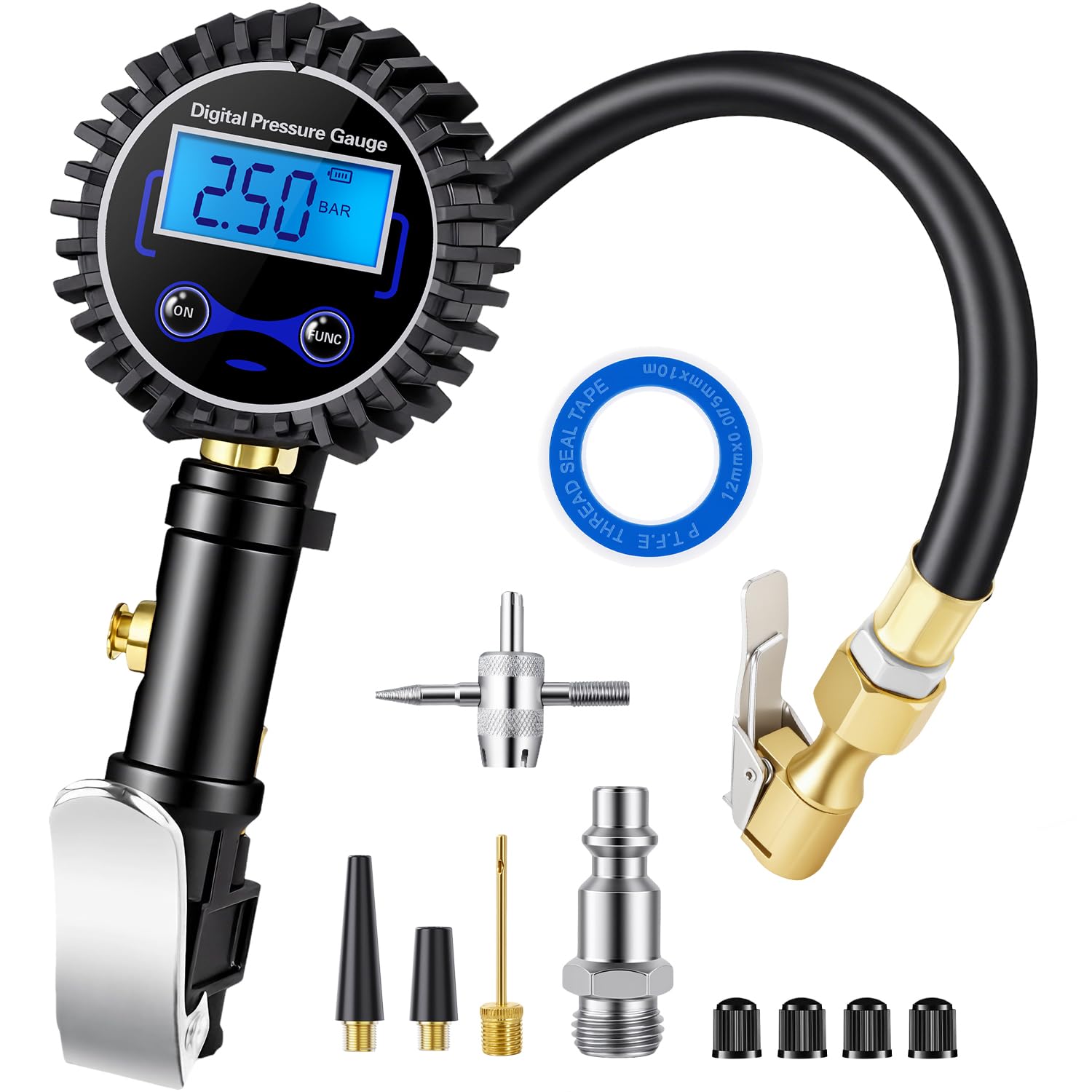
The Digital Tire Pressure Gauge with Inflator offers precise pressure readings with a high‑resolution LED display and four unit options, making tire maintenance quick and accurate. Built from stainless steel and brass, it includes a durable rubber hose, quick‑connect coupler, and a 3‑year warranty for reliable, everyday use across cars, RVs, bikes, and inflatables.

Return to Like New - Restores Damaged Metal Wheel Surfaces to a LIKE NEW Appearance
Best Practices for Cleaning Alloy Wheels
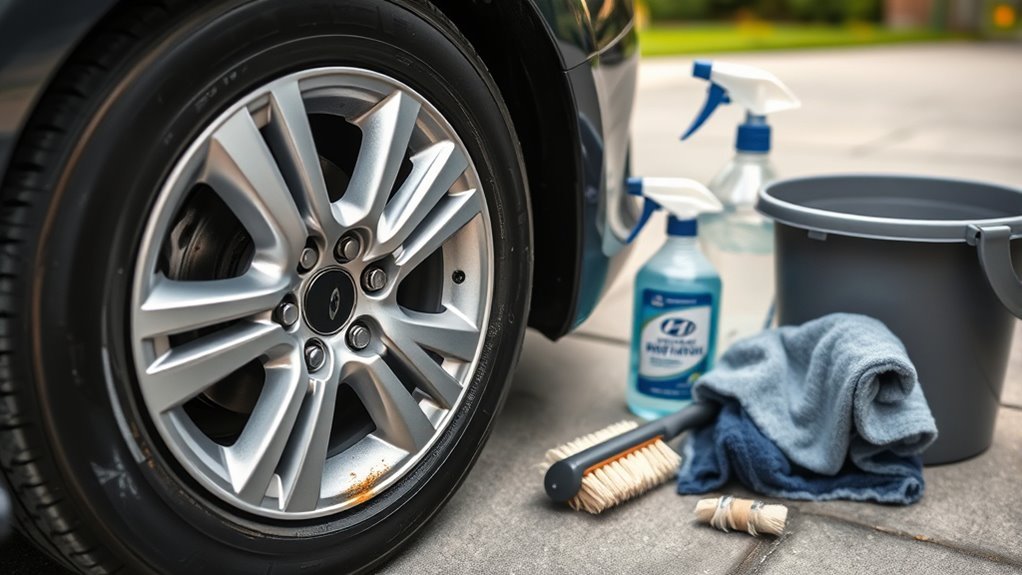
Cleaning your alloy wheels is not just cosmetic. Removing salt, brake dust, and grit helps protect the clear coat and slows corrosion.
- Rinse first. Flush loose dirt and salt from the wheel, lug holes, and rim lip.
- Use alloy-safe cleaner. Choose a product labeled safe for painted, machined, or clear-coated wheels.
- Agitate gently. Use a soft wheel brush and microfiber cloth, not steel wool or a harsh scouring pad.
- Rinse completely. Do not let cleaner dry on the wheel.
- Dry the wheel. A dry surface makes bubbling, pitting, and clear-coat damage easier to spot.
- Protect the finish. Apply a wheel-safe wax, sealant, or coating if the finish is intact and the product instructions allow it.
After winter driving or salty coastal trips, rinse the wheels and underbody as soon as practical. Pay close attention to the rim lip, lug holes, valve stem area, and the inner wheel barrel.
Best Products for Maintaining Alloy Wheels
The best maintenance products are gentle, wheel-safe, and matched to your wheel finish. Your Sonata may have painted, machined, dark-finished, or replacement aftermarket wheels, so always check the cleaner label before applying it.
- pH-balanced alloy wheel cleaner: best for routine washing.
- Soft wheel brush: reaches lug holes and rim edges without scratching.
- Microfiber towels: safer than rough shop rags on clear coat.
- Wheel-safe iron remover: useful for embedded brake dust if the label says it is safe for your finish.
- Protective wheel sealant or coating: helps dirt and salt rinse away more easily.
- Tire pressure gauge: the simplest tool for catching slow leaks early.
Avoid silicone, petroleum, or solvent-based products around the tire bead unless the tire manufacturer specifically allows them. These substances can harm tire materials, affect bead seating, or create safety hazards.
[Products Worth Considering]

Simple & Efficient & Multi-Use - The tire brush set include 3 different wheel brush. The car wheel brush kit can help you efficiently clean light / medium / heavy dirt, for the interior, exterior surface, tire,wheel, aim, carpet, suit for truck,suv, rv, motorcycle and more.

A DETAILING SET for RIMS AND TIRES: Our Car Wheel Cleaning Brush Set (4 Pack) including 2pcs ultra soft and supremely fluffy ideal sizes synthetic plush brush for wheel rims surface& cracks, 1pcs soft detailing brush for lug nut cavities, 1pcs stiff tire brush for tire cleaning. Complete cleaning brush kit perfect for car wheels and tires

Scratch-free Cleaning: PACKAGE INCLUDES 2 BRUSHES ONLY, DRILL IS NOT INCLUDED!The drill wheel cleaning brush is made of high- quality nylon filament material, with soft and high-density bristles that can effectively clean the wheels without scratching delicate surfaces. It is suitable for alloy, chrome, and painted surfaces
When to Seek Professional Help for Rim Repair
Seek professional help when the problem affects air pressure, tire seating, wheel shape, or structural safety. Cosmetic cleaning is one thing; bead-seat repair and wheel integrity are different.
Signs of Severe Corrosion
Professional inspection is recommended if you see:
- deep pitting or missing metal near the rim lip;
- finish bubbling that continues under the tire bead;
- repeated slow leaks after the tire has already been resealed;
- white powdery corrosion around the valve stem hole;
- air bubbles from the bead seat during a soapy-water test;
- corrosion on chrome-plated or heavily refinished wheels.
Structural Integrity Concerns
Stop treating the issue as cosmetic if the wheel is bent, cracked, wobbling, or vibrating after a pothole strike. A damaged rim can prevent the tire from sealing properly and can also affect ride quality, braking feel, and steering stability.
Replace or professionally evaluate the wheel if you find:
- visible cracks;
- a flat spot or bend on the inner or outer lip;
- severe bead-seat pitting;
- a wheel that cannot hold pressure after proper repair;
- damage near the lug holes;
- sidewall bulging or tire damage from running underinflated.
Professional Repair Benefits
A qualified tire or wheel shop can remove the tire safely, inspect the hidden bead-seat surface, check for wheel runout, clean corrosion without removing too much metal, install proper valve/TPMS seals, remount the tire correctly, balance the wheel, and confirm the leak is gone.
That final leak check matters. A rim that appears clean can still leak if the bead seat is uneven, the valve stem is damaged, or the wheel has porosity or a hairline crack.
Importance of Regular Inspections After Tire Changes
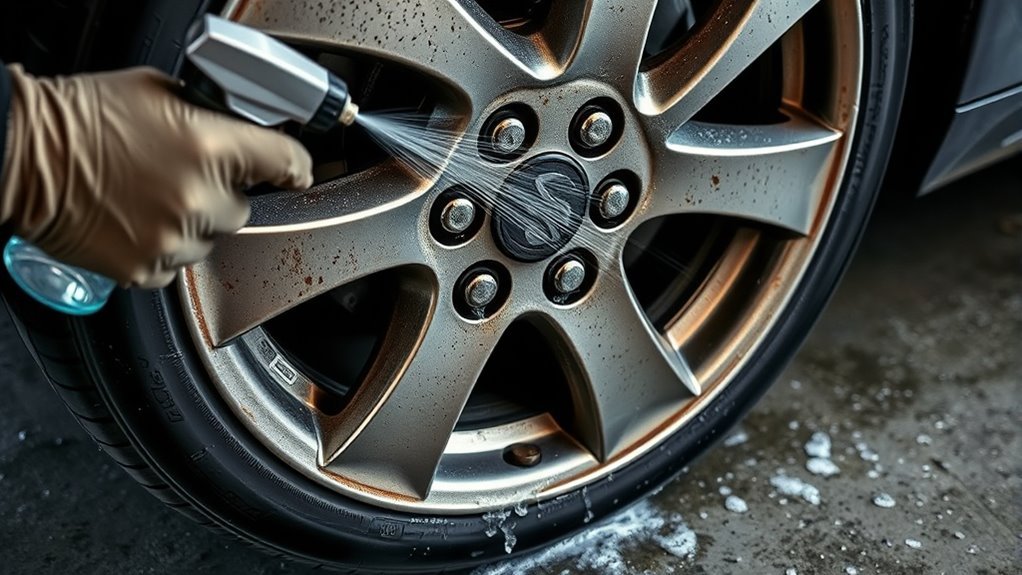
Regular inspections after tire changes are important because some corrosion is hidden until the tire is removed. Ask the technician to inspect the bead-seat area, valve stem, TPMS seal, inner rim barrel, and wheel lip before remounting the tire.
| Inspection Focus | Why It Matters | Recommended Frequency |
|---|---|---|
| Cold Tire Pressure | Catches slow leaks early | At least monthly and before long trips |
| Tire Bead Seat | Confirms the tire can seal against the rim | Whenever tires are mounted or dismounted |
| Valve Stem / TPMS Seal | Prevents leaks that look like rim corrosion | At tire service or when pressure drops |
| Wheel Shape and Cracks | Finds impact damage before it worsens | After potholes, curb strikes, or vibration |
| Visible Rim Finish | Spots bubbling, pitting, and clear-coat failure | During washing or monthly checks |
The National Highway Traffic Safety Administration recommends checking tire pressure at least once a month, including the spare if equipped, and using the vehicle placard or owner’s manual for the correct pressure. For Sonata-specific tire pressure, load limits, and wheel information, use the correct Hyundai owner’s manual for your model year and trim.
Tips for Extending the Life of Your Alloy Wheels
To keep your alloy wheels looking good and sealing properly, focus on regular cleaning, pressure checks, and early repair.
A slow leak is not just an inconvenience. It is often the first sign that the tire bead, valve stem, rim surface, or tire casing needs attention.
- Wash wheels after exposure to road salt, brine, or coastal spray.
- Use alloy-safe cleaners and soft tools.
- Repair curb rash or chipped clear coat before corrosion spreads.
- Check pressure monthly when the tires are cold.
- Do not rely on nitrogen to replace pressure checks; air and nitrogen both require regular maintenance.
- Ask for bead-seat inspection whenever new tires are mounted.
- Replace missing valve caps to keep dirt and moisture away from the valve core.
- Have vibration, wobble, or repeated pressure loss diagnosed promptly.
What Not to Do With Corroded Sonata Rims
- Do not ignore repeat pressure loss. A tire that needs frequent top-offs has a leak that should be found.
- Do not use pour-in tire sealant as a permanent rim-leak repair. It can create cleanup problems, interfere with inspection, and may affect TPMS components.
- Do not grind aggressively on the bead seat. Removing too much metal can make the sealing surface worse.
- Do not paint over active corrosion. Seal in corrosion only after the surface is properly cleaned and prepared.
- Do not repair a cracked wheel casually. Cracks and bends need professional evaluation or replacement.
Frequently Asked Questions
Can corrosion on rims cause tire leaks?
Yes. Corrosion can roughen the bead-seat surface where the tire seals against the rim. That rough surface can create a small air path, causing the tire to lose pressure over days or weeks.
How do I stop a tire leaking around the rim?
First, confirm the leak with soapy water around the bead, valve stem, and tread. If bubbles appear at the rim edge, a tire shop should dismount the tire, inspect the bead seat, clean corrosion if repairable, service the valve or TPMS seal if needed, remount, balance, and retest the wheel.
Can corroded rims be repaired?
Often, yes, if the corrosion is light or limited to a repairable bead-seat area. However, a rim with cracks, bends, deep pitting, severe metal loss, or repeat leaks after repair may need replacement.
How do I get rid of corrosion on tire rims?
For light surface corrosion, clean the wheel with alloy-safe cleaner, dry it, gently polish only if the wheel finish allows it, and protect the surface. For corrosion where the tire seals, have the tire removed and the bead seat professionally cleaned and inspected.
Is a bead leak the same as a puncture?
No. A puncture usually leaks through the tire tread or sidewall area. A bead leak comes from the contact area between the tire bead and the wheel. The fix is different, so the leak source should be confirmed before repair.
Will nitrogen prevent Hyundai Sonata rim corrosion?
Nitrogen is not necessary for normal passenger tire service. It may slightly reduce pressure loss in some cases, but it will not fix bead leaks, valve leaks, wheel corrosion, or poor maintenance. Regular cold-pressure checks are still required.
Conclusion
Hyundai Sonata rim corrosion can start as a cosmetic issue, but it becomes a safety and reliability problem when it reaches the tire bead, valve stem area, or structural parts of the wheel. Inspect for pitting, bubbling, flaking, and slow pressure loss, then confirm leaks with soapy water. Clean light corrosion early, rinse away salt, use alloy-safe products, and get professional help for bead-seat leaks, bends, cracks, severe pitting, or repeated air loss. With regular checks and timely repair, your Sonata’s wheels can stay safer, cleaner, and more reliable.
Sources
- NHTSA Tire Safety brochure — monthly tire pressure checks, tire placard guidance, and basic tire safety.
- Hyundai Owner’s Manual portal — model-specific Hyundai maintenance, tire pressure, and vehicle information.
- NHTSA-hosted GM Service Bulletin 08-03-10-006I — bead-seat corrosion, slow air loss, inspection, repair, and replacement criteria for aluminum wheels.
- USTMA Tire Bead Lubricants, Mounting Aids, Bead Sealers and Sealants bulletin — safe mounting-product cautions and tire sealant warnings.
- USTMA Nitrogen Inflation bulletin — nitrogen use, limitations, and the need for regular tire pressure maintenance.
- NC State University aluminum pitting corrosion research — aluminum oxide protection, chloride exposure, and pitting corrosion background.

Related Articles

Danger of Using Summer Tires in Winter on a Hyundai Sonata
Potentially perilous, using summer tires in winter on your Hyundai Sonata can compromise safety—discover the hidden dangers that await you on icy roads.
Read More
Can You Mix Nitrogen and Air in Hyundai Sonata Tires? Answered
Discover the implications of mixing nitrogen and air in your Hyundai Sonata tires—are the benefits worth the risks? Explore the answer inside!
Read More
How to Tell If Hyundai Sonata Tires Are Too Old to Use Safely
Understand how to assess the age of your Hyundai Sonata tires and discover crucial signs of deterioration that could compromise your safety on the road.
Read More