
Hyundai Sonata Tire Stopping Distance: Snow vs Dry Pavement
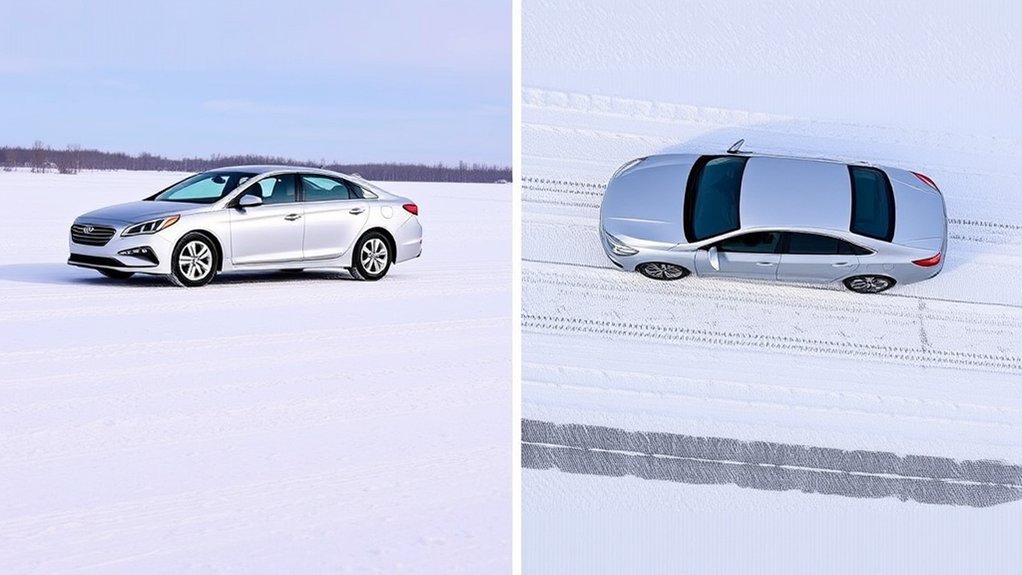
Choosing tires for a Hyundai Sonata is not just a comfort decision in winter. Tire type changes how quickly the car can brake, steer, and regain grip on snow, ice, slush, and cold pavement. Winter tires usually give the safest stopping performance in real winter weather, while all-season tires make more sense for clear, mild, dry-road driving.
Quick Answer
For a Hyundai Sonata, winter tires usually stop sooner on snow and ice because their rubber stays flexible in cold weather and their tread has more biting edges. All-season tires are better for mild weather and clear dry pavement. If you regularly drive below 45°F or in snow, use four matched winter tires.
Key Takeaways
- Winter tires are the safer choice for frequent snow, ice, slush, and cold temperatures.
- In a Tire Rack packed-snow braking test, a winter-tire-equipped car stopped from 30 mph in about 59 feet, while the all-season tire car needed about 30 more feet.
- All-season tires can work in mild winters, but they are not a substitute for dedicated winter tires in repeated snow or ice.
- Always install winter tires as a full set of four so braking and handling stay balanced.
- Check tire pressure cold, inspect tread monthly, and follow Hyundai’s tire-chain guidance for your exact model year and tire size.
Why Stopping Distance Matters: Snow vs. Dry Conditions
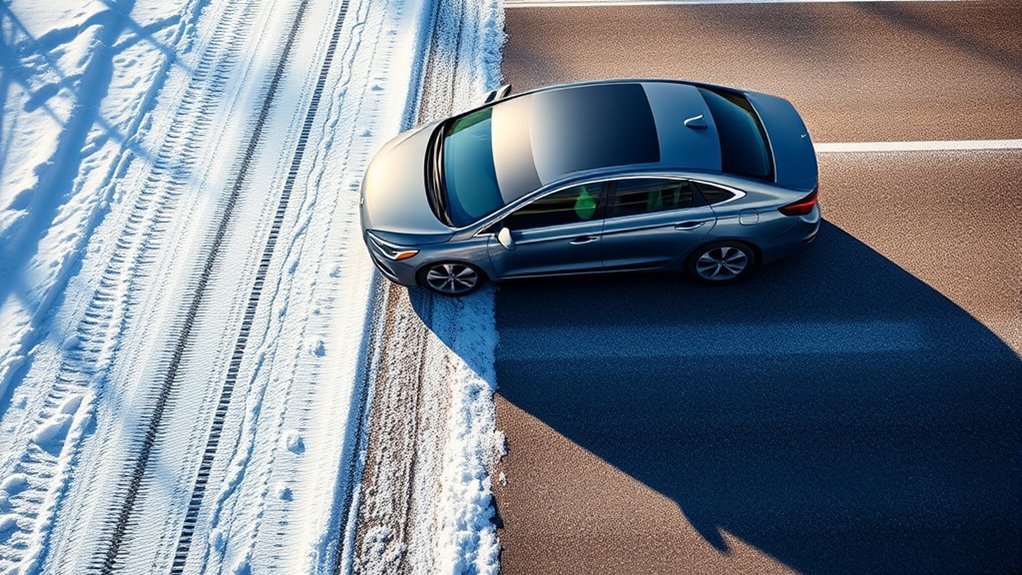
Stopping distance changes because tire grip changes. On dry, warm pavement, many all-season tires feel stable and predictable because their rubber compound and tread are designed for year-round road use. On snow or ice, that same tire can lose bite because the tread blocks and compound are not optimized for packed snow, slush, and freezing surfaces.
Winter tires are built for those cold conditions. Their softer compound, deeper grooves, and dense siping help the tread stay flexible and grip snow-covered pavement. Tire Rack describes winter tires as being engineered for cold weather, ice, and snow, with rubber compounds that remain flexible when temperatures drop below 45°F.
Warning: Better tires do not cancel out speed, ice, poor visibility, or worn tread. In winter weather, slow down and increase following distance even if your Sonata has new winter tires.
[Products Worth Considering]

Keep RV, trailer, or truck dual-axle tires protected with waterproof, UV-resistant covers that help guard against sunlight, snow, rust, and dirt. The dual tire covers are...
How Tire Type Affects Stopping Distance
The right tire depends on the road you actually drive on. A Sonata used in a snowy northern commute needs a different tire strategy than one driven mostly on clear roads in a mild climate.
| Tire Type | Snow and Ice Performance | Dry Pavement Performance |
|---|---|---|
| Winter Tires | Best choice for repeated snow, ice, slush, and temperatures below about 45°F. | Safe when used seasonally, but can feel softer and wear faster in warm weather. |
| All-Season Tires | Acceptable for light, occasional snow when tread is healthy, but braking distance can be much longer on packed snow. | Good everyday choice for clear roads, rain, and mild temperatures. |
| All-Weather Tires | A middle-ground option for drivers who want one set of tires with better winter capability than standard all-seasons. | Usually more convenient than seasonal swaps, but not as strong as dedicated winter tires in severe conditions. |
| Performance or Summer Tires | Not suitable for snow or freezing temperatures unless the tire maker specifically rates them for that use. | Strongest in warm, dry performance driving, depending on the model. |
| Touring Tires | Comfort-focused; winter grip depends heavily on whether the tire is all-season, all-weather, or winter-rated. | Good for quiet daily driving and long tread life. |
| Off-Road Tires | Not automatically better on winter pavement; some lack the siping needed for ice braking. | Usually noisier and less efficient on pavement than passenger-car tires. |
In Tire Rack’s packed-snow braking comparison, the winter-tire car stopped from 30 mph in about 59 feet. The all-season tire car needed about 30 additional feet.
Hyundai Sonata: Why Winter Tires Excel in Snowy Weather
A Hyundai Sonata is a midsize sedan, so tire grip matters more than ground clearance when you need to brake on snow. Winter tires help because they improve the contact between the tire and the road surface in cold conditions.
- Softer cold-weather compound: Winter tires stay more pliable in freezing weather than many standard all-season tires.
- Aggressive tread blocks: Deeper grooves help move slush and snow away from the contact patch.
- More sipes: Small cuts in the tread create extra biting edges for snow and ice.
- Better panic-stop control: More grip gives the ABS system more traction to work with during hard braking.
- Improved starting traction: Winter tires also help the Sonata pull away from stops with less wheelspin.
For best results, install winter tires as a full set of four. Mixing winter tires on one axle with all-season tires on the other can make the car feel unpredictable during emergency braking or turning.
Hyundai Sonata: How All-Season Tires Perform in Mild Winter Conditions
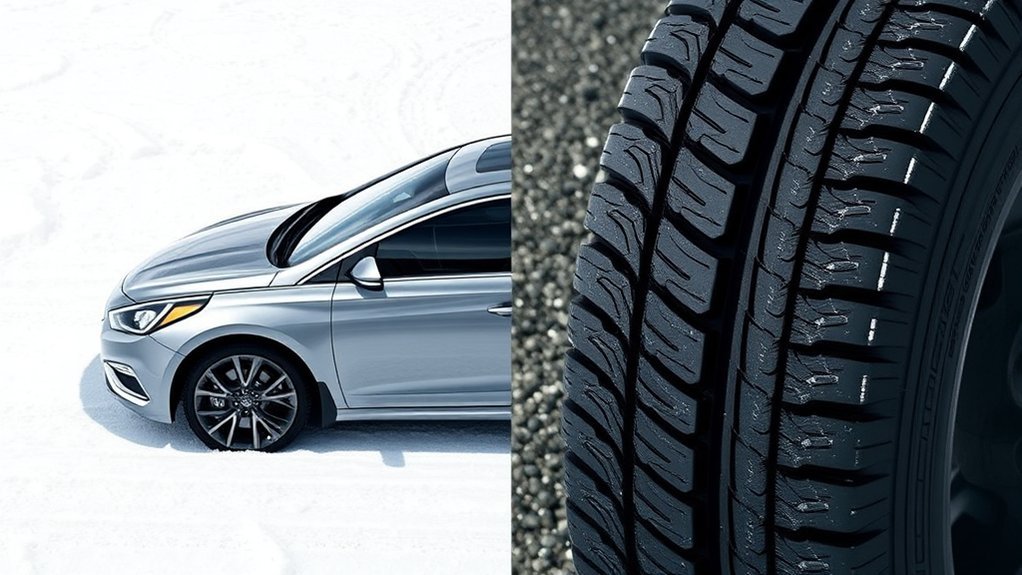
All-season tires can be fine for a Sonata in mild winter areas where roads are usually plowed quickly and temperatures often stay above freezing. They are designed to balance dry grip, wet grip, comfort, tread life, and light winter capability.
The limitation is that “all-season” does not mean “best for all winter conditions.” On packed snow, ice, or repeated sub-45°F driving, standard all-season tires can lose responsiveness and need more distance to stop. That gap becomes more serious when the tires are worn, underinflated, or mismatched.
All-Season Tire Limitations
- They may handle light snow but struggle in deep, packed, or icy snow.
- Braking distance can increase sharply compared with dedicated winter tires.
- Cold rubber can feel less responsive, especially during quick steering or braking.
- Worn tread reduces slush evacuation and increases hydroplaning risk.
- They are not ideal for mountain roads, repeated storms, or unplowed commutes.
Mild Winter Performance Insights
If your Sonata mostly sees wet roads, cold mornings, and occasional flurries, a high-quality all-season or all-weather tire may be enough. If your route includes steep driveways, untreated side streets, lake-effect snow, or frequent ice, winter tires are the safer choice.
Pro Tip: If you want one tire set year-round but need better winter grip than a standard all-season tire, look at all-weather tires with the three-peak mountain snowflake symbol. They are not equal to dedicated winter tires in severe snow, but they can be a practical compromise.
Real-World Experiences: What Sonata Drivers Should Expect
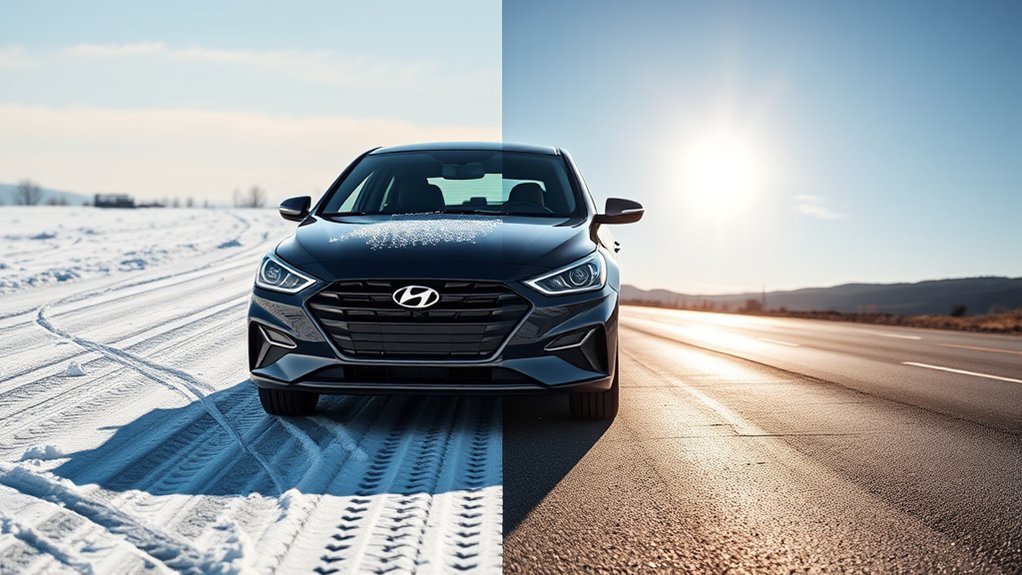
Driver experiences vary by tire brand, tread depth, road treatment, and model year. A Sonata on fresh winter tires can feel confident on plowed snowy roads. The same car on worn all-season tires can slide, spin, or take noticeably longer to stop.
Snow Performance Challenges
The biggest challenge is not the Sonata badge; it is limited traction. Snow and ice reduce the grip available for braking, turning, and acceleration. Because the Sonata is a sedan, deep snow can also drag under the vehicle sooner than it would on a taller SUV or truck.
- Use winter tires if your area gets repeated snow or ice.
- Avoid deep unplowed snow when possible.
- Leave more room than usual behind other vehicles.
- Use smooth steering, throttle, and brake inputs.
- Clear snow from the roof, hood, lights, windshield, and sensors before driving.
Dry Pavement Handling Considerations
On clear, dry pavement, all-season tires often feel firmer and more precise than winter tires, especially in warmer weather. Winter tires can feel softer because they are designed to remain flexible in the cold. That does not make them unsafe when used in season, but it does mean they are not the best tire for warm, dry months.
User Recommendations for Safety
The safest approach is to match the tire to your worst normal driving condition, not your best one. If you only get one or two light snowfalls per year, good all-season or all-weather tires may be enough. If winter weather is routine, dedicated winter tires are worth the seasonal swap.
How Tread Design Impacts Winter Performance
Tread design affects how well the tire bites into snow and clears slush. Winter tires use deeper grooves and many small sipes to create gripping edges. Those edges help the tire hold the surface when you brake or turn.
All-season tires have to balance more jobs. Their tread must stay quiet, last longer, handle rain, and work on dry pavement. That compromise is useful for many drivers, but it is why all-season tires usually cannot match winter tires in snow and ice.
Comparing Stopping Distances: Winter vs. All-Season Tires
Stopping-distance numbers only mean something when you know the speed, surface, temperature, tire condition, and test method. Instead of relying on a single universal number, use test results as examples of how large the gap can become.
- Packed snow: Winter tires can stop dramatically shorter than all-season tires.
- Ice: Dedicated winter tires usually provide better braking control, though ice still requires slow speeds and extra space.
- Cold dry pavement: Winter tires may still work well, but exact braking depends on tire model and temperature.
- Warm dry pavement: All-season or summer tires usually make more sense because winter tires can wear faster and feel less crisp.
At 60 mph, avoid thinking only about braking distance. Total stopping distance also includes the distance traveled during driver reaction time. That is why winter safety guidance focuses on slowing down early and leaving much more following distance.
What to Consider for Safe Winter Driving With Your Sonata
Good tires are the foundation, but safe winter driving also depends on maintenance, speed, visibility, and correct equipment. The National Highway Traffic Safety Administration recommends slowing down on slick roads, increasing following distance, checking tires monthly, and preparing the vehicle before winter weather arrives.
Note: If your Sonata has ABS, press the brake pedal firmly and continuously during an emergency stop. Do not pump ABS brakes unless your owner’s manual instructs otherwise.
If you use tire chains, follow the instructions for your exact Hyundai model, tire size, and chain type. Hyundai’s owner guidance says chains should be installed on the front wheels where specified, driven at less than 20 mph or the chain maker’s lower limit, and removed as soon as you reach cleared roads.
Warning: Wrong-size or poorly installed chains can damage brake lines, suspension parts, body panels, and wheels. Check Hyundai’s owner manual before installing chains on your Sonata.
Maintenance Tips for Optimal Tire Performance in Winter
Even the right tire performs poorly if it is underinflated, worn, damaged, or unevenly matched. Make tire checks part of your winter routine before the first storm hits.
Tire Pressure Checks
Cold weather lowers tire inflation pressure. Check tire pressure at least once a month and before long trips. Use the pressure listed on the driver-side door placard or owner’s manual, not the maximum pressure printed on the tire sidewall.
The Sonata’s tire pressure monitoring system can warn you about low pressure, but it is not a replacement for manual checks. Hyundai explains that TPMS uses wheel sensors and warning messages to alert drivers when pressure is low or the system has a malfunction.
Tread Depth Monitoring
Tread depth is essential in winter because grooves help move water, slush, and snow. NHTSA says tread should be at least 2/32 inch or greater on all tires, and the U.S. Tire Manufacturers Association recommends replacing tires when tread reaches 2/32 inch.
For winter driving, do not treat 2/32 inch as a comfort zone. That is a minimum replacement threshold, not an ideal snow-traction target. If your Sonata regularly sees snow or slush, use a tread-depth gauge and consider replacing tires earlier when winter grip starts to fade.
- Check tread monthly.
- Look for uneven wear, cracks, bulges, cuts, or punctures.
- Rotate tires according to the owner’s manual or tire maker’s guidance.
- Replace tires in matching sets when possible.
- Have alignment checked if the car pulls, vibrates, or wears one tire edge faster.
Making the Right Tire Choice for Your Hyundai Sonata
The best tire for your Sonata depends on climate and risk. Use this simple rule: choose tires for the worst road conditions you commonly face, not the best weather you hope for.
| Your Winter Driving | Best Tire Choice | Why |
|---|---|---|
| Frequent snow, ice, or temperatures below 45°F | Dedicated winter tires | Best braking and control in real winter conditions. |
| Mild winter with occasional light snow | High-quality all-season or all-weather tires | Good balance of convenience, tread life, and everyday road comfort. |
| Mostly warm, dry roads | All-season, touring, or performance tires suited to your driving style | Better dry-road feel and wear characteristics than winter tires. |
| Mountain roads or unplowed rural routes | Winter tires, plus approved chains if required and allowed | More grip and extra traction options when conditions become severe. |
Frequently Asked Questions
Can a Hyundai Sonata drive in snow?
Yes, a Hyundai Sonata can drive in snow when it has suitable tires, enough tread, proper tire pressure, and careful driving. Winter tires make the biggest improvement in snow and ice. Avoid deep unplowed snow when possible because a sedan has less ground clearance than an SUV.
Are winter tires worth it for a Hyundai Sonata?
Winter tires are worth it if you regularly drive in snow, ice, slush, or temperatures below about 45°F. They improve braking, starting traction, and steering control in winter conditions. If your area only gets light occasional snow, all-weather or high-quality all-season tires may be enough.
Do I need four winter tires or just two?
Use four matched winter tires. Installing only two can create uneven grip between the front and rear of the car, which may make braking and cornering less predictable on slippery roads.
How many feet will a vehicle stop at 60 mph on dry roads?
There is no single number because tire model, brakes, pavement, temperature, load, and driver reaction time all matter. Braking distance begins when you press the pedal, but total stopping distance also includes reaction distance. At highway speed, that reaction distance can add well over 100 feet before the brakes even start slowing the car.
Can I use tire chains on a Hyundai Sonata?
Only use chains if they are approved for your exact Sonata model year, wheel size, and tire size. Follow Hyundai’s owner manual and the chain maker’s instructions. When chains are installed, drive slowly, avoid sharp turns, and remove them once roads are clear.
Conclusion
For winter driving, the safest Hyundai Sonata tire choice depends on your climate. If snow, ice, slush, and sub-45°F temperatures are normal where you live, dedicated winter tires are the best choice and can shorten stopping distances by a meaningful margin. If your winters are mild and roads stay mostly clear, quality all-season or all-weather tires may be practical. Whatever you choose, keep the tires properly inflated, monitor tread depth, and drive slower than usual when roads turn slick.
Sources
- Tire Rack: All Season vs. Winter Tire Test — packed-snow acceleration, braking, and cornering comparison.
- Tire Rack: Snow and Winter Tires — winter tire design, cold-weather compounds, tread patterns, and temperature guidance.
- NHTSA: Winter Weather Driving Tips — winter driving, tire pressure, tread checks, and vehicle preparation guidance.
- U.S. Tire Manufacturers Association: Tire Care Essentials — tread-depth, rotation, and tire inspection guidance.
- Hyundai Owner Manual: Snow or Icy Conditions — tire-chain safety and winter-driving equipment guidance.
- Hyundai Owner Manual: Tire Pressure Monitoring System — TPMS warning and low-pressure monitoring information.

Related Articles
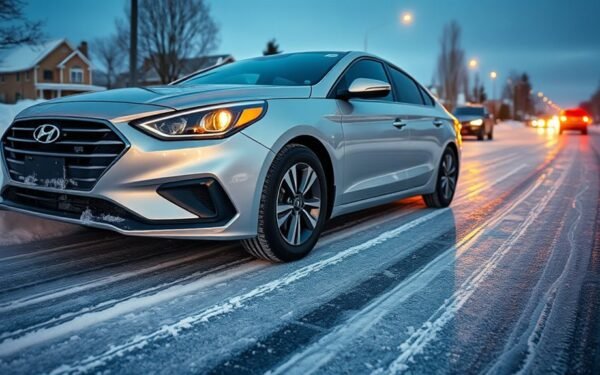
Danger of Using Summer Tires in Winter on a Hyundai Sonata
Potentially perilous, using summer tires in winter on your Hyundai Sonata can compromise safety—discover the hidden dangers that await you on icy roads.
Read More
Can You Mix Nitrogen and Air in Hyundai Sonata Tires? Answered
Discover the implications of mixing nitrogen and air in your Hyundai Sonata tires—are the benefits worth the risks? Explore the answer inside!
Read More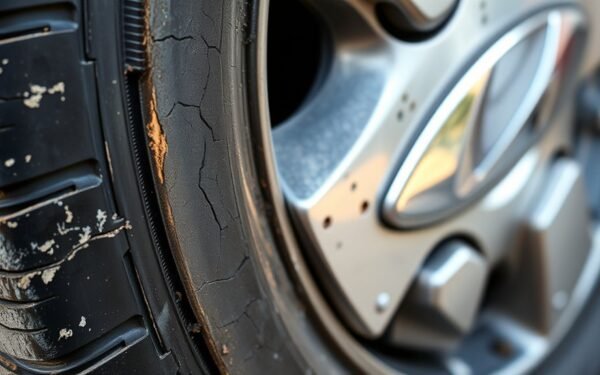
How to Tell If Hyundai Sonata Tires Are Too Old to Use Safely
Understand how to assess the age of your Hyundai Sonata tires and discover crucial signs of deterioration that could compromise your safety on the road.
Read More