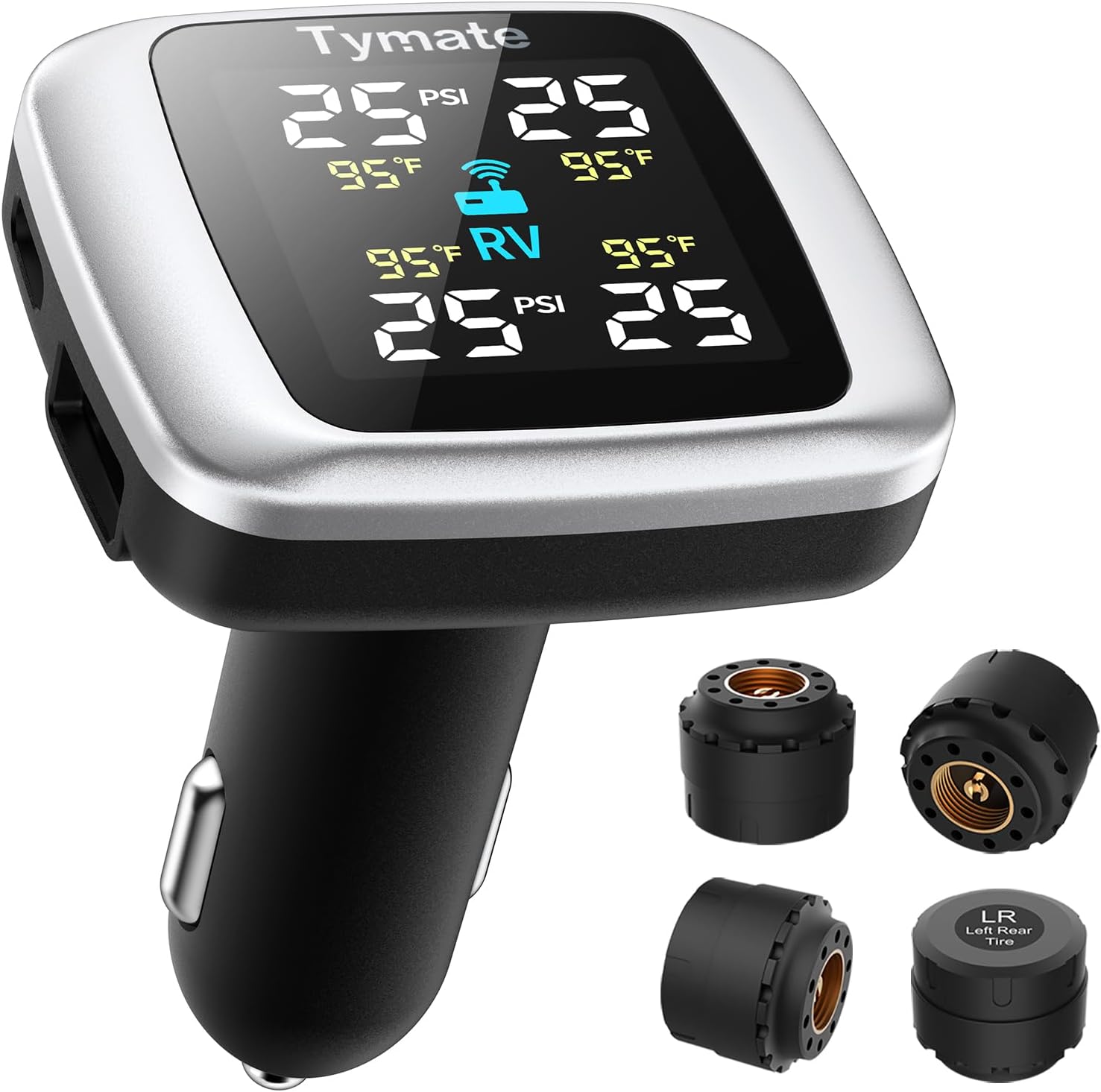
Hyundai Sonata TPMS Reset Button: Location & Steps
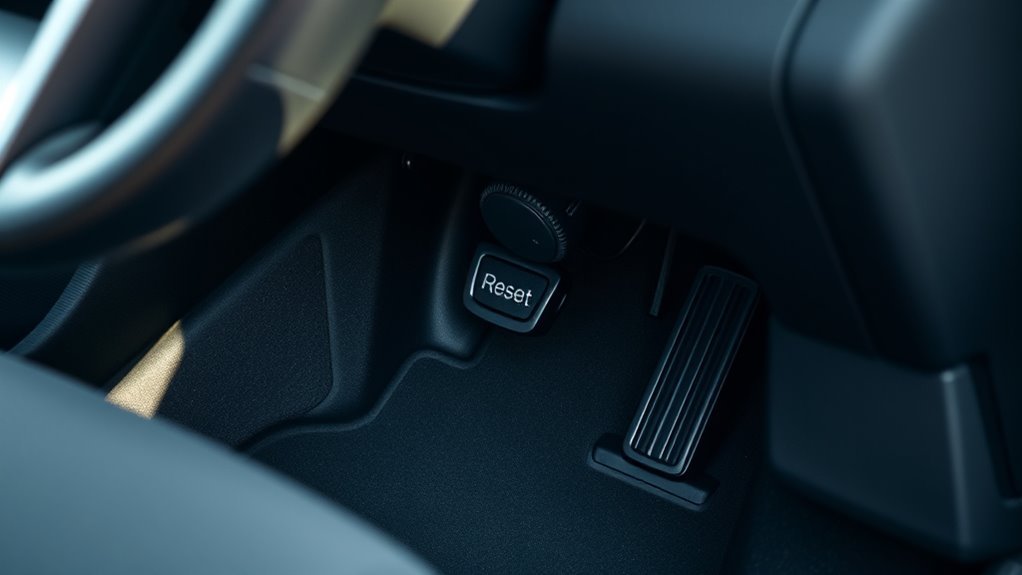
Your Hyundai Sonata’s TPMS light can feel urgent, especially when you already checked the tires. In many Sonata models, the Tire Pressure Monitoring System (TPMS) reset button sits under the steering wheel or near the lower dash, but the exact spot can vary by model year. Before you press it, check every tire with a gauge and inflate each one to the pressure listed on the driver-side door placard. This guide shows you where to look, how to reset the light, and what to do if the warning stays on.
Quick Answer
Look for the Hyundai Sonata TPMS reset button under the steering wheel, near the lower dash, or close to the pedal area. Inflate all tires first, then turn the ignition to ON and hold the reset button until the TPMS light blinks three times. Start the engine and drive for several minutes so the system can relearn the tire pressure readings.
Key Takeaways
- Check the driver-side door placard before you inflate your tires.
- Look under the steering wheel or lower dash for the TPMS reset button.
- Hold the reset button until the TPMS light blinks three times.
- Drive the car after the reset so the sensors can update their readings.
- Get the system checked if the TPMS light stays on or flashes.
Why TPMS Matters in Your Hyundai Sonata
The Tire Pressure Monitoring System (TPMS) in your Hyundai Sonata helps you spot low tire pressure before it creates a safety issue. Proper tire pressure can improve handling, help tires wear more evenly, and support better fuel economy.
Most modern Hyundai Sonata models use sensors that monitor tire pressure and trigger a dashboard warning when pressure drops too low. A solid TPMS warning light usually points to low tire pressure. A blinking light often points to a system fault, such as a weak sensor battery or sensor communication issue.
Check your tire pressure at least once a month and before long trips. You should also check it when the weather changes because tire pressure can drop as outside temperatures fall.
Common TPMS Issues in Your Hyundai
Your Hyundai TPMS can alert you for several reasons. Some issues involve tire pressure, while others involve the sensors or valve stems.
TPMS issues in your Hyundai can affect tire performance; knowing them helps ensure safety and optimal function.
- Low tire pressure: One or more tires may need air.
- Slow leaks: A puncture, damaged valve stem, or tire bead leak can trigger the warning light.
- Temperature changes: Cold weather can lower tire pressure enough to turn on the TPMS light.
- Sensor problems: A weak battery, corrosion, or sensor damage can cause false or repeated alerts.
If the TPMS light turns on, check all four tires and the spare if your Sonata has a monitored spare tire. Do not rely on the warning light alone to judge tire safety.
Before You Reset the TPMS
Plan for about 5 to 25 minutes to reset the TPMS and let the system update. You will need a tire pressure gauge and an air source if one or more tires need air.
- Park your Sonata on a level surface.
- Let the tires cool before you check pressure.
- Find the recommended PSI on the driver-side door placard.
- Inflate each tire to the listed pressure.
- Inspect each tire for visible damage, nails, or low tread.
Warning: Do not reset the TPMS to hide a warning before you confirm that every tire has safe pressure.
[Products Worth Considering]
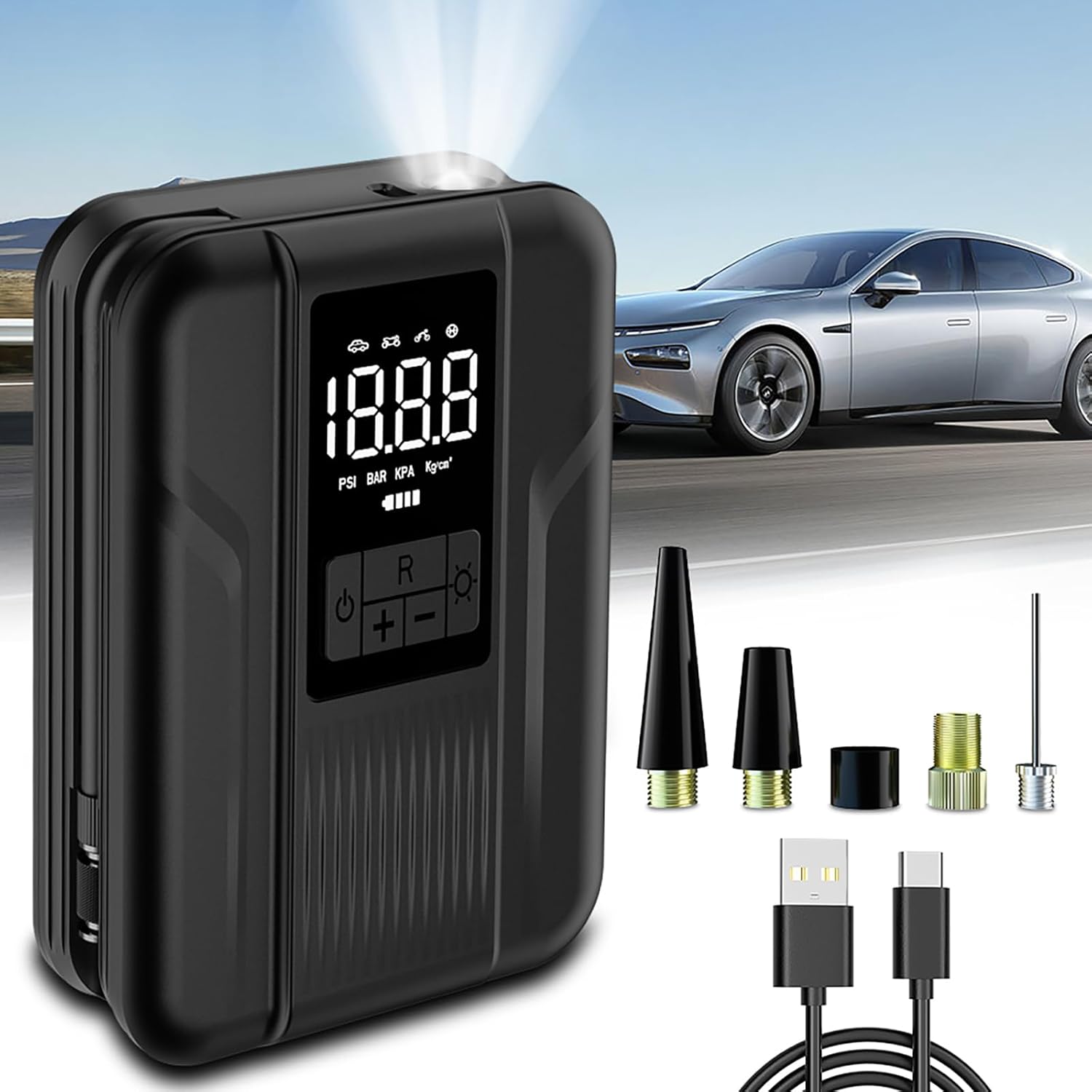
The Mulukiss portable tire inflator delivers rapid, high‑capacity inflation for cars, motorcycles, bicycles and sports balls, powered by a built‑in 5000mAh battery. Its digital display offers four pressure units and preset modes, while automatic stop ensures precise inflation without constant monitoring. LED lighting with bright and flash options enables night‑time use, and the compact cordless design makes it ideal for emergencies and travel.
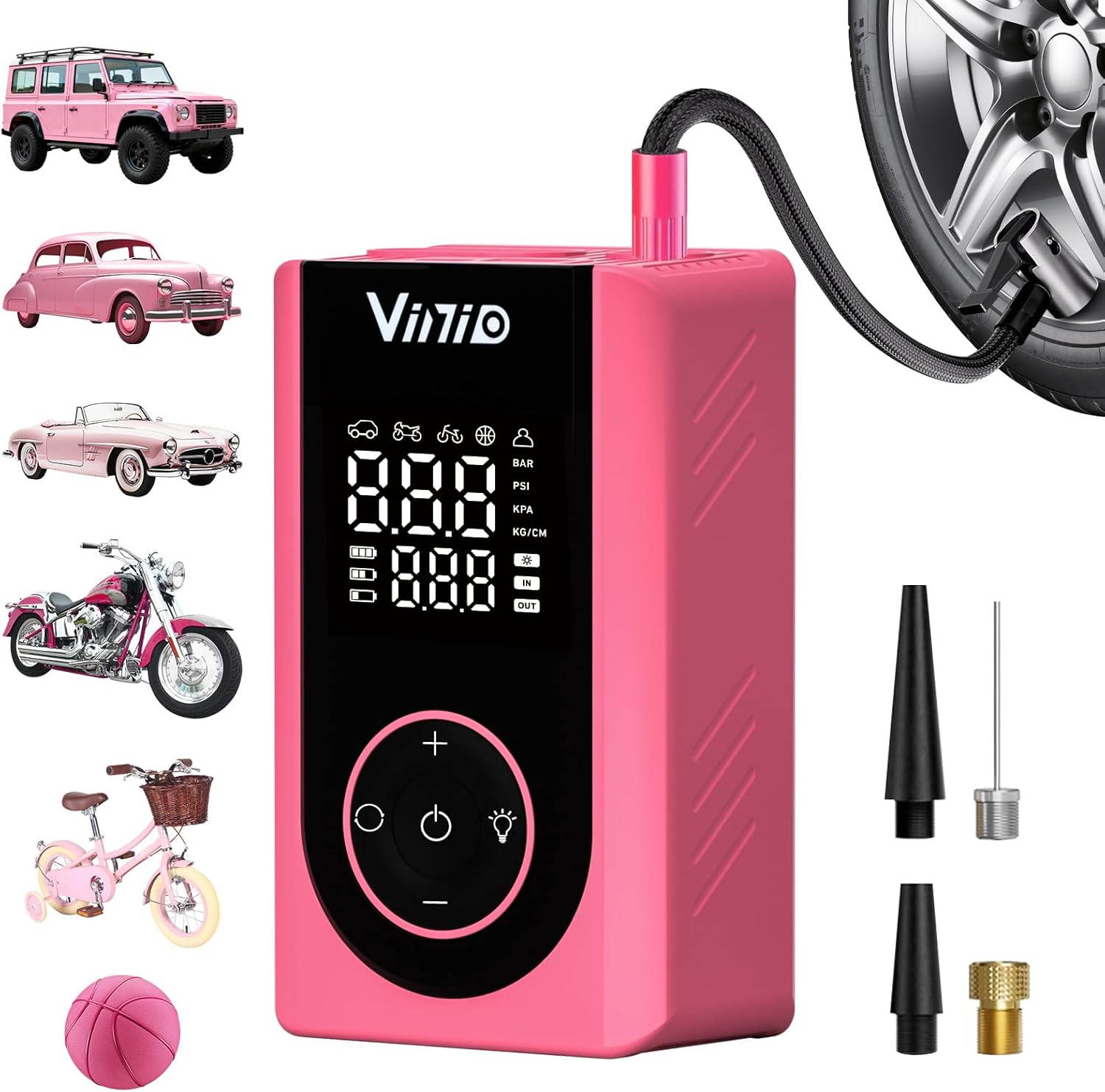
The Vinid portable tire inflator delivers lightning‑fast inflation for car, bike, and sports equipment, featuring a digital pressure gauge and auto‑stop for precise control. We ultra‑lightweight, compact design fits easily in a glove compartment or backpack, and the vibrant pink finish adds a stylish touch for female drivers. Complete with multiple nozzles and a storage bag, it’s ready for instant use wherever you need it.

The M7 SmartIgnition Jump Starter delivers instant power to dead 12V batteries and inflates tires with precision, thanks to DirektDrive technology and auto-stop compression. It offers TÜV‑certified automotive durability, 60Wh power bank, and multi‑mode LED flashlight, making it a reliable emergency companion for cars, SUVs, RVs, and motorcycles.
Step-by-Step Guide to Resetting the TPMS
Use these steps after you confirm that every tire has the correct pressure. Some Sonata model years may not have a physical reset button, so check your owner’s manual if you cannot find one.
[Products Worth Considering]

The 150PSI portable air compressor inflates car, motorcycle, bicycle tires and sports balls quickly with a high‑precision dual LCD gauge and automatic shutoff for safety. Its LED light and cordless design make it ideal for nighttime roadside emergencies, camping, and everyday vehicle maintenance. Five preset modes provide one‑touch versatility while extra nozzles handle a range of inflatables, delivering reliable performance on the go.

The KeenPower digital tire inflator delivers fast, precise inflation up to 160 PSI with an easy‑to‑read LCD and automatic shut‑off. Featuring four smart preset modes, manual pressure entry, and dual power from a 21V rechargeable battery or 12V DC, it adapts to any vehicle or emergency need. Integrated LED lights with SOS, steady, and strobe options illuminate work in darkness, while the compact handheld design ensures portability and convenience.
Locate the TPMS Reset Button
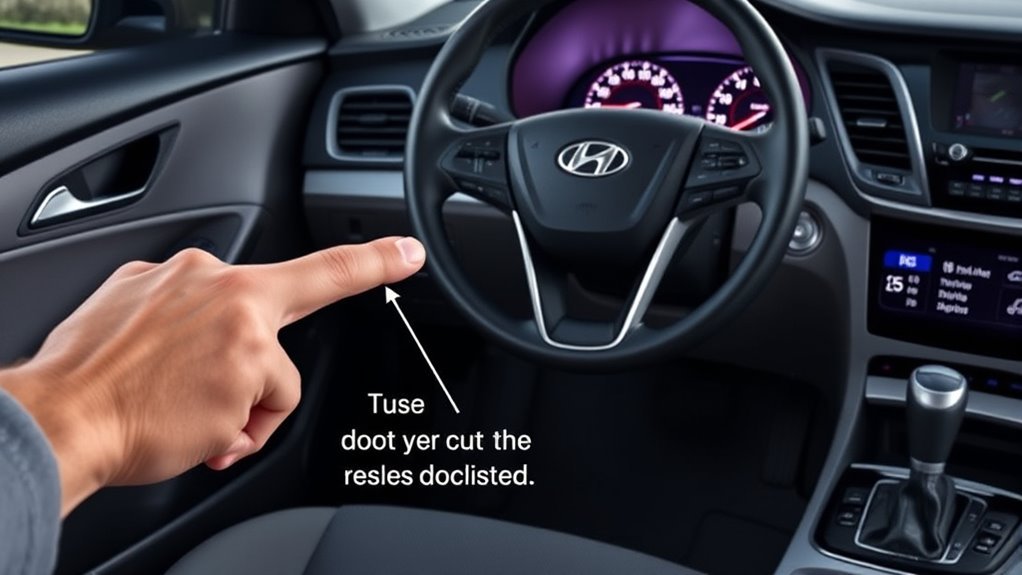
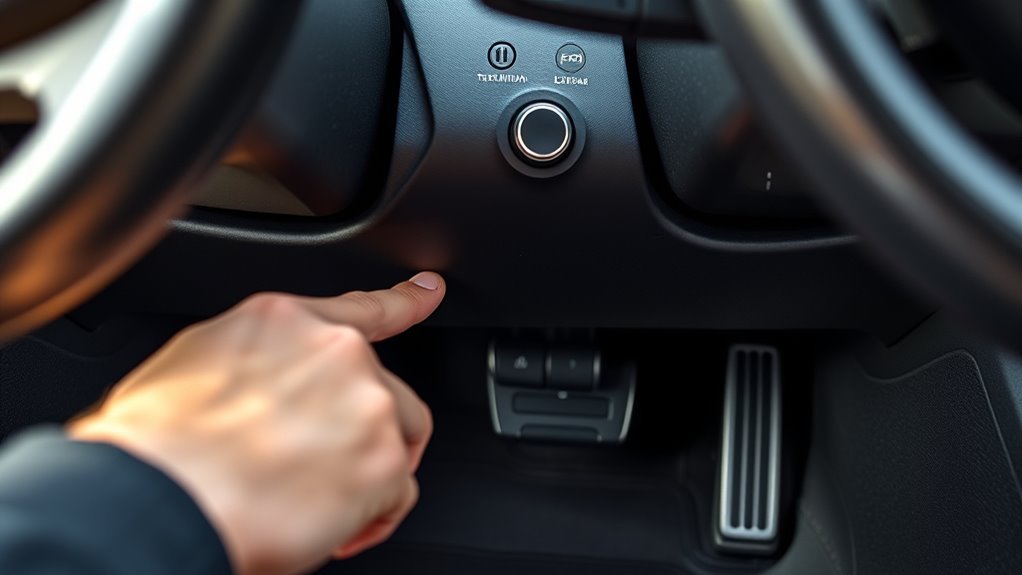
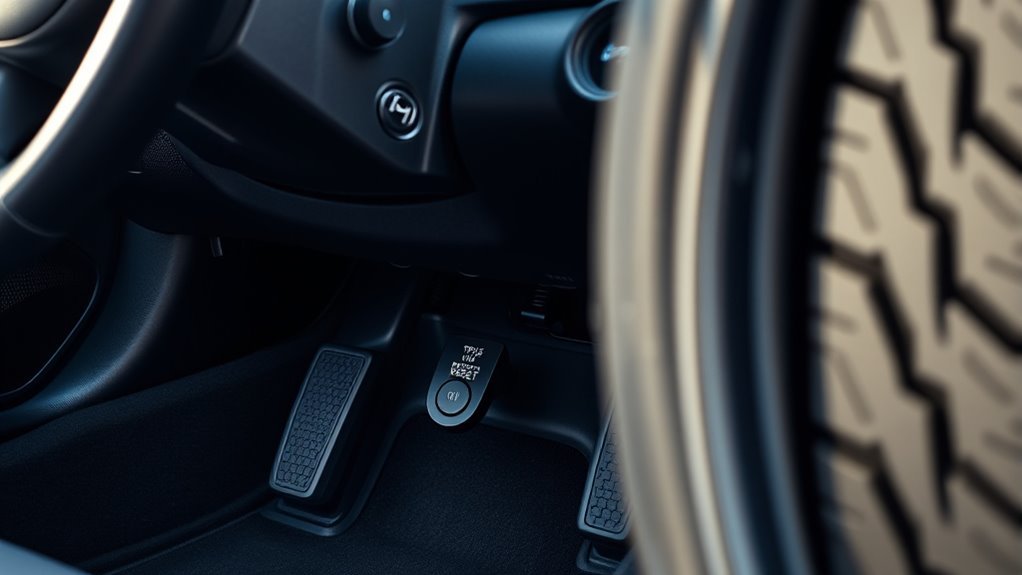
The TPMS reset button often sits under the steering wheel, near the lower dash, or close to the pedal area. Model year and trim can change the button location.
- Check under the steering column.
- Look near the brake and accelerator pedals.
- Inspect the driver-side lower dashboard.
- Review your owner’s manual for your exact Sonata model year.
Follow the TPMS Reset Steps
- Inflate all tires to the pressure listed on the driver-side door placard.
- Turn the ignition to the ON position without starting the engine.
- Press and hold the TPMS reset button.
- Wait until the TPMS warning light blinks three times.
- Release the button and start the engine.
- Drive for several minutes so the system can update sensor readings.
If the TPMS light remains on, recheck the tire pressure when the tires are cold. If the light still stays on, you may have a leak, damaged sensor, or system fault.
What to Do After Resetting Your TPMS
After you reset the Tire Pressure Monitoring System (TPMS), check tire pressure again to make sure each tire still matches the door placard. This second check helps you catch slow leaks or incorrect readings.
- Watch the TPMS light: A light that stays on may point to low pressure or a sensor issue.
- Check pressure often: Weather changes and normal air loss can lower tire pressure.
- Drive normally: Many systems need a short drive before the light turns off.
- Book service if needed: A trained technician can test the sensors and TPMS module.
Keep a small tire gauge in your glove box so you can confirm pressure any time the warning light appears.
How to Troubleshoot the TPMS Light in Your Hyundai Sonata
If your TPMS light stays on, start with the simplest cause first. Check tire pressure when the tires are cold, then inspect the tires for damage or slow leaks.
Common TPMS Light Triggers
- Low tire pressure: One tire may sit below the recommended PSI.
- Flashing TPMS light: The system may have a sensor or communication fault.
- Slow leak: A nail, valve stem leak, or bead leak can lower pressure over time.
- Aging sensor: TPMS sensor batteries can weaken after years of use.
A solid light usually means you should check tire pressure right away. A flashing light needs diagnosis because the TPMS may not monitor pressure correctly.
TPMS Sensor Maintenance Tips
Inspect tire pressure sensors during tire rotations, tire changes, or valve stem service. Ask the technician to check for corrosion, broken stems, or sensor damage.
If the TPMS light stays on after you correct the pressure, a scan tool can help identify the faulty sensor. Replacing the right sensor prevents repeat warnings and avoids replacing parts that still work.
Essential Tips for Maintaining Tire Pressure in Your Hyundai Sonata
Maintaining proper tire pressure helps your Hyundai Sonata brake, steer, and handle as designed. It also helps your tires last longer.
Proper tire pressure in your Hyundai Sonata is crucial for optimal performance and safety, and regular checks help your tires stay in better shape.
- Check tire pressure at least once a month.
- Use a reliable tire pressure gauge for accurate readings.
- Measure pressure when the tires are cold.
- Follow the PSI listed on the driver-side door placard.
- Check pressure more often during major temperature changes.
Do not inflate tires to the number printed on the tire sidewall unless your manual tells you to do so. That number usually shows the tire’s maximum pressure, not the recommended pressure for your Sonata.
When Should You Get Professional Help for TPMS Problems?
Get professional help if the TPMS warning light stays on after you set the correct tire pressure. You should also schedule service if the warning light flashes, turns on repeatedly, or appears after a recent tire change.
A technician can test each sensor, inspect the valve stems, and scan the TPMS for stored fault codes. This step matters because a failed sensor can stop the system from warning you about a truly low tire.
Seek help right away if you see tire damage, hear air leaking, or feel the car pull to one side. Those signs may point to a tire issue that needs repair before you drive far.
Additional Resources for Hyundai Sonata Owners
Hyundai Sonata owners can use several resources to handle TPMS issues with more confidence. Start with your owner’s manual because it gives model-specific details.
- Owner’s manual: Check the TPMS reset process for your model year.
- Hyundai service center: Ask for sensor testing if the warning light returns.
- Online owner communities: Compare common reset button locations by model year.
- Video guides: Use model-specific videos to confirm the button location visually.
Use community tips with care because trim levels and model years can differ. Your owner’s manual and a qualified technician provide the most reliable guidance.
Frequently Asked Questions
Where Is the TPMS Reset Button on a Hyundai Sonata?
You’ll usually find the TPMS reset button beneath the steering wheel, near the lower dashboard, or close to the pedal area. Check your owner’s manual if you cannot find a button because some model years use a different reset process.
How Do You Reset the TPMS Light on a 2008 Hyundai Sonata?
To reset the TPMS light on your 2008 Hyundai Sonata, first inflate each tire to the recommended pressure. Turn the ignition to ON, hold the reset button until the TPMS light blinks, then start the engine and drive so the system can update.
Can You Drive With the TPMS Light On?
You can drive a short distance if the tires look safe, but you should check pressure as soon as possible. Do not ignore the warning because low tire pressure can affect braking, handling, and tire wear.
Why Does My TPMS Light Come Back After Resetting?
The light may return because a tire has a slow leak, the pressure is still too low, or a TPMS sensor has failed. Recheck the pressure when the tires are cold, then get the system scanned if the warning returns.
Does Every Hyundai Sonata Have a TPMS Reset Button?
Not every Hyundai Sonata uses the same reset setup. Some models have a physical button, while others may reset through driving, a service procedure, or a diagnostic tool.
Conclusion
Your Hyundai Sonata’s TPMS light usually needs a simple pressure check, reset, or short drive to clear. Start by inflating every tire to the door placard pressure, then look under the steering wheel or lower dash for the reset button. If the light stays on or flashes, schedule a sensor check instead of guessing. A working TPMS helps you catch pressure problems early and keeps your Sonata safer on every drive.

Related Articles

Danger of Using Summer Tires in Winter on a Hyundai Sonata
Potentially perilous, using summer tires in winter on your Hyundai Sonata can compromise safety—discover the hidden dangers that await you on icy roads.
Read More
Can You Mix Nitrogen and Air in Hyundai Sonata Tires? Answered
Discover the implications of mixing nitrogen and air in your Hyundai Sonata tires—are the benefits worth the risks? Explore the answer inside!
Read More
How to Tell If Hyundai Sonata Tires Are Too Old to Use Safely
Understand how to assess the age of your Hyundai Sonata tires and discover crucial signs of deterioration that could compromise your safety on the road.
Read More