
Pneumatic Tire Definition: How Air-Filled Tires Work
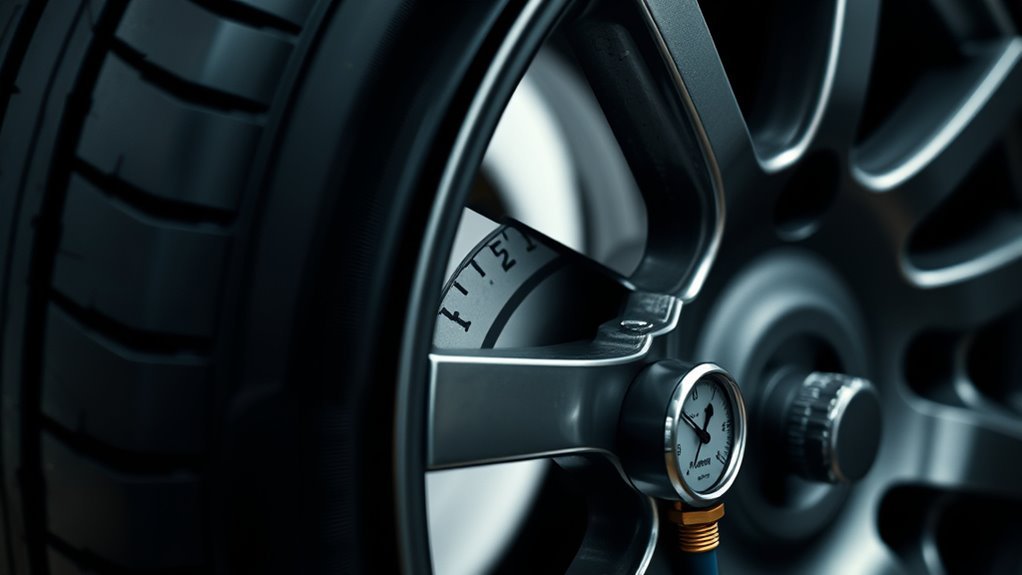
A pneumatic tire is an air-filled tire designed to carry weight, absorb bumps, and keep a vehicle or piece of equipment in steady contact with the ground. You’ll see pneumatic tires on cars, bicycles, tractors, trailers, forklifts, wheelbarrows, construction equipment, and many outdoor machines because the compressed air inside the tire acts like a flexible cushion between the load and the surface below.
Quick Answer
A pneumatic tire is a rubber tire filled with pressurized air. The air supports the load, the flexible casing absorbs shocks, and the tread provides grip. Pneumatic tires are best when comfort, traction, and outdoor stability matter, but they need regular pressure checks and can be damaged by punctures.
Key Takeaways
- Pneumatic tires use compressed air to support weight, smooth out impacts, and improve traction.
- They work especially well outdoors, on gravel, grass, dirt, job sites, farms, and other uneven surfaces.
- Radial, bias-ply, tubed, and tubeless pneumatic tires each suit different loads, speeds, and operating conditions.
- Correct inflation is critical. Underinflation can cause heat buildup, poor handling, uneven wear, and tire failure.
- Solid or cushion tires are better for smooth indoor floors, sharp debris, and applications where puncture resistance matters more than ride comfort.
Are Pneumatic Tires Right for You?
Pneumatic tires are right for you if your equipment needs traction, cushioning, and stability on uneven ground. They are commonly used on outdoor forklifts, tractors, utility carts, lawn equipment, bicycles, trailers, construction machines, and road vehicles because the air-filled design helps the tire conform to the surface instead of bouncing across it.
They are not always the best choice indoors. If your equipment runs mainly on smooth concrete where nails, metal shavings, pallets, or sharp debris are common, solid or cushion tires may reduce downtime because they cannot go flat. Pneumatic tires can be punctured, cut, or damaged if they are used in the wrong environment or run at the wrong pressure.
Note: “Pneumatic” simply means air-filled. A pneumatic tire may use a separate inner tube or a tubeless design that seals directly against the wheel rim.
[Products Worth Considering]

This VEVOR tire bead breaker uses a slide-hammer impact and wedge tip to separate tire beads from rims quickly and efficiently without damaging hub surfaces. The long handle and sturdy steel construction help reduce user strain while providing reliable, portable tire changing for cars, trucks, and more. Ideal for home mechanics and repair shops handling multiple vehicle tire sizes.

This portable cordless tire inflator delivers up to 160 PSI with fast 17 L/min airflow to help you quickly top up tires and get back on the road. It features dual power mode, running on a 21V rechargeable battery or a 12V DC adapter for convenient roadside use. An automatic shut-off with digital pressure gauge helps prevent overinflation, and a built-in LED light improves visibility in low-light conditions.

This portable cordless tire inflator delivers fast, efficient inflation for cars, motorcycles, bikes, and sports balls with a digital pressure gauge. Use the one-click PSI preset with auto shut-off for accurate, hands-free topping to your target pressure up to 150 PSI. It’s compact and rechargeable with a built-in emergency LED light plus valve adapters and accessories for quick, ready-to-go use.
What Pneumatic Tires Are and How Air Pressure Supports Load and Ride
A pneumatic tire is made from a flexible rubber-and-fabric casing that holds compressed air. That air pressure pushes outward on the tire structure and helps support the vehicle or equipment weight. When the tire rolls over a bump, the casing flexes and the air inside compresses slightly, reducing the shock that reaches the wheel, axle, frame, and operator.
The tire’s contact patch—the area touching the ground—changes with load, inflation pressure, tire size, and construction. When inflation is correct, the contact patch is stable enough to carry the load while still flexible enough to grip the surface. When pressure is too low, the sidewalls flex too much, heat builds up, steering can feel sluggish, and the tread may wear unevenly. When pressure is too high, the ride becomes harsher and the tire may have less surface contact than intended.
For road vehicles, the National Highway Traffic Safety Administration recommends checking tire pressure when tires are cold and using the vehicle manufacturer’s recommended cold inflation pressure, not the maximum pressure printed on the tire sidewall.
| Tire factor | What it affects | Why it matters |
|---|---|---|
| Air pressure | Load support, heat, wear, handling | Correct pressure keeps the tire working within its design range. |
| Sidewall flexibility | Ride comfort and shock absorption | A flexible casing smooths bumps and helps the tread stay in contact with the surface. |
| Tread pattern | Grip, steering, braking, water evacuation | The tread must match the terrain and operating conditions. |
| Load rating | Safe carrying capacity | Overloading can damage the tire and increase failure risk. |
Key Components and Construction of Pneumatic Tires
A pneumatic tire looks simple from the outside, but it is a layered structure built to hold air, carry load, resist wear, and transfer steering or braking force. The main parts are the tread, belts or breaker layers, casing plies, sidewalls, bead, and inner liner or tube.
Tread and Belts
The tread is the outer rubber layer that touches the ground. Its pattern helps create traction, clear water, move mud or loose material, and resist wear. A road tire may use grooves designed for wet braking and quiet rolling, while a tractor or outdoor forklift tire may use deeper lugs for grip on soil, gravel, or yards.
Many radial pneumatic tires include belt layers beneath the tread. These belts help stabilize the tread area, reduce deformation, and improve wear. Firestone Commercial explains that radial tires use body plies running perpendicular to the bead with belts under the tread, which helps the tread and sidewall work more independently than in bias construction.
Casing, Sidewall, and Inner Liner
The casing is the tire’s structural body. It contains fabric or steel-reinforced plies that give the tire strength while allowing controlled flex. The sidewall protects the casing and lets the tire bend over bumps, ruts, rocks, and rough surfaces.
In a tubeless pneumatic tire, an inner liner helps hold air inside the tire. In a tubed tire, a separate inner tube holds the air. The outer tire still provides structure and traction, but the tube is the sealed air chamber.
Bead and Rim Seal
The bead is made from strong wire bundles molded into the inner edge of the tire. It anchors the tire to the rim and helps create a secure seal. On tubeless tires, bead condition is especially important because a damaged bead or dirty rim seat can cause slow air loss.
- The tread grips the surface and resists wear.
- The casing and sidewall flex to absorb shocks and carry load.
- The bead locks the tire to the rim and helps keep air contained.
Warning: Never weld, heat, or repair a wheel assembly while a pneumatic tire is inflated. Tire and rim assemblies can release stored air pressure violently if handled incorrectly. Deflate and service tires according to the equipment or tire manufacturer’s instructions.
Types of Pneumatic Tires: Radial, Bias, Tubed, and Tubeless
Pneumatic tires are not all built the same way. The right type depends on speed, load, surface, puncture risk, rim design, and how much ride comfort you need.
Radial Pneumatic Tires
Radial tires use body plies that run from bead to bead, roughly perpendicular to the direction of travel. They often include belts beneath the tread. This construction usually gives better tread stability, cooler running, smoother ride, and more even wear in many road, trailer, agricultural, and industrial applications.
Choose radial tires when you need good traction, longer wear potential, lower rolling resistance, or higher-speed performance. They are common on cars, trucks, trailers, agricultural equipment, and many modern industrial machines.
Bias-Ply Pneumatic Tires
Bias-ply tires use crisscrossed body plies laid at angles across the tire. This creates a strong, stiff structure that can work well for slow-speed, high-load, or rough-service applications. Bias-ply tires may be less comfortable and may build more heat at sustained speeds than comparable radial designs, but they can be a practical choice for certain farm, construction, forestry, and specialty equipment.
Tubed Pneumatic Tires
Tubed tires use a separate inner tube to hold air. They are common on some bicycles, motorcycles, lawn equipment, agricultural equipment, and older wheel designs. They can be straightforward to service in the field, but they are vulnerable to pinch flats if the tube is squeezed between the tire and rim.
Tubeless Pneumatic Tires
Tubeless tires hold air between the tire and rim without a separate tube. They usually run cooler than tube-type setups and can lose air more slowly after some small tread punctures, depending on the damage. Tubeless designs also remove the risk of tube pinch flats, but they require a compatible rim and a good bead seal.
Foam-Filled and Solid Options
Foam-filled and solid tires are often discussed alongside pneumatic tires, but they are not truly air-filled pneumatic tires once the air chamber is replaced by solid material. Foam-filled tires start as pneumatic tires and are filled with resilient foam to prevent flats. Solid and cushion tires are molded from solid rubber or similar compounds. They resist punctures but usually provide less shock absorption than air-filled tires.
Choosing Pneumatic vs. Cushion or Solid Tires
The simplest rule is this: choose pneumatic tires for traction and comfort on uneven surfaces, and choose solid or cushion tires for puncture resistance on smooth surfaces.
Pneumatic tires help equipment stay stable on rough ground because the air-filled casing can flex over obstacles instead of transferring every impact directly to the machine.
| Tire type | Best for | Main advantage | Main trade-off |
|---|---|---|---|
| Pneumatic | Outdoor yards, gravel, dirt, farms, jobsites, rough surfaces | Traction, cushioning, stability | Can puncture or leak air |
| Solid pneumatic-shaped | Outdoor equipment exposed to debris | Puncture resistance with a similar profile | Rougher ride and more vibration |
| Cushion | Indoor forklifts and smooth concrete floors | Maneuverability and durability indoors | Poorer performance on rough outdoor ground |
| Foam-filled | Debris-prone sites where flats are unacceptable | Flat prevention | Added weight and less cushioning than air |
Where Pneumatic Tires Are Used
Pneumatic tires are used anywhere load support, grip, and shock absorption matter. Common applications include:
- Cars, trucks, vans, and trailers: everyday road use, load carrying, braking, steering, and ride comfort.
- Bicycles and motorcycles: traction, cornering grip, and impact absorption with relatively low weight.
- Forklifts and material-handling equipment: outdoor yards, docks, gravel lots, and uneven surfaces.
- Agricultural equipment: tractors, wagons, sprayers, and implements that need traction with reduced soil disturbance.
- Construction equipment: loaders, telehandlers, site dumpers, and utility vehicles operating over rough ground.
- Lawn, garden, and utility equipment: mowers, carts, wheelbarrows, pressure washers, and small trailers.
For powered industrial trucks, OSHA’s sample daily checklists include tire and wheel checks as part of routine operator inspection. That is especially important for pneumatic tire equipment because cuts, low pressure, missing lugs, rim damage, and embedded objects can affect stability and safe operation.
Maintenance, Common Failures, and How to Prevent Flats
Most pneumatic tire problems are easier to prevent than to fix after a failure. The most important habits are checking inflation pressure, inspecting tread and sidewalls, matching the tire to the load, and removing damaging debris before it works deeper into the casing.
[Products Worth Considering]

The JACO FlowPro Tire Inflator measures, inflates, and airs down tires up to 100 PSI with battery-free operation and ±2% accuracy after calibration. It features a glowing pressure dial for night visibility, a heavy-duty steel build with a hybrid hose, and a precision push-to-inflate thumb trigger. The patented Lightning Air Chuck locks on for a secure seal, and the kit includes quick-connect hardware for easy inline use with your air compressor.

This AUTOWN flat tire repair kit is designed for quick, reliable puncture repairs using a plug kit and spiral probe tool to simplify installation. Built for durability and safe handling, it offers strong adhesion and flexibility to help maintain tire air tightness. With a portable storage case and a multi-vehicle approach, it’s suitable for cars, motorcycles, ATVs, tractors, lawn mowers, RVs, jeeps, and trucks.
Check Air Pressure Regularly
Use a reliable pressure gauge and check tires when they are cold whenever possible. For vehicles, use the pressure listed on the vehicle placard or owner’s manual. For industrial, agricultural, trailer, or specialty tires, use the equipment manual, tire load tables, or tire manufacturer guidance.
Pro Tip: A tire can look “fine” and still be underinflated. Use a gauge instead of judging by appearance, especially on stiff sidewall tires, heavy equipment tires, and trailer tires.
Inspect Tread, Sidewalls, and Valves
Look for cuts, cracks, bulges, exposed cords, missing tread chunks, embedded nails, leaking valve stems, damaged rims, and uneven wear. Uneven wear can point to underinflation, overinflation, misalignment, overload, worn suspension parts, or the wrong tire for the surface.
For road vehicles, federal inspection criteria in 49 CFR 570.62 reference tread depth inspection and the common 2/32-inch minimum for many passenger-vehicle tire checks. For equipment, follow the tire and machine manufacturer’s replacement limits because industrial and off-road tires may use different wear indicators, lug-depth rules, or damage criteria.
Prevent Punctures Where Possible
You can reduce flats by keeping work areas clean, avoiding sharp debris, using tire liners or sealant where appropriate, choosing reinforced tires for rough sites, and replacing worn tires before the casing becomes vulnerable. On forklifts and construction equipment, match the tire to the floor or terrain instead of using a road-style tire in a debris-heavy yard.
Repair Tires the Right Way
Not every puncture is repairable. Sidewall damage, large cuts, bead damage, exposed cords, and run-flat damage can make a tire unsafe. For passenger and light-truck tires, the U.S. Tire Manufacturers Association says puncture repairs should include both a plug/stem to fill the injury and a patch to seal the inner liner; a plug alone is not considered a proper repair for those tires.
For industrial, agricultural, motorcycle, bicycle, and specialty tires, follow the tire manufacturer’s repair policy. When in doubt, have the tire inspected by a qualified tire technician.
Cost, Lifespan, and Replacement Guidelines
Pneumatic tire cost varies widely by size, load rating, tread type, construction, brand, and application. A small hand-cart or wheelbarrow tire may cost far less than an industrial forklift, agricultural, trailer, or heavy equipment tire. Instead of relying on one universal price range, estimate cost by tire size and service duty, then compare total cost per hour of use.
Replacement timing also depends on the application. Some tires age out before the tread is gone, while others wear out quickly because of heavy loads, abrasive surfaces, heat, or misalignment. Replace a pneumatic tire when you see any of these signs:
- Tread depth is below the legal or manufacturer-recommended limit.
- Wear bars or tire-specific wear indicators are flush with the tread.
- Sidewalls show deep cracking, cuts, bulges, or exposed cords.
- The tire repeatedly loses air after valve and rim issues have been ruled out.
- The tire has impact damage, bead damage, or run-flat damage.
- Traction, braking, handling, or ride stability has clearly declined.
- The tire is overloaded for the equipment or no longer matches the operating surface.
For fleets and work equipment, document tire pressure checks, damage findings, rotations, repairs, operating hours, and replacements. That record helps you spot patterns, forecast replacement needs, and choose a better tire type if the current one is failing too often.
Pneumatic Tire Pros and Cons
| Pros | Cons |
|---|---|
| Comfortable ride because air absorbs shocks | Can puncture, leak, or go flat |
| Good traction on uneven terrain | Requires regular pressure checks |
| Helps protect equipment, cargo, and operators from vibration | May have more downtime in debris-heavy environments |
| Available in many sizes, tread patterns, and load ratings | Can be damaged by overloading, underinflation, and sidewall impacts |
| Can improve grip and control outdoors | Usually less puncture-resistant than solid tires |
How to Choose the Right Pneumatic Tire
Start with the equipment manufacturer’s tire size, load rating, rim requirements, and inflation guidance. Then match the tire construction and tread pattern to the real working conditions.
- Confirm the correct size and load rating. Never downsize or choose a lower load rating to save money.
- Match the surface. Smooth pavement, gravel, mud, turf, concrete, and loose soil need different tread designs.
- Choose radial or bias construction. Radial tires often suit higher speeds, longer wear, and smoother ride. Bias-ply tires may suit slower, rougher, heavy-duty work.
- Choose tubed or tubeless. Use the type required by the rim and tire design.
- Consider puncture risk. If flats are frequent, look at reinforced pneumatic tires, sealant, foam fill, or solid alternatives.
- Check service support. Large equipment tires may require specialized mounting, inflation cages, or trained technicians.
Frequently Asked Questions
Is a pneumatic tire filled with air?
Yes. A pneumatic tire is filled with pressurized air. Some pneumatic tires use an inner tube, while tubeless pneumatic tires seal directly against the rim.
How does a pneumatic tire work?
A pneumatic tire works by using compressed air to support the load. The flexible casing deforms as it rolls, absorbing bumps and keeping the tread in contact with the ground for traction, steering, and braking.
What is the main disadvantage of pneumatic tires?
The main disadvantage is that pneumatic tires can puncture, leak, or fail if they are underinflated, overloaded, cut, or used in debris-heavy conditions. They also require routine pressure checks.
Are pneumatic tires better than solid tires?
Pneumatic tires are better for ride comfort, shock absorption, and traction on uneven outdoor surfaces. Solid tires are better when puncture resistance, indoor durability, and reduced flat-tire downtime are more important.
Is it okay to add regular air to nitrogen-filled tires?
Yes. It is okay to add regular air to a nitrogen-filled pneumatic tire when pressure is low. Regular air will dilute the nitrogen concentration, but correct inflation is more important than keeping the tire nitrogen-only.
Can a pneumatic tire be repaired?
Sometimes. Small tread punctures may be repairable if the tire has not been driven flat and the damage is within the repairable area. Sidewall damage, bead damage, large cuts, exposed cords, and run-flat damage usually require replacement. Follow the tire manufacturer’s repair rules.
Conclusion
A pneumatic tire is a pressurized, air-filled tire that supports load, absorbs shocks, and improves traction by letting the casing flex as it rolls. It is one of the best tire choices for outdoor equipment, vehicles, bicycles, trailers, and machines that need comfort and grip on uneven surfaces. The trade-off is maintenance: keep the tire properly inflated, inspect it regularly, repair damage correctly, and replace it when wear or structural damage makes it unsafe.
Sources
- National Highway Traffic Safety Administration: Tire Safety — cold tire pressure, tire inspection, load limits, and general tire safety.
- Firestone Commercial: Understanding the Anatomy of a Tire — tire construction, radial design, bias construction, bead, sidewall, and tread components.
- OSHA: Sample Daily Checklists for Powered Industrial Trucks — routine tire and wheel inspection for industrial truck operation.
- U.S. Tire Manufacturers Association: Tire Repair Basics — proper puncture repair procedures for passenger and light-truck tires.
- eCFR 49 CFR 570.62: Tires — tire inspection criteria, matching tire construction, and tread-depth reference points.

Related Articles
What Does THE P Stand For on a Tire? Full Meaning Explained
I’ll explain what the “P” on a tire really means and why it could change how you choose your next set.
Read More
How to Use a Tubeless Tire Repair Kit: Complete Field Guide
Learn how to fix tubeless tire punctures fast with the right kit, because one small mistake can leave you stranded on the trail.
Read More
How to Tell a Tire’s Diameter: Easy Guide to Reading Tire Size
Want to decode tire sidewall numbers and find the right diameter, but wonder what those hidden digits really mean?
Read More