
Does Flex Seal Fix a Flat Tire? What Actually Works
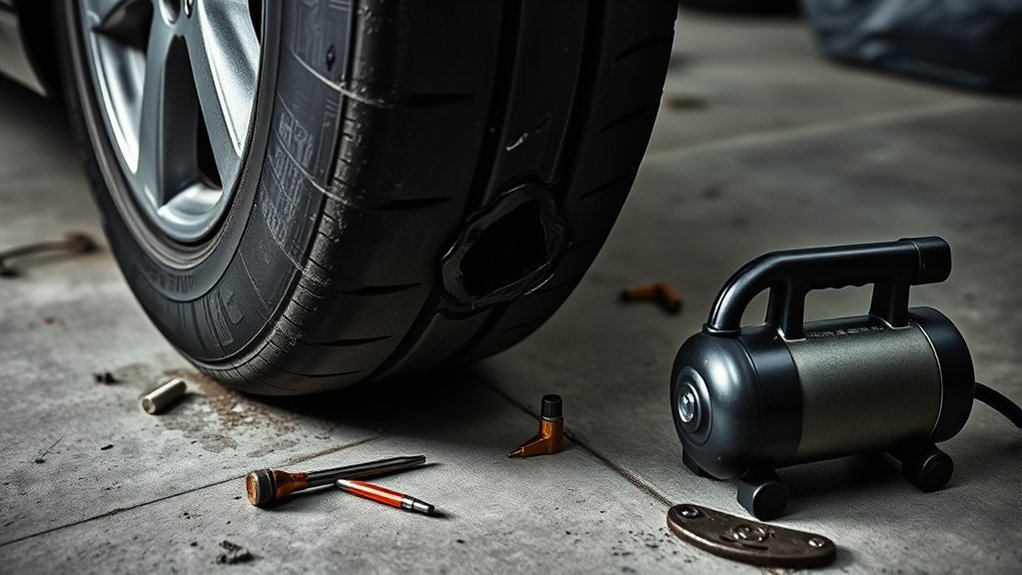
Flex Seal won’t reliably fix a flat tire because it doesn’t bond to rubber well or hold up under tire heat, pressure, and flexing. You might get a short-lived seal on a tiny puncture, but many tires lose air again within hours or a day. What actually works is a proper plug-patch repair for small tread punctures, or full tire replacement when damage is in the sidewall, tread is too worn, or the casing is compromised.
Key Takeaways
- Flex Seal may temporarily slow a small puncture, but it does not reliably fix a flat tire.
- It does not bond like proper tire repair materials and often fails as the tire flexes and heats up.
- Safe tire repairs usually require a professional patch or plug only for small tread punctures.
- Sidewall damage, large punctures, and multiple leaks generally mean the tire should be replaced.
- The most reliable solution for a flat tire is proper repair when allowed, or full tire replacement.
[Products Worth Considering]

TireJect Off-Road Tire Sealant Kit provides 5-in-1 sealing to help fix tread punctures up to 3/8", sidewall punctures up to 3/8", bead leaks, slow leaks, and minor dry rot on low-speed tires. It permanently seals with liquid rubber, recycled tire particles, and Aramid fibers, making it ideal for flats caused by thorns, nails, and screws. The included dispensing cap attaches to the valve stem for a no-mess installation, along with a metal valve core remover tool and valve stem cap. This kit is for off-road use only.

Wykodra tire plugs provide quick vulcanizing repairs for tubeless tires, helping you seal punctures and get back on the road. The industrial-strength rubber creates a long-lasting, leak-resistant bond and is designed for emergency fixes without removing the tire. Choose between two standard plug sizes with color-matched options for small to larger damage across many vehicles and off-road uses.

The AUTOWN 31-piece flat tire repair kit helps you quickly fix punctures and get back on the road. It includes a T-handle and spiral probe for easy plug insertion, plus a portable storage case for convenient carry. Designed for multiple vehicle types, this kit supports repairs for cars, motorcycles, ATVs, tractors, and more with reliable sealing.
Does Flex Seal Fix a Flat Tire?
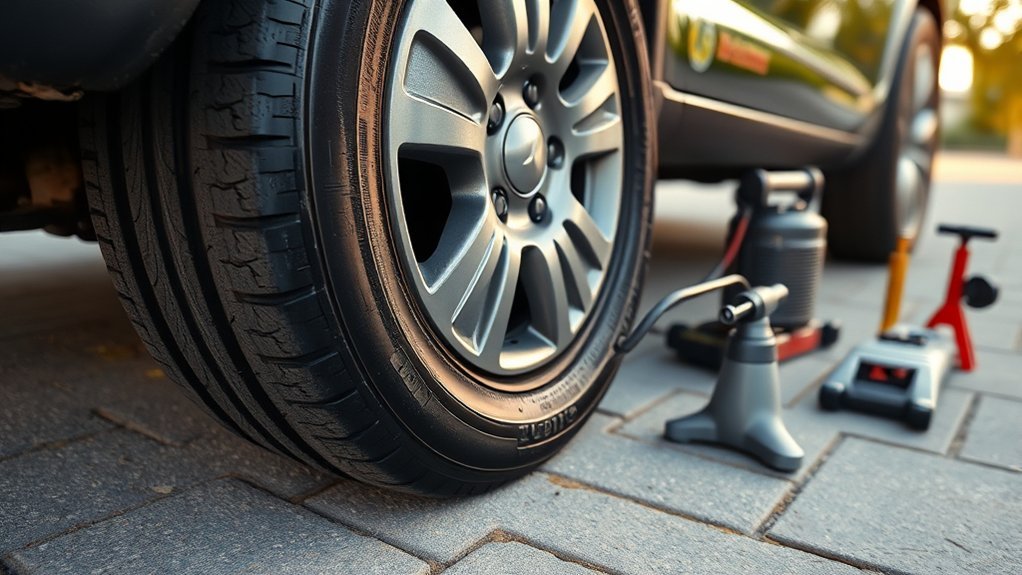
No, Flex Seal doesn’t reliably fix a flat tire. You can spray Flex Seal to make a surface coating, but it isn’t an adhesive and it doesn’t vulcanize rubber, so it can’t create a permanent tire repair.
If you apply it, you may get a brief seal on a small puncture, but tests have shown mixed results, and the tire can still leak air afterward. In several YouTube demonstrations, treated tires lost significant pressure within 24 hours.
That’s a serious limitation because tires operate under high pressure and heat, which Flex Seal isn’t designed to handle. You shouldn’t treat it as a safe repair method.
If you need a real fix, use a plug, patch, or replacement, depending on the damage. Those methods address the structure of the tire and reduce the risk of sudden failure on the road.
Why Flex Seal Fails on Tires
Flex Seal fails on tires because it isn’t an adhesive, it doesn’t vulcanize rubber, and it isn’t formulated for the heat and pressure a tire must withstand.
When you spray Flex Seal on a tire, it can’t bond at the molecular level, so the seal weakens as the casing flexes and warms. Tires use rubber and synthetic rubber compounds that need a repair material that moves with them; Flex Seal isn’t designed for that job.
In practice, you’ll often see mixed results: some test tires hold briefly, but many start leaking air within 24 hours. That means you can’t count on it for stable pressure, safe driving, or long-term durability.
User reports also describe temporary fixes that degrade quickly. Because Flex Seal isn’t recommended for rubber tire service, it leaves you with an uncertain seal and a real safety risk when the tire returns to load and speed.
What Tire Repairs Actually Work?
So what tire repairs actually work? You need methods that preserve carcass integrity and seal air reliably. Flex Seal isn’t one of them, and a used Flex Seal coating won’t restore pressure retention. Community reports show some short-term leaks respond to rubber cement or contact cement, but results vary and the fix often degrades under load, heat, and flexing.
| Repair option | Practical result |
|---|---|
| Airing up | Temporary only |
| Rubber cement | Mixed success |
| Contact cement | Mixed success |
| Sealants | Short-lived |
| Replacement | Most reliable |
If you’ve driven on a damaged tire, inspect it closely and treat temporary fixes as stopgaps, not solutions. DIY repairs can fail because tire construction is layered and stress-sensitive. When wear, puncture size, or sidewall damage is significant, replace the tire instead of gambling on sealants. Safety comes from matching the repair to the damage, not from hoping a coating will hold.
[Products Worth Considering]

This flat tire repair kit lets you handle punctures quickly with two plug sizes for different damage, helping restore drivability on the spot. It includes T-handle insertion and spiral probe tools plus lubricant and a utility knife, all packed in a compact bag for easy carry. Universal compatibility makes it suitable for tubeless tires across cars, motorcycles, ATVs, trucks, jeeps, and more.

This compact capsule-style tire repair kit helps you quickly fix punctures and plug flats with minimal effort. The rugged stainless steel shell protects the contents for reliable roadside use, while the simple plug assembly makes repairs fast and tool-free. Suitable for motorcycles, cars, ATVs, UTVs, and even mountain bikes.

This ETENWOLF tire plug repair kit helps you quickly fix punctures for reliable rides. It includes two plug sizes to match different damage widths, plus essential tools and lubricant for a smoother repair process. Designed for tubeless tires, it’s a convenient on-the-go solution for cars, motorcycles, ATVs, trucks, jeeps, and tractors.
When Can a Tire Be Patched Safely?
A tire can be patched safely only when the damage is limited to the tread and the puncture is smaller than 1/4 inch, because larger holes weaken the tire’s structure. You should inspect the hole’s location and size before you decide on any repair.
If the puncture sits in the sidewall, don’t patch it; that area flexes constantly under load and can fail. You also need enough remaining tread for a safe repair, so avoid patching tires worn below 2/32 inch.
Check for multiple punctures too, since close-together damage can make a tire unreliable even after repair. Inspect the bead area carefully for leaks before and after service.
Flex Seal Liquid isn’t a proper fix for a tire puncture, because it can’t restore the tire’s internal structure or sealing integrity. Use it only as a reminder that temporary coatings aren’t substitutes for a certified patch when you need a durable, roadworthy repair.
When Should You Replace the Tire?
Replace the tire when tread depth reaches 2/32 of an inch, because traction drops sharply and hydroplaning risk rises.
You should also replace it if you see cracks, cuts, or bulges, since those signs point to structural damage that can fail under load.
If the tire has multiple punctures, especially in the sidewall or shoulder area, replacement is usually safer than another repair.
Age matters too: once a tire’s over six years old, have it inspected closely, even if tread looks usable, because rubber compounds degrade with time.
Keep checking pressure and alignment, because chronic under-inflation creates uneven wear and can force early replacement.
Flex Seal isn’t a substitute for a worn or damaged tire, and it won’t restore strength, tread, or integrity.
When the tire shows these limits, replace it before it compromises handling, braking, or your safety.
Frequently Asked Questions
Will Flex Seal Stop a Tire Leak?
No, Flex Seal usually won’t stop a tire leak reliably. You need proper leak prevention with vulcanizing repair methods; you might get only a temporary seal, but heat, pressure, and flexing often reopen it.
What Works Better Than Flex Seal?
Sealant Alternatives like tire plugs and vulcanizing patches work better than Flex Seal; they bond flexibly, hold pressure, and last longer. You’ll get stronger repairs with rubber cement or a professional patch for serious damage.
What Is the Best Flat Tire Sealant?
The best flat tire sealant is usually Slime or Fix-a-Flat, depending on your puncture size and tire type. In a Sealant Comparison, you’ll want quick-sealing rubber blends, immediate application, and manufacturer-approved limits under 1/4 inch.
What Are the Drawbacks of Using Tire Sealant?
Sealants can be a band-aid, not a cure. Your Sealant Considerations include temporary sealing, heat and pressure failure, brittleness, and interference with plugs or patches; you’ll also risk blowouts if you rely on them too long.
Conclusion
Flex Seal won’t fix a flat tire, and you shouldn’t trust it to hold air under load, heat, or flex. You need a proper plug, patch, or patch-plug repair for small punctures in the tread, and you should replace the tire if the damage is in the sidewall or too large. Think of tire repair like medicine: a quick fix can mask the problem, but only the right treatment restores safety.
[Products Worth Considering]

This screw-in tire plug kit provides a fast, no-tire-removal fix for tubeless flat tires by aligning and screwing the plugs into the puncture. Built for a reliable, airtight seal, the thick rubber plugs create a durable repair that helps prevent slow leaks. The kit includes two plug sizes for handling different puncture widths and comes in a compact case for quick roadside use.

Vigorder rubber cement glue delivers superior adhesion and cures quickly within about 30 seconds for seamless rubber bonding. Once cured, it helps provide a strong, durable, waterproof seal that holds up to vehicle weight, pressure, and heat. Suitable for cars, motorcycles, trucks, bicycles, and off-road tires, it’s designed for emergency patch and maintenance repairs.

This screw-in tire plug kit seals punctures fast using the included screwdriver, letting you repair tread damage without removing the tire or using messy glue. It includes two plug sizes for different puncture types and uses high-density rubber for an airtight, heat-resistant temporary seal that helps you reach a tire shop safely. Compact and universal, it works on tubeless tires across cars, trucks, motorcycles, tractors, and more.

Related Articles

Tire Squeal When Turning: Causes, Fixes, and Prevention
Lingering tire squeal while turning can signal pressure, wear, alignment, or brake issues—discover the simple fixes before costly damage gets worse.
Read More
How to Recycle Old Tires: Where to Take Them and Costs
Learn where to recycle old tires, what it costs, and which free options might save you money before you decide where to take them.
Read More
How Long Can a Car Sit on a Flat Tire? Risks Explained
Sitting too long on a flat tire can quietly cause costly damage—discover when repair ends and replacement begins.
Read More