
Tire Boot Removal: When and How to Remove It Safely
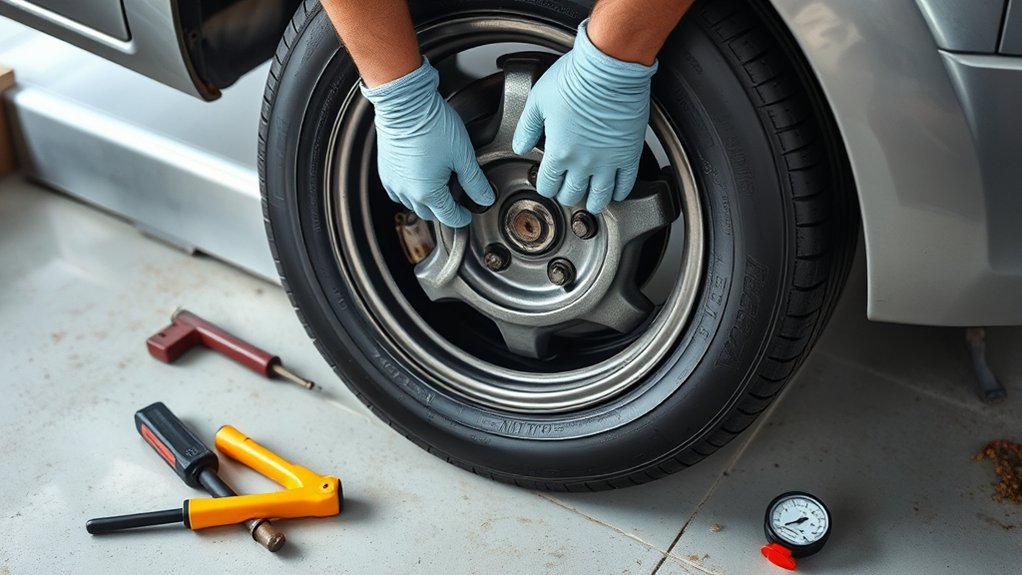
If your car has been booted, don’t try to remove it yourself. A boot is a steel device that locks one wheel, and forcing it off can damage your tire, wheel, or paint and may bring fines or arrest. Instead, identify who installed it, confirm the amount owed, and pay through the proper channel. Authorized removal usually costs $50 to $150. If you keep going, you’ll see when a boot may be illegal.
Key Takeaways
- A tire boot is a heavy-duty device that immobilizes a vehicle after parking violations.
- Do not remove a boot yourself; it can damage the tire, wheel, paint, and may be illegal.
- Contact the installer or local authorities to confirm the reason, amount owed, and release process.
- Boot removal usually requires paying fines and a removal fee, often totaling $50 to $150.
- If the boot seems unlawful, document it with photos and challenge it through the proper authorities.
[Products Worth Considering]

This 3-piece wheel brush set makes it easy to clean wheels and tires with soft, scratch-free brushes designed for lifting brake dust and grime. The flexible rim brush bends up to 360 degrees to reach hard-to-access areas for a thorough clean, while the comfortable grip helps control during detailing. A dedicated detailing brush supports gentle cleaning for sensitive surfaces, including interior use.

This professional wheel and rim cleaning brush set lifts brake dust, grime, and dirt with soft, scratch-free microfiber and synthetic wool fibers. The rim brush bends up to 360 degrees for easy access to hard-to-reach areas around spokes, lips, and faces. Ideal for thorough cleaning of car, truck, motorcycle, bicycle, RV, and more wheel and tire surfaces.

The 22800 wheel stud installer makes replacing wheel studs quick and secure, saving time and effort during tire service. It uses a ratchet or impact wrench to pull new studs firmly into place, helping when existing studs are too long. Compatible with most automotive wheels and light-duty truck wheel studs, it’s designed for easy, tool-assisted installation.
What Is a Car Boot?
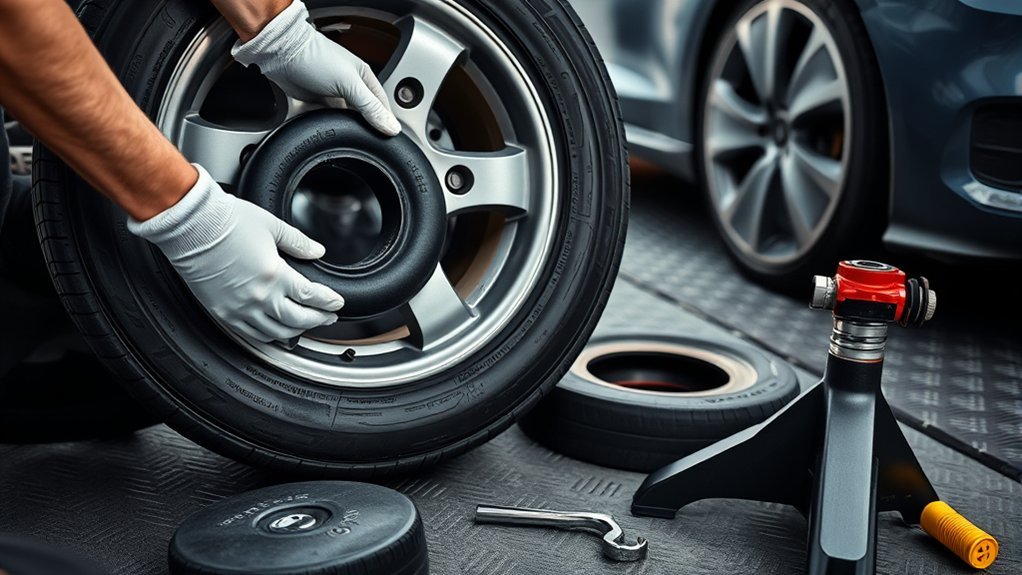
A car boot, also called a wheel clamp, is a heavy-duty steel device used to immobilize a vehicle when parking rules have been broken or fines remain unpaid. You’ll usually see a car boot on one wheel, where it secures the tire and keeps the vehicle from moving.
Manufacturers coat the device in rubber or plastic to reduce wear and protect your vehicle’s finish. Authorities and private lot operators use a wheel clamp to enforce parking regulations and discourage repeat violations.
The boot stays attached until someone releases it with the correct key or code, which means the vehicle has been flagged for illegal parking or unpaid fines. Because it’s built to stop movement, you should treat it as an official enforcement tool, not a simple obstruction.
The boot stays attached until released with the correct key or code, signaling a parking violation or unpaid fines.
If you find one on your vehicle, you’ll need to address the underlying parking issue before the clamp comes off safely and legally.
Why You Shouldn’t Remove a Car Boot Yourself
You shouldn’t try to remove a car boot yourself, because the risks usually outweigh any short-term savings. A boot on your car can damage the car’s tire, wheel, or paint if you pry it off, and one mistake can cost far more than the original parking tickets.
You may also face fines, arrest, or jail time for tampering with property that law enforcement treats as public. In many cases, the boot is designed to release after you pay the cited amount, so forcing it serves no purpose.
You’d also need specialized tools and a clear understanding of the device, which most drivers don’t have. If you keep trying, you can escalate the situation and trigger additional charges or even a bench warrant for repeated violations.
The safest, most practical move is to leave removal to the proper authority.
What to Do After Your Car Is Booted
Start by identifying who installed the boot, since the next step depends on whether a legitimate security company or law enforcement placed it on your vehicle. Use boot identification methods such as signage, contact numbers, case notices, or paperwork on the windshield.
Then call the listed office or local police to confirm the boot and ask about payment options available for any outstanding fines.
Then call the listed office or local police to confirm the boot and ask about payment options.
- Verify the installer before you act.
- Confirm the exact amount owed and how to pay.
- If you have self releasing boots, enter any code you receive after payment.
- Wait for authorized removal; don’t try DIY removal.
Paying the fine is usually required for legal, fast release. If the boot is self releasing, you may get immediate removal after payment confirmation or a code.
Otherwise, schedule authorized removal and keep all receipts. Don’t tamper with the device, because unauthorized interference can damage your car and lead to penalties.
[Products Worth Considering]
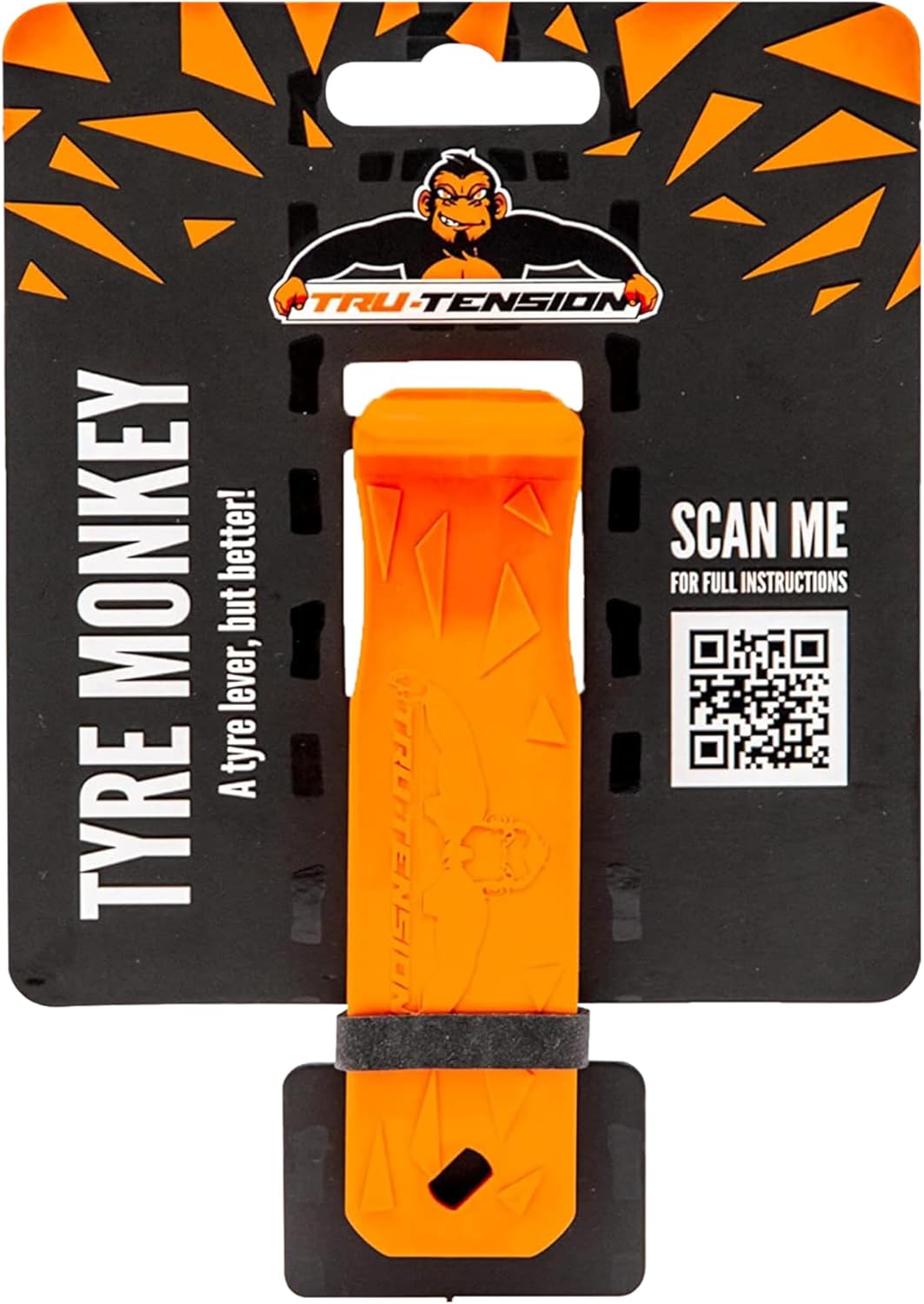
The Tru-Tension Tyre Monkey is a revolutionary bicycle tyre lever that makes removing and fitting tires fast and easy. Its innovative geometry helps keep your hand at a 90-degree angle to the wheel to reduce the risk of hitting spokes, and the design is optimized to use only one tool instead of multiple conventional levers. Compact and durable, it’s built for convenient carry and reliable tire changes on the go.
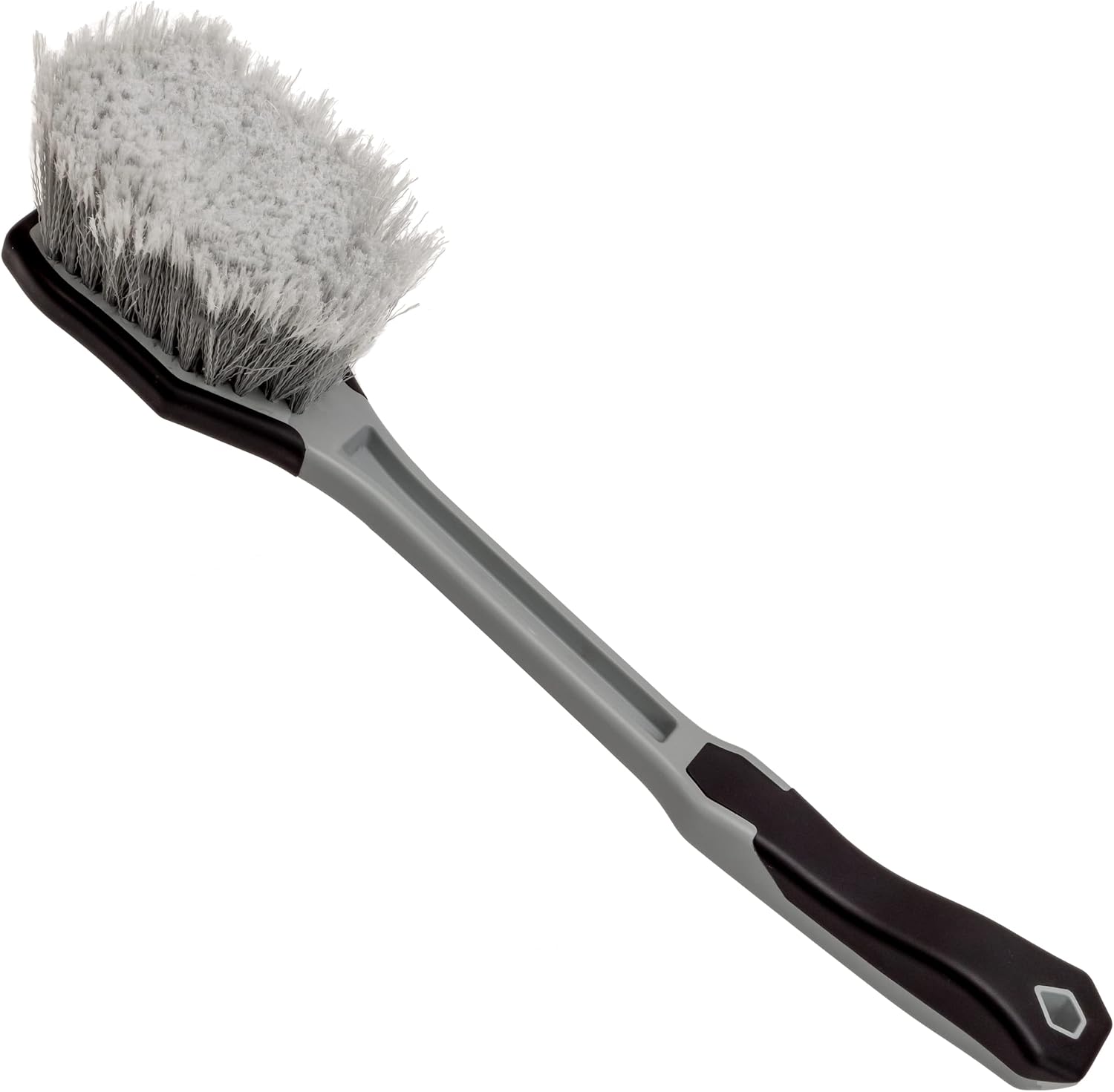
Clean grills, fenders, fender flares, bumpers, and wheel wells with a long-handled brush built for detailed car washing. The soft, triple-flagged bristles and dense scrub coverage help lift dirt gently while making coverage fast and easy. Use it with your favorite car wash soap for tires and exterior surfaces, and it also works for bike, motorcycle, boat, or RV cleaning.

This 62-inch extra-long car wash brush kit makes it easy to clean hard-to-reach areas on cars, trucks, SUVs, and RV roofs with lightweight, sturdy poles. It includes soft, non-scratch microfiber and bristles with protective bumpers to help prevent scratches while cleaning effectively. A rubber squeegee helps remove water stains quickly, plus a wheel/tire brush and absorbent towels for complete exterior detailing.
How Much Car Boot Removal Costs
Boot removal usually costs between $50 and $150, but the exact amount depends on the location, the enforcing agency, and any unpaid parking fines tied to the boot.
You’ll often pay the removal fee plus the underlying fines before the vehicle is released, so check the total before you start the payment processes. Some agencies use flat boot removal methods, while others set charges based on how long the boot stayed on your car, which creates fee variations.
If you delay payment, penalties can grow and increase the final amount. Ask for an itemized breakdown so you can see the towing, storage, or administrative charges that apply.
Also verify that the booting service is legitimate and authorized, because scams can add unauthorized fees. A clear invoice helps you confirm what you owe and avoid overpaying.
When to Challenge an Illegal Boot
If a boot seems to have been placed on your vehicle without proper authority, due process, or a valid parking violation, challenge it right away. You should act quickly because booting rights depend on local law and proper notice.
Start evidence collection immediately: take clear photos of the boot, signs, permits, damage, and the surrounding area. Save texts, emails, receipts, and any prior communications with the booting service or property owner. Then verify the rules yourself.
- Check local booting laws and towing ordinances.
- Contact local authorities to report suspected fraud.
- Ask the booting company for its authorization.
- Preserve records for legal recourse, including complaints or damages claims.
If the boot was installed in error, or caused property damage, you may have a stronger case. Stay calm, document everything, and don’t pay until you confirm the boot was lawful.
Frequently Asked Questions
Can You Remove a Boot Yourself?
You can, but you shouldn’t: boot removal techniques often damage tires or paint, and common mistakes trigger fines. Follow safety precautions, contact authorities or the booting service, and pay the fee to avoid legal trouble.
Can I Remove My Tire if It Has a Boot on It?
No—you shouldn’t. About 90% of unauthorized boot tampering cases end in extra fees or damage. You’ll need to follow tire boot regulations, pay fines, and let authorities handle removing tire boots; don’t use boot removal tools.
Am I Allowed to Take My Boot Off?
No, you’re not allowed to take it off yourself. Follow the boot removal procedures given by the issuer, because legal implications can include fines or arrest. Use proper safety precautions and contact them for authorized removal.
How to Get Boots off Easily?
You’ll get boots off easiest by confirming the boot’s legitimacy, paying fines, then using the release code or authorized removal. Follow safe boot practices; boot removal tools can damage your car and invite penalties.
Conclusion
If you find a boot on your tire, don’t rush to pry it off. A boot usually means unpaid tickets, and removing it yourself can lead to damage, fines, or towing. Instead, contact the issuing authority, pay the fee, and get the release instructions. If the boot seems illegal or wrongly placed, document it right away and challenge it. When you act quickly and carefully, you’ll save money, time, and stress.
[Products Worth Considering]

Keep your tires performing with these valve core removal tools designed to quickly disassemble and reinstall standard valve cores. The compact, portable design makes it easy to carry for bicycle, motorcycle, car, or truck repairs. Durable stainless steel construction helps you handle routine tire maintenance with less hassle.

The Chemical Guys Gerbil Wheel & Rim Brush is designed to safely clean wheels, rims, exhaust tips, tires, and engine bay components without scratching delicate finishes. Its soft natural bristles help lift brake dust, grime, and buildup while conforming to tight spaces and intricate contours. A comfort grip handle delivers control for extended detailing sessions.

Chemical Guys VRP Vinyl, Rubber & Plastic Dressing restores a rich, deep satin look to tires, trim, dashboards, and weatherstripping without a greasy feel. It dries to the touch for a clean finish that helps resist fading, cracking, and discoloration from harsh sun exposure. Apply with an applicator or microfiber towel, then wipe off excess for an even, freshly detailed appearance.

Related Articles
Tire Squeal When Turning: Causes, Fixes, and Prevention
Lingering tire squeal while turning can signal pressure, wear, alignment, or brake issues—discover the simple fixes before costly damage gets worse.
Read More
Does Flex Seal Fix a Flat Tire? What Actually Works
I tested whether Flex Seal can fix a flat tire—and the answer may surprise you if you want a repair that actually lasts.
Read More
How to Recycle Old Tires: Where to Take Them and Costs
Learn where to recycle old tires, what it costs, and which free options might save you money before you decide where to take them.
Read More