
How Long Do Winter Tires Last? Lifespan Explained
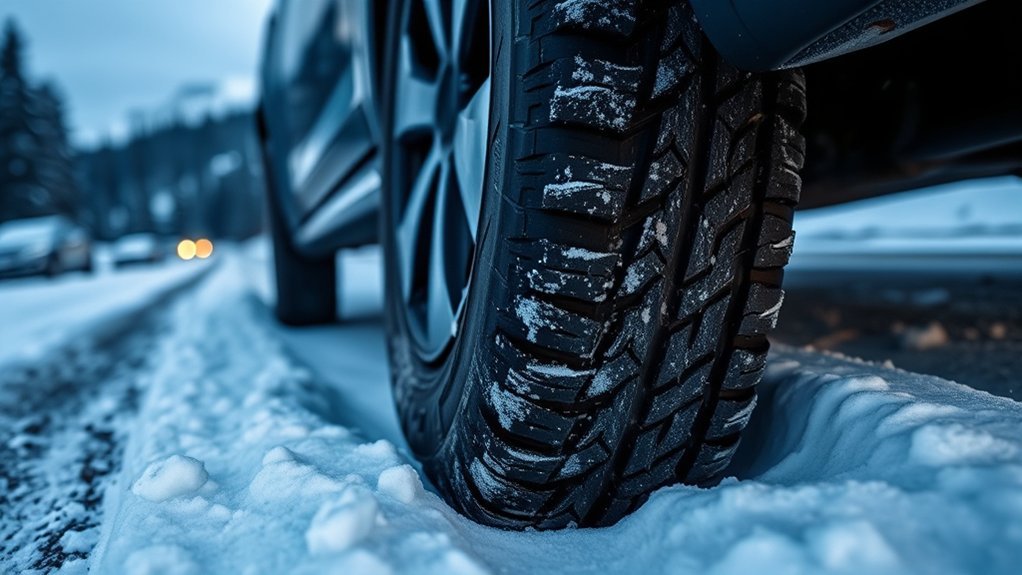
Winter tires usually last 4 to 6 seasons, and careful driving plus proper storage can stretch that to around 9. You’ll wear them out faster if you drive hard, rack up high mileage, or use them in warm weather. Tread depth matters most for snow and ice grip, so replace them at 4/32 inch to 5/32 inch. Tires older than 10 years should go. Keep going for the key signs and care tips.
Key Takeaways
- Winter tires typically last 4 to 6 seasons, though careful use can extend them to about 9 seasons.
- Their lifespan depends on mileage, braking habits, storage conditions, and how often they’re used on warm, dry roads.
- Replace winter tires when tread depth reaches 4/32 to 5/32 inch or lower for safe snow and ice traction.
- Tires older than 10 years should be replaced regardless of tread because rubber hardens and performance declines.
- Regular pressure checks, rotations, and proper storage help winter tires wear evenly and last longer.
[Products Worth Considering]

The SAFELIFE dial tire tread depth gauge measures tread depth in 1/32 inch increments with clear, easy-to-read 2-inch dial face. Color zones using a traffic light system help you quickly judge whether tread is low, marginal, or ample for safer driving. Built with a durable zinc cast body and a metal detect probe for precise, comfortable use across cars, motorcycles, trucks, and buses.

Measure tire tread depth quickly and accurately with this LUMITECO dial gauge that reads in 1/32" increments up to 14/32". The color-coded green/yellow/red zones make it easy to judge tire wear and know when replacement is needed. A rugged, compact design with a protective pouch helps keep the gauge ready for use on cars, trucks, motorcycles, and more.

Monitor tire tread wear with a smart, color-coded depth gauge that shows clear condition ranges at a glance. The bar is range marked for fast, easy readings, helping you maintain safer traction and performance. Each gauge is portable with a pocket clip, and the set includes 20 units for daily use and sharing.
What Is a Winter Tire?

A winter tire is a purpose-built tire for cold, icy, and snowy conditions, using a softer rubber compound that stays flexible in low temperatures.
When you fit winter tires, you get a design tuned for grip on icy roads and packed snow. The tread depth is usually greater than on all-season tires, and the tread blocks use complex sipes and channels to bite into slippery surfaces.
Winter tires feature deeper tread and sipes that bite into icy roads and packed snow.
In cold temperatures, the rubber compound resists hardening, so you keep better steering response, cornering stability, acceleration, and braking control. You’ll notice the tire works to evacuate snow and slush while maintaining traction.
For the best safety and handling, you should install winter tires on all four wheels, not just one axle. That balanced setup helps your vehicle stay predictable when road conditions change quickly.
How Long Do Winter Tires Last?
Winter tires typically last 4 to 6 seasons, though careful use and proper storage can stretch that to as many as 9. Your winter tires last based on mileage, tread wear, and driving habits, not just age. You’ll usually cover about 4,492 miles per year on them, so their lifespan can vary with how much you drive and the conditions you face.
| Metric | Guideline |
|---|---|
| Typical lifespan | 4–6 seasons |
| Extended lifespan | Up to 9 seasons |
| Tread depth replacement | 5/32-inch or lower |
| Maximum service life | 10 years from manufacture date |
Check tread depth regularly, because low tread depth reduces snow and ice performance. Even if the tread looks usable, you should replace the tires at 10 years from the manufacture date. That limit applies regardless of tread wear. With consistent inspection and proper storage, you can maximize Winter Tires Last performance and keep your tires effective longer.
What Shortens Winter Tire Life?
Several factors can shorten winter tire life, even though they typically last 4 to 6 seasons. Your driving habits matter most: high mileage, hard braking, and frequent use on dry roads increase wear and tear fast.
When you run winter tires above 7 degrees Celsius, the softer rubber compounds wear even quicker, reducing tire lifespan.
Winter severity also plays a role, because repeated temperature swings stress the rubber and add aging.
Poor storage can hurt them, too; heat and sunlight degrade compounds during the off-season.
You should also use proper maintenance to slow damage. Check pressure regularly, inspect for cuts or uneven wear, and rotate tires as needed.
A tread depth gauge helps you track remaining tread and spot when wear is advancing toward replacement.
How Tread Depth Affects Safety?
Your winter tires need enough tread to bite into snow and ice, and once depth drops below about 5/32 inch, grip starts to fall off fast.
At 4/32 inch, you should replace them because stopping distances grow and traction gets weaker in winter conditions.
When the tread wear indicator bars are flush with the tread, you’ve reached the replacement point, even if the tires still look usable.
Tread Depth And Grip
Tread depth plays a major role in winter tire safety because shallow grooves can’t evacuate snow and slush as effectively, reducing grip and increasing stopping distances.
You get better traction when winter tires have deeper tread grooves, since they channel snow and slush away from the contact patch and help maintain grip on packed snow and ice.
Once tread depth drops to 5/32 inch or lower, safe driving becomes harder because tread wear cuts performance quickly. Regular inspections let you catch uneven wear before it hurts control.
Although some tires meet the 4/32-inch legal minimum, you shouldn’t wait that long for winter use. For consistent winter performance, check tread depth often and replace tires before grip declines too far.
Replacement At Wear Bars
Once winter tire tread reaches the wear bars, it’s time to replace the tires, because 4/32 inch is the minimum depth needed to maintain adequate traction in snow and ice. At this safety limit, your tread depth no longer clears slush well, and braking distance can increase.
The tread wear indicator tells you when winter tires have reached replacement at wear bars, so don’t ignore it.
- Check tread depth with a gauge.
- Use the penny test for a quick check.
- Replace tires at 4/32 inch.
- Watch for visible tread wear indicator bars.
- Inspect every season for wear.
When you let tread wear continue past this point, grip drops on icy roads and accident risk rises.
Winter tires usually last 4 to 6 seasons, so regular checks help you replace them before performance fades.
When to Replace Winter Tires?
You should replace winter tires when tread depth drops to 4/32 inch or less, since that’s the minimum for reliable snow and ice traction.
You also need to replace them if they’re over 10 years old, even if the tread looks acceptable, because rubber aging can reduce grip.
Check regularly for cuts, punctures, and uneven wear so you can catch damage before it compromises performance.
[Products Worth Considering]

Accurately measure tire tread depth with a calibrated gauge marked from 0 to 1 inch in 1/32 inch increments. The color-coded bar helps you quickly identify tread condition ranges, supporting safe driving for trucks, motorcycles, automobiles, and passenger vehicles.

The Kurgo Seasonal Tire Tote helps protect your car interior, clothes, and garage from tire grime, brake dust, and residue during seasonal tire changes. Its universal design fits most passenger tires between 22" and 31" in diameter, making storage and transport simpler with less mess. Built for rugged, repeated use, it’s machine washable for easy care and comes with a lifetime warranty.

Measure tyre tread depth precisely with a digital gauge that reads in both MM and inches, helping you monitor safe driving conditions. The large LCD screen is easy to operate, and the compact tool fits for cars, trucks, and motorcycles. It provides high accuracy with a 0-25.4mm range and includes a 1-year warranty for added peace of mind.
Tread Depth Limits
Winter tires should be replaced when tread depth reaches 4/32 of an inch, since that’s the minimum needed for reasonable traction in snow and on ice.
You should measure tread depth regularly and replace your winter set before it drops below 5/32 of an inch, because grip declines fast.
Use a gauge or the penny test to confirm the depth and protect safety during winter driving. Tread wear indicators also help you spot when the tire is finished.
- Check tread depth often
- Replace at 4/32 inch
- Aim for 5/32 inch
- Watch tread wear indicators
- Use a gauge or penny test
Tire Age Limits
Tread depth isn’t the only factor that determines when winter tires should be replaced; tire age matters too.
You should treat Tire Age as a hard limit: most winter tires reach maximum service life at 10 years from their manufacture date, even if they look unused. Aging rubber can lose grip from ozone and UV exposure, so performance can drop before visible wear appears.
Your lifespan depends on storage, driving, and maintenance, but you should inspect tires annually after five years.
In practice, winter tires last about 4 to 6 seasons, and careful use may extend them to 9. Still, if tread depth falls to 4/32 inch before that, replace them.
For each winter season, check the date code, not just mileage.
Wear And Damage
Even if a set of winter tires still has usable tread, visible wear or damage can make replacement necessary. You should inspect them often, because wear directly affects traction and lifespan.
Replace tires when tread depth reaches 5/32 inch or less; at that point, snow and ice grip drops sharply. Use a penny test to check tread: if Lincoln’s head shows, the tire is too worn.
- Cuts in sidewalls
- Punctures in the casing
- Bulges or blisters
- Uneven tread wear
- Rubber cracking or chunking
Any damage like this can weaken structure and raise failure risk. Even if tread looks acceptable, replace tires after 10 years from the manufacture date.
Regular checks help you catch problems early and keep winter driving safe.
How Tire Age Affects Safety?
Tire age affects safety because rubber compounds harden over time, reducing flexibility and grip even when tread depth still looks acceptable. You should treat tire age as a hard limit on service life, not just a wear issue.
The NHTSA recommends replacing tires at 10 years from the manufacture date, even if they still have usable tread. You can find that date in the DOT code on the sidewall.
For winter tires, aging matters even more because their specialized compounds can degrade faster under ozone, UV light, and heat cycling. After five years of use, you should schedule professional inspections to verify safety and cold-weather performance.
Regular checks help you catch age-related cracking, stiffness, and loss of traction before they become hazardous. If your winter tires are old, they may not bite into snow or ice as designed, so replace them on time.
How to Make Winter Tires Last Longer
To help winter tires last longer, start with proper maintenance and careful use. You should monitor tire pressure regularly; underinflation causes flexing, heat, and uneven wear. Rotate them every 5,000 to 7,500 miles so all four wear evenly. Your driving style also matters: avoid hard braking, rapid acceleration, and sharp cornering to cut abrasion.
- Check your tread depth often for safe traction.
- Inspect sidewalls for cuts, punctures, and bulges.
- Keep alignment and suspension in spec.
- Compare wear patterns with your regular tires.
- Use tire storage in a cool, dry, shaded place.
These steps reduce stress on the compound and help preserve grip across the season. If you notice unusual wear or vibration, address it early before damage spreads.
Consistent upkeep won’t make winter tires last forever, but it can add meaningful service life and maintain predictable winter performance.
Why Winter Tire Storage Matters
Proper winter tire storage can add a full season or more of usable life by limiting heat, UV exposure, and moisture damage.
You should clean winter tires before storage, removing dirt, salt, and debris that can trap contaminants against the rubber and accelerate aging. After cleaning, dry them completely, then place them in a cool, dry, stable environment away from direct sunlight and large temperature swings. This helps preserve flexibility, so the tires keep their performance qualities when cold weather returns.
Clean winter tires before storage, then keep them dry, cool, and out of direct sunlight.
Indoor storage is best because it reduces heat stress and slows compound breakdown. If you use covers or sealed bags, you’ll also limit moisture buildup and protect the tread and sidewalls from ambient humidity.
Good storage doesn’t just protect the rubber; it helps extend lifespan by keeping the tires in the same condition you left them in, ready for reliable winter use next season.
Signs Your Winter Tires Need Replacing
Even with good storage habits, winter tires wear out and age over time, so you need to watch for clear replacement signs.
Check tread depth first: once it reaches 5/32 inch or less, you should replace them for safer icy-road grip.
Then inspect for visible wear, because cracks, cuts, and bulges can mean internal damage even if the tread looks acceptable.
Age matters too; if your winter tires are over ten years old, replace them because rubber compounds harden and lose effectiveness.
You should also track performance changes, including weaker traction and longer stopping distances, since these often point to tire degradation.
- Tread depth at or below 5/32 inch
- Cracks, cuts, or bulges
- Tires older than ten years
- Reduced traction in snow and ice
- Lincoln’s head visible in the penny test
Frequently Asked Questions
Are 12 Year Old Winter Tires Safe?
No, your 12-year-old winter tires aren’t safe; you should replace them immediately. Aging rubber hurts tire performance, even with minimal tread wear. Follow safety standards and replacement guidelines, and have a professional inspect weather conditions.
What Is the 7 7 Rule for Winter Tires?
The 7 7 rule says you should replace winter tires at 7/32-inch tread depth and by 7 years old; you’ll track tread depth, temperature effects, performance comparison, storage tips, and replacement indicators.
What Is the 3 Tire Rule?
The 3 Tire Rule means you replace all four tires when three reach low tire tread, usually 5/32 inch, so you preserve winter performance through seasonal changes and meet tire maintenance safety standards.
Can Winter Tires Last 10 Years?
You can, but you shouldn’t rely on 10 years; NHTSA says replace winter tires by then. Even with solid tire tread, temperature effects, seasonal storage, tire rotation, and performance decline can still make them unsafe.
Conclusion
Winter tires usually last 3 to 6 seasons, but your driving habits, road salt, heat, and storage can shorten that timeline. You should replace them when tread drops below 6/32 inch, or sooner if cracking, uneven wear, or age shows up. Think of winter tires like a snow shovel: if the edge is worn down, it still looks useful, but it won’t clear the storm. Check them often, and you’ll stay safer all season.
[Products Worth Considering]

Milton S-921 pencil tire pressure gauge helps you maintain optimal tire pressure for passenger cars with accurate readings in PSI and kPa. It features a built-in deflator valve for convenient pressure adjustments, plus a single chuck head and nylon indicator bar for easy use on the go. Built from durable plated brass and designed for reliable performance, it’s a practical road trip and cold-weather maintenance tool.

This tire inflator with pressure gauge delivers long-lasting performance with a durable rubber-protected gauge and sturdy build. The longer hose and 360 swivel air chuck help you seal the valve securely and keep your hands free while measuring, inflating, or deflating. It’s battery-free for reliable use and provides ±2 PSI accuracy in the mid-range for most typical tires, with universal compatibility for 1/4 NPT compressor outputs.

These universal tire valve stem caps help protect valve cores from dust, debris, and moisture while helping maintain stable tire pressure. The corrosion-resistant metal construction and sealed design provide reliable protection in road grime, mud, and winter conditions. Twist-on installation makes them quick to fit on cars, SUVs, trucks, and motorcycles.

Related Articles
How Much Do Tire Chains Cost? Price Guide
Tire chains can cost anywhere from $50 to $200, but what drives the price difference may surprise you.
Read More
How Much Do Winter Tires Cost? Price Guide
Keen to know winter tire costs? Discover price ranges, hidden fees, and money-saving tips before you buy.
Read More
Can You Drive Studded Tires in Summer? Legal Rules
Just when you think studded tires are fine year-round, summer laws and hidden penalties may say otherwise—find out what could surprise you.
Read More